
GfGD, IERT (University of Jammu), and Teachers/Students from Nyoma Residential School A post-teaching photograph in the heart of the Indian Himalayas, with the Indus River in the background. Students had recently undertaken a one-day course on glaciers and climate change, landslides and earthquakes. Read more about the project in a collection of posts with this …[Read More]
1727 search results for "network"
If you didn't find what you were looking for, try searching again.
GfGD Conference 2014 – Present a Poster
At the GfGD Conference 2013, we had a number of excellent posters from both undergraduate and postgraduate students, as well as some from recent graduates working on various aspects of relating to development. This year we will again be giving students and recent graduates the opportunity to present relevant work and contribute your ideas on the …[Read More]
GUEST BLOG: Further report from Hydrogeology and WASH 2014
Last month GfGD provided two small bursaries to allow Victoria Gill (Aberdeen University) and Mike Rose (Camborne School of Mines) to attend a conference on Hydrogeology and WASH (Water, Sanitation and Hygiene) at the Geological Society of London. The conference was organised by Hydrogeologists without Borders. On Monday Victoria reported on her experiences, and today Mike gives …[Read More]
The home of our hearts day 5: The Sydney Tar Ponds and keeping the spark alive
[part six of a special six-part blog series by Mark Ranjram, MEng student at McGill University. From June 8 to June 13 2014, Mark had the privilege of being a part of the Canadian Water Network’s (CWN) Student and Young Professionals (SYP) Workshop in Cape Breton Island, Nova Scotia. Here is the prologue to this …[Read More]
The home of our hearts day 4: the water-energy nexus & deep thoughts on salty water
[part five of a special six-part blog series by Mark Ranjram, MEng student at McGill University. From June 8 to June 13 2014, Mark had the privilege of being a part of the Canadian Water Network’s (CWN) Student and Young Professionals (SYP) Workshop in Cape Breton Island, Nova Scotia. Here is the prologue to this …[Read More]
The home of our hearts day 3: The coal story – mines and mine water remediation
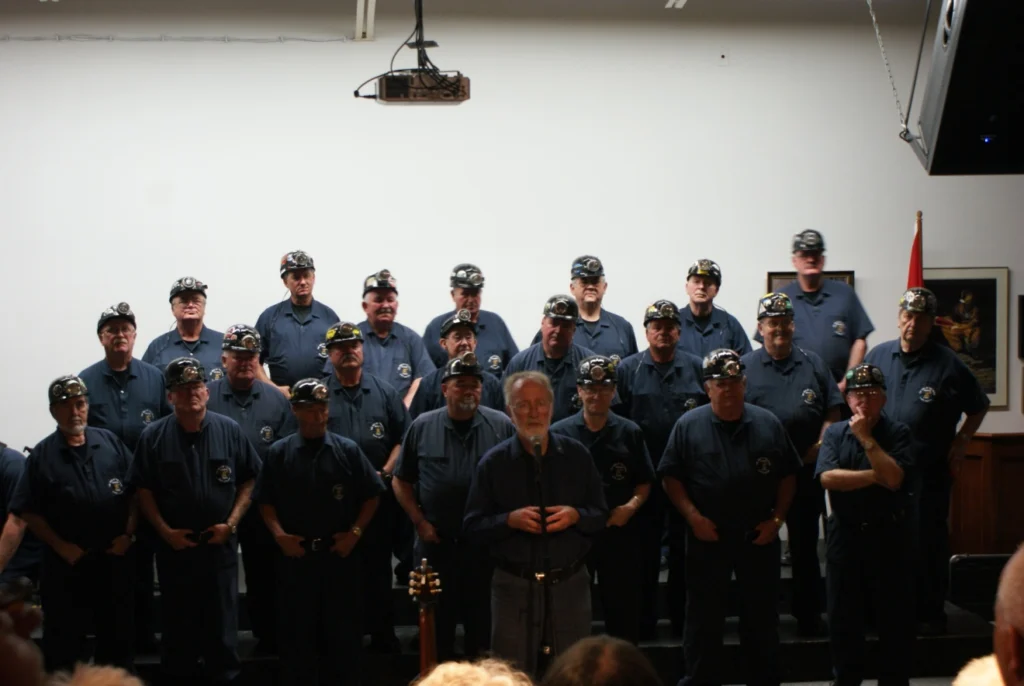
[part four of a special six-part blog series by Mark Ranjram, MEng student at McGill University. From June 8 to June 13 2014, Mark had the privilege of being a part of the Canadian Water Network’s (CWN) Student and Young Professionals (SYP) Workshop in Cape Breton Island, Nova Scotia. Here is the prologue to this …[Read More]
The home of our hearts day 2: The Unama’ki Institute for Natural Resources and a medicine walk to Glooskap’s cave
[part three of a special six-part blog series by Mark Ranjram, MEng student at McGill University. From June 8 to June 13 2014, Mark had the privilege of being a part of the Canadian Water Network’s (CWN) Student and Young Professionals (SYP) Workshop in Cape Breton Island, Nova Scotia. Here is the prologue to this …[Read More]
The home of our hearts day 1 – twenty-five strangers walk into a Mi’kmaq talking circle…
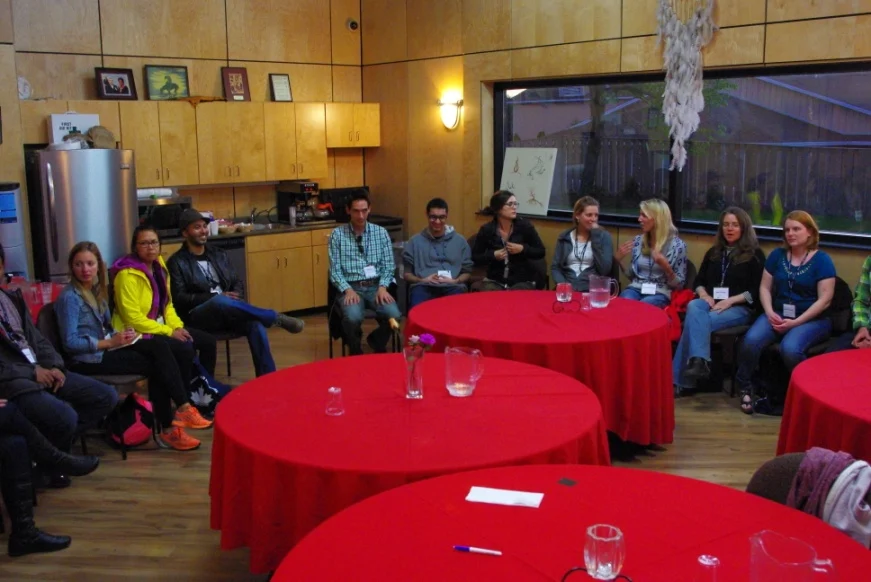
[part two of a special six-part blog series by Mark Ranjram, MEng student at McGill University. From June 8 to June 13 2014, Mark had the privilege of being a part of the Canadian Water Network’s (CWN) Student and Young Professionals (SYP) Workshop in Cape Breton Island, Nova Scotia. Here is the prologue to this …[Read More]
Finding funding: a rough guide to getting your research wishes granted
Finding funding to support your research is always a challenge, but never more so than when you’ve not done it before. During the EGU 2014 General Assembly, Grant Allen gave an excellent short course for early-career researchers on getting to grips with grant applications. His fantastically appropriate name aside, we couldn’t have asked for a …[Read More]
Revised version of the New Manual of Seismological Observatory Practice
A revised edition of the New Manual of Seismological Observatory Practice (NMSOP) has been compiled and is now available online. This manual is a project of the International Association of Seismology and Physics of the Earth’s Interior (IASPEI). Over the years IASPEI introduced a manual to ensure that the data from the different seismology observatories around the world is …[Read More]