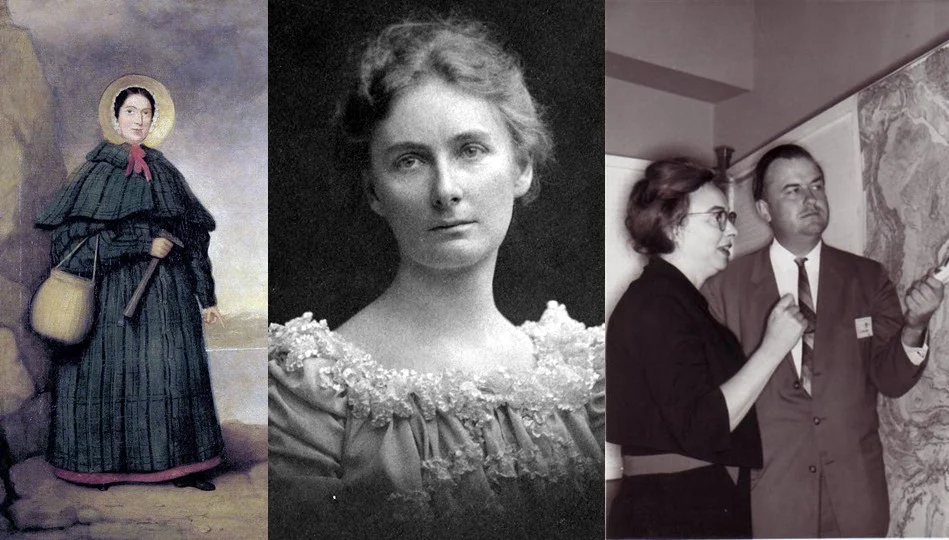
Much ink is spilled hailing the work of the early fathers of geology – and rightly so! James Hutton is the mind behind the theory of uniformitarianism, which underpins almost every aspect of geology and argues that processes operating at present operated in the same manner over geological time, while Sir Charles Lyell furthered the …[Read More]
1727 search results for "network"
If you didn't find what you were looking for, try searching again.
My film is ready, now what?
It’s no secret that at EGU we believe using film as a medium to communicate science and engage the public with research is a great tool! So much so that we organise an annual competition for early career scientists (ECS) to produce a three-minute video to share their research with the general public, as well …[Read More]
Goodbye…… for now
After 3 years of blogging, (can you believe Jenga has been going for 3 years already?!), the time has come to wave goodbye to the EGU Blog network. Dan and I have very much enjoyed being part of this active, fun and engaging community of geoscience bloggers. However, our circumstances have changed signifiantly since we …[Read More]
So long, and thanks for all the fish
This is my final post for Polluting the Internet on the EGU Blogs Network. I have very much appreciated the opportunity to contribute to the network and enjoyed the reception and opportunities that it created. Particular highlights were covering the EGU General Assembly and AGU Fall Meeting on the blog. Unfortunately life and work have got in the …[Read More]
GeoPolicy: 8 ways to engage with policy makers
Scientific research is usually verbally communicated to policy officials or through purposefully written documents. This occurs at all levels of governance (local, national, and international). This month’s GeoPolicy post takes a look at the main methods in which scientists can assist in the policy process and describes a new method adopted by the European Commission (EC) that aims to enhance …[Read More]
Geoscience outreach- why it matters and how to get involved
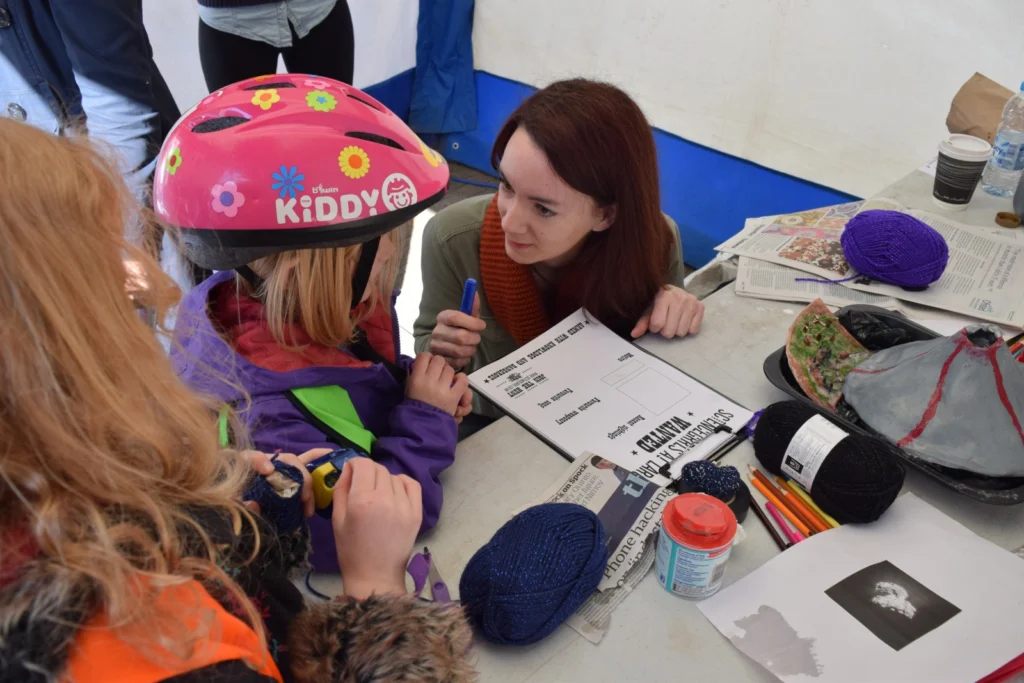
This post is brought to you by Natasha Dowey, a dear friend and a volcanologist turned petroleum geologist. Just like us, Natasha has a passion for outreach. In this post she explains why it matters and a number of ways you can get involved. The importance of communication in geoscience is becoming ever more widely …[Read More]
Ice on fire at the Royal Society Summer Science Exhibition
The Royal Society Summer Science Exhibition (RSSSE) is a free public event 4-10th July 2016 in London. This is a yearly event that is made up of 22 exhibits, selected in a competitive process, featuring cutting edge science and research undertaken right now across the UK. The scientists will be on their stands ready to …[Read More]
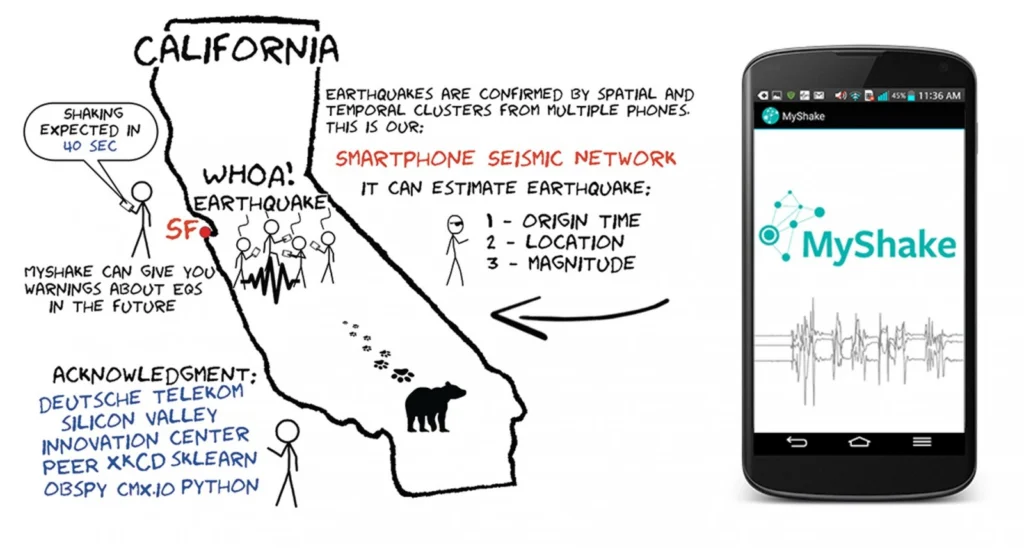
MyShake – your phone as a seismic station
Are you on Facebook or Twitter? Do you use Whatsapp regularly to communicate with friends and loved ones scattered across the globe or even just across the city? I’d be surprised if you answer ‘no’ to all of these questions. In fact, why not admit that you are just as addicted to that smartphone of …[Read More]
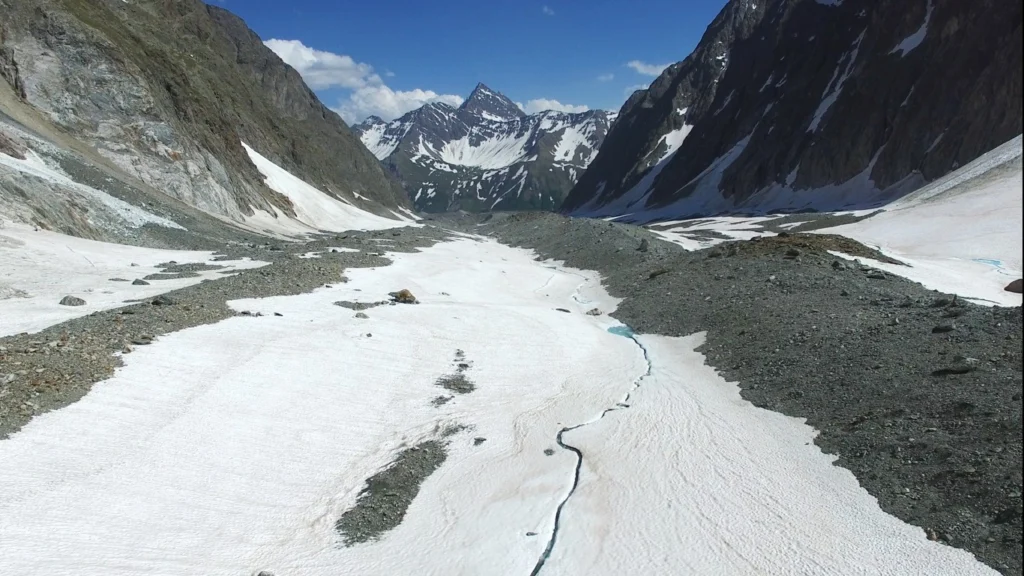
Image of The Week – A Game of Drones (Part 1: A Debris-Covered Glacier)
What are debris-covered glaciers? Many alpine glaciers are covered with a layer of surface debris (rock and sediment), which is sourced primarily from glacier headwalls and valley flanks. So-called ‘debris-covered glaciers’ are found in most glacierized regions, with concentrations in the European Alps, the Caucasus, Hindu-Kush-Himalaya, Karakoram and Tien Shan, the Andes, and Alaska and …[Read More]
A tale about MERMAIDs
Once upon a time there was a little mermaid, with the upper body of a human and a tail of a fish, happily diving within the seven seas. Wait … I’m sorry, that is the wrong story. I will tell you today something about a different generation of MERMAIDs, that are pretty useful for seismologists. …[Read More]