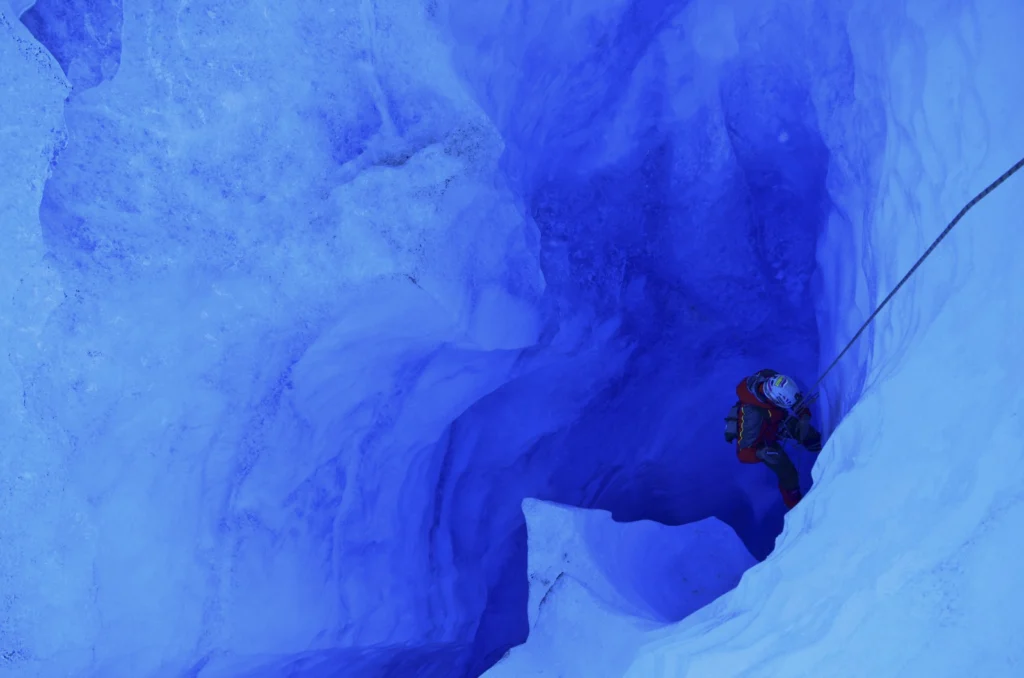
Chilean Patagonia hosts many of the most inhospitable glaciers on the planet – in areas of extreme rainfall and strong winds. These glaciers are also home to some of the most spectacular glacier caves on Earth, with dazzlingly blue ice and huge vertical shafts (moulins). These caves give us access to the heart of the …[Read More]
1727 search results for "network"
If you didn't find what you were looking for, try searching again.
We are hiring: be our next Science Policy Officer!
Do you have an interest in science policy and the geosciences? Then this post might be just right for you! We are looking to hire a Science Policy Officer to continue developing the EGU’s policy programme, which is aimed at building bridges between geoscientists and European policymakers, engaging the EGU membership with public policy, and …[Read More]
Welcome to Water Underground
A big welcome to the new EGU blog network blog Water Underground! Water Underground is the first geoscience blog that I am aware to be cross-hosted on both the EGU and AGU blog networks allowing it to reach people across the world. Water Underground, founded by Dr. Tom Gleeson, a prof at the University of …[Read More]
What is in your field rucksack? Backpacking in the wilderness
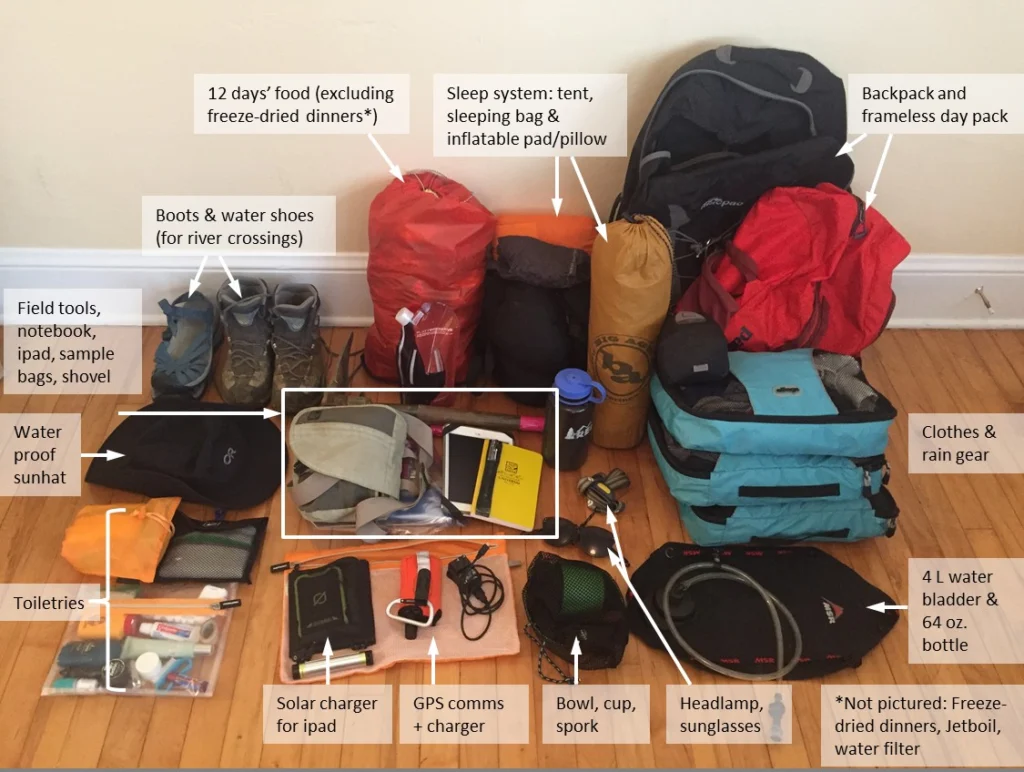
Inspired by a post on Lifehacker on what your average geologist carries in their rucksack/backpack, we’ve put together a few blog posts showcasing what a range of our EGU members carry in their bags whilst in the field! This bag belongs to: Alexa Van Eaton Field Work location: Glacier Peak volcano, Washington, USA Duration of …[Read More]
GeoPolicy: Living in a post-factual society and why it’s more important than ever for scientists to engage
Last week, the EGU Science Policy Fellow packed her bags and flew to Brussels. Now this wasn’t to sample some of the fine beers Belgium has to offer, but to attend the 2nd International Network on Government Science Advice (INGSA) Conference. This conference, co-organised by INGSA and the European Commission, aimed to discuss the major …[Read More]
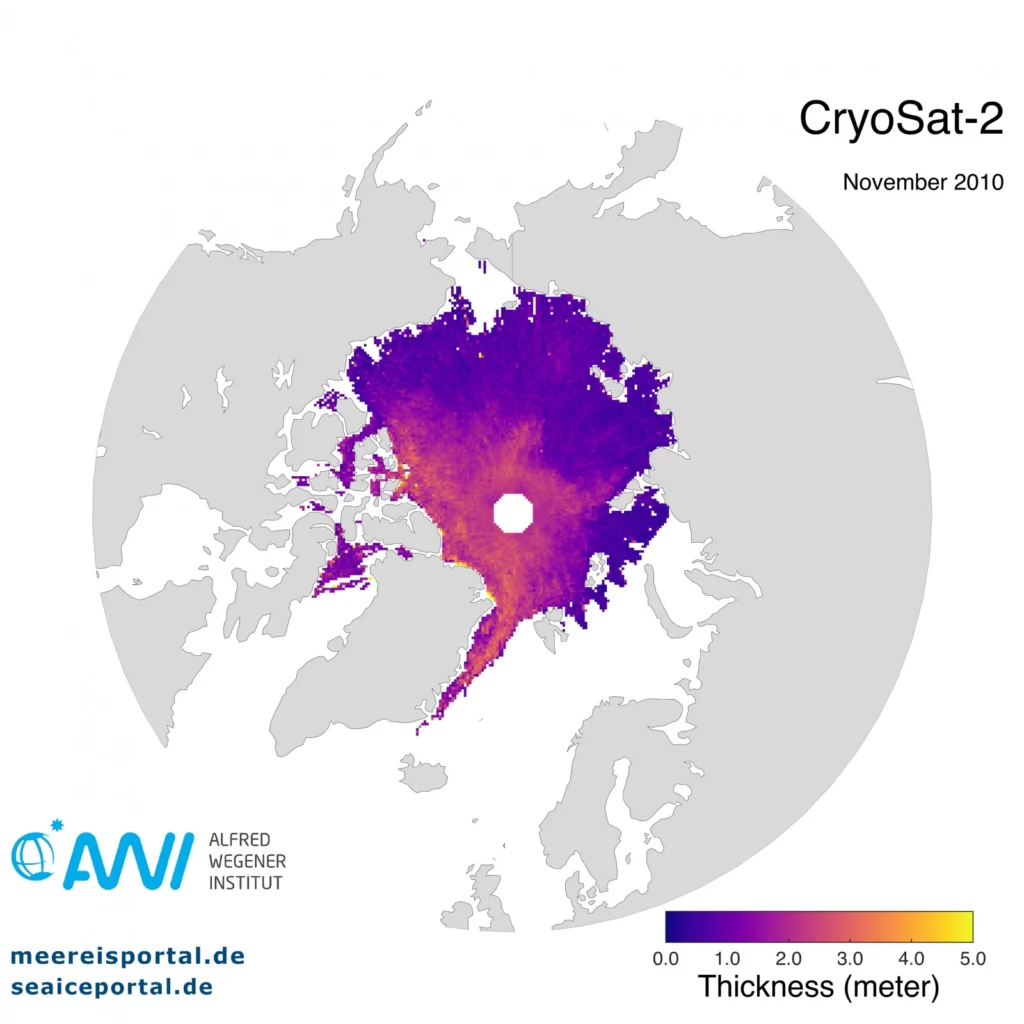
Image of the Week – The Polar Hole!
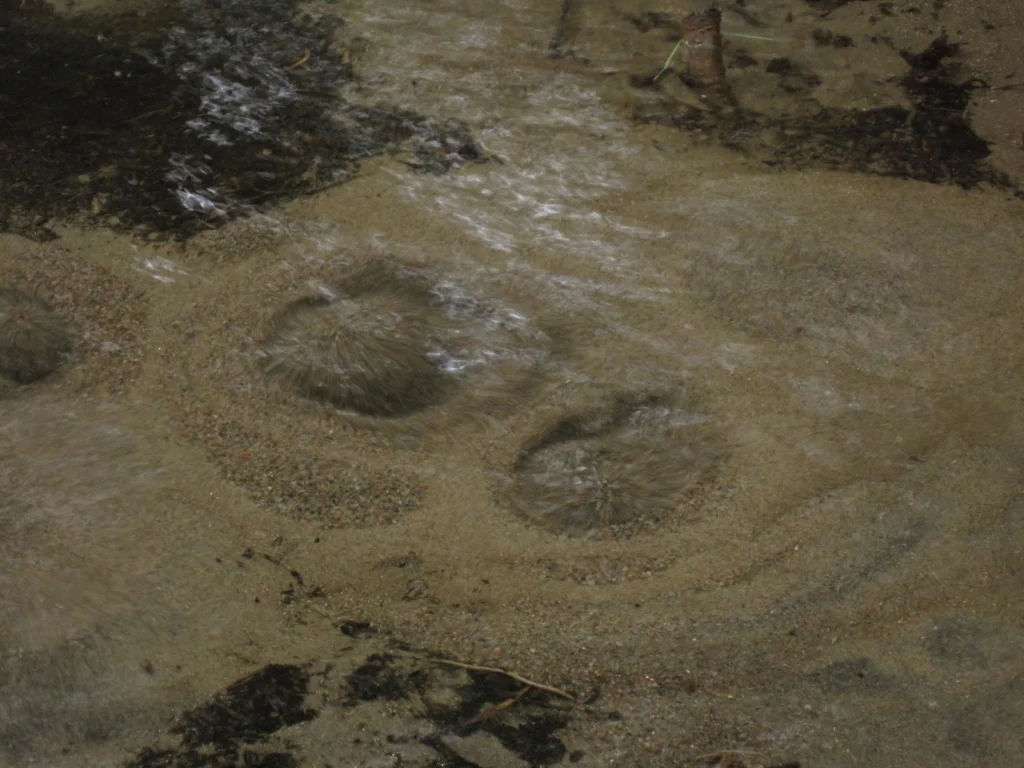
Have you ever stumbled upon a satellite picture showing observations of the Arctic or Antarctic? You often see a circle where there is no data around the exact location of the geographic pole – as you can see in our Image of the Week. A few days ago, I wanted to explain this to one of …[Read More]
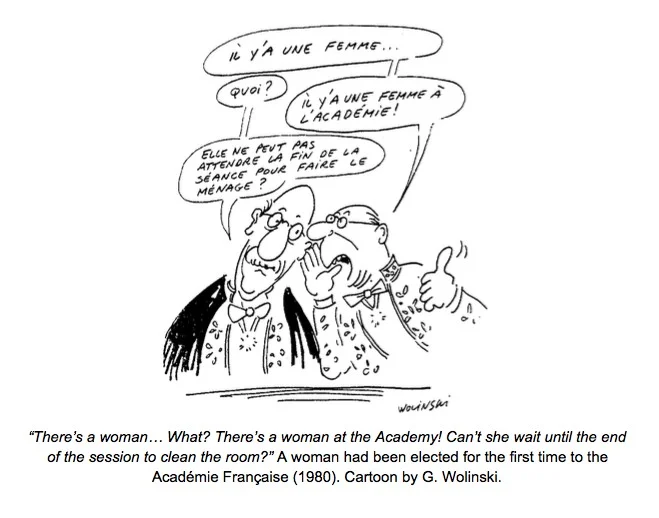
Where and why does the chain break? Women in geoscience and letters of recommendation for postdoctoral fellowships
While women in geosciences are awarded 40% doctoral degrees, they hold less than 10% of full professorial positions. In looking for the cause of this disparity, the postdoctoral years have been identified as a crucial step, before and during which many women leave the Academia. A recent study by Dutt et al., published this month in Nature …[Read More]
This calls for a celebration: GeoLog’s 1000 post!
As far as blogging milestones go, today is pretty special. This is GeoLog’s 1000 post! Since the EGU’s official blog launched back in March 2010 (that’s right, there’s over 6 years of back catalogue for you to enjoy!), we’ve shared posts about research spanning almost every discipline in the Earth sciences; highlighted member’s adventures in …[Read More]
Socio-hydrogeology: bridging the gap between science and society
Authored by Viviana Re, Marie Curie Research Fellow at Ca’ Foscari University of Venice, Italy Sustainability, integrated water resources management, climate change, groundwater governance. These are some of the currently trending topics in hydrogeology, as reflected by their widespread use as keywords in recently published literature. Indeed, hydrogeologists are at the forefront of guaranteeing the long-term sustainability …[Read More]
Stop the press!: How to pitch your research to a journalist or editor
Why does some research make it into the main stream media, while so many stories languish in the expanse between the lab bench and research papers? The answer isn’t straightforward. A variety of factors come into play: is the research newsworthy; is it timely; does it represent a ground-breaking discovery; or is it of human …[Read More]