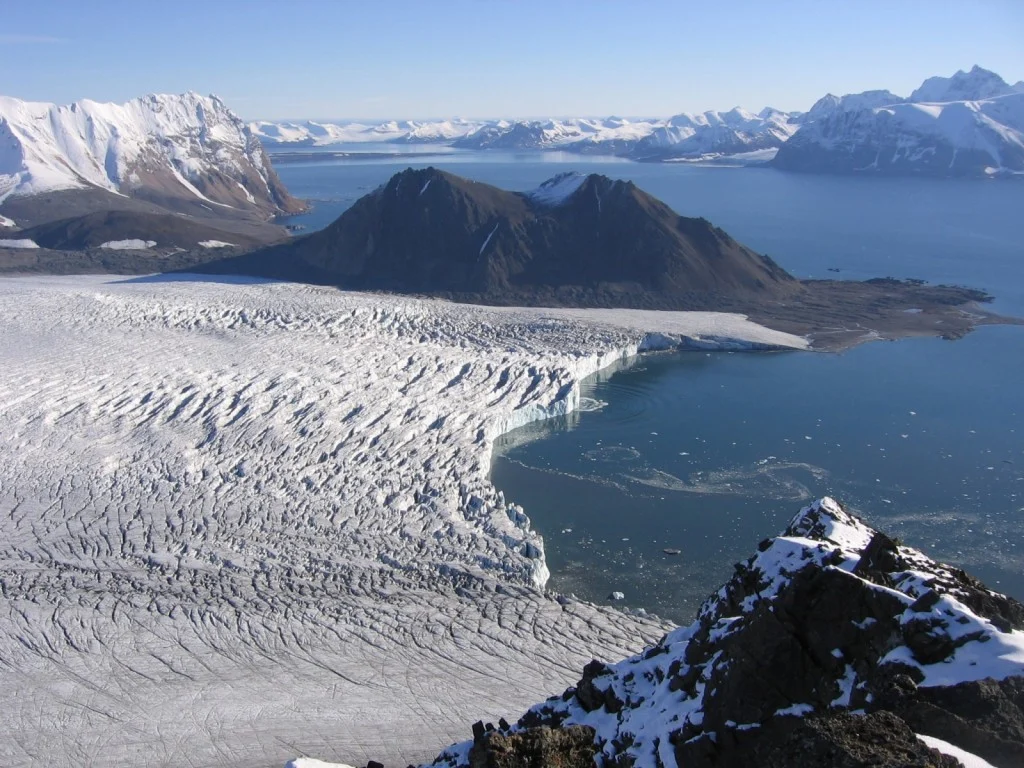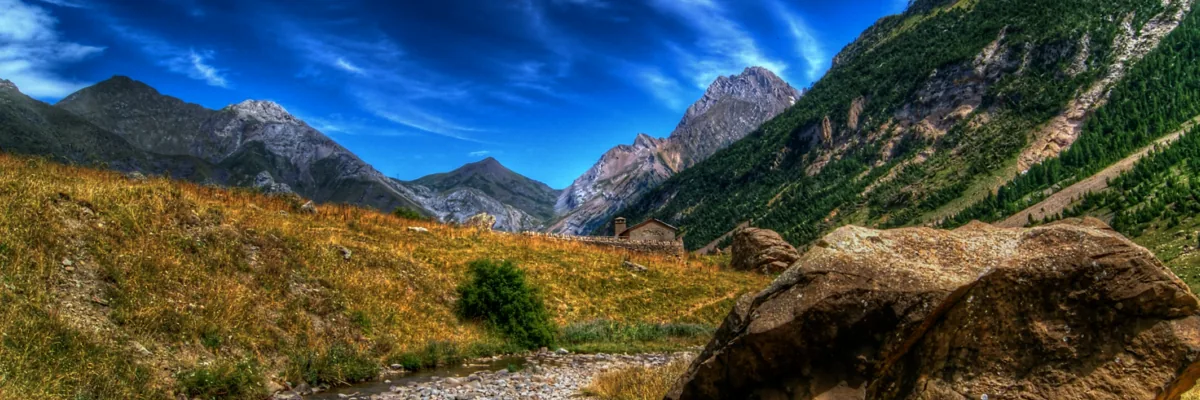
The Svalbard archipelago is considered to be one of the best places to study the geological history of the Earth because its rocks represent every geological period. This image shows a view from the peak of Fugleberget (569 m a. s. l.; 77º 00’ N, 15º 30’ E) on the south-western coast of the island …[Read More]
Latest posts
EGU15: Natural Hazards Education, Communications and Science-Policy-Practice Interface
As we approach the EGU General Assembly (12-17th April 2015), we share one particular session of interest with you – focusing on natural hazards education, communications and the interface between science-policy-practice. Please share this image with anybody who may be interested, and submit your ideas/topics/questions for our discussion session online here.
I’m a Geoscientist: Suzanne Hangx – ‘Subsurface’ Officer
It’s I’m a Geoscientist week! Or more exactly: weeks. From March 9 until March 20, the EGU supports I’m a Geoscientist to help students engage with scientists about real science. The Energy, Resources and Environment Division of the European Geosciences Union encompasses a broad range of different ERE-related topics, from surface to subsurface, spanning all …[Read More]
I’m a Geoscientist: Viktor Bruckman – ‘Above Ground’ Officer
It’s I’m a Geoscientist week! Or more exactly: weeks. From March 9 until March 20, the EGU supports I’m a Geoscientist to help students engage with scientists about real science. The Energy, Resources and Environment Division of the European Geosciences Union encompasses a broad range of different ERE-related topics, from surface to subsurface, spanning all …[Read More]
Do Beers Go Stale in the Arctic? – Jakob Sievers
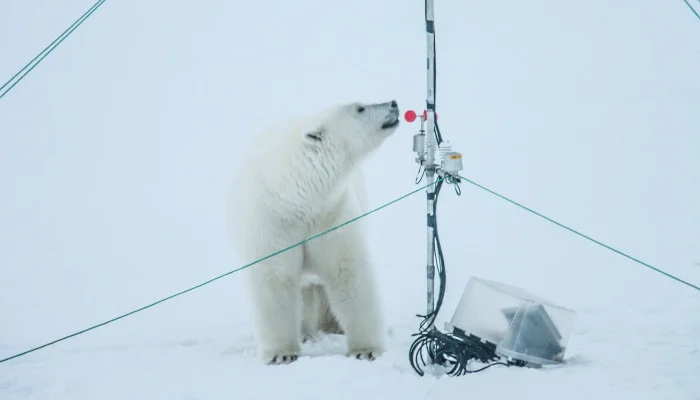
A story about CO2 -fluxes between sea-ice and the atmosphere What’s it all about? Whenever I have had to describe my PhD research project to people outside of my research community, I have always found it useful to use an analogy most people are familiar with, namely beers. Now that I have the full attention …[Read More]
HFA2: News, Blogs and Resources
From 14-18th March, disaster professionals, politicians and other stakeholders will be gathering in Sendai (Japan) at the UN World Conference on Disaster Risk Reduction (WCDRR). The aim of the meeting will be to agree upon the final text to replace the Hyogo Framework for Action, the UN guidelines for action on disaster risk reduction and strengthening …[Read More]
EGU 2015: Getting to Vienna, getting to sleep and getting to know the city
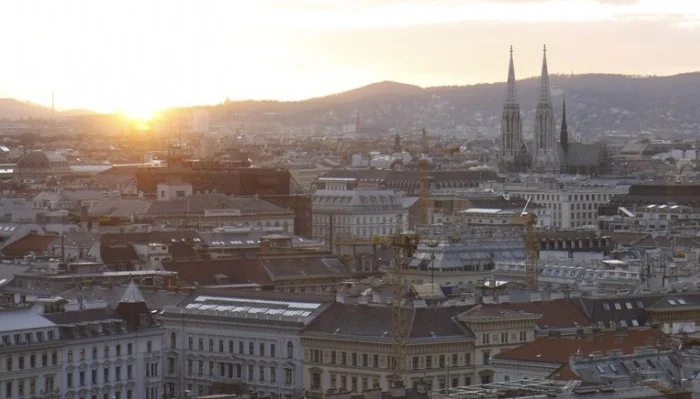
With the conference only a month away here is a brief, and by no means comprehensive, introduction of how to get to Vienna and what to do when you’re there! Getting here Vienna’s International Airport is served by many of the major European airlines. If you would like to consider overland you’ll find more information on the General …[Read More]
I’m a Geoscientist: Michael Kühn – Deputy President
It’s I’m a Geoscientist week! Or more exactly: weeks. From March 9 until March 20, the EGU supports I’m a Geoscientist to help students engage with scientists about real science. The Energy, Resources and Environment Division of the European Geosciences Union encompasses a broad range of different ERE-related topics, from surface to subsurface, spanning all …[Read More]
Soil science, food production and hunger in Africa
A child dies from malnutrition or related causes every five seconds. Every child who dies from hunger is assassinated. And we have a herd of market traders, speculators and financial bandits who have turned wild and constructed a world of inequality and horror. We have to put a stop to this. Jean Ziegler Soil as a …[Read More]
Only extremes – Babis Charalampidis
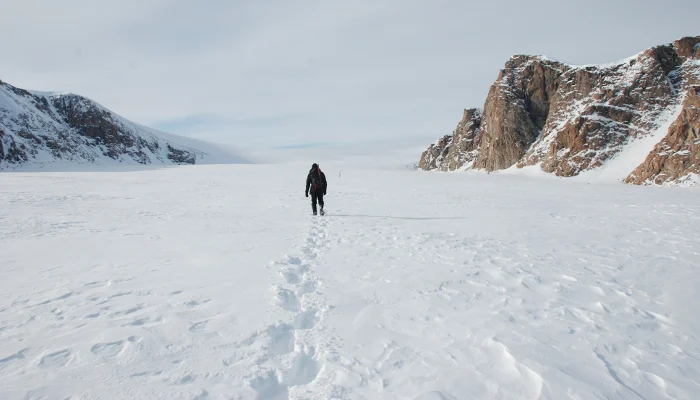
– In fieldwork, you have no average. You just have extremes. When Daniel spoke his mind out loud we were facing a bright sunny day coming in from the opening of our tent. We were very glad to see that and ready to engage with our glaciological tasks. Our camp site was at the immediate …[Read More]