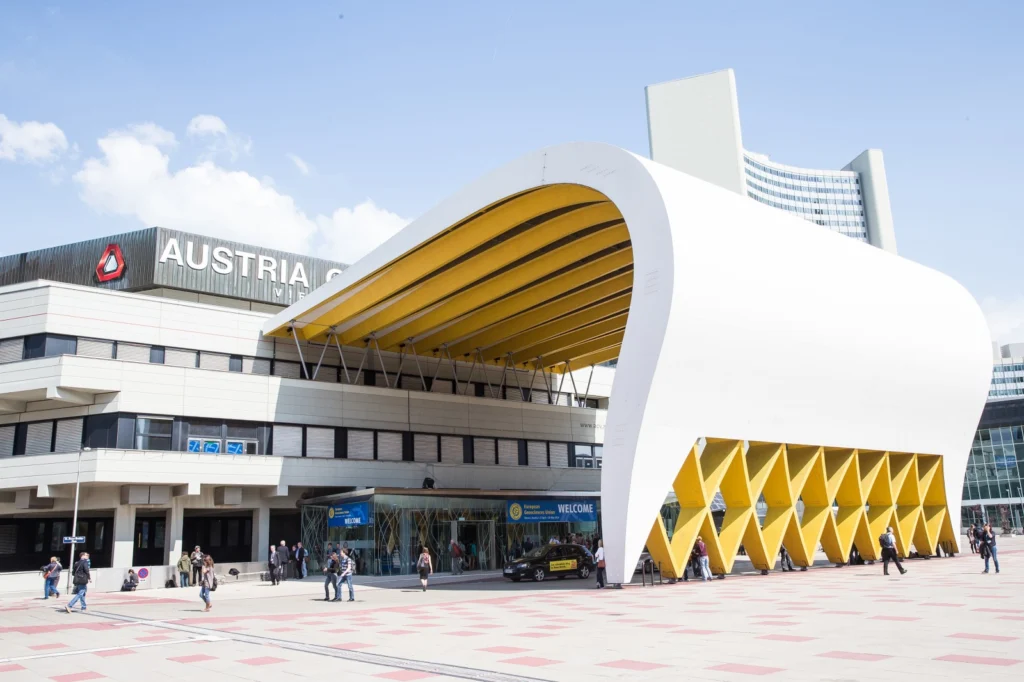
In addition to the wealth of scientific sessions at the General Assembly (17–22 April 2016), there is also the option to attend other meetings during EGU 2016. These include Townhall and Splinter Meetings, which are organised by conference participants. Splinter Meetings Splinter Meetings can also be organised by participants during the course of the conference …[Read More]
Latest posts
Image of the Week — slush on top of sea ice
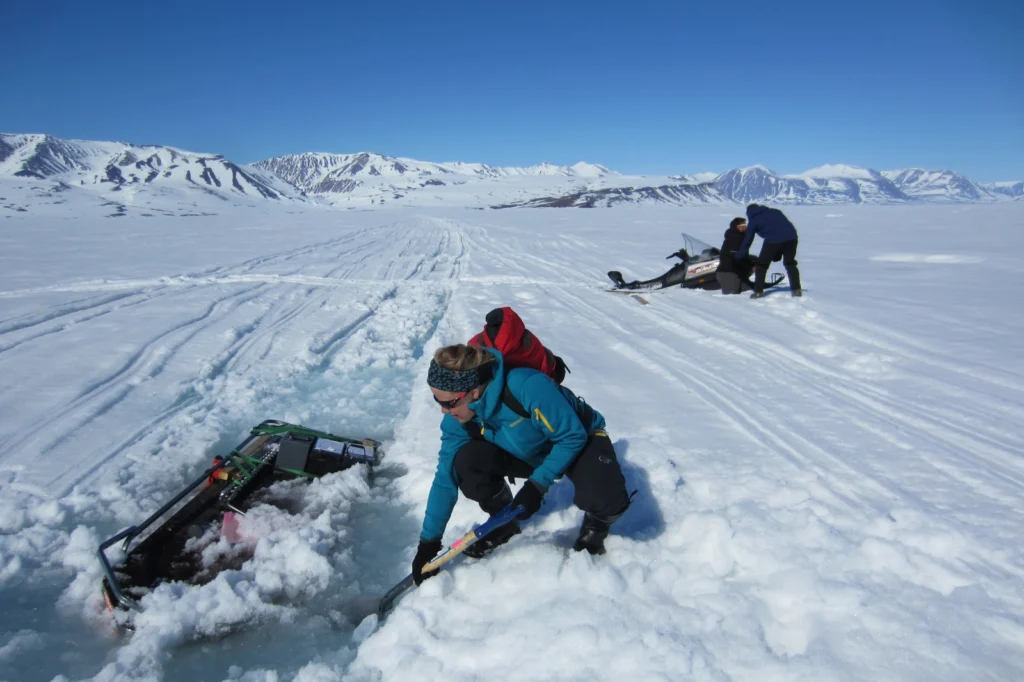
Many glaciologists look forward to going on fieldtrips and then, once they are back, they make us dream by posting breathtaking photos (like THIS or THIS or THIS). However, the reality of the field can sometimes be very different…. The picture illustrates how difficult it can be to work on sea ice when the snow on …[Read More]
Sky-scraping Biogeoscience at 325m above the Amazonian rainforest
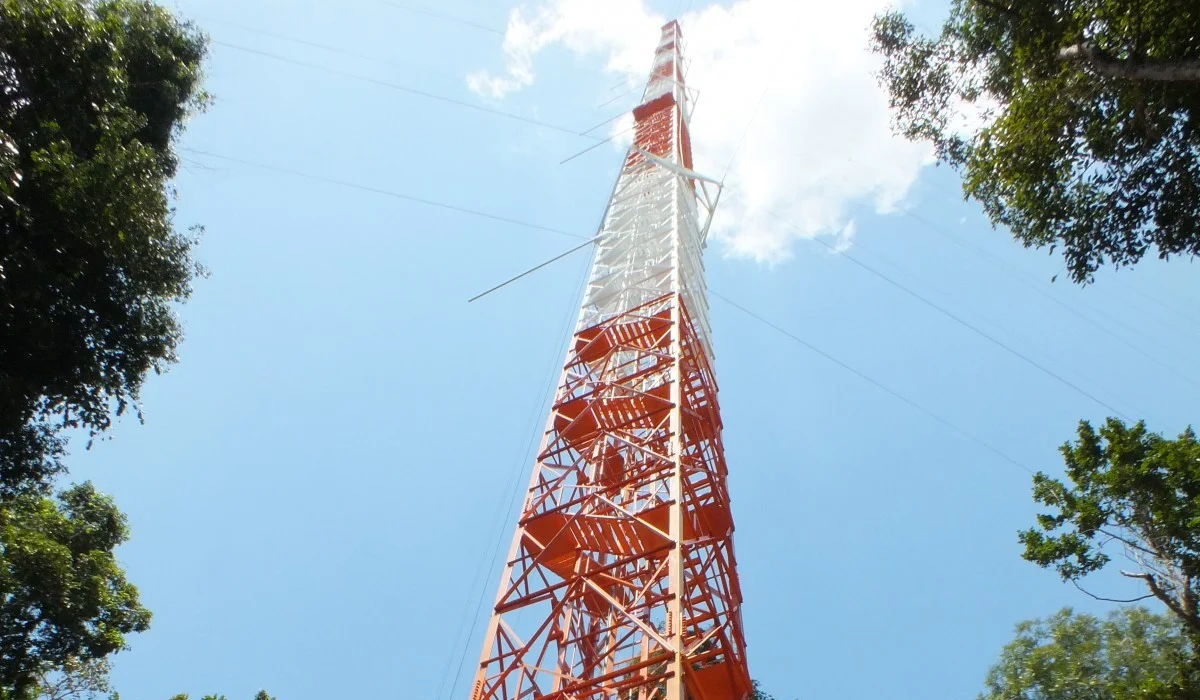
“The outcome of this project will help us to understand the Amazonian forest system before we all destroy it completely” The Amazon Rainforest in South America represents the Earth´s largest rainforest, housing at least 10% of the world´s known biodiversity and consisting of more than 350 billion individual trees. Besides its large diversity in floral …[Read More]
Nature Geoscience digging into water underground this month!
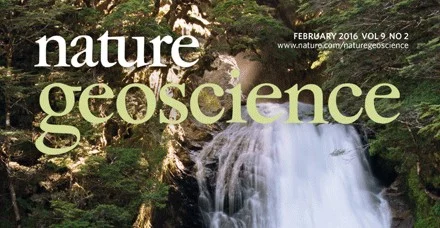
Nature Geoscience is digging hard into water underground – the February issue is part of a special focus on groundwater. The cover this month is a gorgeous (groundwater-filled?) waterfall by Glen Jasechko, Scott’s brother. The groundwater focus includes: commentary on drought in the Anthropocene, led by Anne van Loon news and views pieces by Ying …[Read More]
Soil science and policy challenges
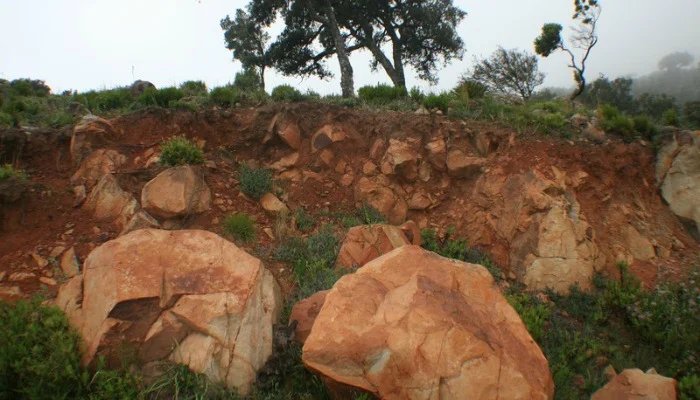
Sarah Connors, EGU Science Policy Fellow Antonio Jordán, University of Seville Soil is often considered as the skin of the Earth and is located at the interface between the lithosphere, hydrosphere, atmosphere and biosphere. Soil is the physical and nutritional support for living organisms in emerged areas.
What is in your field rucksack? A trip to Chilean Patagonia
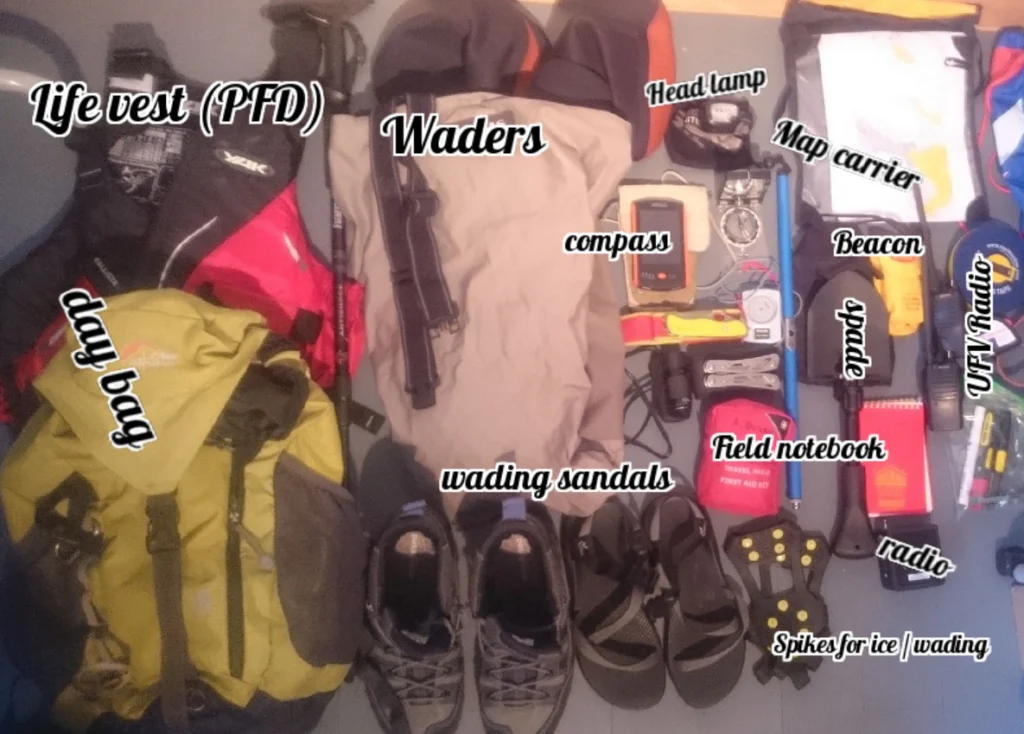
Inspired by a post on Lifehacker on what your average geologist carries in their rucksack/backpack, we’ve put together a few blog posts showcasing what a range of our EGU members carry in their bags whilst in the field! Of course, fieldwork in Northern Europe vs. research in Australia is very different, think only of the …[Read More]
Imaggeo on Mondays: Emerald Moss
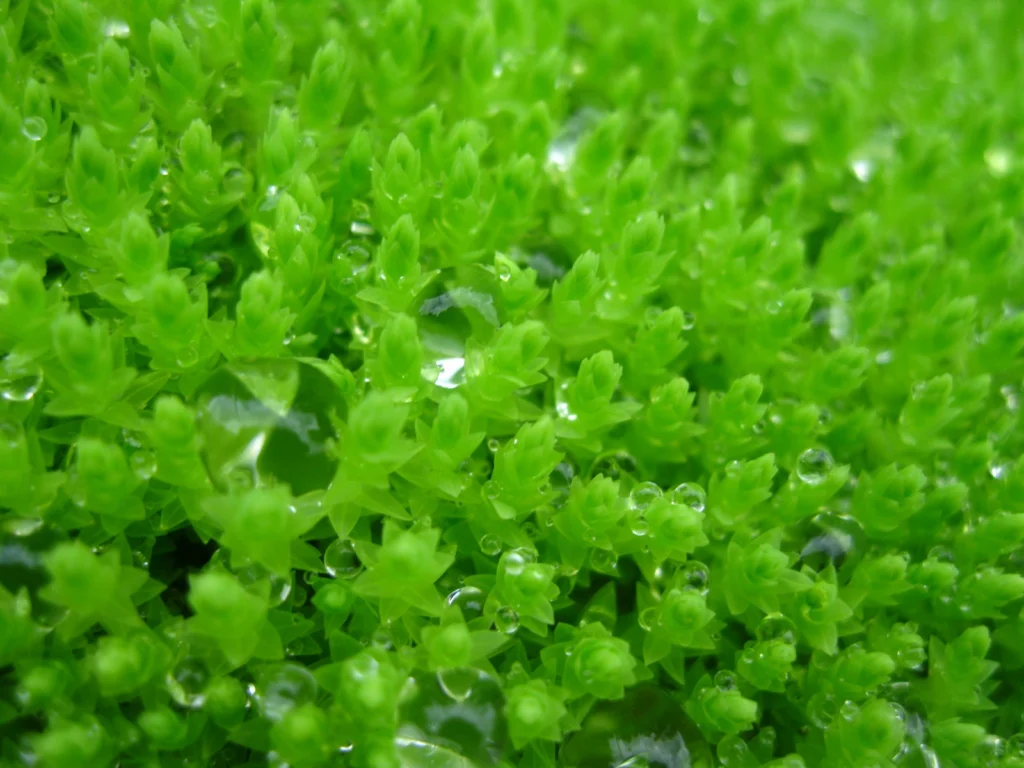
The high peaks of the Tien Shan Range, one of the biggest and largest mountain ranges of Central Asia, conjure up images of snowcapped peaks, rugged terrains and inhospitable conditions. Yet, if you are prepared to look a little further, the foothills of these towering peaks are a safe haven for life. Bulat Zubairov, a …[Read More]
10 minute interview: Louise Hawkins at AGU 2015
It’s been a shamefully long time since I last posted, or carried out a 10 minute interview, for the blog. What better place to find willing recruits and interesting research to showcase than the largest annual gathering of geoscientists: the American Geophysical Union (AGU) Fall Meeting? For those of you who’ve been before, there is …[Read More]
GeoEd: For the best hands-on outreach experiences, just provide opportunities for playing!
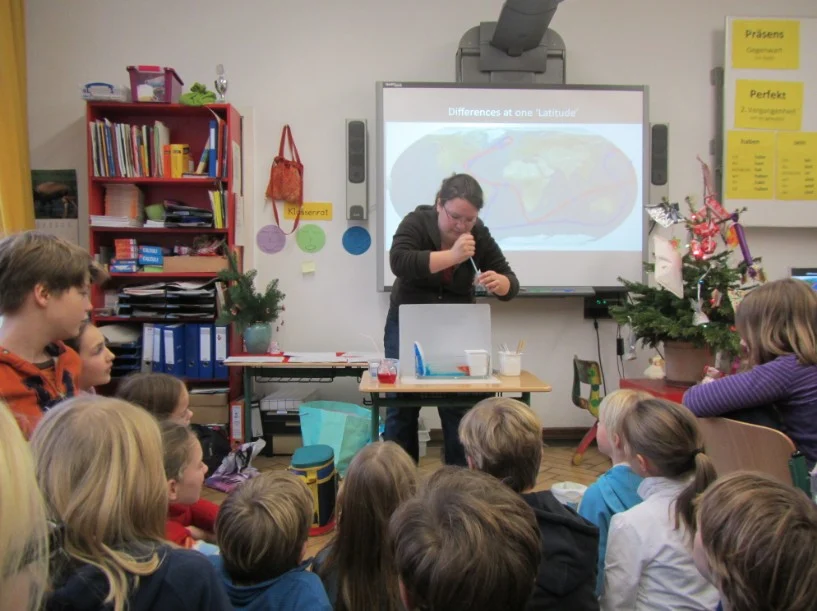
This month’s GeoEd post is brought to you by Dr. Mirjam S. Glessmer. Mirjam, is a physical oceanographer and now works as Coordinator of Teaching Innovation at Hamburg University of Technology. Mirjam blogs about her “Adventures in Teaching and Oceanography” and tweets as @meermini. Get in touch if you are interested in talking about teaching …[Read More]
Image of the Week: Icequakes! Stick-Slip motion under Western Greenland
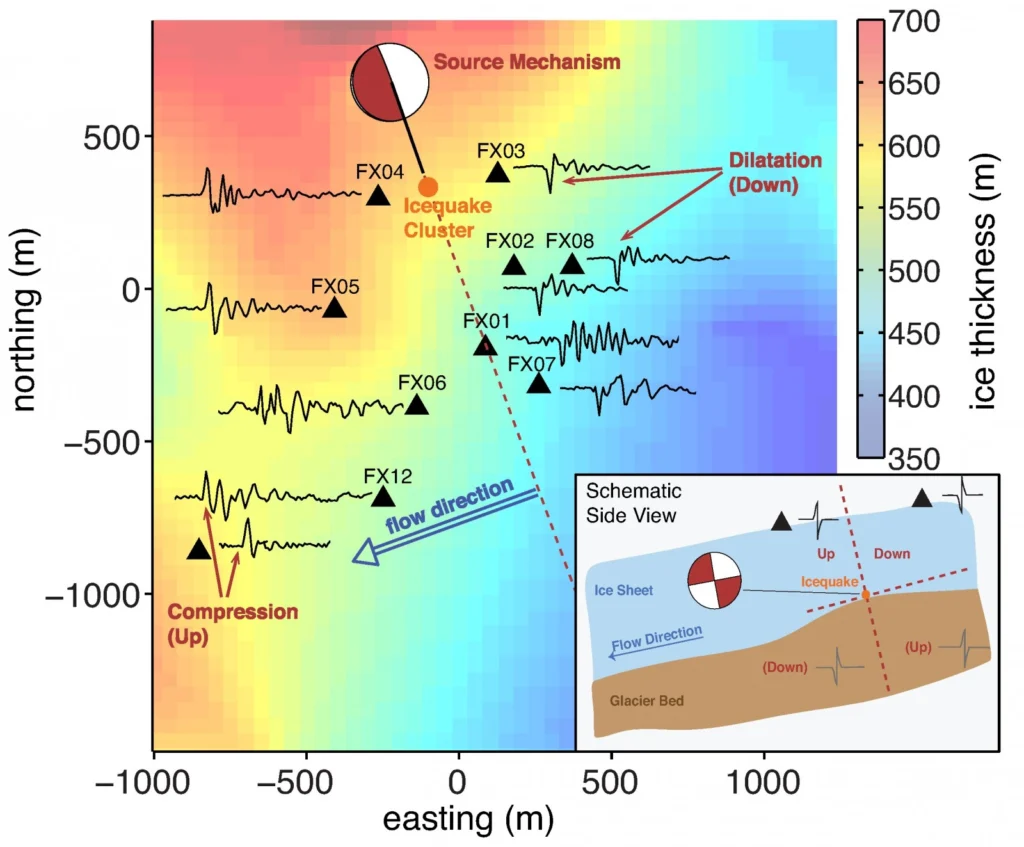
The Greenland Ice Sheet contains enough fresh water to raise global sea level by around 6 m, therefore it is very important to understand how the ice moves from the interior of the ice sheet towards the oceans. Processes that happen at the base of the ice sheet, where the ice meets the bed, are …[Read More]