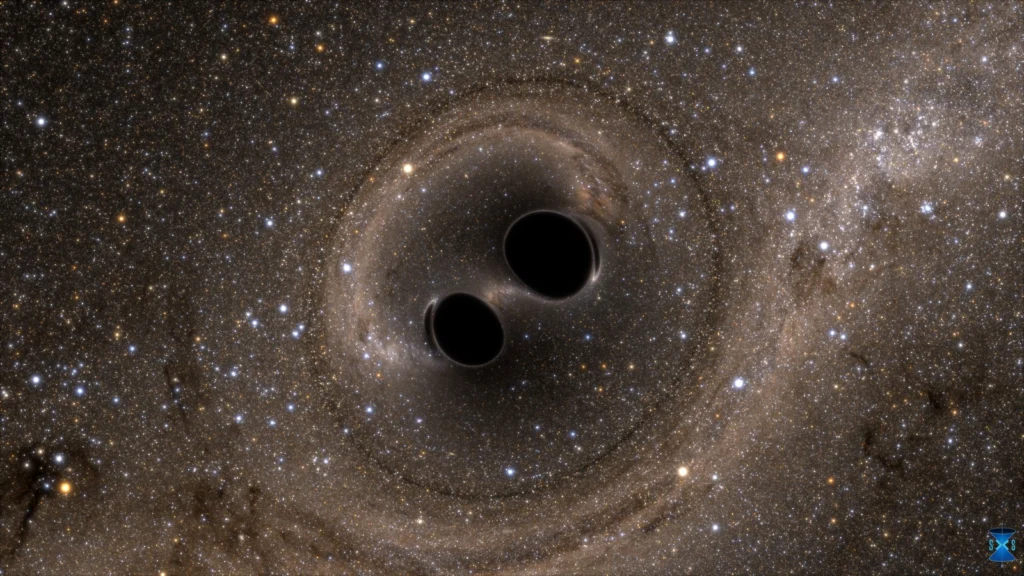
I bet you were every bit as excited as me about the recent announcement of the detection of gravitational waves at two locations of the Laser Interferometer Gravitational-Wave Observatory LIGO*. These waves were sent out to space-time by the merger of two black holes. Call me a nerd, but after reading the news I soon started …[Read More]
Latest posts
GeoTalk: Fishing meets science with waders and smartphones
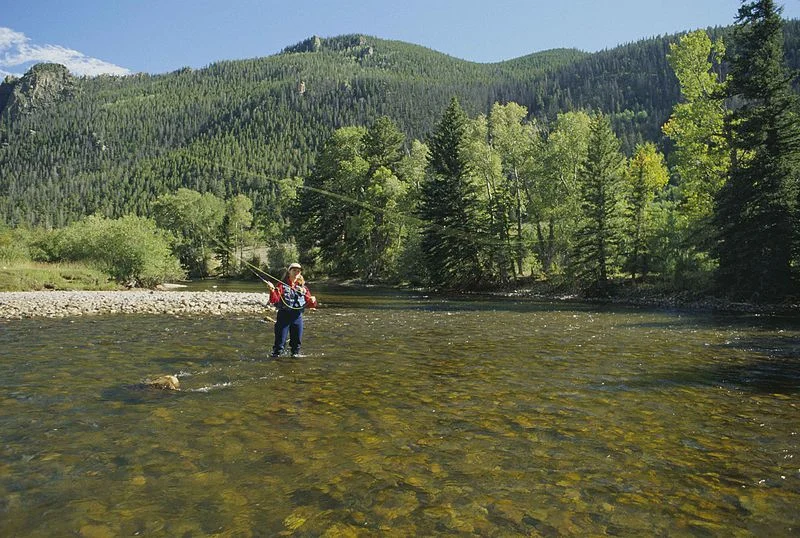
Dutch and American researchers have developed waders equipped with temperature sensors that enable fly-fishers to find the best fishing locations while collecting data to help scientists study streams. The research is published today (29 February) in Geoscientific Instrumentation Methods and Data Systems (GI), an open access journal of the European Geosciences Union. In this GeoTalk …[Read More]
Announcement: Seismology Workshop at EGU General Assembly
Title: The Art of Science Time: Thursday, April 21, 2016; 13:30 – 15:00 Location: EGU conference center, Room -2.61 or -2.85 (in the basement) Description: This is a workshop for professionals wishing to perfect the practical skills needed for a successful research career. In the workshop we will choose topics from the following list: choosing …[Read More]
Imaggeo on Mondays: Fire Watch Constellation
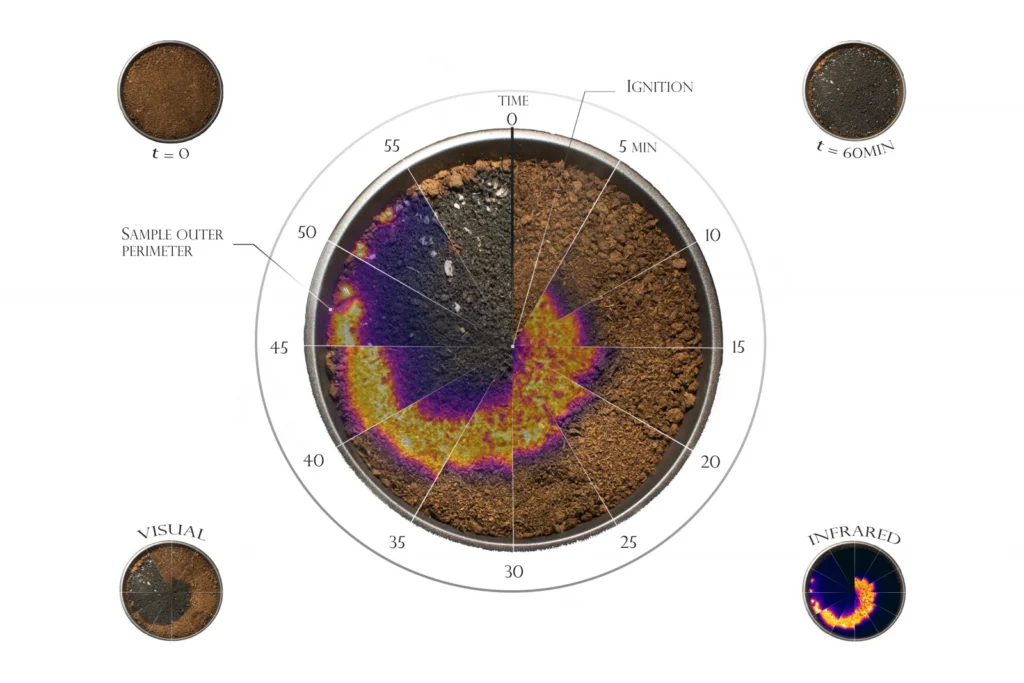
Wild fires: raging walls of flames, capable of burning down swathes of pristine, sometimes protected and ancient, landscapes have been causing havoc around the globe. Managing and controlling them is no easy task; they can unexpectedly change their course with the wind and jump across rivers, roads and man-made fire breaks. The significant threat they …[Read More]
GeoEd: One example of how playing works in outreach activities!
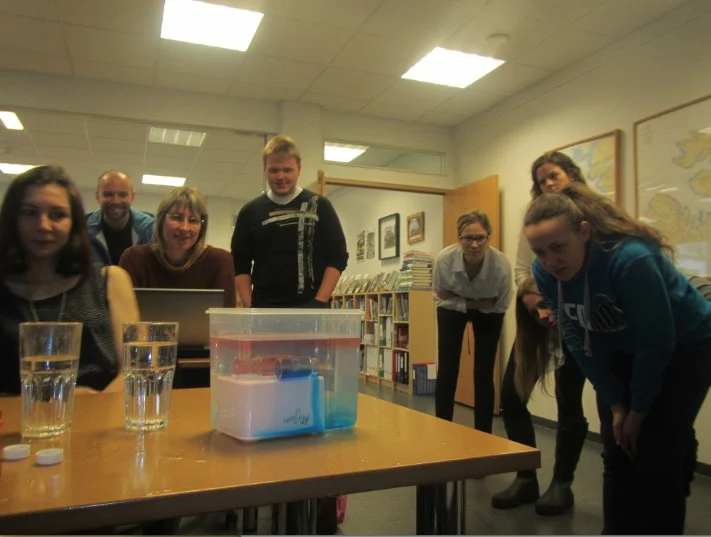
This month’s GeoEd post is brought to you by Dr. Mirjam S. Glessmer. Mirjam, is a physical oceanographer and now works as Coordinator of Teaching Innovation at Hamburg University of Technology. Mirjam blogs about her “Adventures in Teaching and Oceanography” and tweets as @meermini. Get in touch if you are interested in talking about teaching …[Read More]
Why I think the Jurassic/Cretaceous boundary is super important
This was originally posted here. Mass extinctions are insanely catastrophic, but important, events that punctuate the history of life on Earth. The Jurassic/Cretaceous boundary, around 145 million years ago, was originally thought of to represent a mass extinction, but has subsequently been ‘down-graded’ to a minor extinction event based on new discoveries. However, compared to …[Read More]
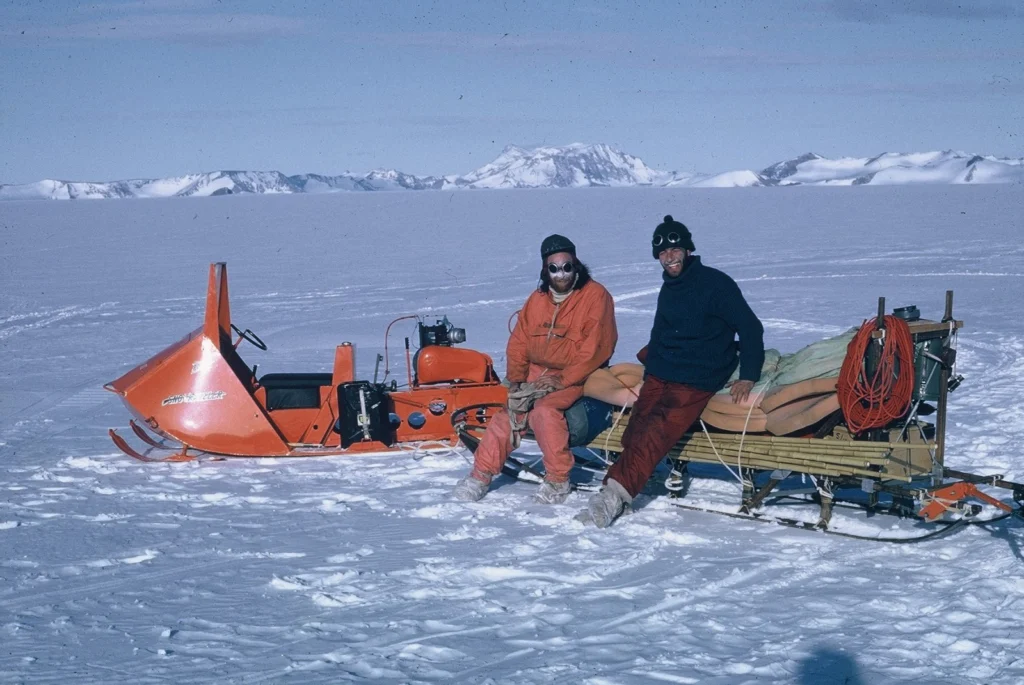
Image of the Week – Antarctic fieldwork 50 years ago!
So far this blog has published many pictures of current polar field work campaigns. Today, we would like to take you back to Antarctic expeditions during the 1960s. The photos presented in this post date back from the Belgian-Dutch Antarctic field campaigns of 1964-1966. The first picture shows Ken Blaiklock (red overalls) with a Belgian surveyor. …[Read More]
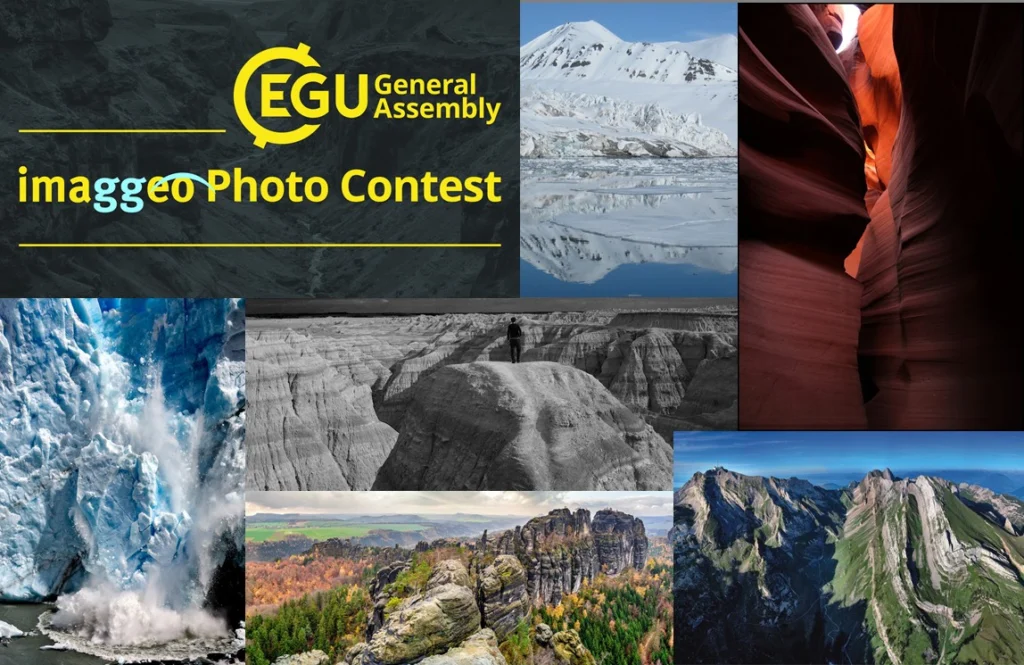
Last chance to enter the EGU Photo Contest 2016!
If you are pre-registered for the 2016 General Assembly (Vienna, 17 -22 April), you can take part in our annual photo competition! Winners receive a free registration to next year’s General Assembly! But hurry, there are only a few days left to enter! Every year we hold a photo competition and exhibit in association with our …[Read More]
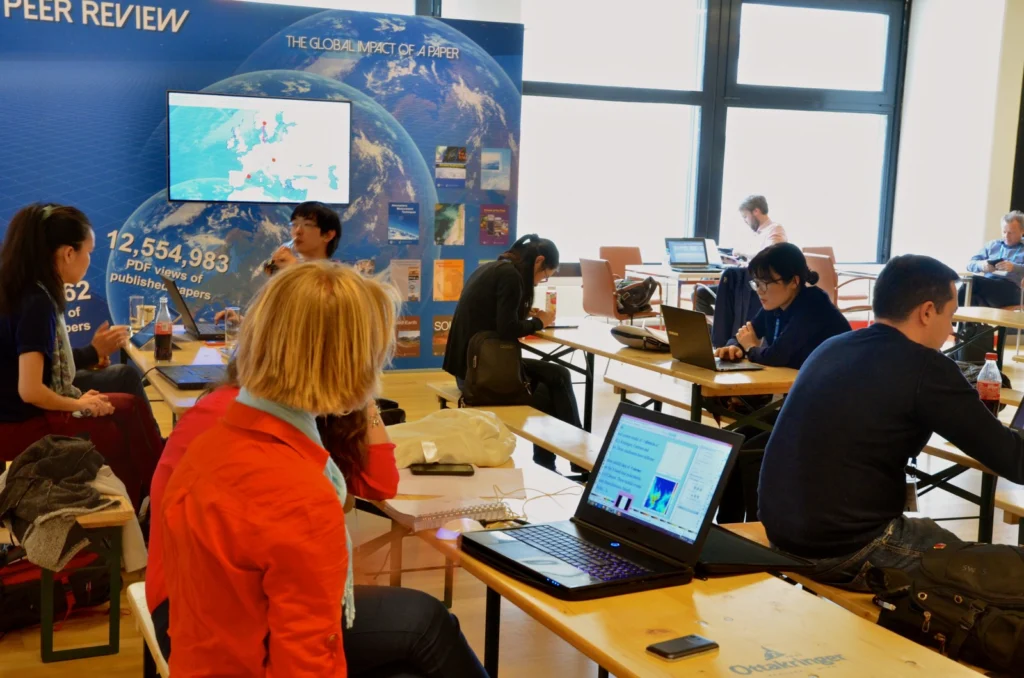
Science communication opportunity at the EGU General Assembly: be a student reporter
For the first time at the 2016 General Assembly, which is taking place in Vienna, Austria, from 17–22 April, we will be implementing a Student Reporter Programme. A team of volunteer early career researchers will report, via the Union’s social media outlets and blogs, on the findings presented at scientific sessions and press conferences during …[Read More]
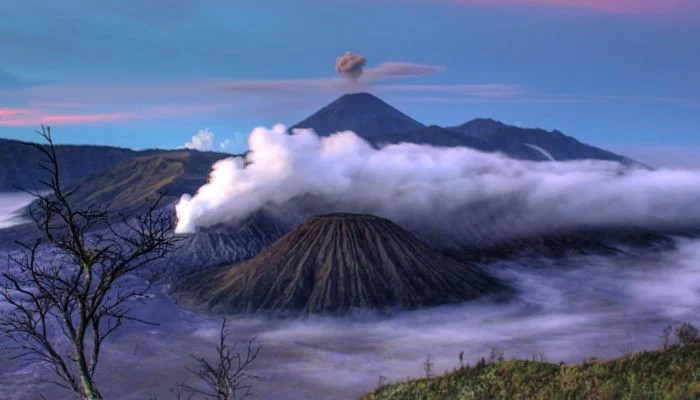
How does weather affect volcanoes?
I was taking a plane trip home recently. To kill the time I got talking with the person sitting next to me and naturally one of their first questions was to ask me what I did for a living. To avoid a complicated discussion about the nuances of my research I summarised – ‘I am …[Read More]