
The winter 2016-2017 has been one of the hottest on record in the Arctic. In our Image of the Week, you can see that air temperatures were positive in the middle of the winter! Let’s talk about the reasons and implications of this warm Arctic winter. But first, let’s take a tour in Svalbard, …[Read More]
Latest posts
GeoTalk: The life and death of an ocean – is the Atlantic Ocean on its way to closing?
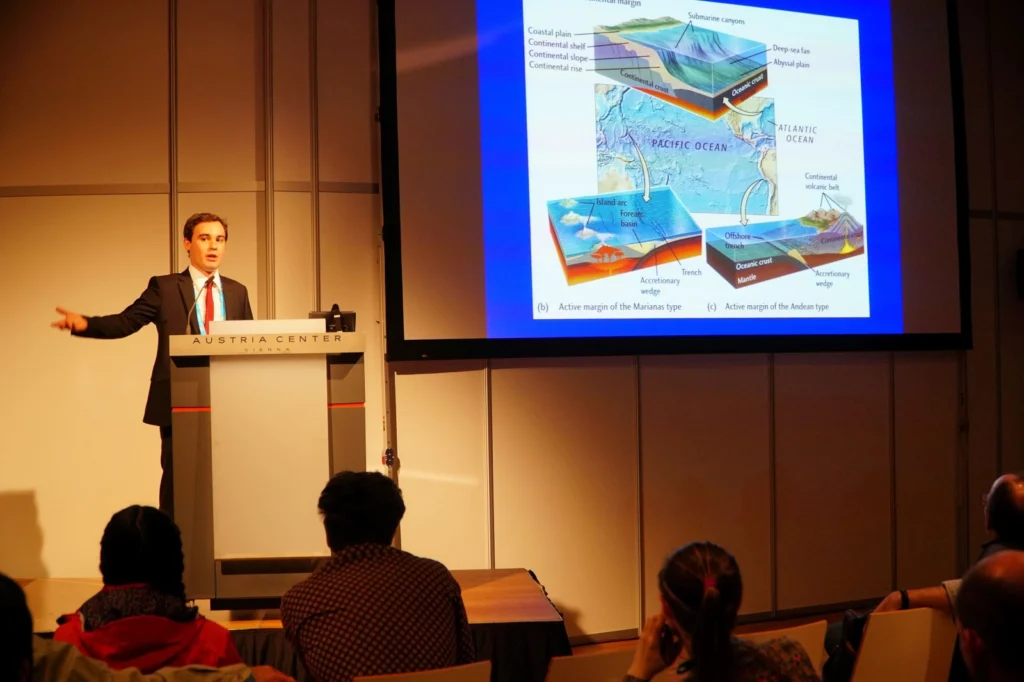
Geotalk is a regular feature highlighting early career researchers and their work. Following the EGU General Assembly, we spoke to João Duarte, the winner of a 2017 Arne Richter Award for Outstanding Early Career Scientists. João is a pioneer in his field. He has innovatively combined tectonic, marine geology and analogue modelling techniques to further …[Read More]
Light years from home – a geologist’s tale
In a departure from the usual posts we feature on the blog, today Conor Purcell (a freelance science writer) brings you a thought provoking science fiction piece. Grab a drink and dive into this geology inspired adventure! “It’s typical geology for a rocky planet” K reported. “Captured beneath the ocean at its northern pole, the …[Read More]
Imaggeo on Mondays: Airplane views of the Alps
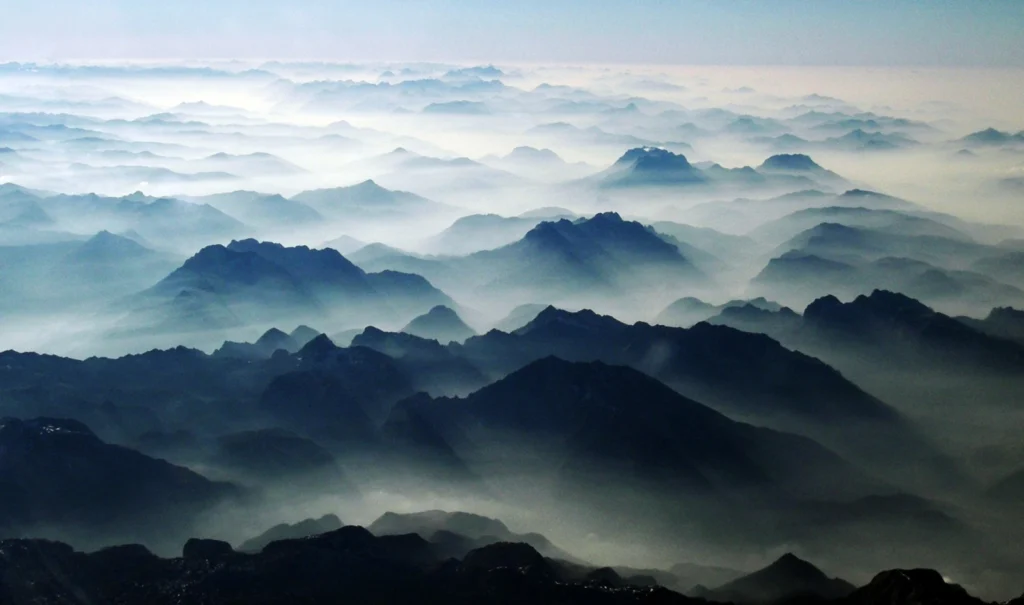
The forward scattering of sunlight, which is caused by a large number of aerosol particles (moist haze) in Alpine valleys, gives the mountain massifs a rather plastic appearance. The hazy area in the foreground lies above the Koenigsee lake; behind it the Watzmann, Hochkalter, Loferer Steinberge and Wilder Kaiser massifs loom up behind one other …[Read More]
Features from the field: Folding
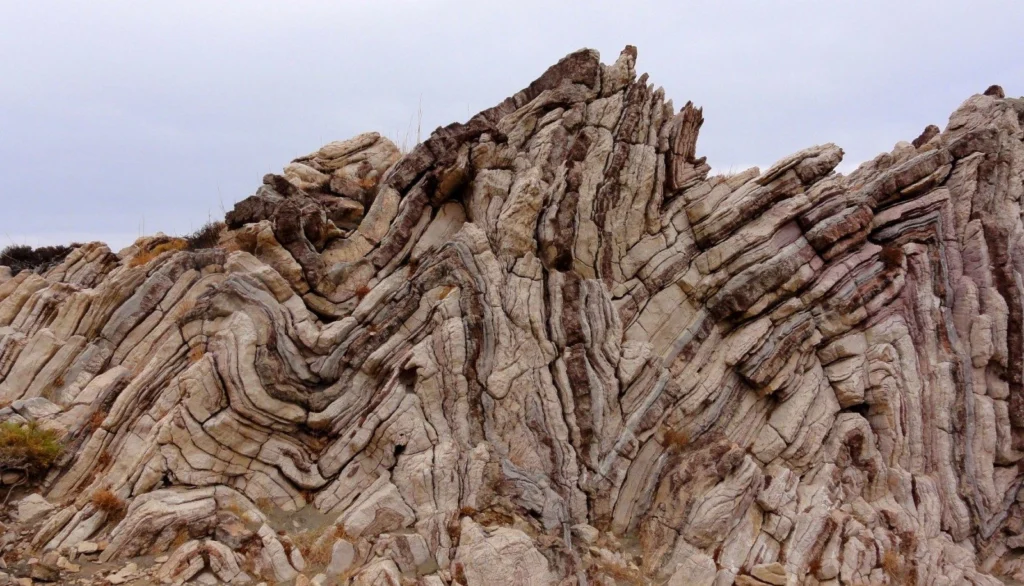
Folding is one of the most common geologic phenomena in the world. I should start with defining the term ‘deformation’ in order to understand the folding process better. In geology, deformation is an alteration of the size or shape of rocks. Deformation is caused by stress, the scientific term for force applied to a certain …[Read More]
How prehistoric water pit stops may have driven human evolution
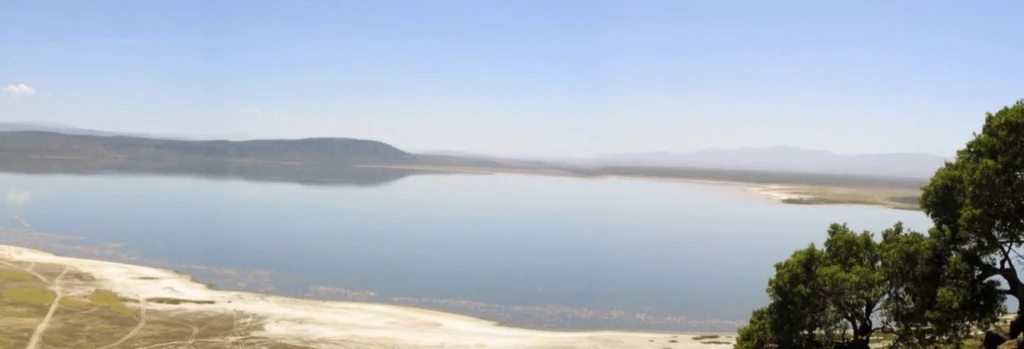
Post by Matthew Robert Bennett, Bournemouth University and Mark O Cuthbert, Cardiff University Our ancient ancestors seem to have survived some pretty harsh arid spells in East Africa’s Rift Valley over five million years. Quite how they kept going has long been a mystery, given the lack of water to drink. Now, new research shows …[Read More]
Image of the Week – When the dirty cryosphere destabilizes!
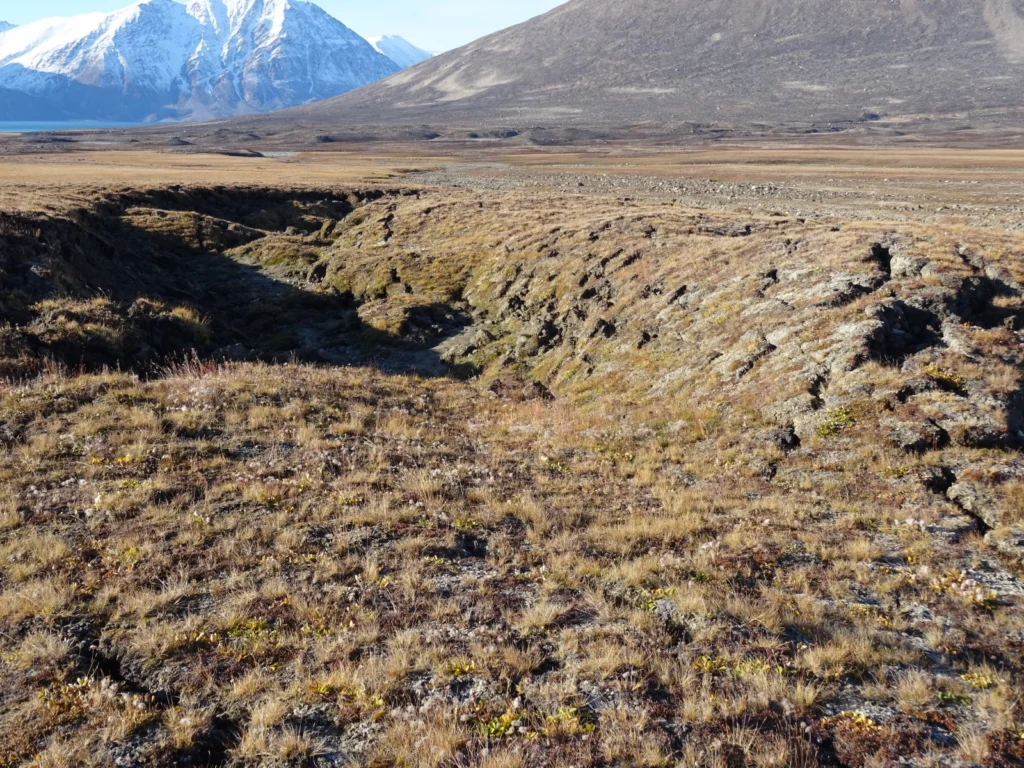
Ice is usually something you see covering large ocean areas, mountain tops and passes or as huge sheets in polar regions. This type of ice is clearly visible from space or with the naked eye. There is, however, a large volume of ice that is less visible. This ice is distributed over the polar and …[Read More]
Cartooning science at EGU 2017 with Matthew Partridge (a.k.a Errant Science)
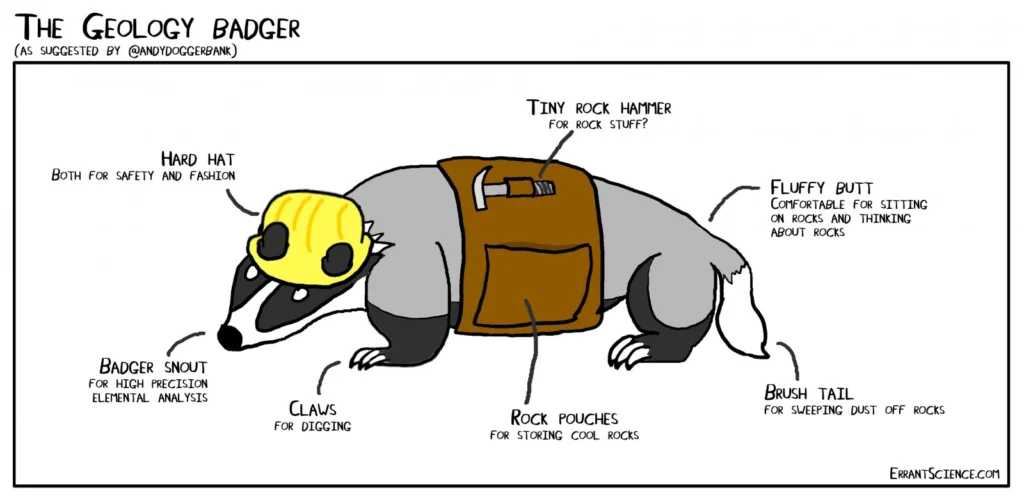
Most researchers are regular conference-goers. Tell a geoscientist you are attending the EGU General Assembly and they will most likely picture rooms full of people listening to a miriad of talks, many an hour chatting to colleagues old and new and you desperately trying to find your way around the maze that is the Austria …[Read More]
June 2017 Newsletter
The blog will now also host a newsletter specially dedicated to Early Career Scientists of the Atmospheric Sciences Divisions. ECS – AS News – Issue 1 – June 2017 FROM THE PRESIDENT Dear Early Career Atmospheric Scientists, I hope that you by now have digested all the excellent science and events that took place during …[Read More]
The art of turning climate change science to a crochet blanket
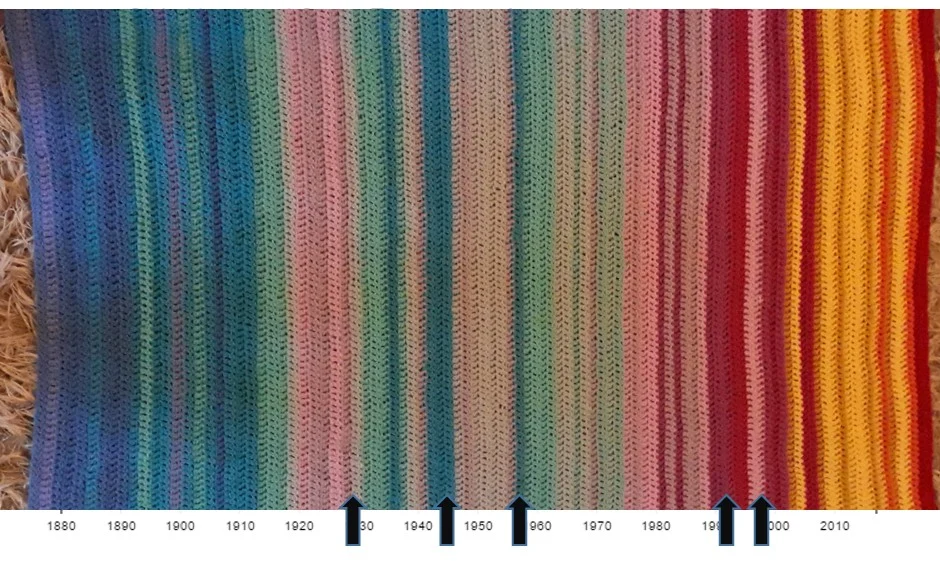
We welcome a new guest post from Prof. Ellie Highwood on why she made a global warming blanket and how you could the same! What do you get when you cross crochet and climate science? A lot of attention on Twitter. At the weekend I like to crochet. Last weekend I finished my latest project …[Read More]