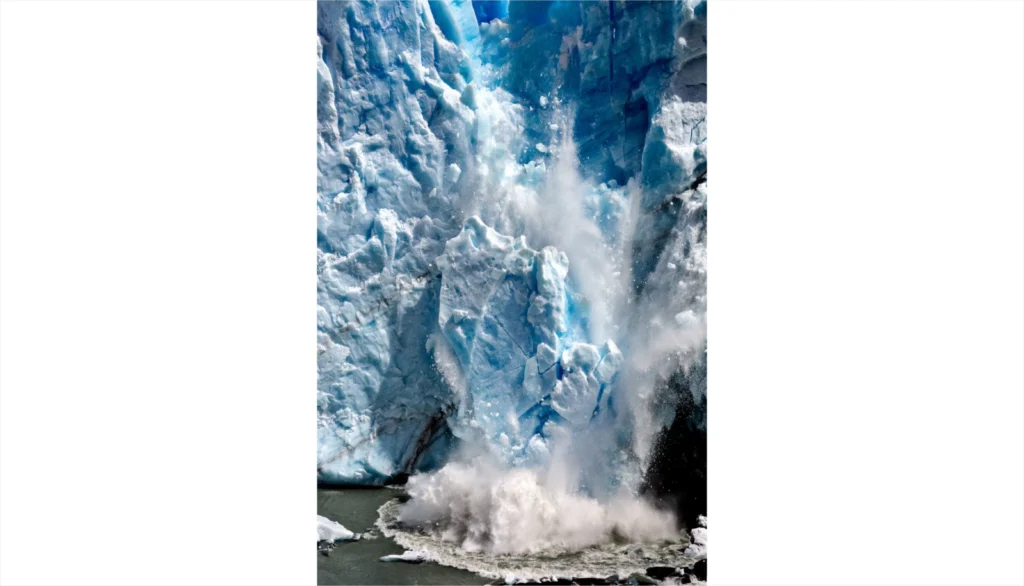
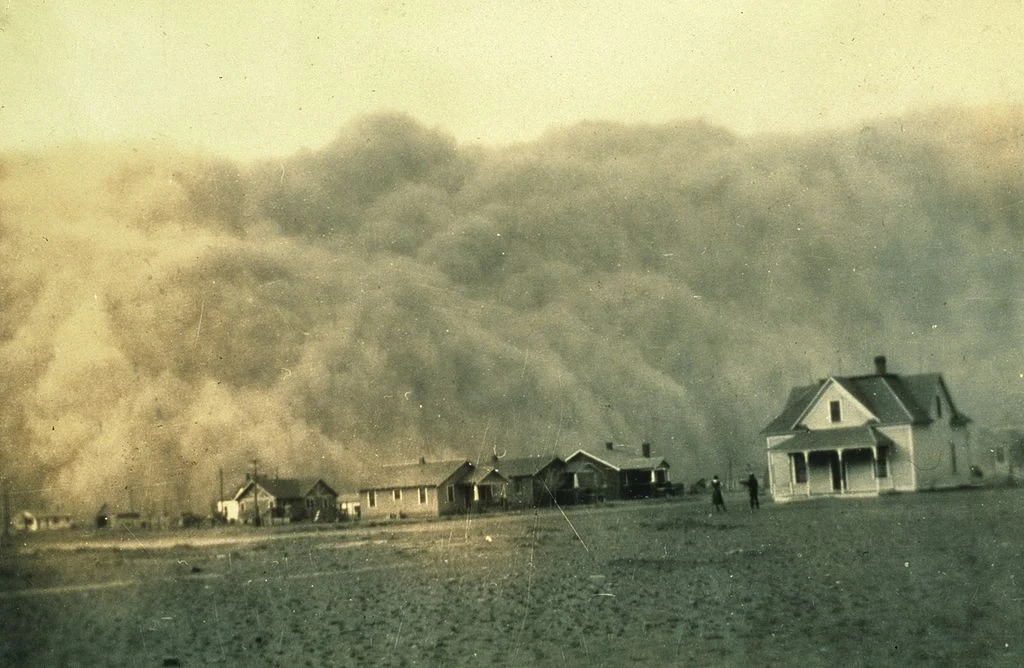
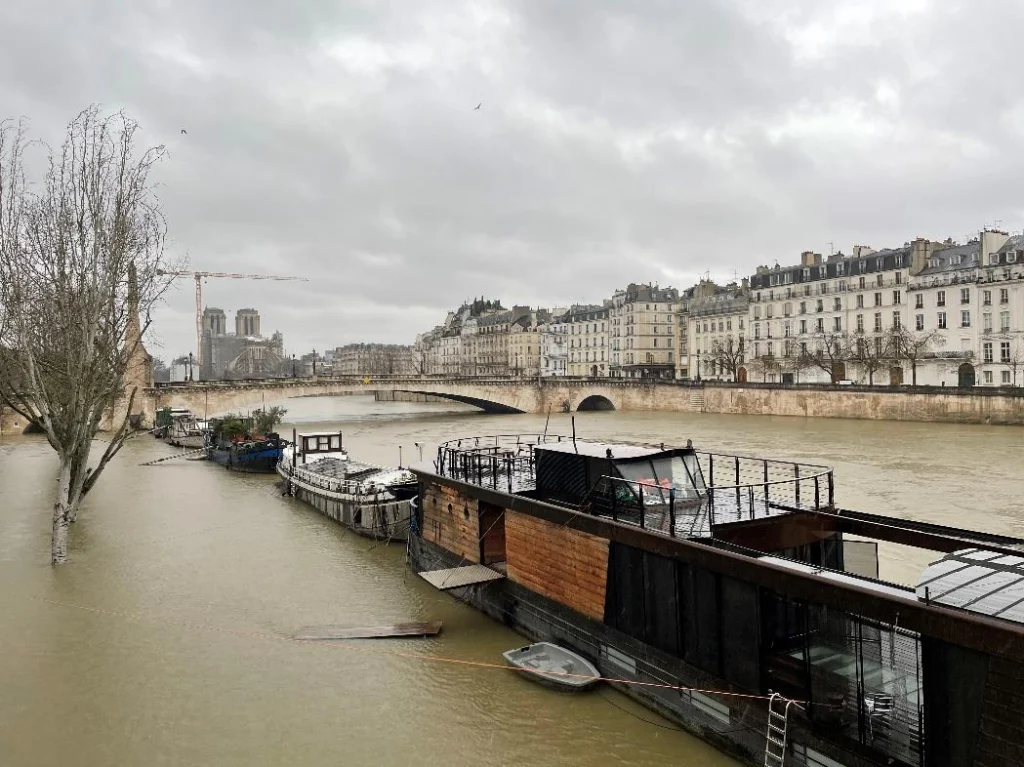
Water is the essence of the career of many researchers working in hydrology across the five systems of Earth (geosphere, biosphere, cryosphere, hydrosphere, and atmosphere). When you step into a ‘career journey’ in hydrological sciences, you just love water and anything related to it. It can range from analysing water samples from headwater catchments in …[Read More]
Latest posts
What is the Imposter Phenomenon and what can we do about it?
“What am I doing here?”, “Am I really good enough for this job?”, or “I was lucky this time” are thoughts that have probably crossed the minds of most of the readers here at least at some point in their careers. Even though a healthy level of self-doubt is normal for everyone, these thoughts and …[Read More]
Imaggeo On Monday: the EGU Photo Competition – capture a moment in time.
In 2010 EGU held our first annual Photo Competition at the General Assembly in Vienna. Since then hundreds of photos have been shared on imaggeo by geoscientists and researchers just like you, with a lucky few being selected each year to be highlighted during the meeting and voted on by our members. These images …[Read More]
Life with dust: its impacts and how to catch it
In today’s interview, we have the pleasure to meet Dr Slobodan Nickovic, who won the prestigious 2022 Plinius Medal. Slobodan is a research consultant at the Republic Hydrometeorological Service of Serbia, and at the Institute of Physics in Belgrade, Serbia. Throughout his career, he worked for national and international educational, scientific, and operational institutions including …[Read More]
[EGU 2022] International Tracing Day – UniVienna – Sunday 22 May
Dear experts of sediment tracing, In addition to the tracing session that will be held during EGU on Monday 23 May in Vienna (in hybrid mode), together with Olivier Evrard (Univ. Paris-Saclay, in copy), we organise an additional International Tracing Day at the Univ. of Vienna on Sunday 22 May (just before EGU starts). After …[Read More]
TS Must-Read – Cowie (1998) A healing-reloading feedback control on the growth rate of seismogenic faults
This study provides a simple numerical model of fault rupture that describes the development of fault systems from the initial nucleation of numerous small faults to the localisation of deformation into few major faults. The model presented is based on two main considerations: first, earthquakes cause stress changes that can either advance or delay failure …[Read More]
The Sassy Scientist – The Great Wall Of … Silence
Luiza is an active collaborator and wants to share every piece of her progress with her colleagues. However, there are some in her email chain particularly ‘busy’. At the end of her tether, she heaves a sigh: What to do if someone DOESN’T EMAIL BACK? Dear Luiza, Não se atreva tirar o cavalinho da chuva. …[Read More]
How to EGU22: Get creative at the General Assembly with EGUart and more!
At EGU we take our science seriously, but we also value creativity and the role it plays in all aspects of being a researcher, from designing your study to science communication! The upcoming EGU22 General Assembly offers plenty of creativity in every way, shape and form! If you’re keen to indulge your creative side or …[Read More]
OceanTalk with Karen J. Heywood
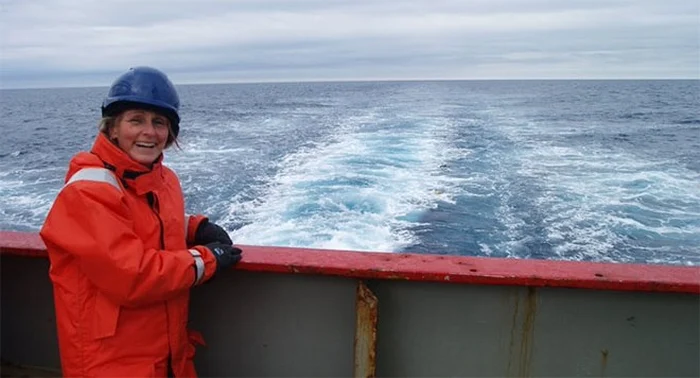
Karen J. Heywood FRS is a Professor of Physical Oceanography at the University of East Anglia, UK. Karen was president of EGU’s Ocean Sciences division from 2016-2021. Can you tell us about your background and career path? I did a physics degree back in the early 1980’s, and then wanted to apply that to something …[Read More]
Icy fieldwork: real or April Fool’s?
Those of us fortunate to participate in cryo-fieldwork are well aware of the unique, hilarious, and sometimes bizarre scenarios that we often find ourselves in. For this year’s April Fool’s Day, the EGU Cryosphere Blog team shares crazy anecdotes, with a catch: one of these stories is fake! Are you able to tell fact from …[Read More]