WaterUnderground

hydrogeology

Everything is connected

Everything is connected

Post by Anne Van Loon, Lecturer in Physical Geography (Water sciences) at the University of Birmingham, in the United Kingdom. __________________________________________________ In recent years the human dimension of hydrology has become increasingly important. Major flood and drought events have shown how strongly water and society are intertwined (see here and here). The hydro(geo)logical research community is increasingly including this human …[Read More]

Humanitarian groundwater projects; notes on motivations from the academic world

Humanitarian groundwater projects; notes on motivations from the academic world

Post by Margaret Shanafield, ARC DECRA Senior Hydrogeology/Hydrology Researcher at Flinders University, in Australia. You can follow Margaret on Twitter at @shanagland. ___________________________________________________________ What led me down the slippery slope into a career in hydrology and then hydrogeology, was a desire to combine my love of traveling with a desire to have a deeper relationship with the …[Read More]

Good groundwater management makes for good neighbors

Good groundwater management makes for good neighbors

Post by Samuel Zipper, postdoctoral fellow at both McGill University and the University of Victoria, in Canada. You can follow Sam on Twitter at @ZipperSam. ___________________________________________________________ Dedicated Water Underground readers know that this blog is not just about water science, but also some of the more cultural impacts of groundwater. Keeping in that tradition, today’s post begins …[Read More]

Of Karst! – short episodes about karst

Of Karst! – short episodes about karst

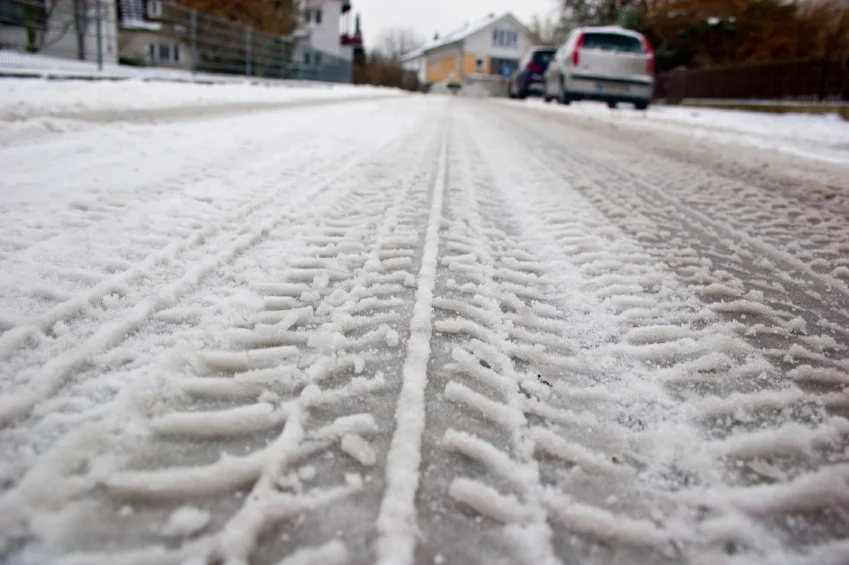
Episode 2: Dissolving rock? (or, how karst evolves). Post by Andreas Hartmann, Lecturer in Hydrology at the University of Freiburg (Universität Freiburg), in Germany. You can follow Andreas on twitter at @sub_heterogenty. Didn’t get to read Episode 1? Click this link here to do so! ___________________________________________________________ In the previous episode, I introduced karst by showing how it …[Read More]

Groundwater & Education – Part One

Groundwater & Education – Part One

Post by Viviana Re, postdoctoral researcher at the University of  Pavia (Università di Pavia), in Italy. You can follow Viviana on Twitter at @biralnas. Part one of a two part series on groundwater and education by Viviana. ___________________________________________________________ Education /ɛdjʊˈkeɪʃ(ə)n The process of receiving or giving systematic instruction, especially at a school or university. from Latin educatio(n-), from the …[Read More]

How did our planet get its water?

How did our planet get its water?

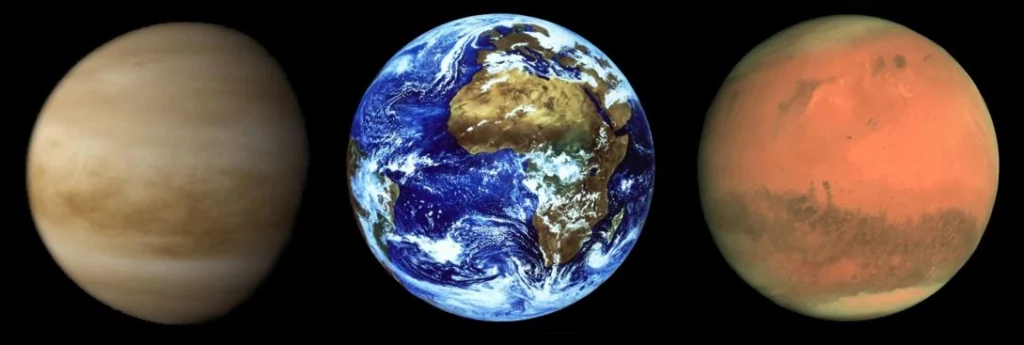
Post by WaterUnderground contributors Elco Luijendijk and Stefan Peters from  the University of Göttingen, in Germany. After my first ever scientific presentation, someone in the audience asked a question that caught me off guard: “Where does the groundwater come from?”.  “Ehm, from rainfall”, I answered. The answer seemed obvious at the time. However, we did …[Read More]

Limits to global groundwater use

Limits to global groundwater use

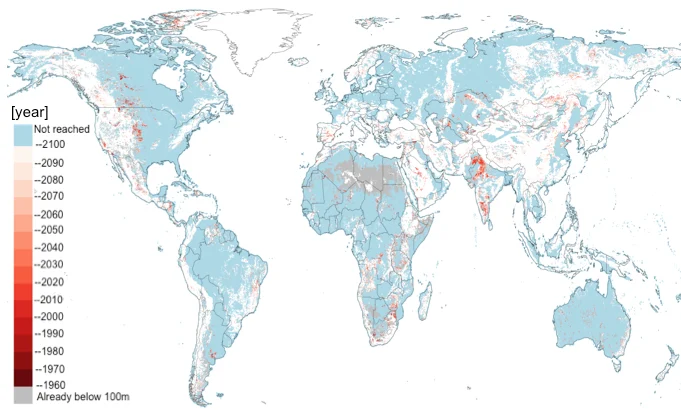
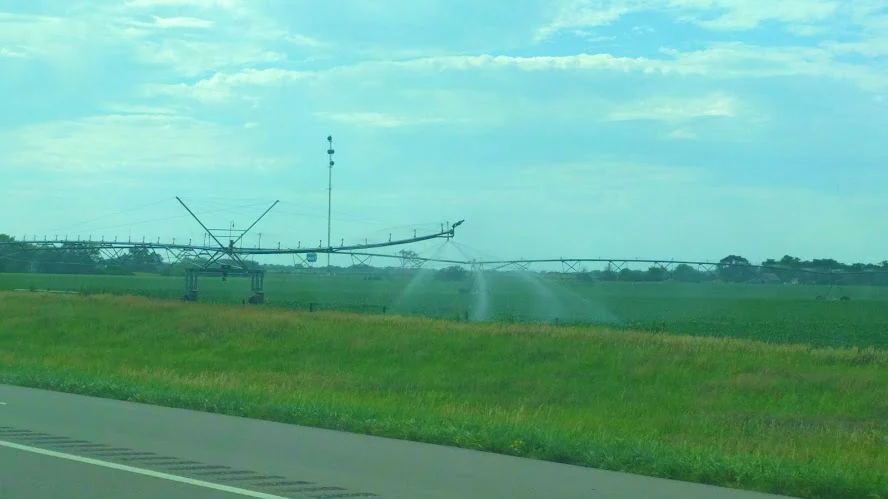
Post by WaterUnderground contributor Inge de Graaf. Inge is a postdoc fellow at Colorado School of Mines, in the USA. Groundwater is the world’s most important source of freshwater. It supplies 2 billion people with drinking water and is used for irrigation of the largest share of the world’s food supply. However, in many regions around the …[Read More]

FloPy: A Python interface for MODFLOW that kicks tail!

FloPy: A Python interface for MODFLOW that kicks tail!

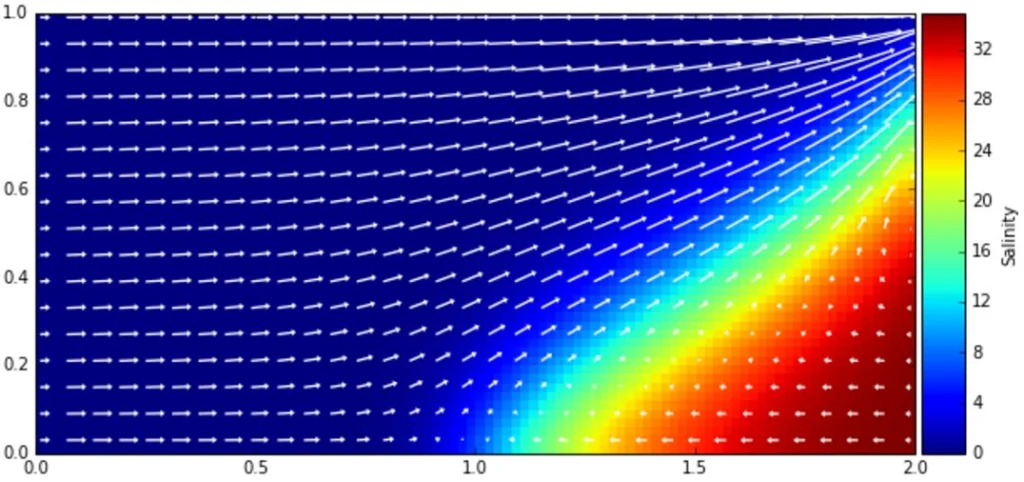
Authored by: Kevin Befus – Assistant professor, Department of Civil and Architectural Engineering at the University of Wyoming Groundwater modeling is getting better. Models are becoming more sophisticated with simpler interfaces to add, extract, and process the data. So, at first appearances, the U.S. Geological Survey’s (USGS) recent release of a Python module named FloPy for preparing, …[Read More]