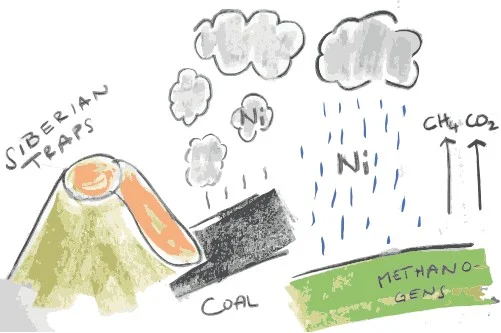
Earth’s history is punctuated by extreme events known as mass extinctions. The End-Permian extinction, 252 million years ago, is believed to be the biggest, killing 90 % or more of all species – no wonder it is also called “The Great Dying”. The big question out there is to understand what caused it, but it …[Read More]
Retired blogs
Guest Post: Jeremy Bennett – Approaches to modelling heterogeneity in sedimentary deposits
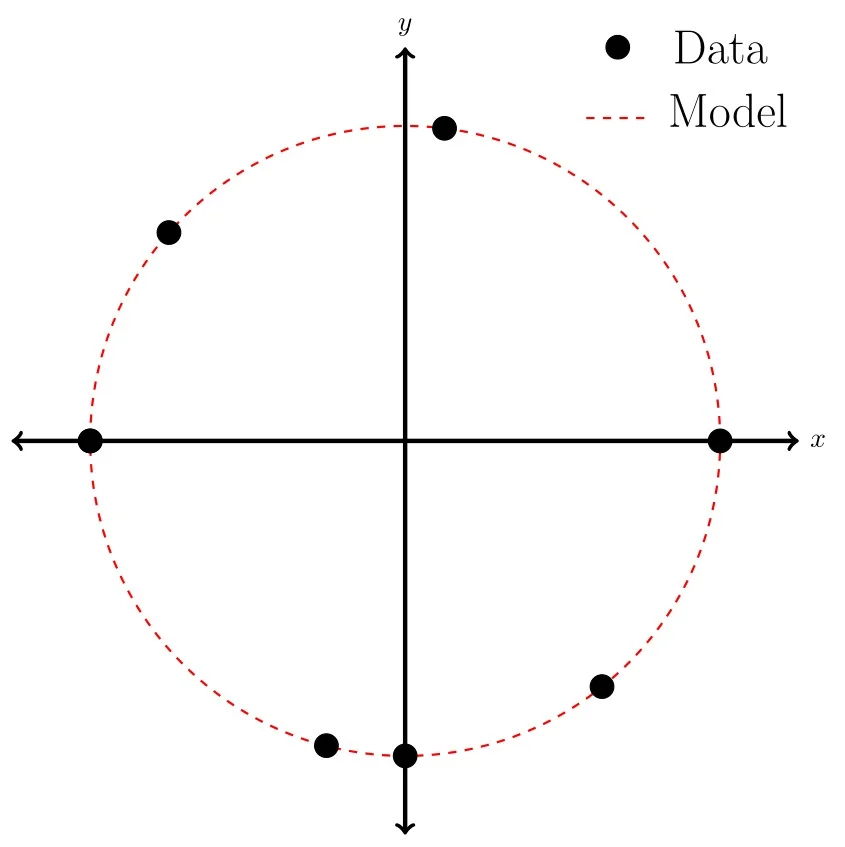
Hello everyone. Great that you could make it out to my blog post. I would like to introduce you to some ideas about environmental modelling that I have recently discovered during my work. These ideas are from this paper by Christine Koltermann and Steven Gorelick back in 1996. Whilst the primary focus of their paper …[Read More]
GfGD Annual Conference 2015 – Speaker Introductions (Session 2)
Our 3rd Annual Conference, with the theme Fighting Global Poverty – Geology and the Sustainable Development Goals (SDGs) takes place on Friday 30th October, hosted by the Geological Society of London. Here we introduce the speakers taking part in Session 2, a panel discussion on ‘Geology and the SDGs’… Dr Katherine Royse (Science Director – Environmental Modelling, British Geological …[Read More]
New species of ‘river dolphin’ reveals their ancient marine origins
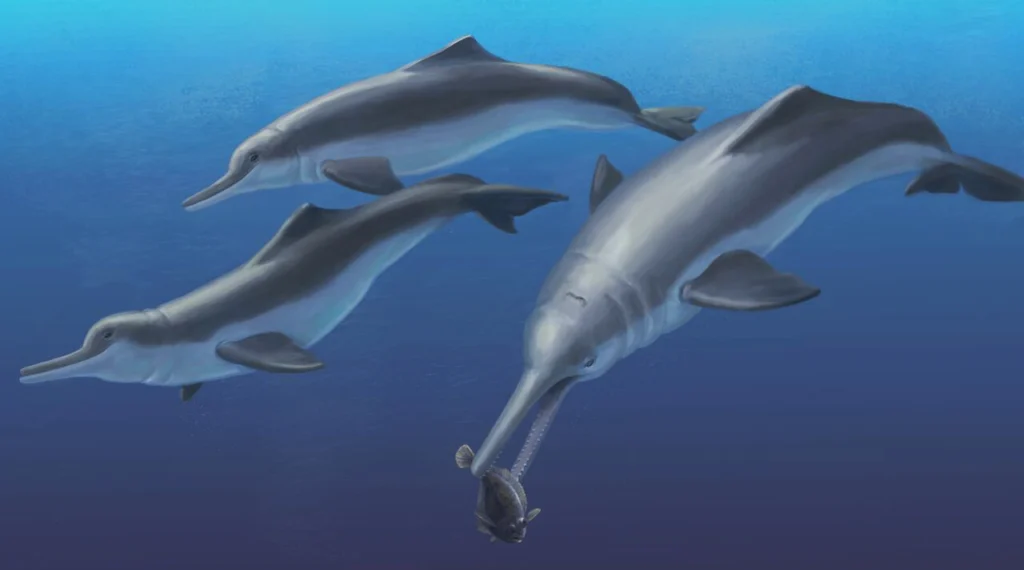
A new species of extinct dolphin closely related to modern Amazonian ‘river dolphins’, but which dwelled in ancient oceans, is helping to solve the mystery of how and when dolphins adapted for life away from the sea. Freshwater dolphins are endangered, largely due to human activity. In modern ecosystems, only five or six species remain, …[Read More]
New open science competition through ARCS
The ARCS (Advancing Research Communication and Scholarship) have launched a new ‘open scholarship’ competition. The aim is simple: describe your ‘open science story’, and you could win $1000! In particular, the competition is aimed at finding success stories – how has practicing any form of open science helped you advance or enhance your career in …[Read More]
Guest Blog: Micronutrients, Hidden Hunger and Geology
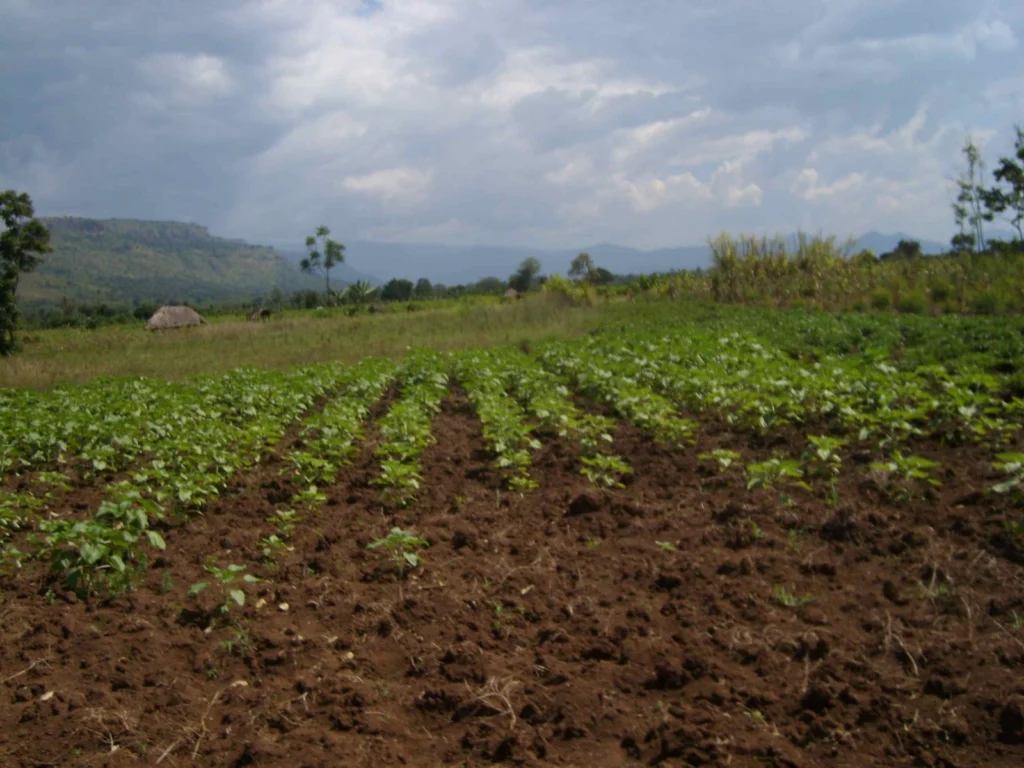
In January 2015, GfGD took a small group of members to a discussion event hosted by the British Geological Survey, on best practice in international development. Ben Clarke and Eleri Simpson, then final year undergraduates at the University of Leicester (UK) joined the event to share about their fantastic work in Vanuatu. Here they write a …[Read More]
How easily does our understanding of ‘CRUSTAL PERMEABILITY’ flow ? A new Geofluids special edition…
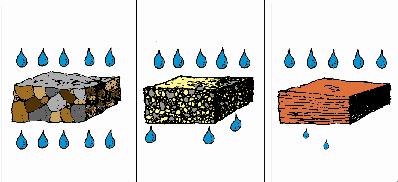
Permeability is a crazy parameter: heterogeneous on many spatial scales, highly variable over up to 20 orders of magnitude, and transient on many temporal scales. Yet, for better or for worse it is essential to our understanding of numerous earth processes, as well as how human impact and interact with the earth. I have had …[Read More]
The rise of open research data
This was originally posted at: http://exchanges.wiley.com/blog/2015/08/26/the-rise-of-open-research-data/ As a junior researcher in the UK, it has given me great pleasure over the last few years to see the dramatic development of open access publishing. Most major research funders in the UK now require public access to published research articles in one form or another, and many other …[Read More]
New open access journal to publish entire research cycles
Say hello to Research Ideas & Outcomes (RIO), a new open access journal, formally open for business today! The new journal represents a useful addition to traditional publishing, in that it will publish research from all stages of the research cycle, across a broad suite of disciplines, from humanities to science. Traditionally, journals accept articles that are the final …[Read More]
Dinosaur Britain airs tonight!
A fantastic new series on Dinosaurs of the British Isles airs tonight on ITV! It stars Dean Lomax, a professional palaeontologist based pretty much everywhere in the UK. It seems to be based off a book of his, published via Siri Press. I’ve seen a copy, and it’s pretty much the best illustrated guides to …[Read More]