This graphic is from Owen Miles’ watermurica blog
WaterUnderground
Where’s the beef? Or should I say where’s the groundwater?
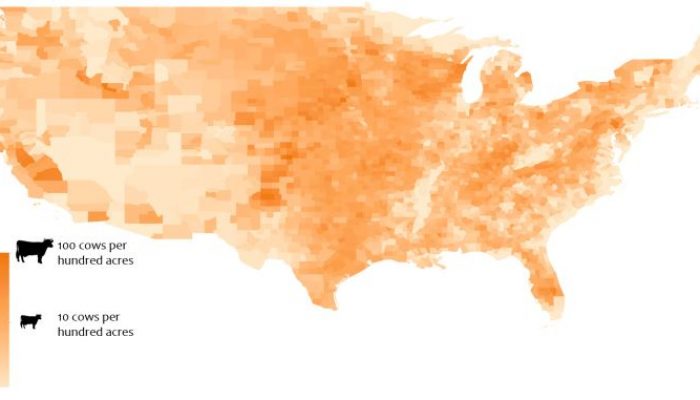

This graphic is from Owen Miles’ watermurica blog
Our 3rd Annual Conference, with the theme Fighting Global Poverty – Geology and the Sustainable Development Goals (SDGs) takes place on Friday 30th October, hosted by the Geological Society of London. Session 4 will be a short interactive session with the theme: “How should the Sustainable Development Goals (SDGs) shape… geoscience education, research, industry practice, NGO engagemen ...[Read More]
Our 3rd Annual Conference, with the theme Fighting Global Poverty – Geology and the Sustainable Development Goals (SDGs) takes place on Friday 30th October, hosted by the Geological Society of London. Here we introduce the speakers taking part in Session 3, mini-presentations and a panel discussion on ‘Geohazards and Disasters: From Sendai to the SDGs’… Dr Julie Calkins (Disaster Risk Reduction Re ...[Read More]
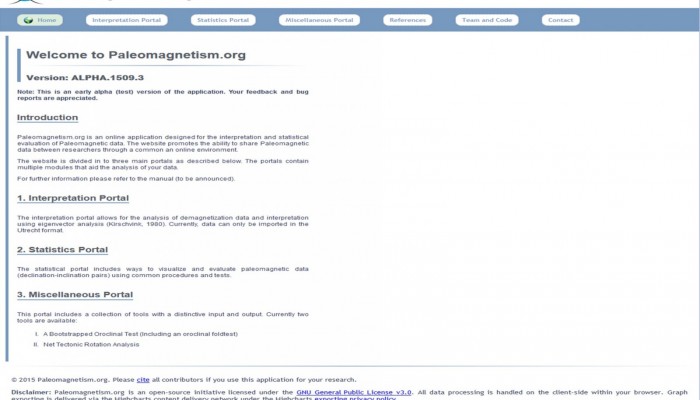
As part of my PhD research, I spent quite a lot of time at the Fort Hoofddijk (informally known as The Fort) – the palaeomagnetic laboratory of the University of Utrecht (in the Netherlands). For a little insight into what carrying research out in a 19th Century bunker, housed within the grounds of the botanical gardens of the University of Utrecht is like, take a look at this blog post that ...[Read More]
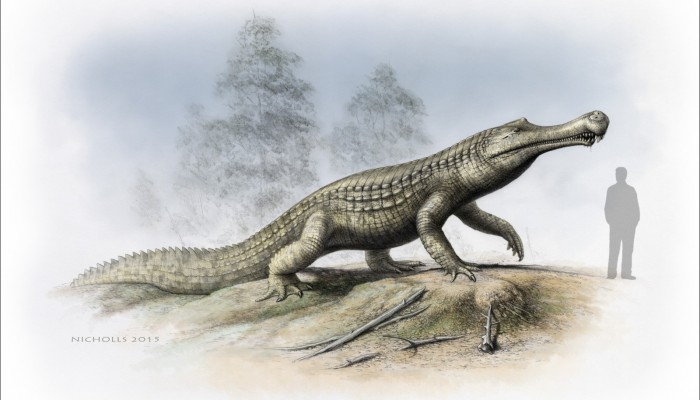
New research on crocodiles shows that a combination of changing sea levels and temperatures were responsible for driving their biodiversity over millions of years. Living crocodiles are threatened by climate change, with 10 out of 23 species at a high risk of extinction. As ectotherms, animals which require external sources of heat to function, they are sensitive to changes in temperature. With 2- ...[Read More]
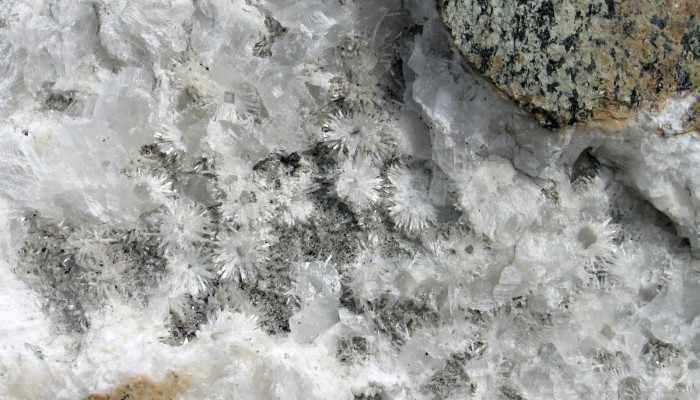
This week’s photo is another mineralogy themed one. This photo shows beautiful, yet also flattened crystals of the mineral natrolite that has grown in an acicular habit from a central point making them look sort of like little snowflakes. Natrolite is a relatively common hydrated sodium, aluminum silicate mineral (Na2Al2Si3O10 · 2H2O) that often forms within the void spaces of igneous rocks ...[Read More]
As a volcanologist based in the UK, I am in the privileged position of rarely being affected by the natural events that I study. And, although I have worked for extended periods of time in earthquake-prone regions, I have never experienced anything more than the gentle nudge of a small tremor. Thirty years ago, shortly after 7 am local time on 19 September 1985, Mexico City was struck by a large e ...[Read More]
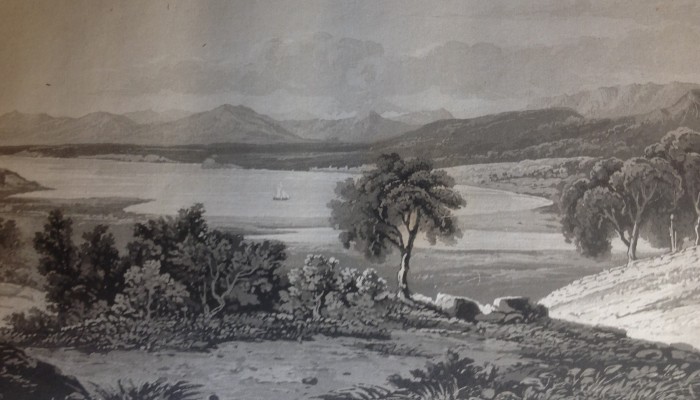
As news comes in of another very large earthquake in Chile – the third magnitude 8 earthquake along Chile’s Pacific margin in the past six years – this is a stark reminder of the destructive potential of these extreme natural events. These days we are used to the rapid, or near-real-time diffusion of news as these events unfold – in this case, as the tsunami ran along the C ...[Read More]
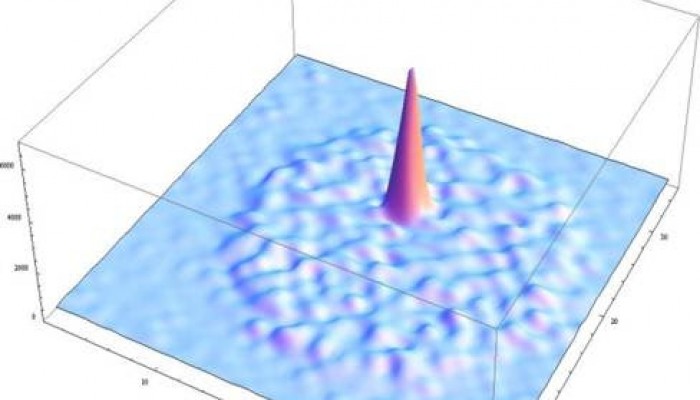
Ok, so I took some license with the title. This isn’t really a curious case and neither Krypton-81 nor ATTA are actually people. In fact, Krypton-81 (81Kr) is a radioisotope of the noble gas krypton and ATTA, which stands for atom trap trace analysis, is the revolutionary technique that has made its analysis possible. I recently heard about developments with ATTA at the IAEA Isotope Hydrolog ...[Read More]
Yes, Nessie had to be in the title. Am I sorry? A little. But not enough to not use it. Colleagues from the University of Edinburgh and myself have described the first Scottish crocodile fossil! It’s from the Isle of Skye, from a time known as the Middle Jurassic, and dates back around 160 million years ago. Based on a partial bit of a jawbone (the dentary), it’s hardly the most specta ...[Read More]