Geology for Global Development

Geology for Global Development

Saltwater intrusion: causes, impacts and mitigation
Saltwater intrusion: causes, impacts and mitigation
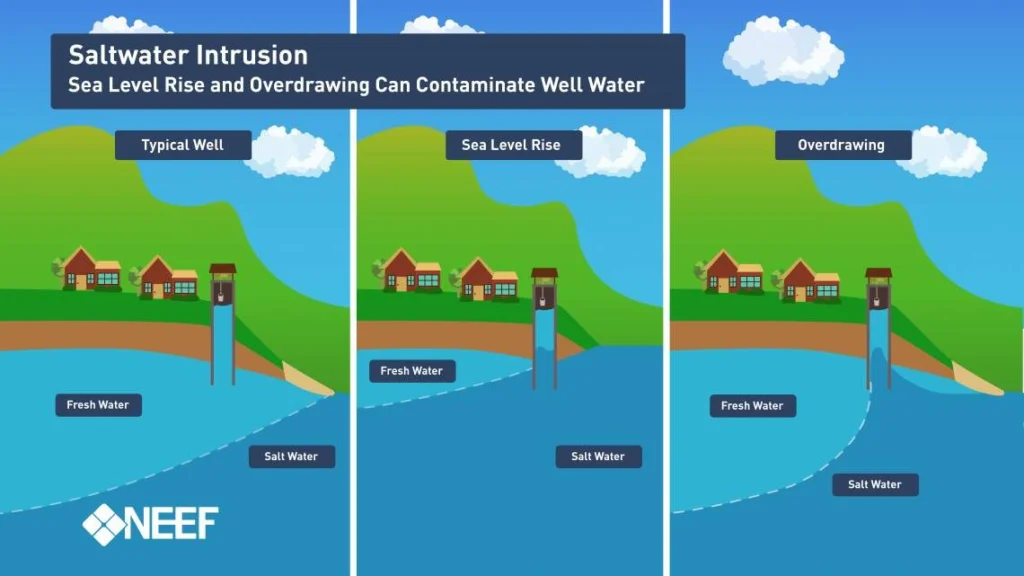
In many countries, access to clean and safe to drink water is often taken for granted: the simple act of turning a tap gives us access to a precious resource. In today’s post,Bárbara Zambelli Azevedo, discusses how over population of coastal areas and a changing climate is putting ready access to freshwater supplies under threat.  Water is always moving downwards, finding its way until it ge ...[Read More]

How deep-seated is bias against scientists in the Global South? Can we attribute individual disasters to climate change? Find out in Jesse Zondervan’s Dec 20  – Jan 24 2018 #GfGDpicks #SciComm

How deep-seated is bias against scientists in the Global South? Can we attribute individual disasters to climate change? Find out in Jesse Zondervan’s Dec 20  – Jan 24 2018 #GfGDpicks #SciComm

Each month, Jesse Zondervan picks his favourite posts from geoscience and development blogs/news which cover the geology for global development interest. Here’s a round-up of Jesse’s selections for the last four weeks: If we want to solve the world’s problems, we need all the world’s scientists. Social Entrepreneur Nina Dudnik speaks out against prejudice towards scientists in the developing world ...[Read More]

The Case Against Fieldwork – How can we internalise the carbon cost of fieldwork, as scientists who investigate the earth system?

The Case Against Fieldwork – How can we internalise the carbon cost of fieldwork, as scientists who investigate the earth system?

There are few, if any, fields of human study for which fieldwork is more fundamental than geology. For many geologists, the solid earth itself is their subject, and this means observations can be made at any given location on the planet. Moreover, the local quirks of different environments almost necessitate a diverse range of study sites for us to fully comprehend the differing processes that gov ...[Read More]

Peat in the Tropics

Peat in the Tropics

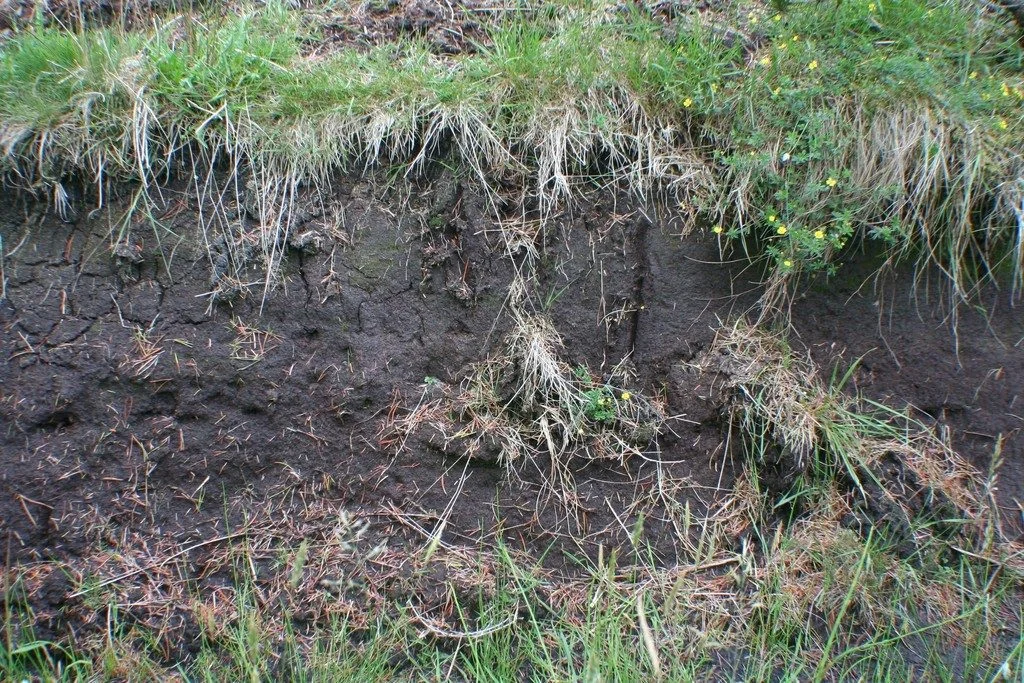
As has been previously discussed in Robert’s blog, fertile soil is an incredibly important resource that is fast running out in many regions of the world. It is true that soil’s importance for agriculture (and sustainable development) cannot be understated, but I wish to focus on another aspect of soil in this week’s blog– its ability to store carbon. One soil type in particular, peat, is an incre ...[Read More]

Bárbara Zambelli Azevedo: Phosphorus Crisis – A Food Crisis?

Bárbara Zambelli Azevedo: Phosphorus Crisis – A Food Crisis?

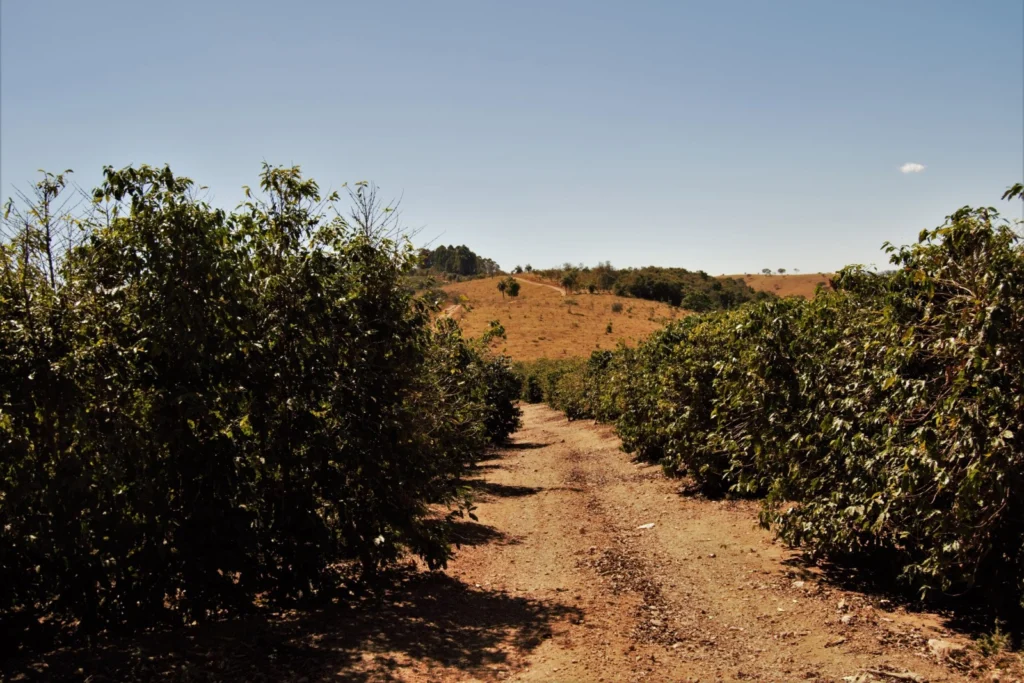
Take a look and try to identify anything around you that has phosphorus as a component. Phosphorus – the P element – is critical for life, like oxygen, nitrogen and carbon, being present in every plant, animal and bacteria. It constitutes cell walls, DNA, RNA and ATP, which transports energy to the brain. Our bones and teeth include phosphorus. Now look again and you might see that pho ...[Read More]

How do you monitor an internationally disruptive volcanic eruption? How can you communicate SDGs in an Earth Science class? Jesse Zondervan’s Nov 13 – Dec 13 2017 #GfGDpicks #SciComm

How do you monitor an internationally disruptive volcanic eruption? How can you communicate SDGs in an Earth Science class? Jesse Zondervan’s Nov 13  – Dec 13 2017 #GfGDpicks #SciComm

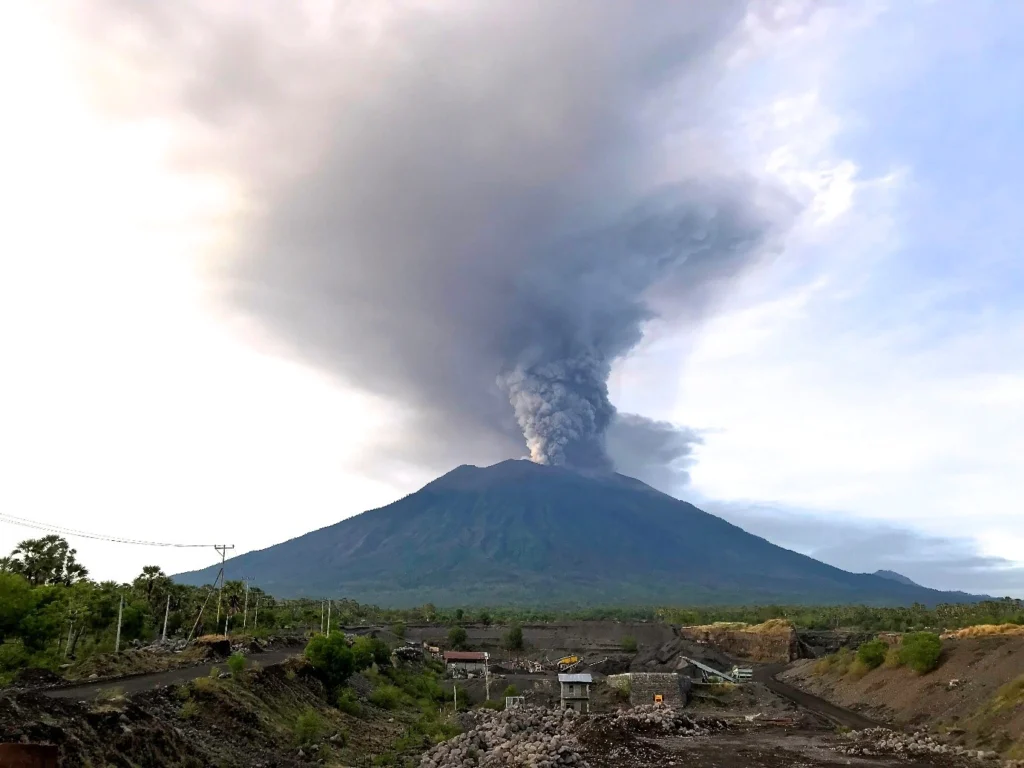
Each month, Jesse Zondervan picks his favourite posts from geoscience and development blogs/news, relevant to the work and interests of  Geology for Global Development . Here’s a round-up of Jesse’s selections for the past four weeks: Bali’s Mount Angung started erupting ash this month, and a post on the Pacific Disaster Center’s website gives you an insight into the workings of Indonesia’s early ...[Read More]

Photo Highlights – 5th GfGD Annual Conference

Photo Highlights – 5th GfGD Annual Conference

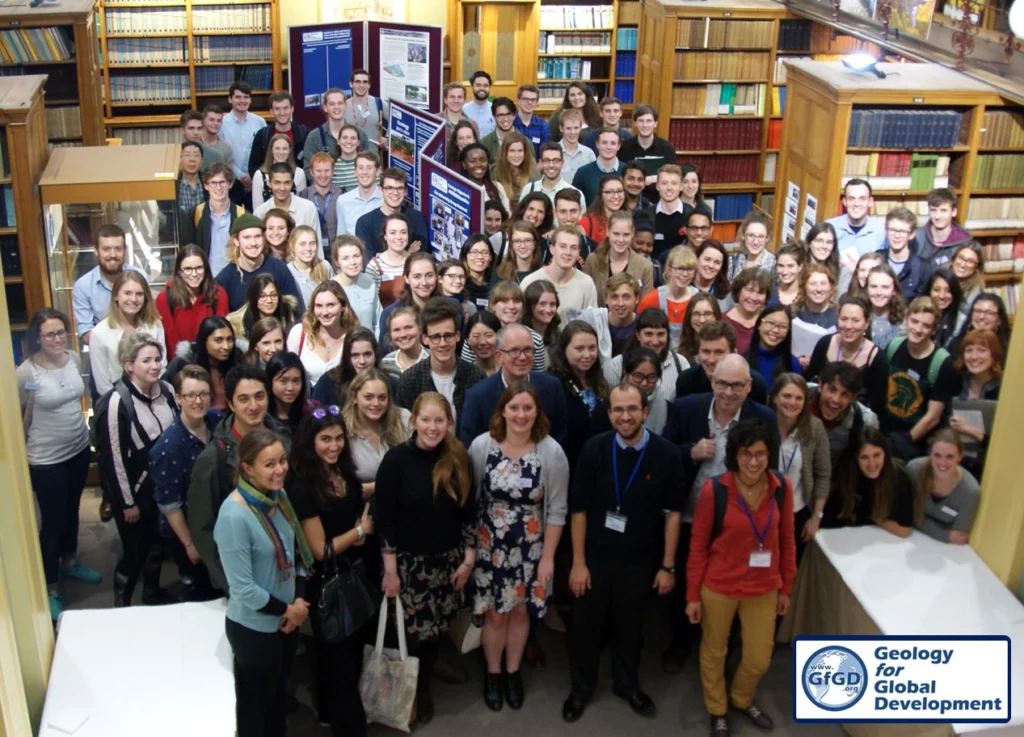
Kindly hosted and supported by the Geological Society of London, our 5th Annual Conference had the theme “Cities – Opportunities and Challenges for Sustainable Development”. The event gathered more than 130 participants, with diverse speakers from the public and private sectors, academia and civil society! Find resources online . Thanks to Jesse Zondervan (Plymouth University) fo ...[Read More]

Robert Emberson: Microplastic – Too Important to Ignore

Robert Emberson: Microplastic – Too Important to Ignore

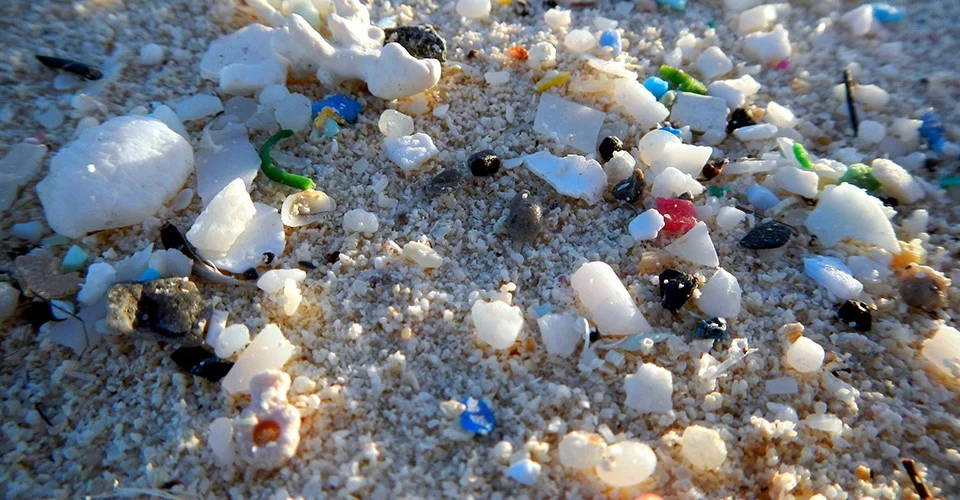
Anyone lucky enough to catch any of the BBC’s recent new series Blue Planet II will have noticed that each episode devotes a portion of the time to the impact humans have on the oceans. A breathtaking series of shots from a recent episode detailed the heart-wrenching demise of a baby whale, possibly poisoned by its mother’s milk due to toxins from plastic pollution. Vast quantities of plastic now ...[Read More]

Heather Britton: Can Animals be Used to Predict Earthquakes?

Heather Britton: Can Animals be Used to Predict Earthquakes?

One of the most common questions faced by the disaster risk reduction community relates to earthquake prediction (see this Geological Society briefing on prediction vs. forecasting). The disaster risk reduction community, however, would perhaps argue that improved buildings, reduction in poverty, and improved governance are a greater priority than predicting earthquakes. Even so, there are still m ...[Read More]

Bárbara Zambelli Azevedo: Access​ ​to​ ​clean​ ​water,​ ​gender​ ​equality​ ​and​ ​geosciences

Bárbara Zambelli Azevedo: Access​ ​to​ ​clean​ ​water,​ ​gender​ ​equality​ ​and​ ​geosciences

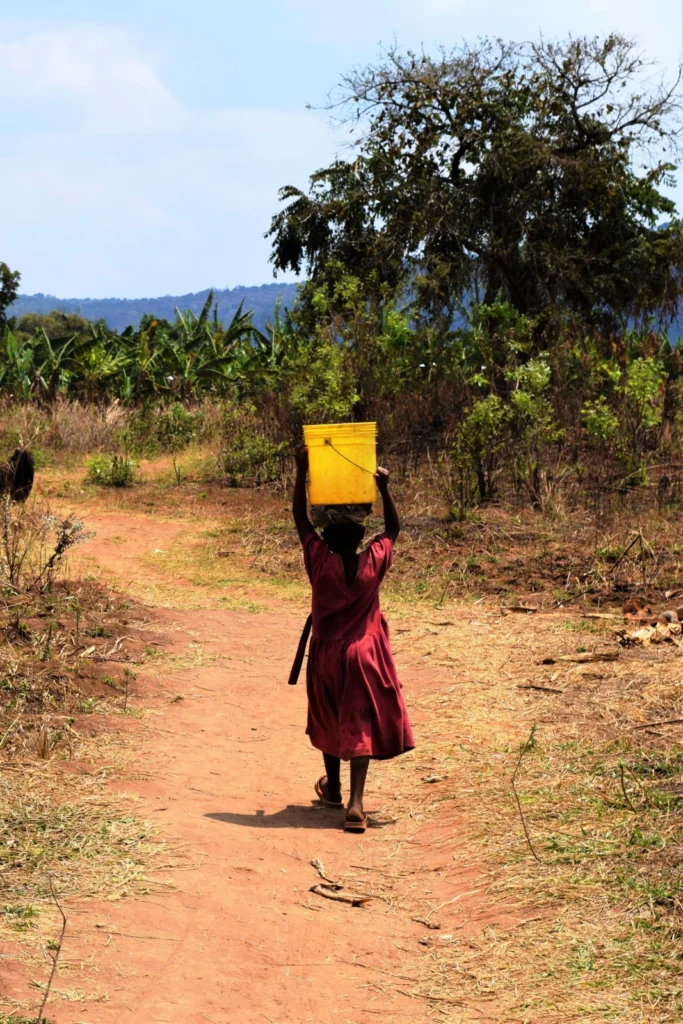
The importance of access to safe drinking water in our lives is quite obvious. Although its relation with gender equality and sustainable development may be less so. In this article, Bárbara Zambelli Azevedo explores the relationship between the two and discusses what geoscientists can do to improve the situation. In 2017, according to the WHO, over 2.1 billion people still don’t have access to sa ...[Read More]