Geology for Global Development

Geology for Global Development

Planning for future cyclone Idais; Cloud seeding in the Philippines; Climate Change Getting you Down? This and more in Jesse Zondervan’s March 2019 #GfGDpicks #SciComm
rain drops on leaf

Each month, Jesse Zondervan picks his favourite posts from geoscience and development blogs/news which cover the geology for global development interest. Here’s a round-up of Jesse’s selections for the last month: The UN World Meteorological Organization called cyclone Idai, which hit Mozambique this month, “possibly the worst weather-related disaster to hit the southern hemisphere”. Civil Enginee ...[Read More]

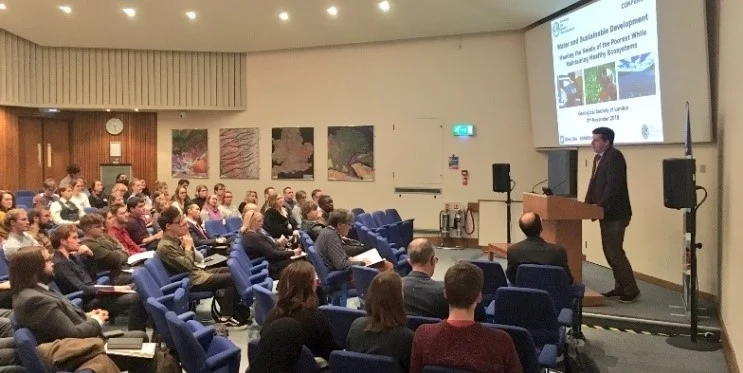
Water and Sustainable Development – 6th GfGD Annual Conference Event Report

Water and Sustainable Development – 6th GfGD Annual Conference Event Report

Understanding, managing and protecting water resources is critical to the delivery of the UN Sustainable Development Goals (e.g., education, water and sanitation, healthy oceans, zero hunger, good health, gender equality, energy, industry, and biodiversity). Increasing urbanisation, industrialisation, and climate change, however, are increasing pressure on water supplies and reducing water quality ...[Read More]

Is geological mapping becoming obsolete?

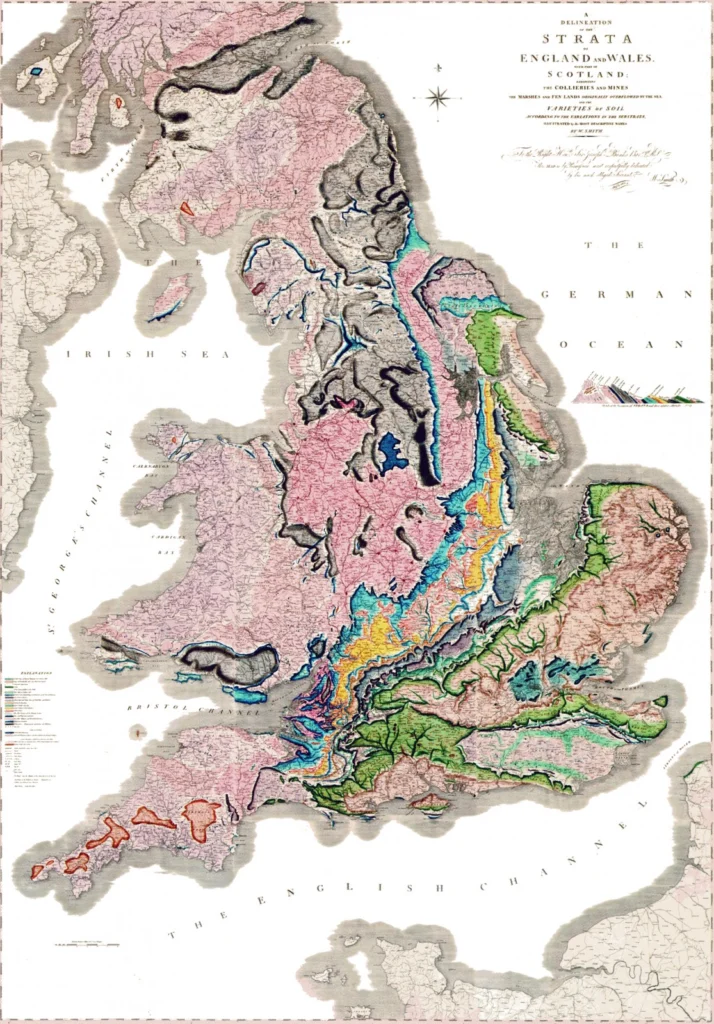
Is Geological Mapping Becoming Obsolete?

Geology students typically experience some form of mapping education as part of their course and attitudes towards this baptism into the geosciences vary from adoration to utter hatred. Whatever the opinions of the students, however, it is widely recognised that performing mapping exercises is an excellent way to learn the basics of structural geology which underpins aspects of both further geolog ...[Read More]

Rainfall related geohazards: floods, landslides and mudslides in Rio – A dangerous combination of nature and human-related factors

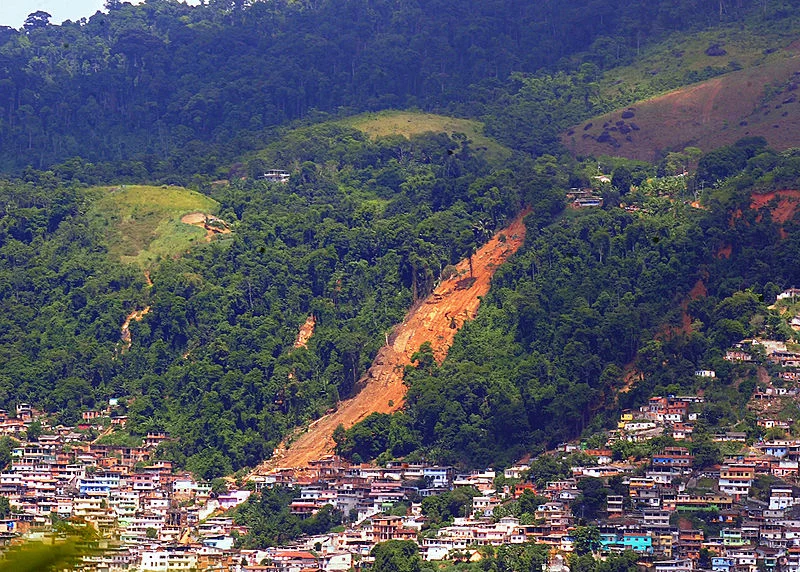
Rainfall related geohazards: floods, landslides and mudslides in Rio – A dangerous combination of nature and human-related factors

Rainfall-related geohazards in Brazil’s poorer, mountainous city margins could be mitigated using better urban planning and communication. Our own Brazilian blogger Bárbara Zambelli Azevedo explores the problem and possible solutions. I come from Brazil, a country well-known for its beautiful landscapes, football and carnival. Ok, some stereotypes are true, indeed. Situated in the middle of the So ...[Read More]

Private solutions, public science: how to bridge the gap?

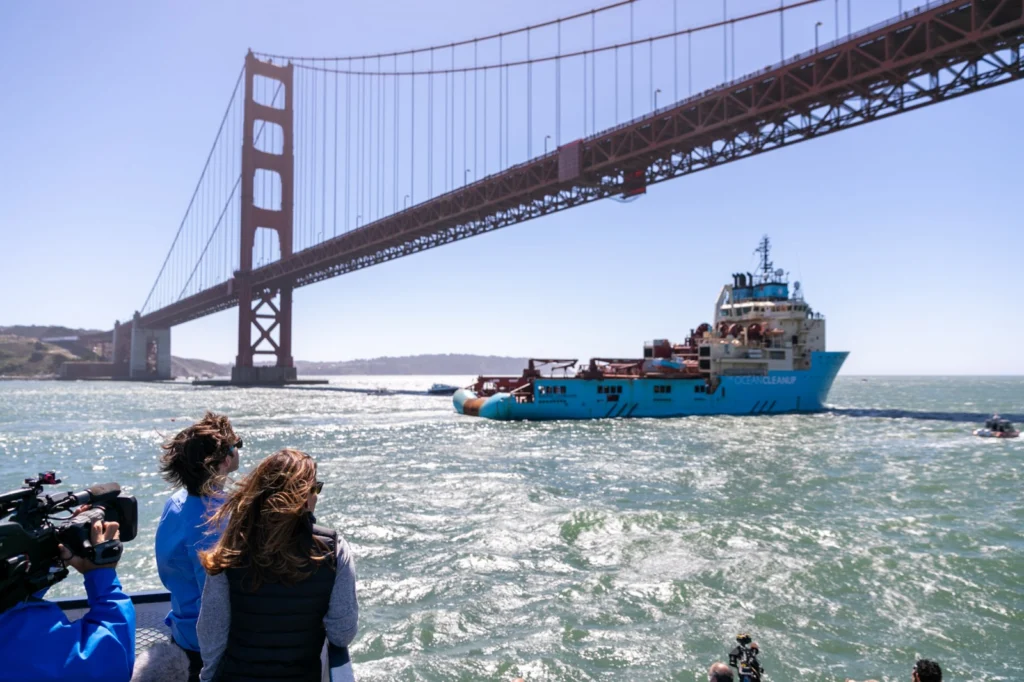
Private solutions, public science: how to bridge the gap?

The urgency around many sustainability issues leads some billionaire investors to throw caution in the wind, frustrated with the pace of academic research. Robert Emberson sympathises with private projects like the Ocean Cleanup, even when things go wrong. ‘How’, he asks, ‘might we build a constructive bridge between ambitious entrepreneurs and scientific sceptics? ‘ Reading and writing about sust ...[Read More]

The ethical questions behind the school climate strike. Do we have a place in earth’s ecosystems? Jesse Zondervan’s February 2019 #GfGDpicks #SciComm

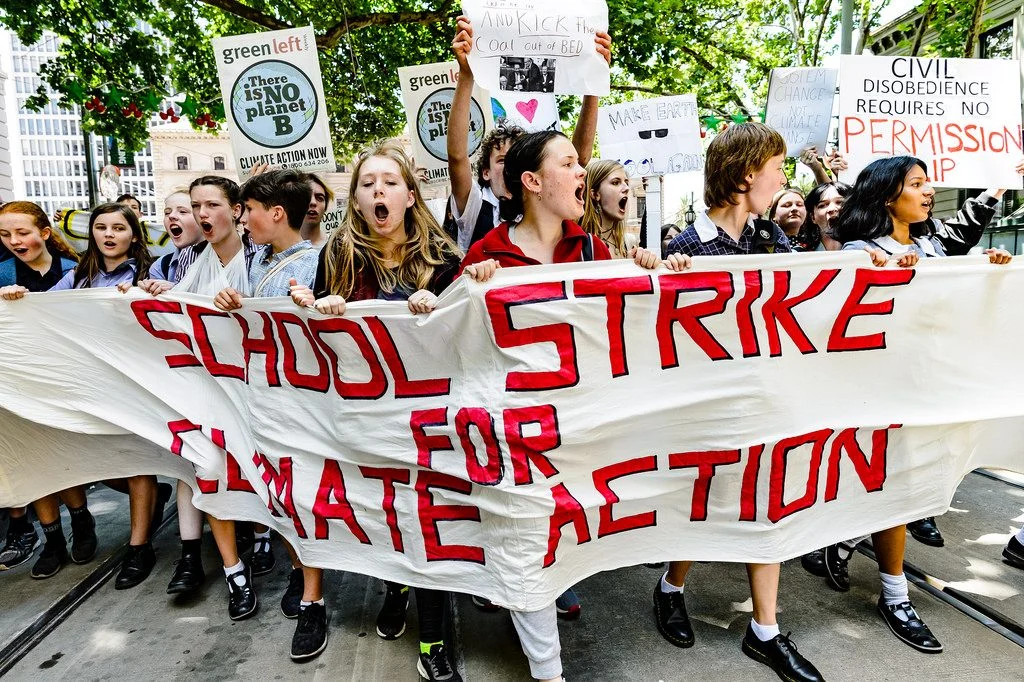
The ethical questions behind the school climate strike. Do we have a place in earth’s ecosystems? Jesse Zondervan’s February 2019 #GfGDpicks #SciComm

Each month, Jesse Zondervan picks his favourite posts from geoscience and development blogs/news which cover the geology for global development interest. This month’s picks include: The ethical questions behind the school climate strike; Military worries about the fight against sea-level rise – how will you help? Do we have a place in earth’s ecosystems? School climate strikes As school clim ...[Read More]

The importance of wetlands

The importance of wetlands

World Wetlands day is celebrated on 2nd February, marking the adoption of the Convention on Wetlands, also known as Ramsar Convention, in the Iranian city of Ramsar on 2nd February 1971. It “provides the framework for national action and international cooperation for the conservation and wise use of wetlands and their resources.” Today 170 countries have adopted it and 2,341 Ramsar sites covering ...[Read More]

Jesse Zondervan’s January 2019 #GfGDpicks: which climate adaptation methods are on the rise in 2019?

Jesse Zondervan’s January 2019 #GfGDpicks: which climate adaptation methods are on the rise in 2019?

Each month, Jesse Zondervan picks his favourite posts from geoscience and development blogs/news which cover the geology for global development interest. This past month’s picks include:  Why it’s so hard to predict tsunamis, which climate adaptation methods are on the rise in 2019 & opportunities for scientists to solve local challenges with Thriving Earth Exchange.   Plastic waste in t ...[Read More]

Geology for Global Development – Our Highlights from 2018 and Plans for 2019

Geology for Global Development – Our Highlights from 2018 and Plans for 2019

We have a busy year ahead of us, helping to put sustainable development at the heart of geoscience events, training and practice, and advocating for the importance of geoscience in tackling global challenges. Here’s an overview of our plans, and some highlights from 2018. Geology for Global Development (GfGD) is a registered charity in England and Wales (Charity Number 1165663), working inte ...[Read More]

Event Report: UN Science, Technology and Innovation Forum 2018

Event Report: UN Science, Technology and Innovation Forum 2018

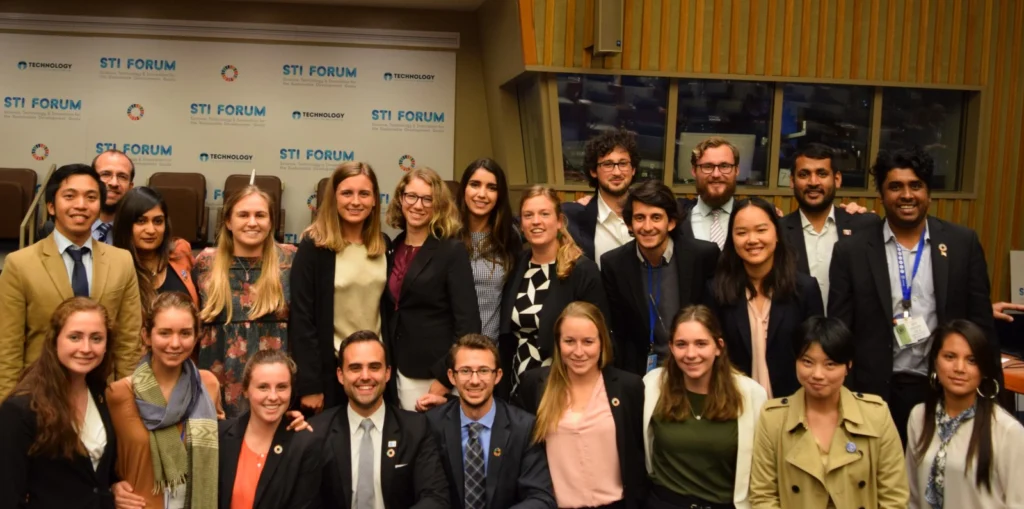
Last month GfGD Director, Dr Joel Gill, attended the UN Annual Forum on Science, Technology and Innovation for the Sustainable Development Goals (SDGs). With few other, if any, geoscience organisations in attendance we believed it to be important for Geology for Global Development to engage and ensure a voice for geoscience at this significant event.  **Event Overview** UN General Assembly resolut ...[Read More]