Geology for Global Development

Climate change

Are we ready for water stress? The potential locations for undiscovered water sources. Investment in earthquake resilience in Tokyo and China. That and more in Jesse Zondervan’s June 2019 #GfGDpicks #SciComm
Are we ready for water stress? The potential locations for undiscovered water sources. Investment in earthquake resilience in Tokyo and China. That and more in Jesse Zondervan’s June 2019 #GfGDpicks #SciComm

Each month, Jesse Zondervan picks his favourite posts from geoscience and development blogs/news which cover the geology for global development interest. Here’s a round-up of Jesse’s selections for the last month: As temperatures in Europe surge, one may not find it difficult to imagine water will be in demand. However, nearly one-fifth of the world’s population lives in a stressed water basin. A ...[Read More]

Climate change: to mitigate or to adapt? Managing disaster: Cyclone Fani in India, a stronger Atlantic hurricane season. That and more in Jesse Zondervan’s May 2019 #GfGDpicks #SciComm

Climate change: to mitigate or to adapt? Managing disaster: Cyclone Fani in India, a stronger Atlantic hurricane season. That and more in Jesse Zondervan’s May 2019 #GfGDpicks #SciComm

Each month, Jesse Zondervan picks his favourite posts from geoscience and development blogs/news which cover the geology for global development interest. Here’s a round-up of Jesse’s selections for the last month: This month Cyclone Fani hit India with full force. An effective mass evacuation resulting in the loss of no human lives is an impressive disaster management feat. As disaster was averted ...[Read More]

When are Californian earthquakes coming back with vengeance? How does climate-change-induced flooding increase inequality? Lessons from Cyclone Idai; that and more in Jesse Zondervan’s April 2019 #GfGDpicks #SciComm

Aftermath damage of the San Francisco earthquake of 1906

Each month, Jesse Zondervan picks his favourite posts from geoscience and development blogs/news which cover the geology for global development interest. Here’s a round-up of Jesse’s selections for the last month: California seems to be overdue for earthquakes, meaning there has been a so-called earthquake ‘drought’ in the last century. Paleoseismic studies show that this hiatus is unprecedented i ...[Read More]

Planning for future cyclone Idais; Cloud seeding in the Philippines; Climate Change Getting you Down? This and more in Jesse Zondervan’s March 2019 #GfGDpicks #SciComm

rain drops on leaf

Each month, Jesse Zondervan picks his favourite posts from geoscience and development blogs/news which cover the geology for global development interest. Here’s a round-up of Jesse’s selections for the last month: The UN World Meteorological Organization called cyclone Idai, which hit Mozambique this month, “possibly the worst weather-related disaster to hit the southern hemisphere”. Civil Enginee ...[Read More]

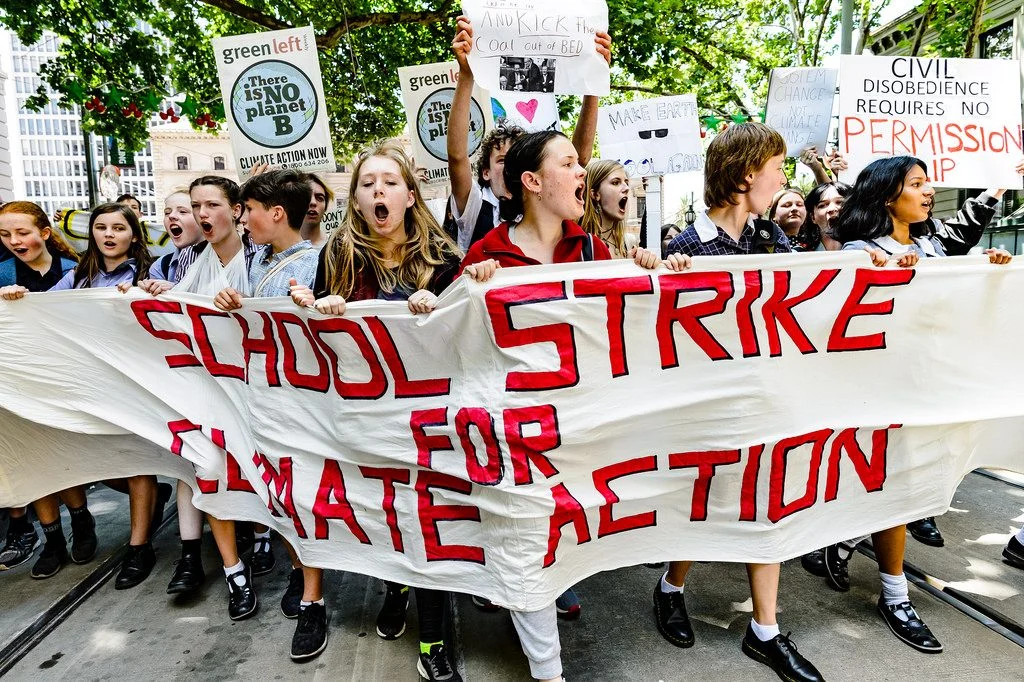
The ethical questions behind the school climate strike. Do we have a place in earth’s ecosystems? Jesse Zondervan’s February 2019 #GfGDpicks #SciComm

The ethical questions behind the school climate strike. Do we have a place in earth’s ecosystems? Jesse Zondervan’s February 2019 #GfGDpicks #SciComm

Each month, Jesse Zondervan picks his favourite posts from geoscience and development blogs/news which cover the geology for global development interest. This month’s picks include: The ethical questions behind the school climate strike; Military worries about the fight against sea-level rise – how will you help? Do we have a place in earth’s ecosystems? School climate strikes As school clim ...[Read More]

The importance of wetlands

The importance of wetlands

World Wetlands day is celebrated on 2nd February, marking the adoption of the Convention on Wetlands, also known as Ramsar Convention, in the Iranian city of Ramsar on 2nd February 1971. It “provides the framework for national action and international cooperation for the conservation and wise use of wetlands and their resources.” Today 170 countries have adopted it and 2,341 Ramsar sites covering ...[Read More]

Jesse Zondervan’s January 2019 #GfGDpicks: which climate adaptation methods are on the rise in 2019?

Jesse Zondervan’s January 2019 #GfGDpicks: which climate adaptation methods are on the rise in 2019?

Each month, Jesse Zondervan picks his favourite posts from geoscience and development blogs/news which cover the geology for global development interest. This past month’s picks include:  Why it’s so hard to predict tsunamis, which climate adaptation methods are on the rise in 2019 & opportunities for scientists to solve local challenges with Thriving Earth Exchange.   Plastic waste in t ...[Read More]

What is happening after the Fuego eruption in Guatemala? Is climate migration a bad thing? This and more in Jesse Zondervan’s June 2018 #GfGDpicks #SciComm

What is happening after the Fuego eruption in Guatemala? Is climate migration a bad thing? This and more in Jesse Zondervan’s June 2018 #GfGDpicks #SciComm

Each month, Jesse Zondervan picks his favourite posts from geoscience and development blogs/news which cover the geology for global development interest. Here’s a round-up of Jesse’s selections for the last month: Everything about the Fuego eruption At the start of this month, Guatemala’s Fuego volcano erupted explosively, costing many lives and destroying properties and infrastructure. Professor ...[Read More]

Climate migration needs to be predicted and planned now. Geoengineering can slow down sea level rise but could also lead to international conflicts. CO2 as a natural resource. All in Jesse Zondervan’s Mar 8 – Apr 4 2018

Climate migration needs to be predicted and planned now. Geoengineering can slow down sea level rise but could also lead to international conflicts. CO2 as a natural resource. All in Jesse Zondervan’s Mar 8  – Apr 4 2018

Each month, Jesse Zondervan picks his favourite posts from geoscience and development blogs/news which cover the geology for global development interest. Here’s a round-up of Jesse’s selections for the last month: Imagine 140 million people across sub-Saharan Africa, south Asia and Latin America migrating in response to climate change effect, by 2050. This is what a recent World Bank report claims ...[Read More]

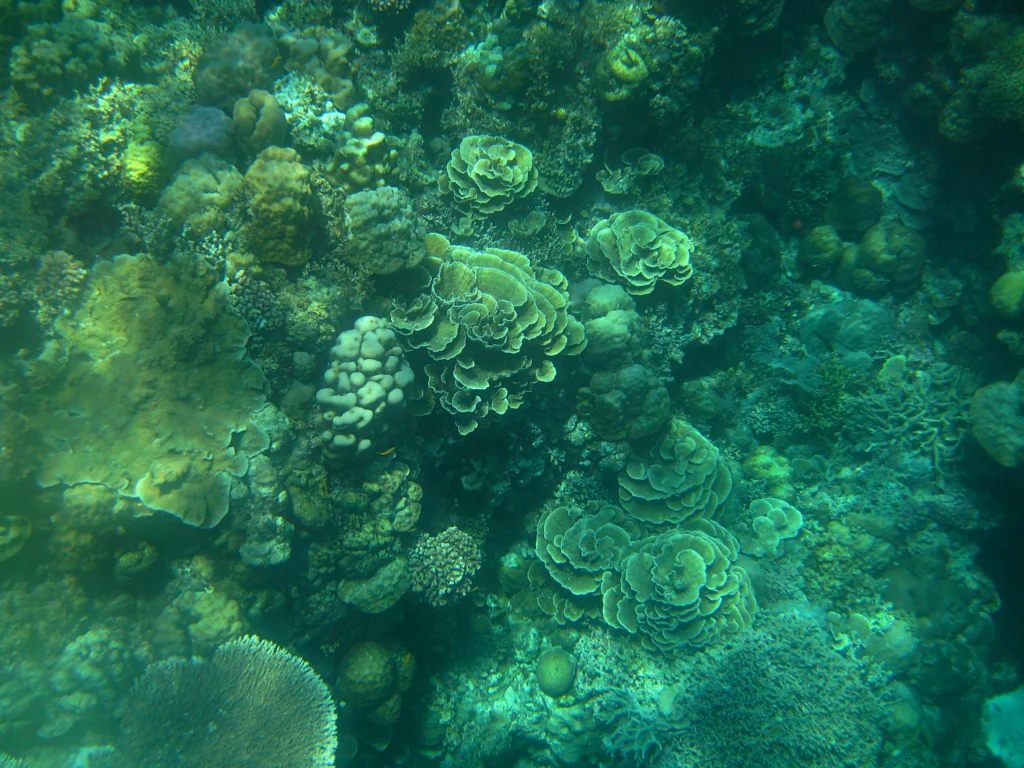
Weighing up the pros and cons of artificial coral reefs

Weighing up the pros and cons of artificial coral reefs

The world’s oceans cover 71% of the Earth’s surface and contain 97% of Earth’s water. They play a key role in the climate cycle and, though perhaps not always visibly, are suffering significantly under our changing climate. An place where we can see the alarming effects of rising temperatures and increasingly acidic waters is coral reefs, which experienced the longest, most widespread, and possibl ...[Read More]