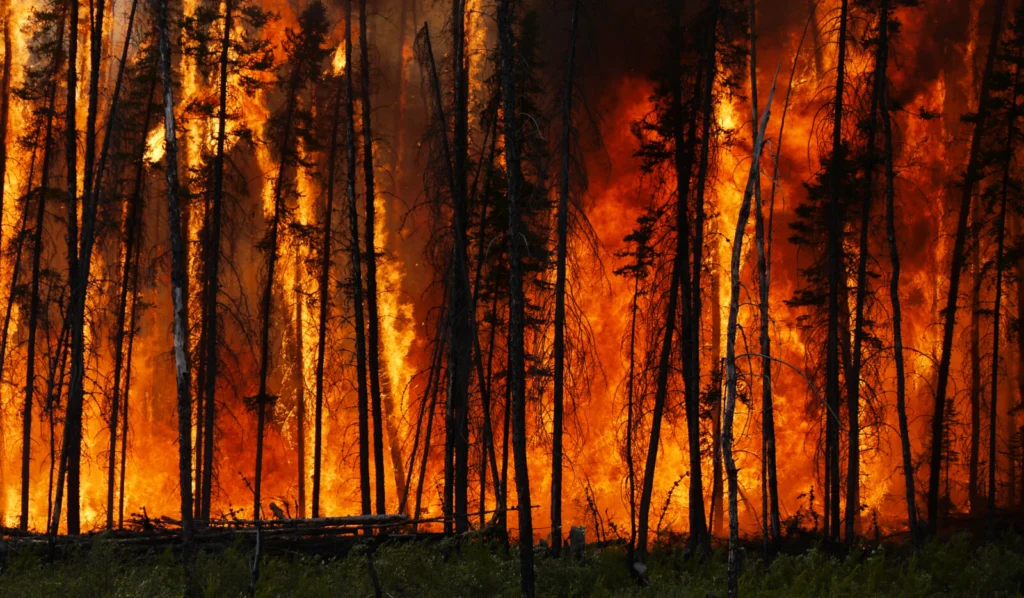
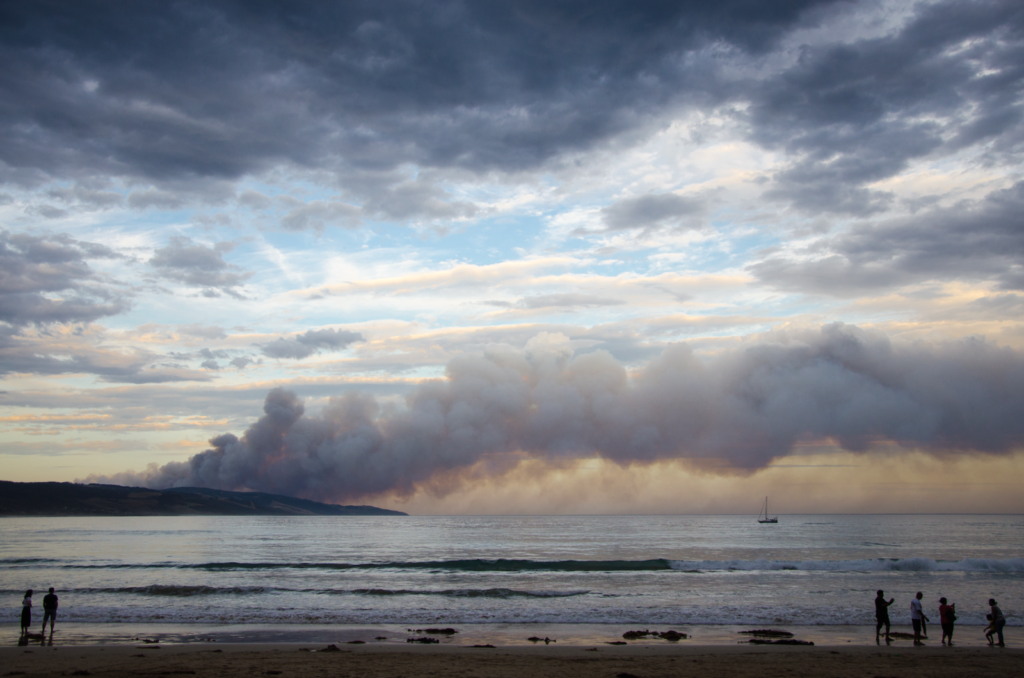
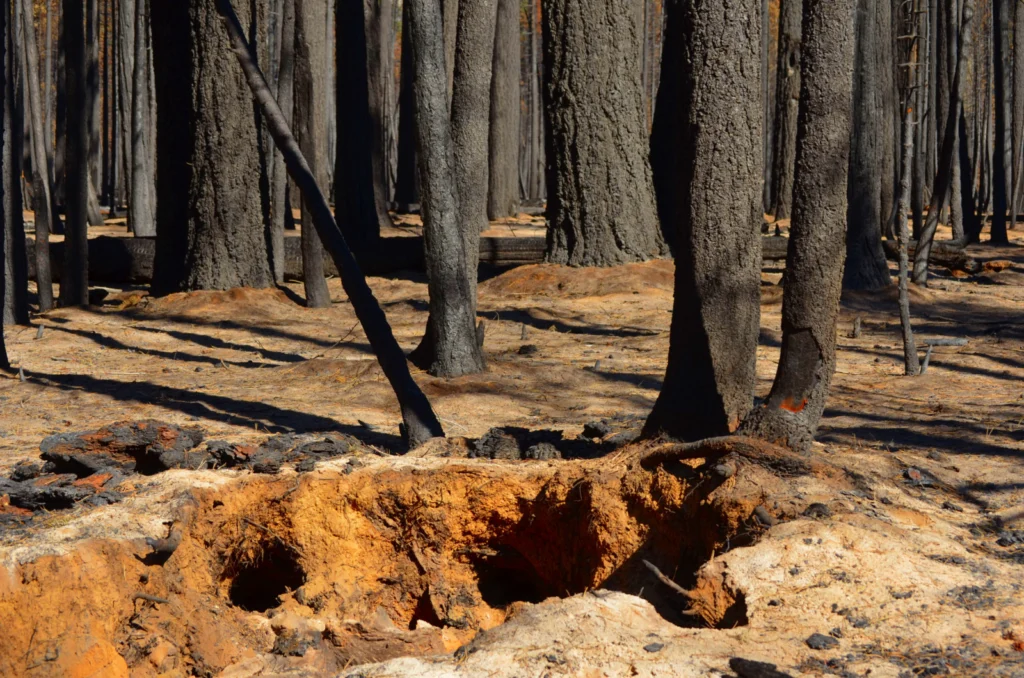
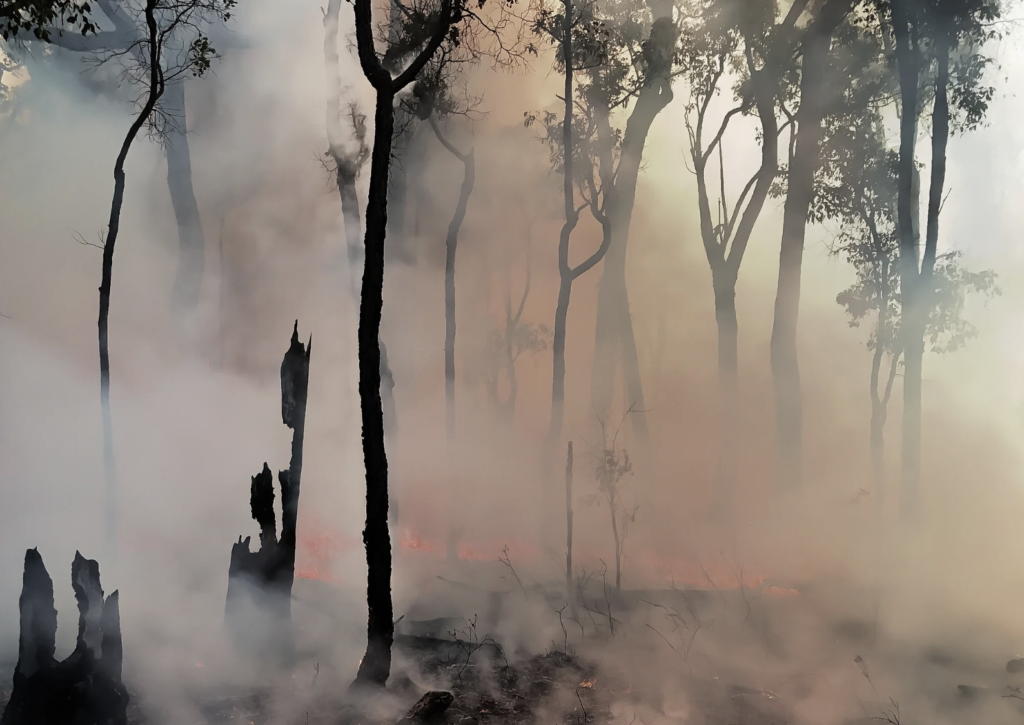
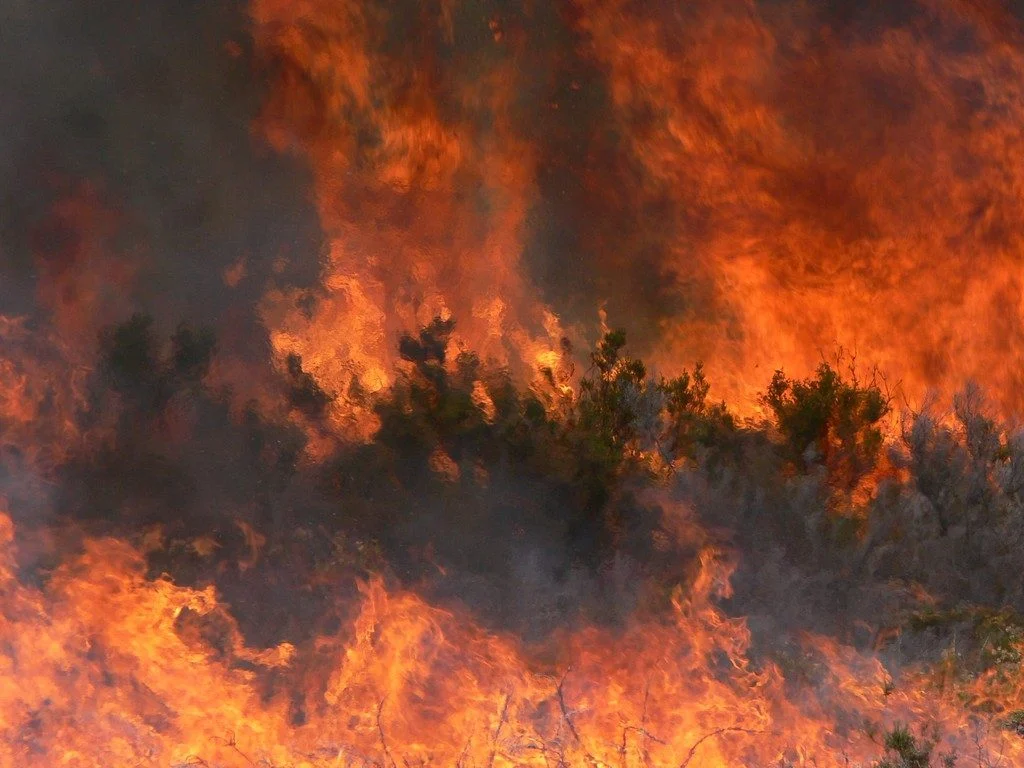
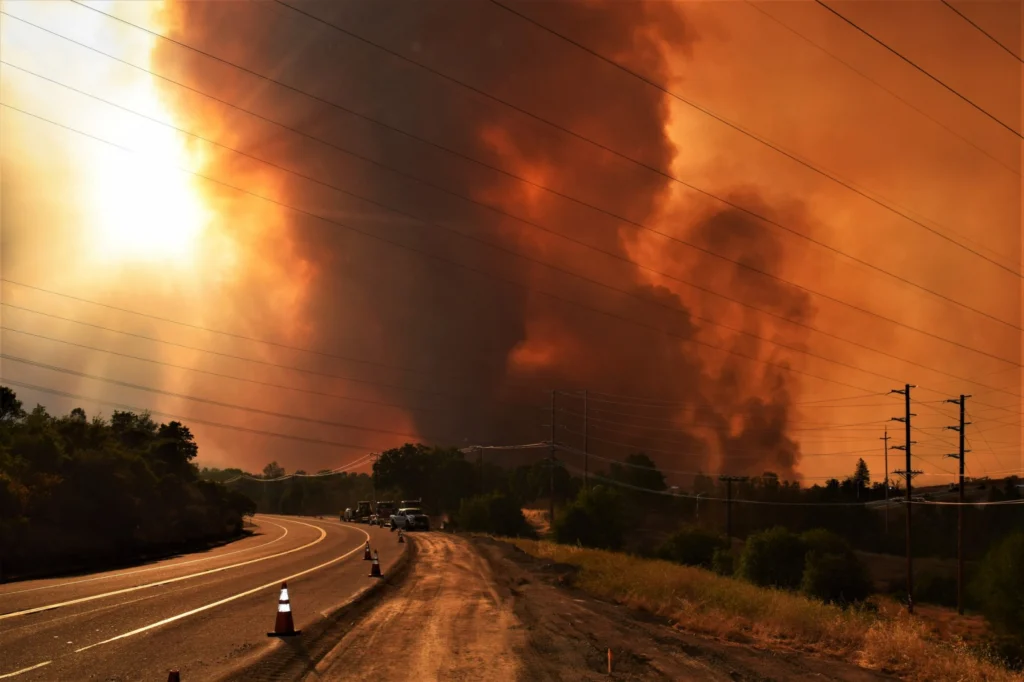
I grew up watching my dad come home covered in soot. For most of his life, he worked as a firefighter in a natural reserve in Galicia, in northern Spain, a region of green mountains and steep terrain, almost Lord of the Rings in its landscape, but also a place where fire moves quickly and …[Read More]
wildfire
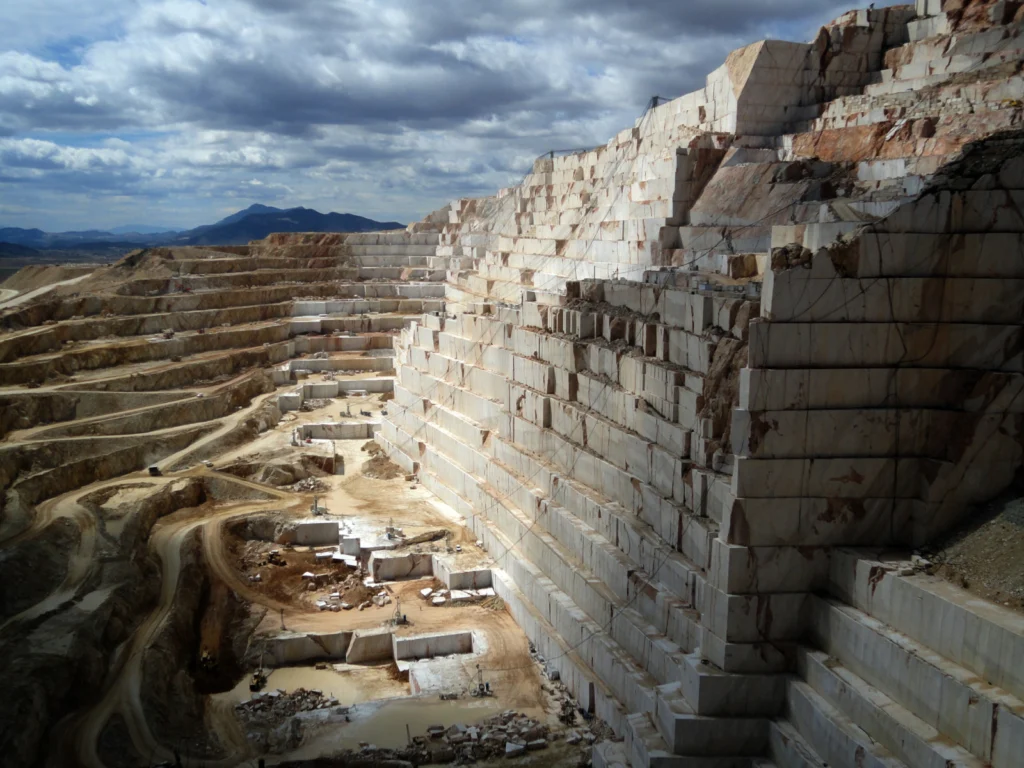
Imaggeo On Monday: Marble quarry west of Alicante, Spain
The largest marble quarry in Europe is located at Monte Coto next to Pinoso in the Spanish Alicante province. Here an Eocene limestone named “Crema Marfil” is exploited on a large scale. Photo by Christoph Mayr, as described on imaggeo.egu.eu. Imaggeo is the EGU’s online open access geosciences image repository. All geoscientists (and others) …[Read More]
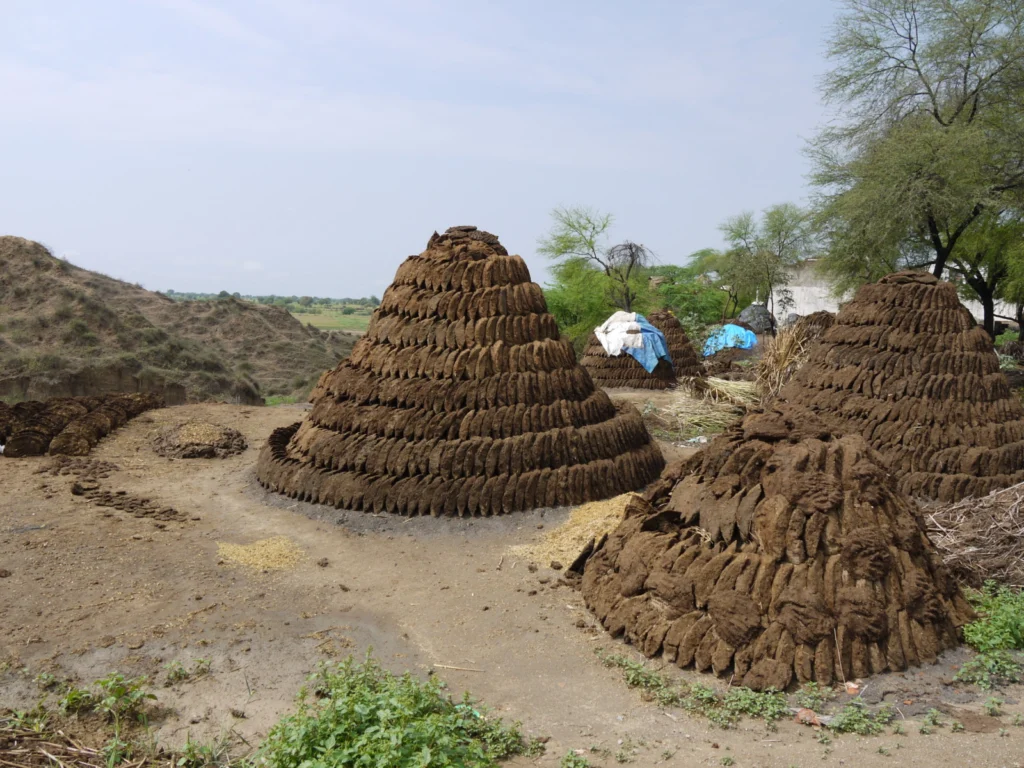
Imaggeo On Monday: Works of art – works of muck
Dung cakes made from buffalo manure are artfully piled up in a village in Madhya Pradesh. Used as fuel for cooking fires, they are a sustainable energy source in rural areas of India, but add to air pollution by biomass burning. Photo by Irene Marzolff, as described on imaggeo.egu.eu. Imaggeo is the EGU’s online …[Read More]
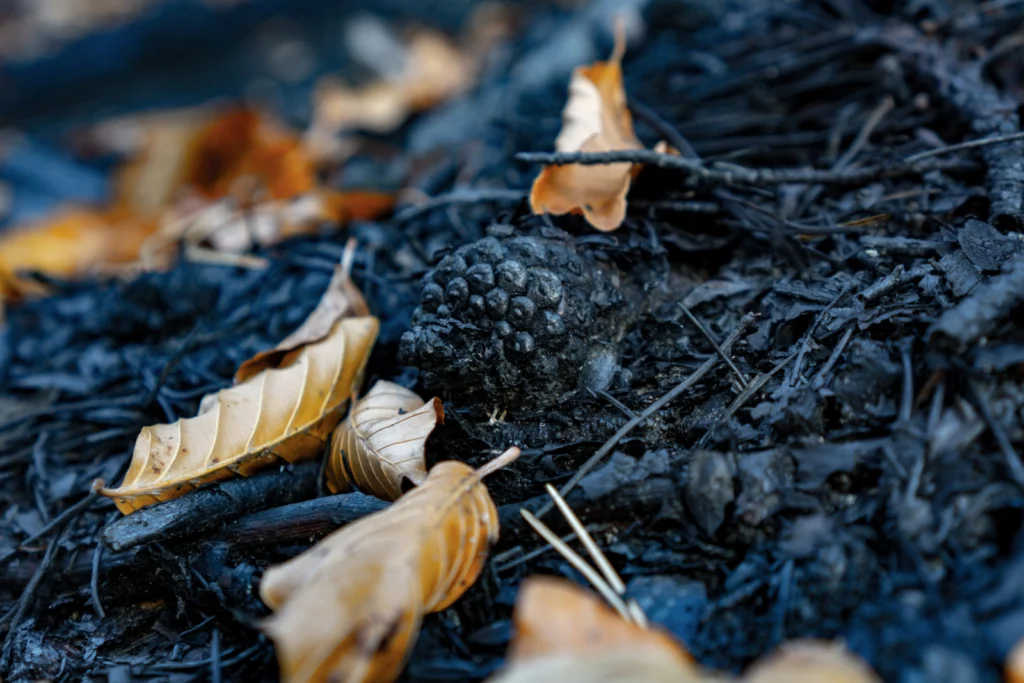
Imaggeo On Monday: Beech leaves on burned ground
A charred pine cone lies on the ground of a mixed beech-pine forest following a forest fire in the Rax-Schneeberg region of Austria in 2021. The charred pine cone and litter are surrounded by unburned yellow beech leaves that fell to the ground after the surface fire. Pyrogenic carbon such as the charred pine cone …[Read More]
Imaggeo On Monday: The many sides of Australia’s bushfires
Bushfires in Australia are frequent in the hot and dry months characteristic of its climate. Their severity and seasonality is affected by climate change, and they impact extensive areas every year. At first sight, they might look harmful and dangerous, since they can cause property damage and loss of human life. However, the natural …[Read More]
Imaggeo On Monday: Burnt roots
Fires are a common and often natural worldwide phenomena, that are often integral to the lifecycle of certain land-based ecosystems. Despite this, frequent or unusually intense fires can have significant effects on plant productivity, plant community composition and root properties. Although many trees have evolved to grow in fire prone areas, they usually have certain …[Read More]
Imaggeo on Mondays: Setting trees aflame to understand the carbon balance of fires
Smoke clears after an experimental wildfire in Australian eucalyptus forest carried out for carbon balance estimations of wildfires. We meticulously measured the carbon in all leaves, twigs, logs and bark in a forest block about 35km east of Manjimup and then they set it on fire with help from the Dept. of Parks and Wildlife, …[Read More]
Imaggeo on Mondays: At the edge of a wildfire
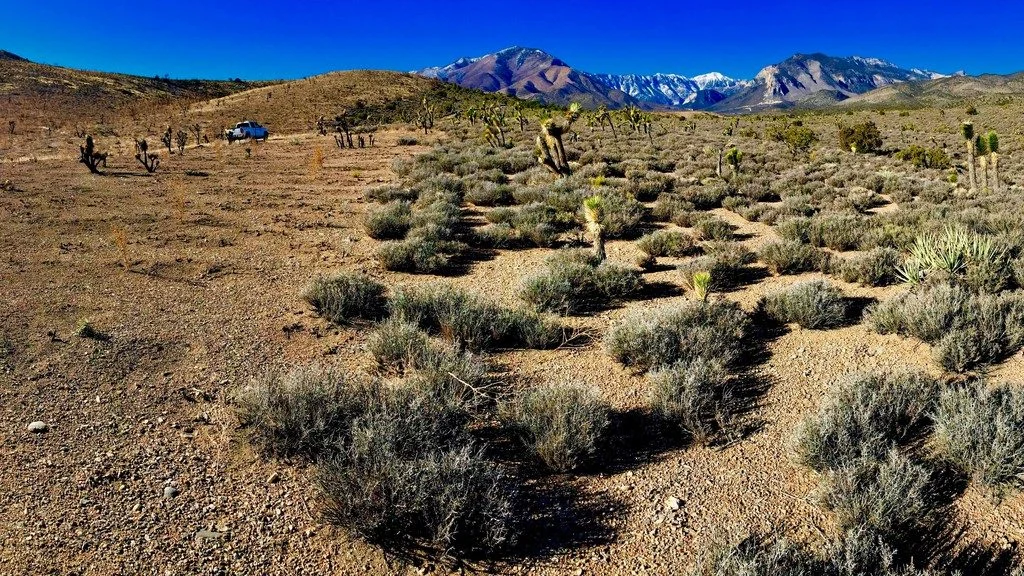
The Carpenter 1 fire burned approximately 11,000 ha in the Spring Mountain National Recreation Area (Humboldt-Toiyabe National Forest) near Las Vegas, Nevada between July 1, 2013 and its containment on August 18, 2013. The left side of the photo shows the fire affected arid desert scrub ecosystems at 1500 m (foreground) to subalpine pine ecosystems …[Read More]
Imaggeo on Mondays: A painted forest fire
This week’s featured image may appear to be a painted landscape, but the picture is in fact a photo, taken ten years ago by Victoria Arcenegui, an associate professor at Miguel Hernández University in Spain, during a controlled forest fire in northern Portugal. The blaze is actually hot enough to distort the image, making some …[Read More]
A better framework for disasters
The end of the Northern hemisphere summer tends to be a good time to regroup from natural hazards, as the frequency and intensity of storms, as well as the incidence of wildfires, tends to trail off. At the time of writing, however, Hurricane Willa had just crashed into Mexico, while Typhoon Yutu has just hit …[Read More]