GeoLog

Tectonics and Structural Geology

Why do Earth’s hidden stress fields matter for our future? Let’s explore the latest insights from the World Stress Map database
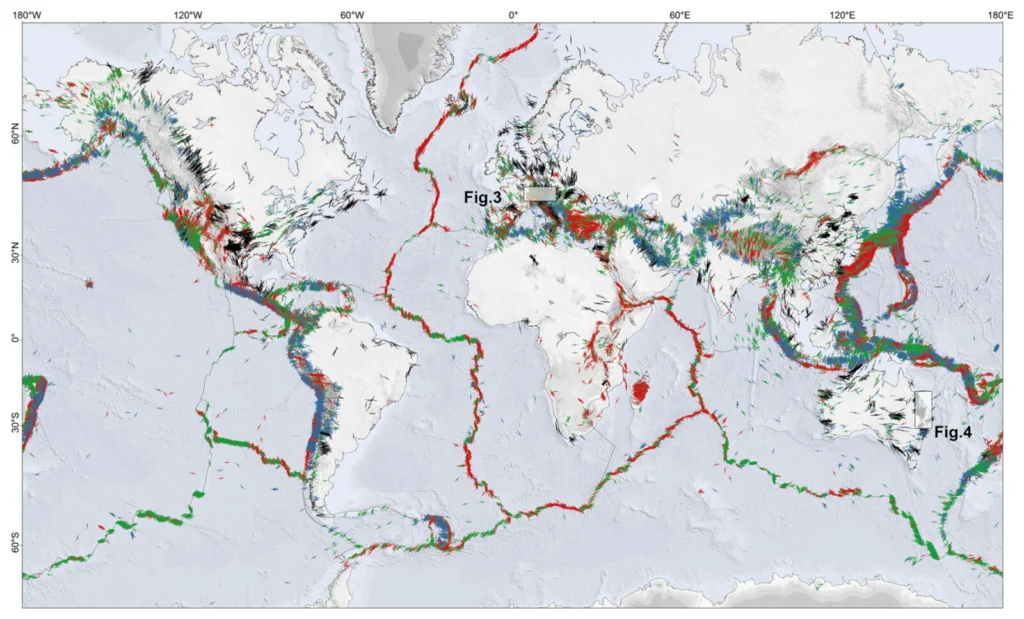
Why do Earth’s hidden stress fields matter for our future? Let’s explore the latest insights from the World Stress Map database
Beneath the serene landscapes we inhabit, the Earth’s crust is a battleground of constant, immense, and invisible tectonic forces. While humanity typically only notices this deep-seated stress when it violently releases in the form of an earthquake and volcanoes, these forces have always been shaping the structural bedrock of our planet. Understanding this hidden architecture is one of the most vi ...[Read More]

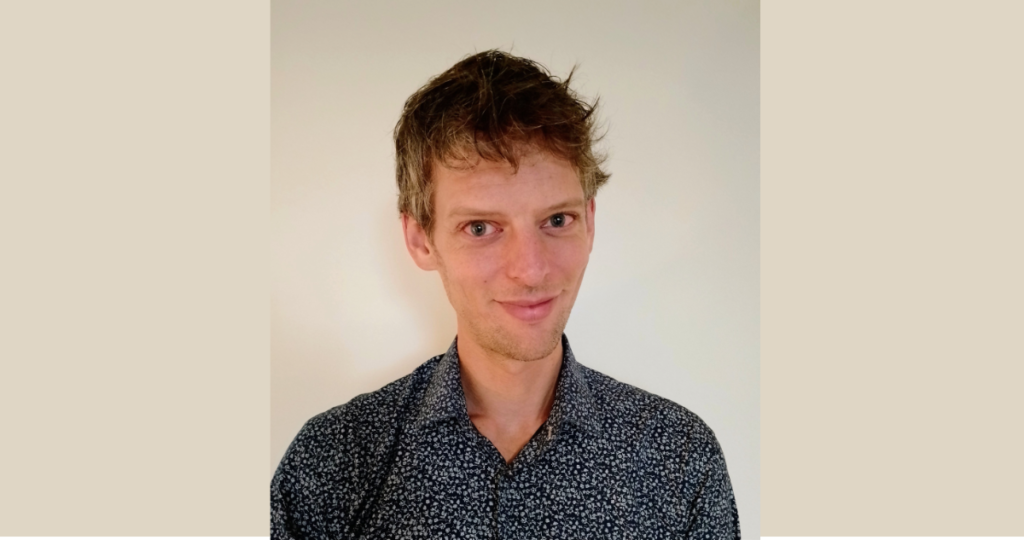
GeoTalk: meet Gino de Gelder, researcher of the link between tectonics, sea-level rise & coral reefs!

GeoTalk: meet Gino de Gelder, researcher of the link between tectonics, sea-level rise & coral reefs!

Hello Gino! Welcome to GeoTalk. Could you tell our readers a little bit about yourself and your background? Sure thing! My background is mostly in tectonics, geomorphology and the evolution of (active) fault systems, which I developed during my studies at Utrecht University and my PhD at the IPGP (Paris). Initially I focused on the way that coastlines record either uplift or subsidence in response ...[Read More]

Plate Tectonics and Ocean Drilling – Fifty Years On

Plate Tectonics and Ocean Drilling – Fifty Years On

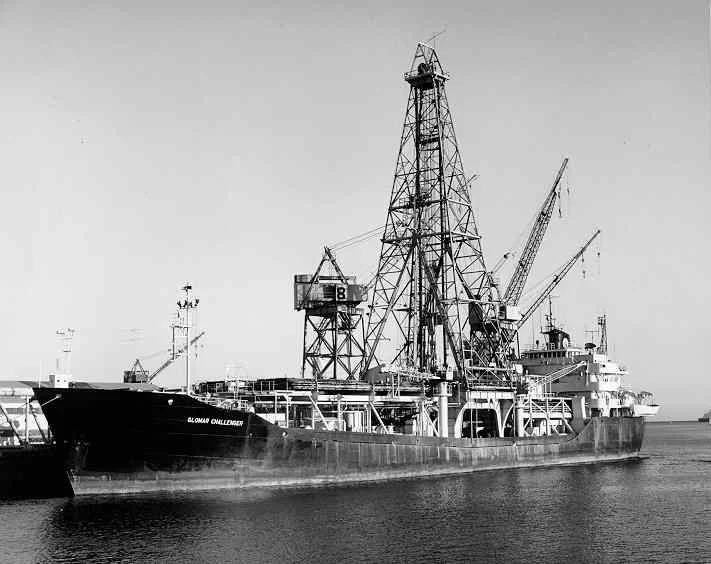
What does it take to get a scientific theory accepted? Hard facts? A strong personality? Grit and determination? For many Earth Scientists today it can be hard to imagine the academic landscape before the advent of plate tectonics. But it was only fifty years ago that the theory really became cemented as scientific consensus. And the clinching evidence was found in the oceans. Alfred Wegener had p ...[Read More]

GeoTalk: The life and death of an ocean – is the Atlantic Ocean on its way to closing?

GeoTalk: The life and death of an ocean – is the Atlantic Ocean on its way to closing?

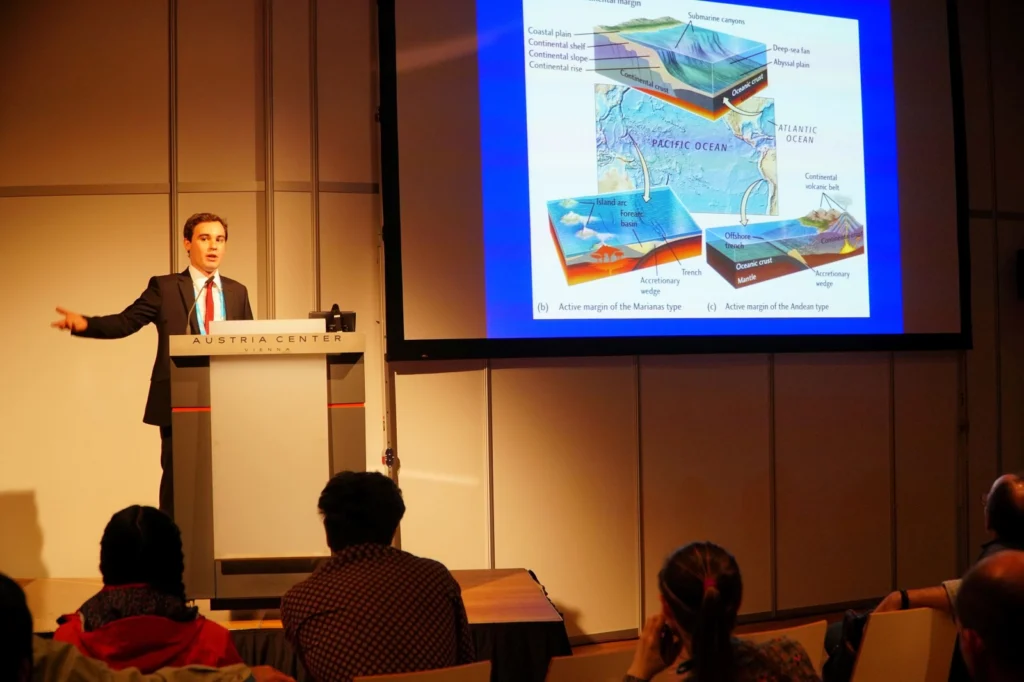
Geotalk is a regular feature highlighting early career researchers and their work. Following the EGU General Assembly, we spoke to João Duarte, the winner of a 2017 Arne Richter Award for Outstanding Early Career Scientists.  João is a pioneer in his field. He has innovatively combined tectonic, marine geology and analogue modelling techniques to further our understanding of subduction initiation ...[Read More]

Imaggeo on Mondays: Deep in the Himalayas

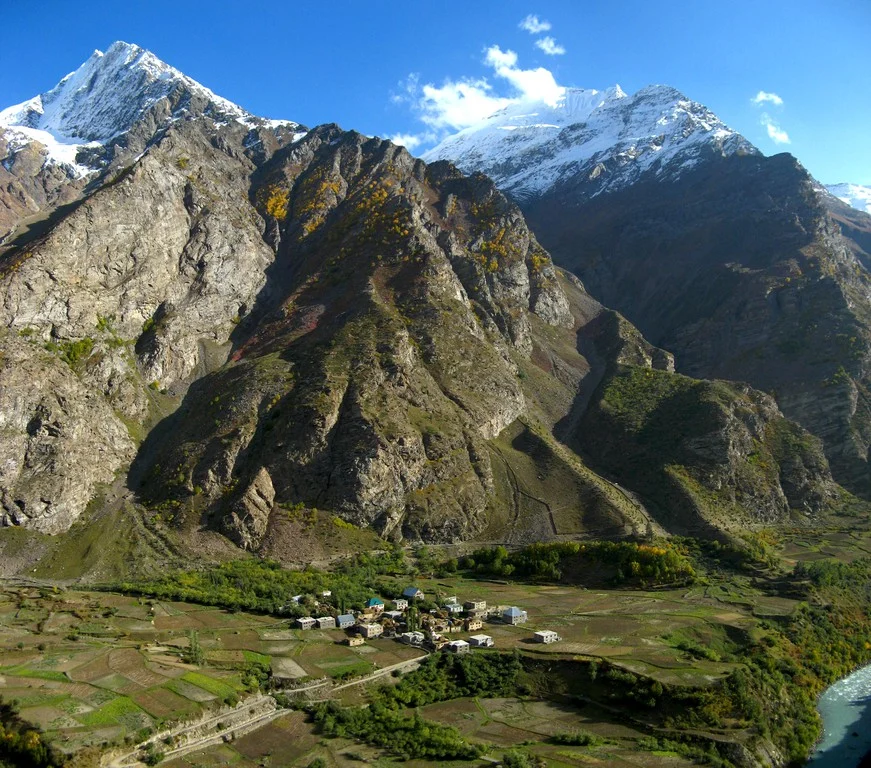
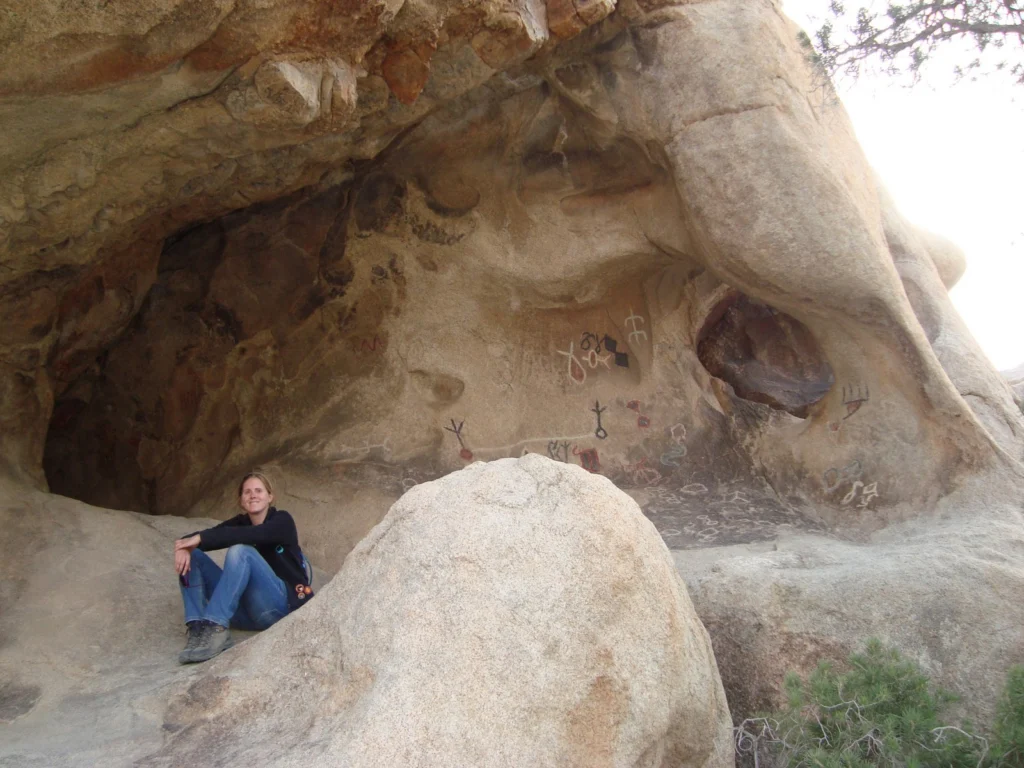
The Himalayas: vast, formidable and home to the Earth’s highest peaks. The mountain range stretches inexorably through Indian, Bhutan, Nepal, China (Tibet) and Pakistan separating the Tibetan Plateau to the north from India’s alluvial plains to the south. India, as we know it today, started life much further south, as an island not far off the coast of Australia. It was separated from ...[Read More]

Imaggeo on Mondays: The road to nowhere – natural hazards in the Peloponnese

Imaggeo on Mondays: The road to nowhere – natural hazards in the Peloponnese

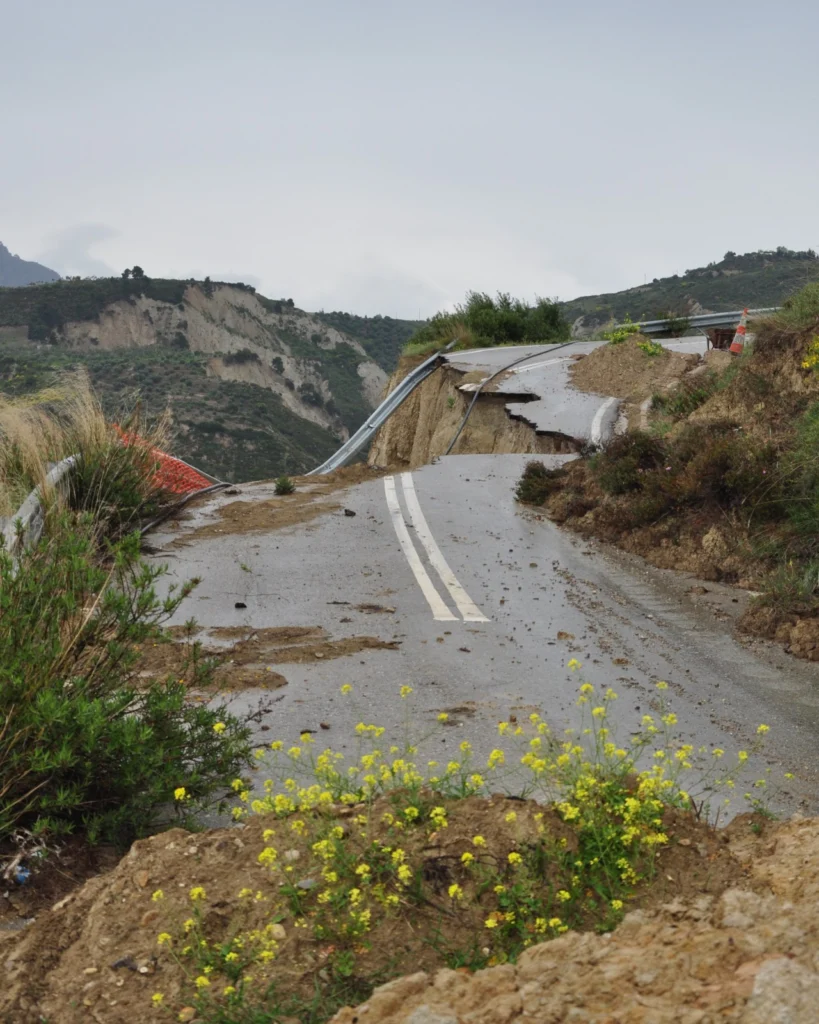
The Gulf of Corinth, in southern Greece, separates the Peloponnese peninsula from the continental mainland. The structural geology of the region is complex, largely defined by the subduction of the African Plate below the Eurasian Plate (a little to the south). The Gulf itself is an active extensional marine basin, i.e., one that is pulling open and where sediments accumulate. Sedimentary basins r ...[Read More]

Geosciences Column: Earthquakes and depleted gas reservoirs; what comes first?

Geosciences Column: Earthquakes and depleted gas reservoirs; what comes first?

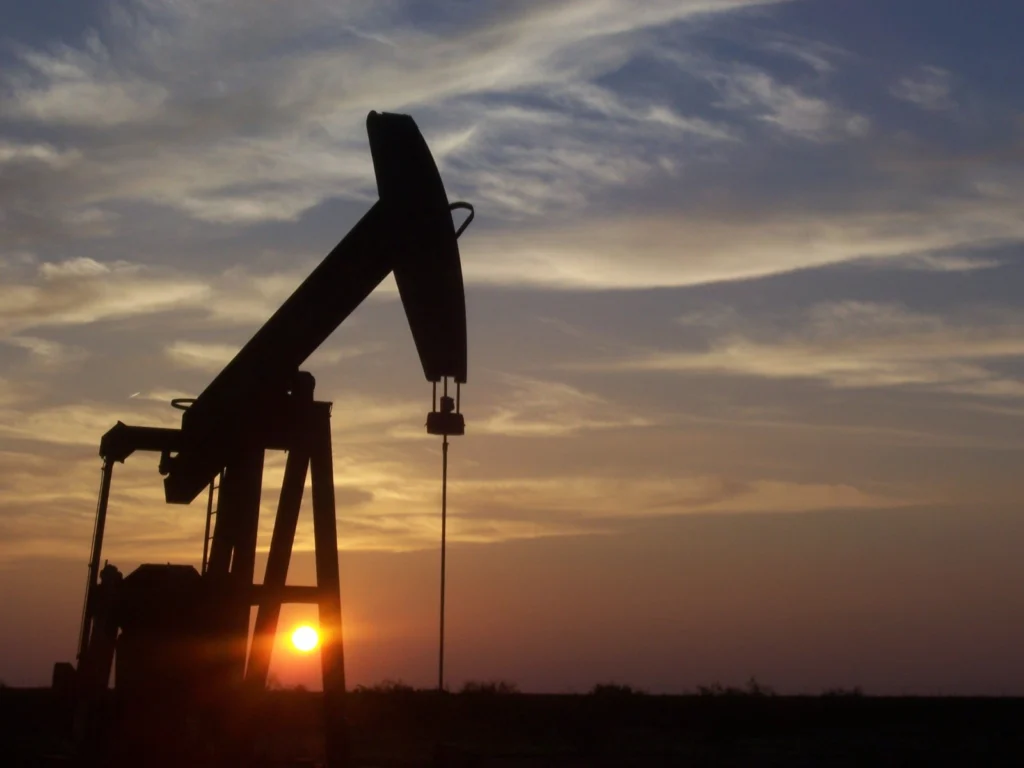
An ever growing population means the requirement for resources to fuel our modern lifestyles grows too. Be it in mining, oil/gas extraction or the improvement of renewable technologies, the boundaries of where and how we access resources are constantly being pushed. Previously inaccessible resources become viable prospects as demand increases and our technological know-how advances. Hand in hand w ...[Read More]

GeoTalk: Anne Pluymakers, Early Career Scientist Representative

GeoTalk: Anne Pluymakers, Early Career Scientist Representative

In addition to the usual GeoTalk interviews, where we highlight the work and achievements of early career researchers, over the next few months we’ll be introducing the Division early career scientist representatives (ECS). They are responsible for ensuring that the voice of EGU ECS membership is heard. From organising short courses during the General Assembly, through to running Division Blogs an ...[Read More]