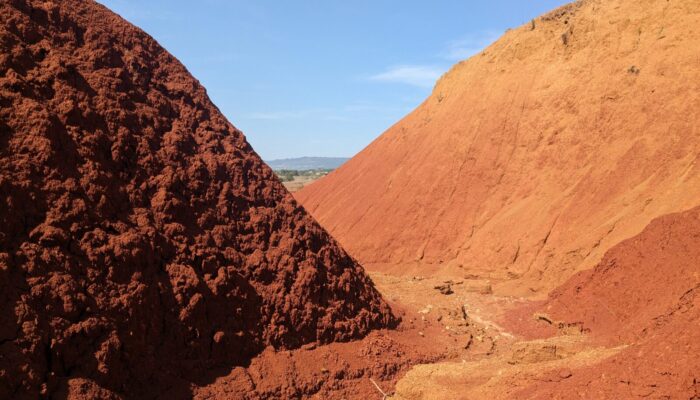
Happy International Soil Day (5 December)! Today, we’re celebrating the incredible capacity of soil organic carbon (SOC) to fight climate change. But hold the celebratory cake! A paper in the journal SOIL by Raza et al. (2025) has exposed an unexpected scientific blind spot, and it’s a bit surprising! The paper, titled “Missing the input: the underrepresentation of plant physiology in ...[Read More]
GeoTalk: #BlackInTheMud panellists reflect on Black in Geoscience Week 2020
After telling a personal and traumatizing field experience to my fellow colleagues of color, I found that we all had shared similar events! Shocked and outraged, I wanted to find a place to expose and highlight these events thus the #BlackInTheMud panel was created. This event was inspired by this picture. And it’s so funny because this photo has been used, until it’s almost like a stock photo on ...[Read More]
Don’t leaf it to the trees: Amazonian soils also work to store carbon.
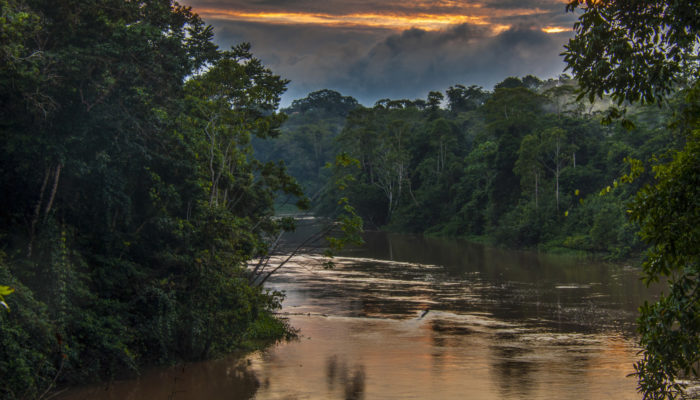
The Amazon rainforest covers an area of 5.5 million km² and is well known for being an invaluable global resource for carbon storage. But it’s not just the trees and vegetation of the Amazonian rainforest that lock in and store carbon – the very soil in these forests can do the same thing, according to research published in EGU’s journal SOIL earlier this year. In this study Carlos Alberto Quesada ...[Read More]
Could beavers be responsible for long-debated deposits?
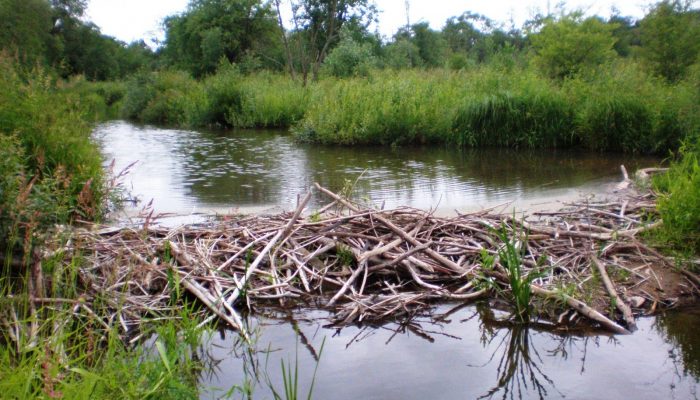
Following her presentation at the European Geosciences Union General Assembly in Vienna, I caught up with geomorphologist and environmental detective Annegret Larsen from the University of Lausanne, Switzerland, about beavers, baffling sediments and a case she’s been solving for the past seven years. Back in 2012 the German geomorphology community was seriously debating the source of buried black ...[Read More]