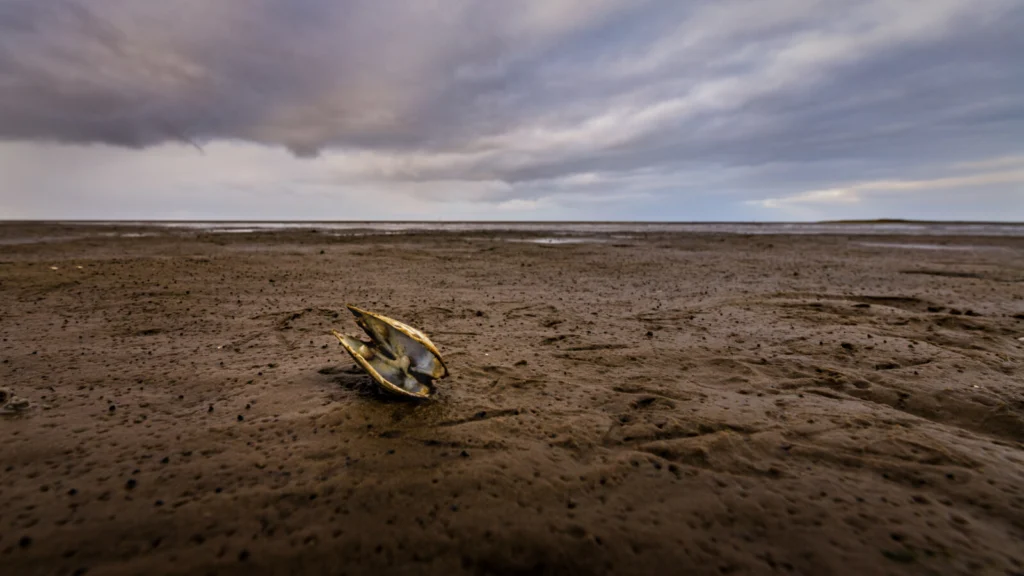
Tidal flats, the muddy reaches of estuaries unveiled at low tide, support rich ecosystems and fisheries worldwide. But these habitats are under threat from climate change, as sea level rise overwhelms the landscape and heavy rainfall scours away the sediment – impacts that scientists are only just beginning to explore. In an effort to understand how shellfisheries are affected by climate change, a ...[Read More]
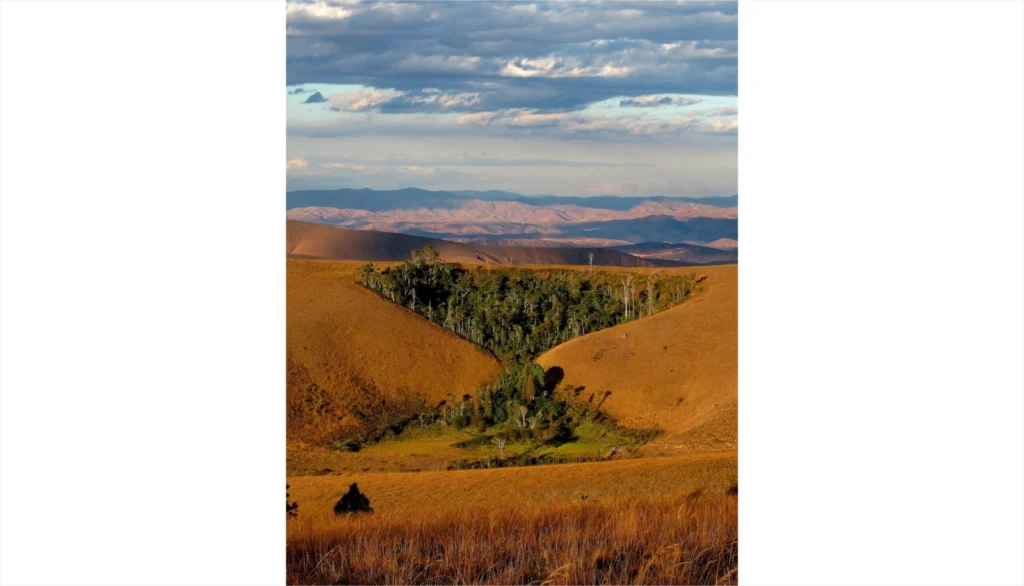
Imaggeo On Monday: Stands of Time
Within the heart of the Malagasy Hauts-Plateaux, the rolling grasslands are pitted by deep incisions locally referred to as lavaka (‘hole’ in Malagasy). These mass failure features provide vast quantities of terrestrial matter to local freshwater arteries, accounting for over 80% of the annual sediment load of the Betsiboka River. The collapse of the overlying laterite exposes a comparatively nutr ...[Read More]
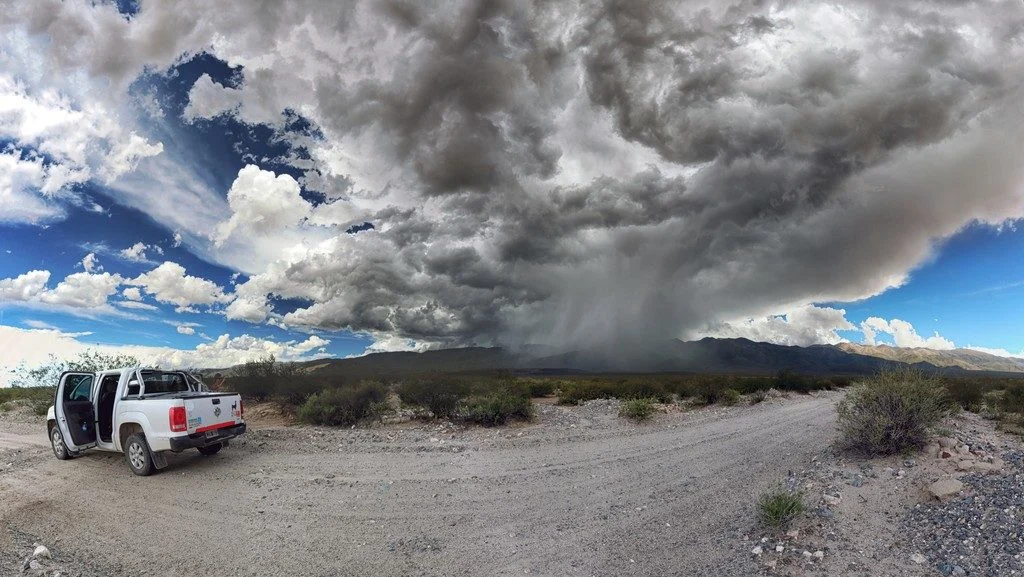
Imaggeo on Mondays: how short-term storms can impact our landscapes
In the Sierra de Aconquija, a mountain range in the southern Central Andes of Argentina, strong storms often come and go at a moment’s notice, but they can have a long-lasting impact on the Earth’s surface. The thunderstorm cell featured in this photo formed in less than half an hour, giving all those nearby only a few minutes to take cover. Mitch D’Arcy, a geomorphologist and postdoctoral researc ...[Read More]
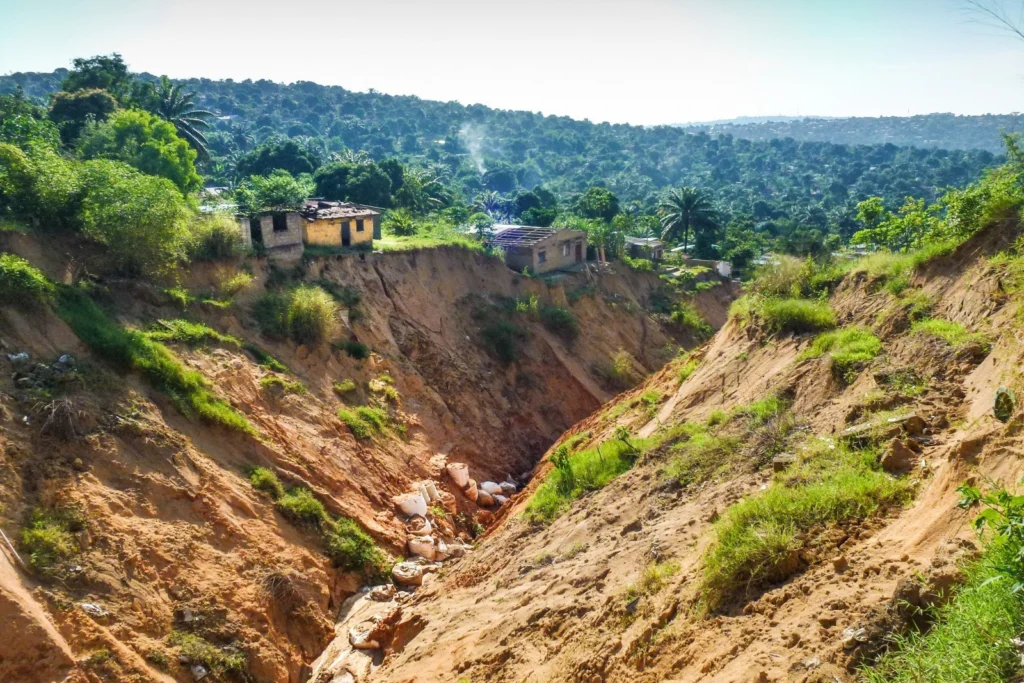
GeoTalk: Severe soil erosion events and how to predict them
Geotalk is a regular feature highlighting early career researchers and their work. In this interview we speak to Matthias Vanmaercke, an associate professor at the University of Liège in Belgium who studies soil erosion and land degradation across Europe and Africa. At the EGU General Assembly he received the 2018 Soil System Sciences Division Outstanding Early Career Scientists Award. Thanks for ...[Read More]
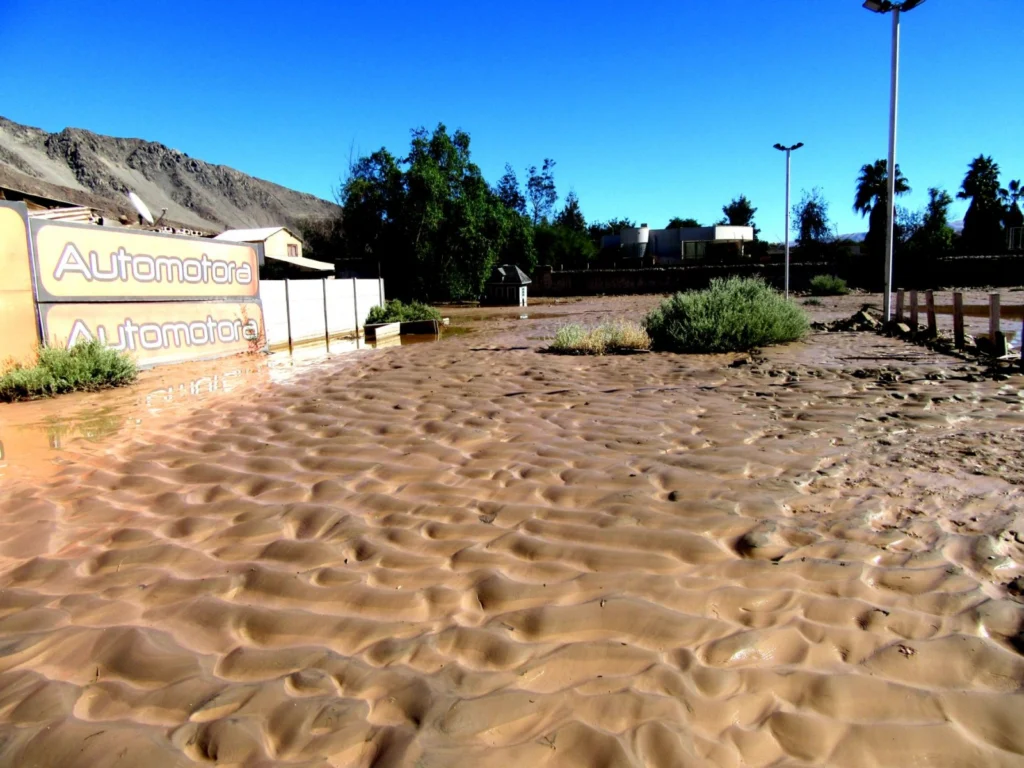
Imaggeo on Mondays: Sedimentary record of catastrophic floods in the Atacama desert
Despite being one of the driest regions on Earth, the Atacama desert is no stranger to catastrophic flood events. Today’s post highlights how the sands, clays and muds left behind once the flood waters recede can hold the key to understanding this natural hazard. During the severe rains that occurred between May 12 and 13, 2017 in the Atacama Region (Northern Chile) the usually dry Copiapó R ...[Read More]
Dust in the desert: The Skeleton Coast – Foggy, dusty & demanding – part 3 of 3
In this third instalment in this series our journey takes us into the Skeleton Coast. Synonymous with shipwrecks and known as “The Land God Made in Anger” to indigenous Bushmen this coastal desert has been protected as a National Park since 1971. Similar to many of Namibia’s National Parks, the Skeleton Coast does not allow anyone to stay overnight within its boundaries. However at over 16,000 km2 ...[Read More]
Dust in the desert: The Kuiseb and Tschaub Rivers – part 2 of 3
The dust in the desert series continues this week as James King shares his experience of fieldwork in Nambia… Our base of operations is located in Swakopmund, a sea-side town of German heritage. This has two benefits: pastries and unrivalled hardware stores. The amount of supplies (hardware, not cake) that this sleepy Namibian town has puts most major UK cities to shame; proving to be an essential ...[Read More]
Dust in the desert: Measuring it is only half the battle – Part 1 of 3
Fieldwork is vital to understanding all sorts of Earth processes, but that doesn’t make it easy! James King, a researcher from the University of Oxford, describes what it takes to set off on a scientific expedition… Although the classic text on sediment transport by wind by Sir Ralph Bagnold was written way back in 1941, the mechanics of dust storms and their effects on the climate are still ...[Read More]
GeoTalk: Simon Mudd
Today in GeoTalk, we’re talking to Simon Mudd, an exceptional and forward-thinking geomorphologist. First, could you introduce yourself and let us know a bit about what you are currently working on? I am lecturer in Landscape Dynamics at the University of Edinburgh, where I have been since 2007. Before that I was a post-doc at Vanderbilt University, in Nashville Tennessee. I received my PhD from V ...[Read More]