GeoLog

science policy interface

GeoPolicy: Insights for the Green and Digital Transition
GeoPolicy: Insights for the Green and Digital Transition

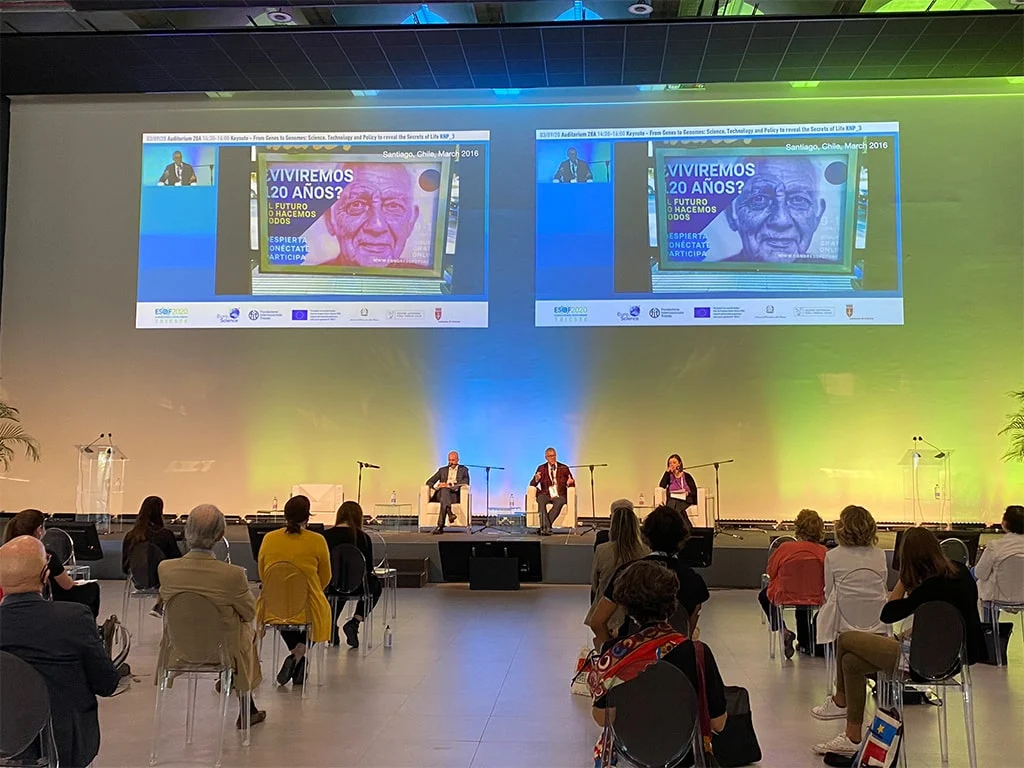
This month’s GeoPolicy Blog post dives into the Science Europe publication, Science–Policy in Action: Insights for the Green and Digital Transition, which aims to contribute to the development of a framework for Science-Policy Interfaces, map the interface activities coordinated by their member organisations, and identify areas where these activities could be improved. Not only does …[Read More]

GeoPolicy: All about the European Parliament Intergroup on ‘Climate Change, Biodiversity and Sustainable Development’

GeoPolicy: All about the European Parliament Intergroup on ‘Climate Change, Biodiversity and Sustainable Development’

This month’s GeoPolicy blog features an interview with Ilias Grampas, Manager of the European Parliament Intergroup (EP) on ‘Climate Change, Biodiversity and Sustainable Development’ and Deputy Director of the European Bureau for Conservation and Development (EBCD). Ilias was kind enough to answer some of my burning questions about the role of the EP Intergroup in …[Read More]

GeoPolicy: Get involved in science-policy events this autumn!

GeoPolicy: Get involved in science-policy events this autumn!

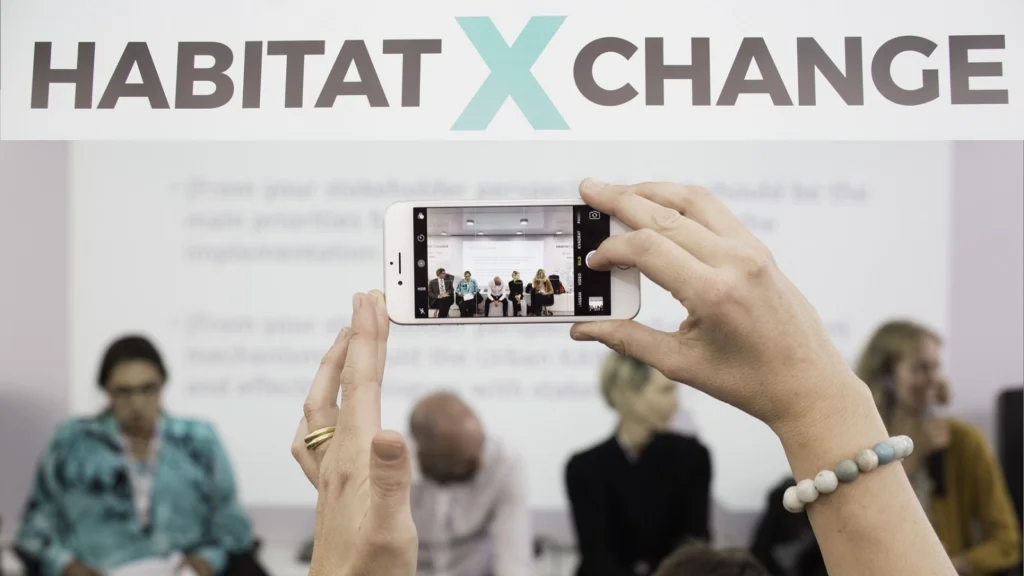
Now that summer is over, policy events are back in full swing! With most events still being online, they are easily accessible and generally free of charge. The EGU has an External Science for Policy Events Calendar that lists upcoming policy-related events that are likely to be of interest to geoscientists. This can be a …[Read More]

GeoPolicy: Making a case for science at the United Nations

GeoPolicy: Making a case for science at the United Nations

This month’s GeoPolicy is a guest post by the International Council for Science (ICSU). Based in Paris, the organisation works at the science-policy interface on the international scale. Here, Heide Hackmann, Executive Director at ICSU, highlights key initiatives ensuring science is present within the United Nations (UN) and explains how ICSU and the scientific community …[Read More]