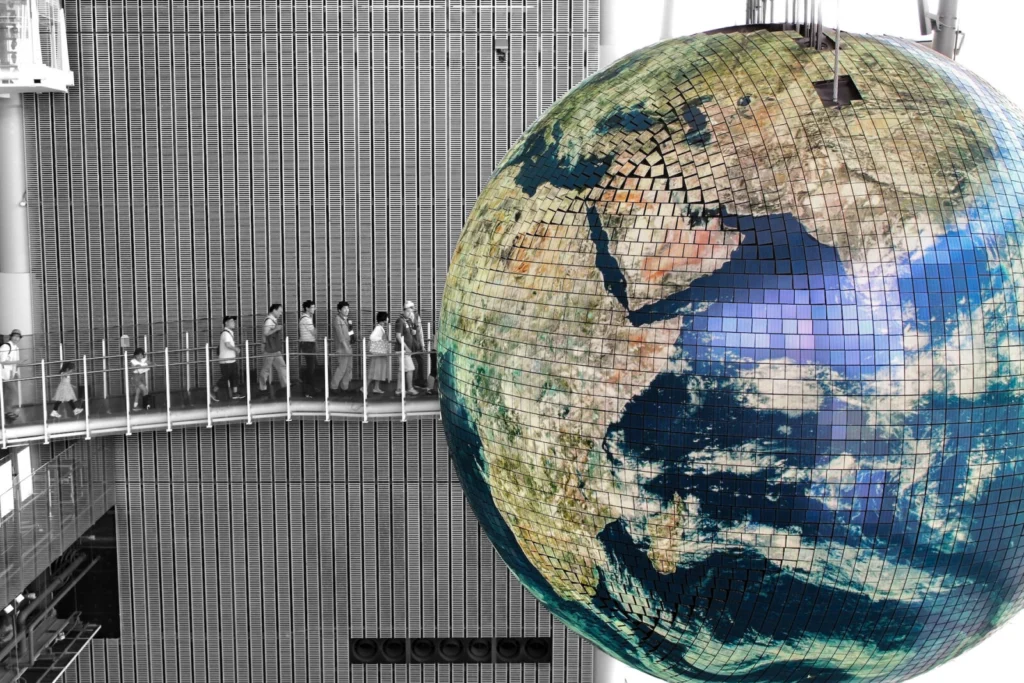
As the air grows crisp and autumn’s colors begin to emerge in many parts of the Northern Hemisphere, I’m reminded that we’re approaching a special time of year for those of us who love the Earth. It’s Earth Science Week (12-18 October 2025), and this year, the theme Energy Resources for Our Future feels incredibly personal. Our lives are powered by energy, and this week is a chance to look a littl ...[Read More]
resources
Higher Education Resource: Sandbox Modelling for Basin Development
The European Geosciences Union (EGU) supports bringing science into the classroom at all learning levels, from schools to universities. Since the Higher Education Teaching grant programme launched in 2020, EGU has funded 24 projects to develop useful and freely available geoscience resources to university educators. This blog is part of a series of blogs highlighting the innovative and accessible ...[Read More]
A helping hand: what career support does EGU offer?
One of the biggest challenges anyone leaving their undergraduate degree faces is often what to do next? Do you pursue a career inside academia, or seek work in a different field, in industry or policy, or something completely different? What if you change your mind part way down one of those paths and want to change, either moving back into academic research at a later stage, or leaving academia a ...[Read More]
Imaggeo on Mondays: The salt mine carving into the Carpathians
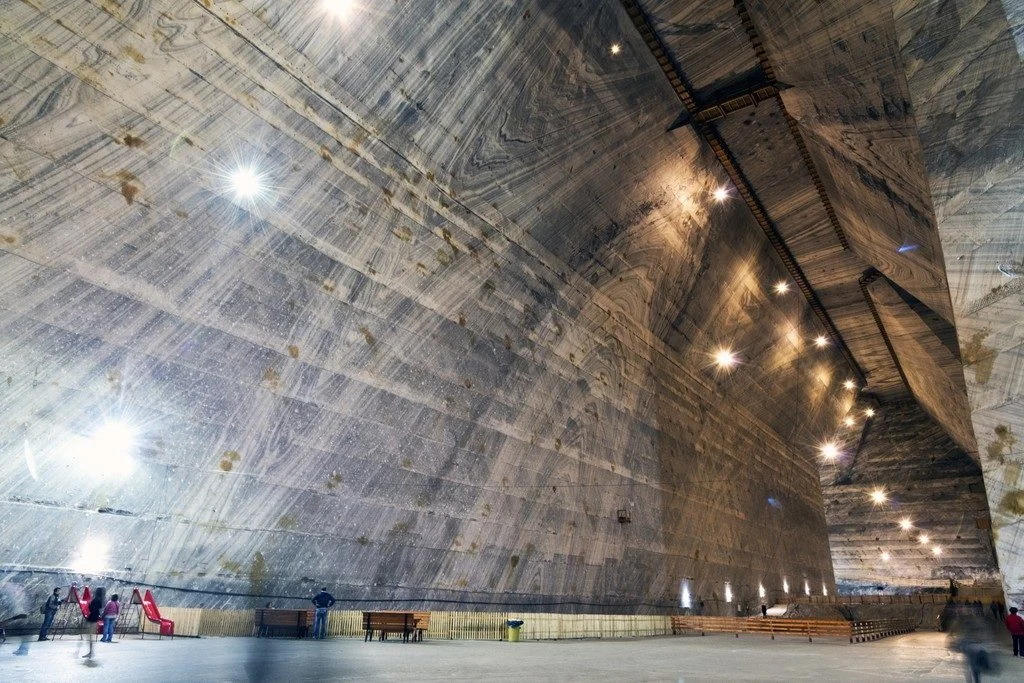
The image gives us a glimpse into the Slănic Salt Mine in central Romania, about 100 kilometres north of the capital city Bucharest. The region was actively mined for almost 30 years, from 1943 to 1970. The Slănic Salt Mine is the largest salt mine in Europe, and the facility consists of 14 large chambers, each more than 50 metres high. The cavities of the mine, more than 200 metres deep, carve in ...[Read More]
The ReSToRE summer school on the sustainable development of Earth resources: reflecting back
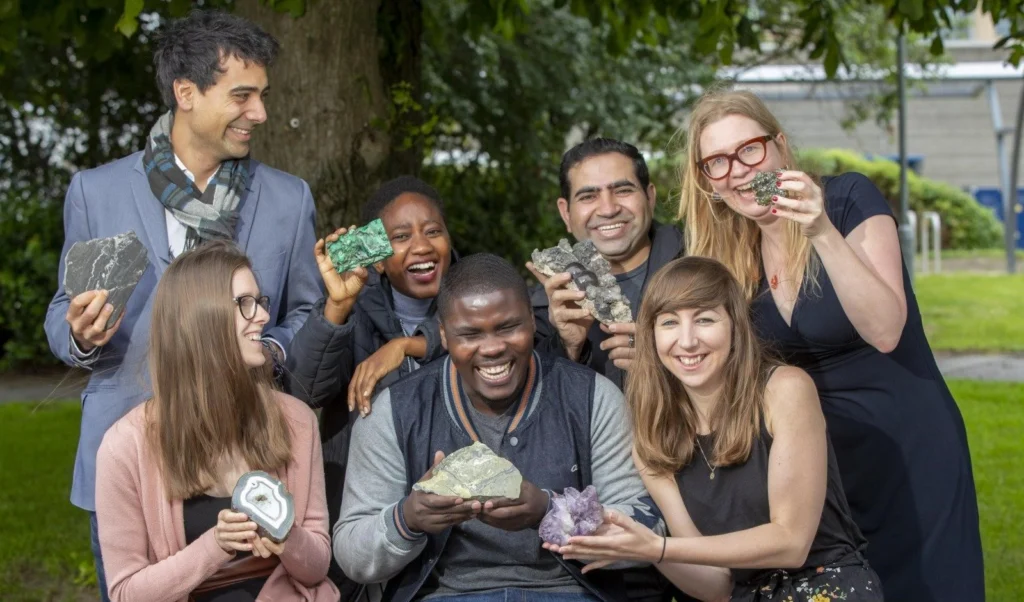
How can we source and use Earth resources in an ethical and responsible way? And how can we bring different actors and communities together to achieve sustainable resource development? These are just some of the questions that early career researchers from around the world came together to discuss during the inaugural Researching Social Theories, Resources, and the Environment International Summer ...[Read More]
Imaggeo on Mondays: Isolated atoll
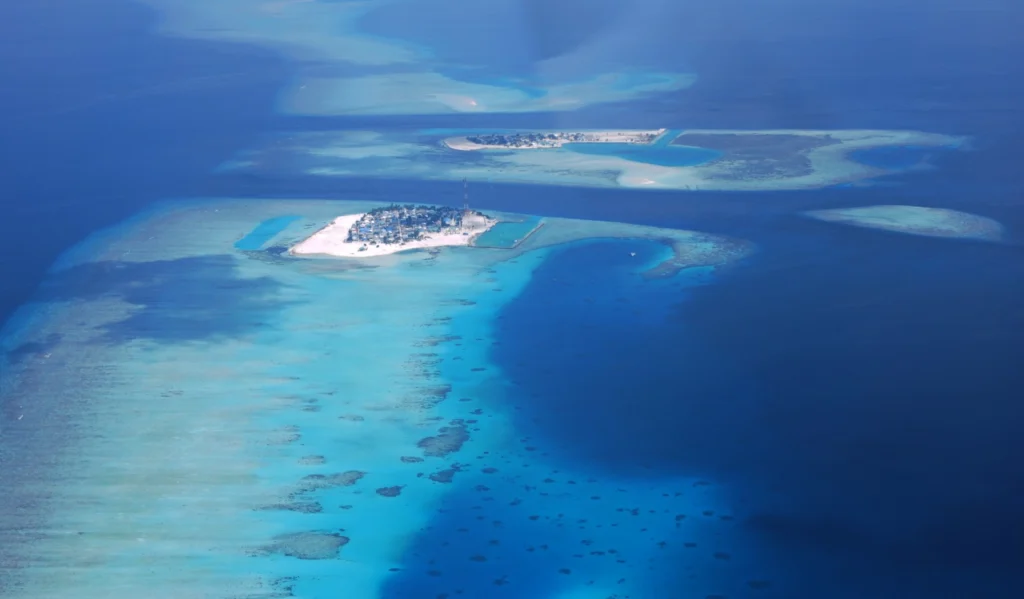
Covering a total area of 298 km², the idylic natural atolls and reefs of the Maldives stretch across the Indian Ocean. The tropical nation is famous for it’s crystal clear waters and picture perfect white sand beaches, but how did the 26 ring-shaped atolls and over 1000 coral islands form? Coral reefs commonly form immediately around an island, creating a fringe which projects seawards from the sh ...[Read More]
Imaggeo on Mondays: Breath from the underground
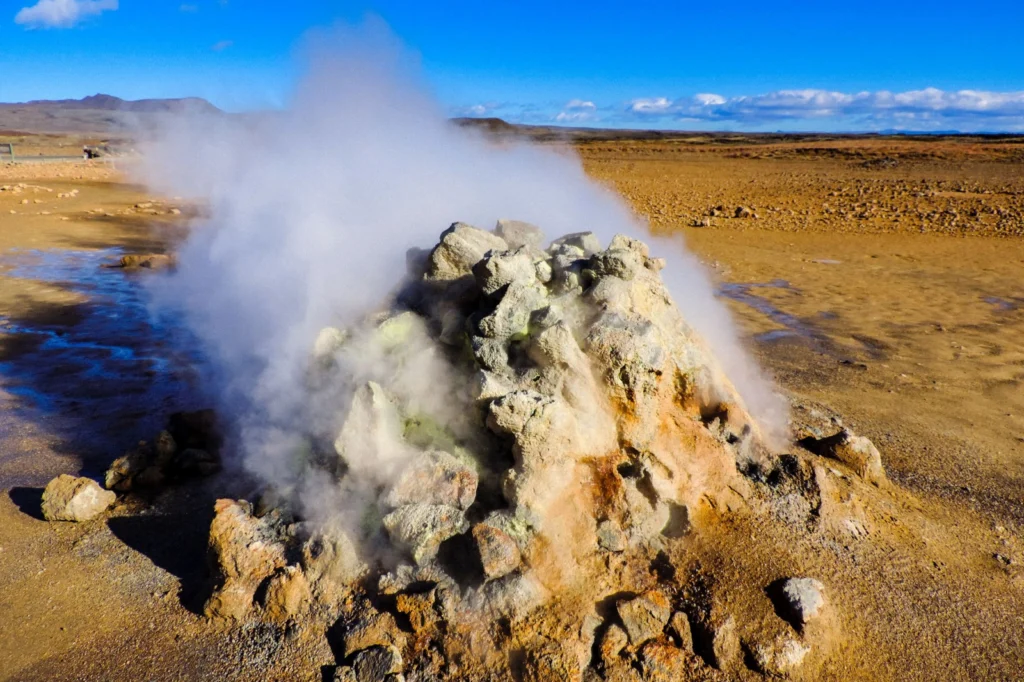
The heat seeping from the geothermal area which is part of the Krafla volcanic system in Iceland, ‘powers’ the steaming vent at Hverir (Hverarönd). The area is well known for its mud pots and sulphuric gas fumaroles, complete with pungent eggy smell. Some of the vents are in fact boreholes drilled in the 50’s for sulphur exploration which have been turned into fumaroles, the steam is a resul ...[Read More]
Geoscience hot topics – Part II: the Earth as it is now and what its future looks like
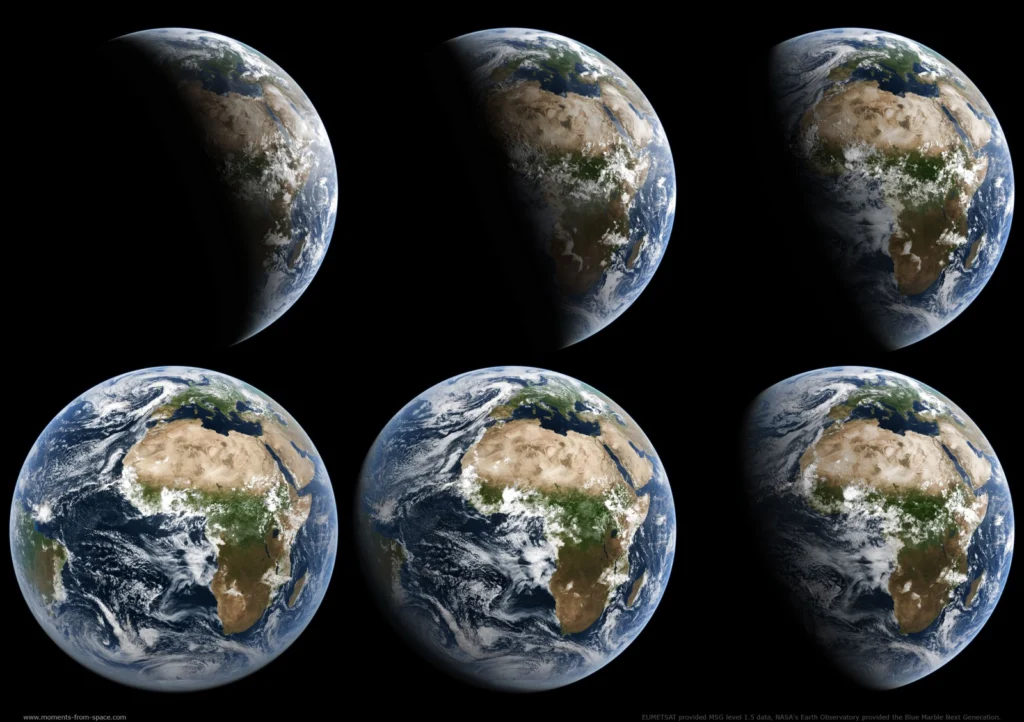
What are the most interesting, cutting-edge and compelling research topics within the scientific areas represented in the EGU divisions? Ground-breaking and innovative research features yearly at our annual General Assembly, but what are the overarching ideas and big research questions that still remain unanswered? We spoke to some of our division presidents and canvased their thoughts on what the ...[Read More]
The ethics of mining
This guest blog post is brought to you by Nick Arndt, Professor at ISTerre and convenor of the the Great Debate at last year’s General Assembly, Metals in our backyard: to mine or not to mine. During the Great Debate the issue of whether the environment impact of mining outweighs the benefits vs. domestic metal production was questioned. With Europe currently importing between 60-100% of the metal ...[Read More]
GeoCinema Online: Our changing Climate
Welcome to the third instalment of Geocinema! The focus this week is on climate change and how it impacts on local communities. Sit back, relax and make sure you’ve got a big bucket of popcorn on the go, as this post features a selection of short documentaries as well as trailers of feature length films. Documenting the effects of the warming conditions on the surface of our planet is the primary ...[Read More]