GeoLog

permafrost

Imaggeo on Mondays: The surprising beauty of the Arctic tundra
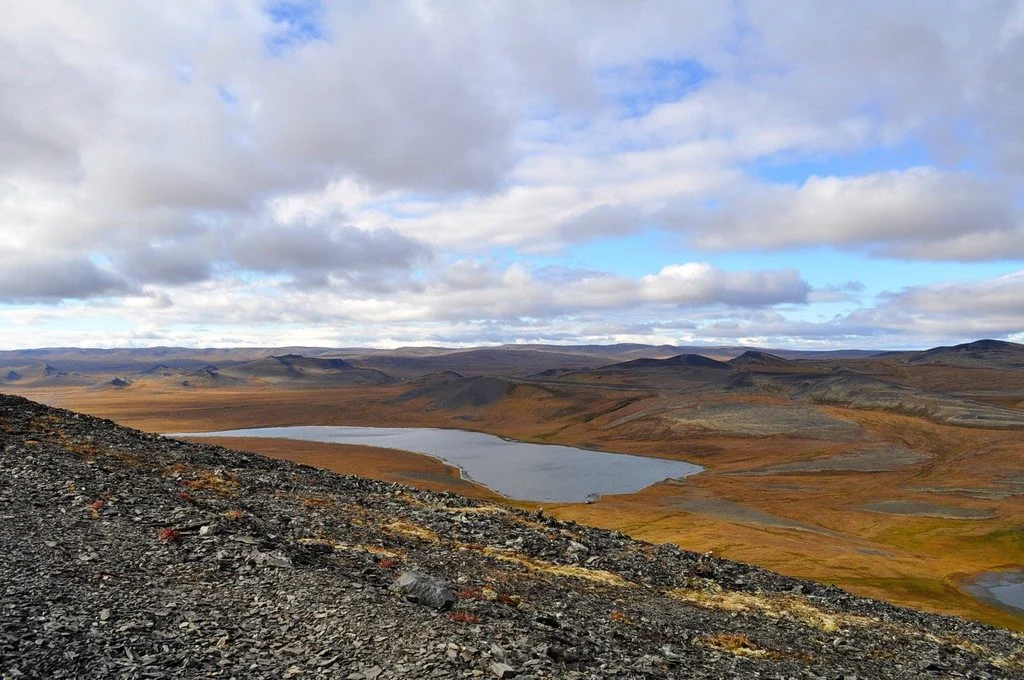
Imaggeo on Mondays: The surprising beauty of the Arctic tundra
Close your eyes and try to imagine first thing which comes to your mind, when somebody says “Tundra”. What would you imagine? Being a master student, I imagined cold, flat and a dead field. In fact, Tundra turn out to be completely different, at least in September 2010, when I and my colleagues were lucky to visit it. As it is well known from textbooks no big trees grows in Tundra, how ...[Read More]

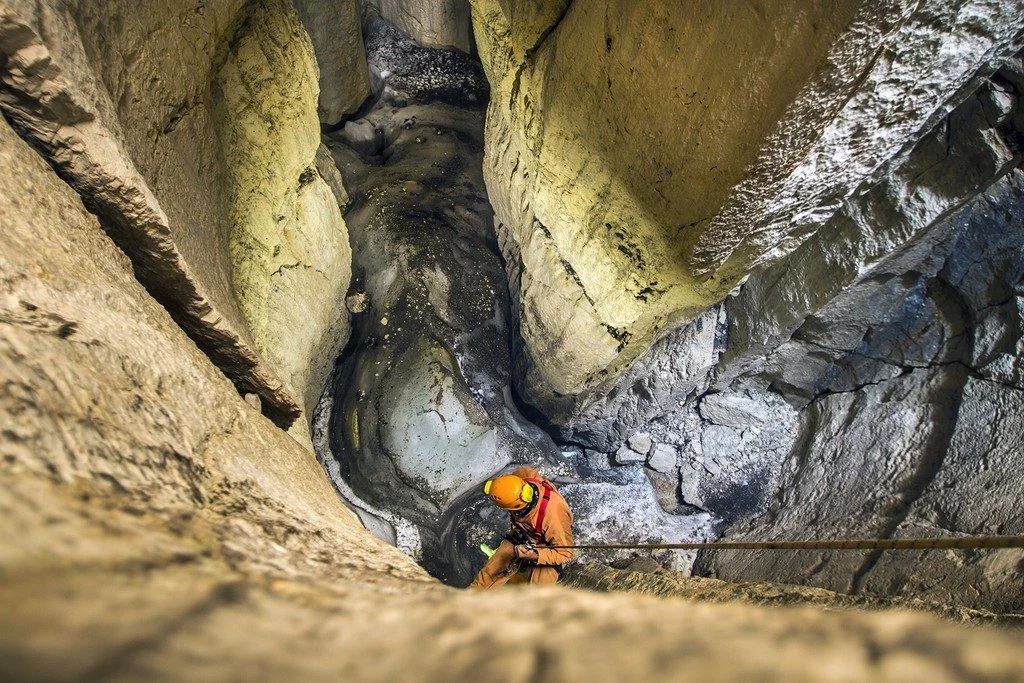
Imaggeo on Mondays: Exploring ice in the deep

Imaggeo on Mondays: Exploring ice in the deep

The occurrence of sporadic permafrost in the Alps often needs challenging fieldwork in order to be investigated. Here in the high altitude karstic plateau of Mt. Canin-Kanin (2587 m asl) in the Julian Alps (southeastern European Alps) several permanent ice deposits have been recently investigated highlighting how also in such more resilient environments global warming is acting rapidly. Important ...[Read More]

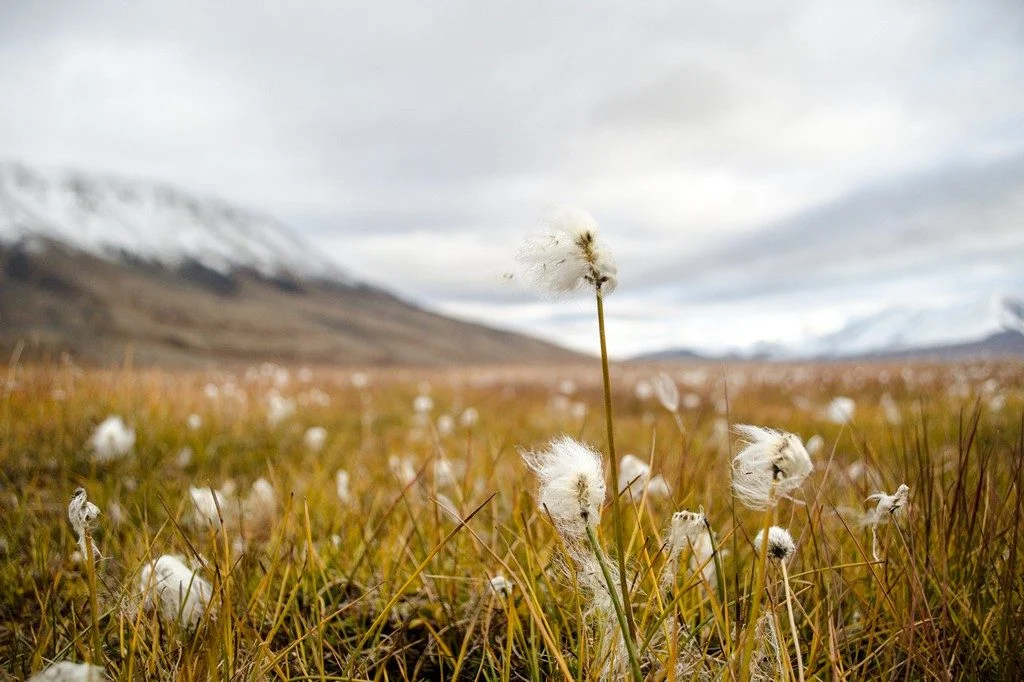
Imaggeo on Mondays: Arctic cottongrass in Svalbard

Imaggeo on Mondays: Arctic cottongrass in Svalbard

In the High Arctic, where vegetation is limited in height, cottongrass stands out as some of the tallest plant species around. This photo shows a wispy white patch of Arctic cottongrass growing amongst other tundra vegetation in the Advent river floodplain of Adventdalen, a valley on the Norwegian archipelago island Svalbard. Svalbard is of particular scientific interest as it is a relatively warm ...[Read More]

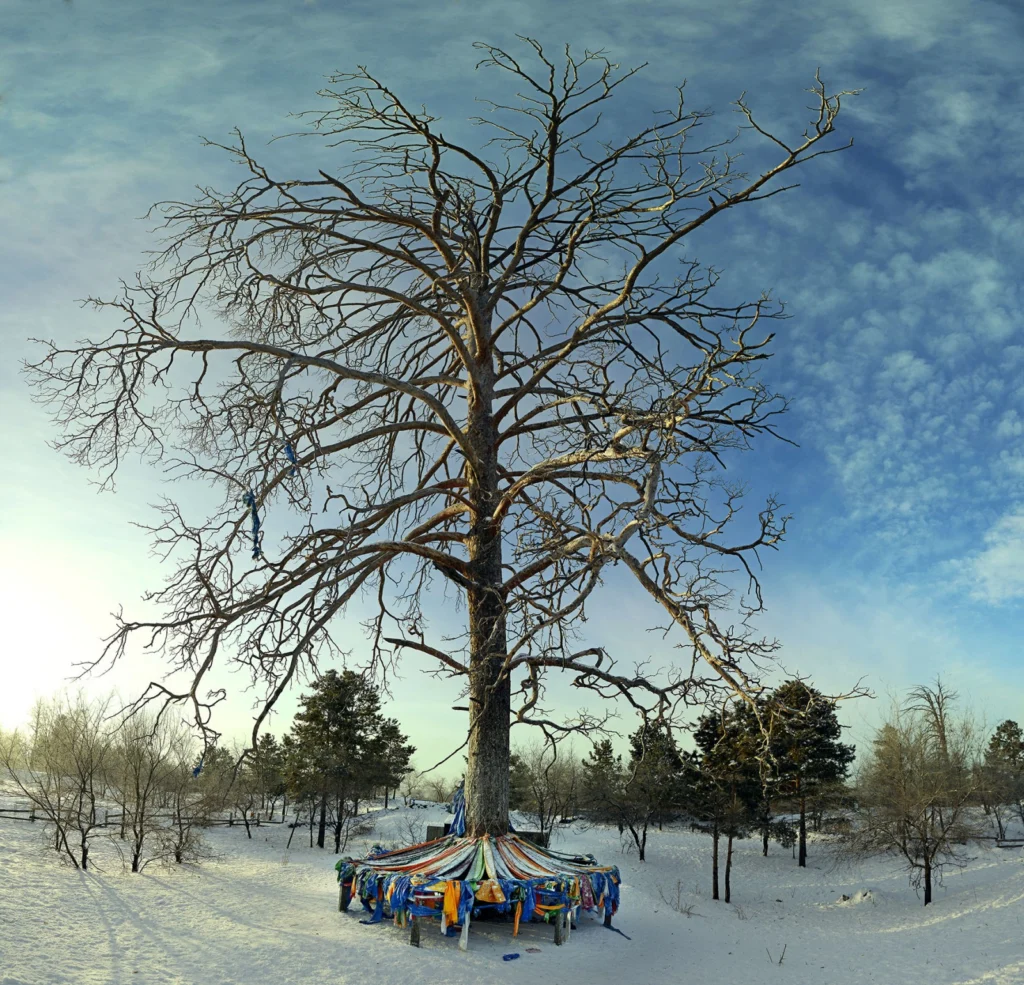
Imaggeo on Mondays: Mother Tree

Imaggeo on Mondays: Mother Tree

Landlocked, home to mountains, deserts and the southernmost permafrost territories, Mongolia’s climate is harsh.  Warm, often humid summers, give way to freezing winters where temperatures dip as low as -25°C. Rainfall is restricted to a short period in the summer months of June and August. These climatic factors, combined with the lack of a strong forest management strategy and anthropogenic infl ...[Read More]

Imaggeo on Mondays: A massive slump

One of the regions that has experienced most warming over the second half of the 20th century is the Potter Peninsula on King George Island in Antartica. It is here that Marc Oliva and his collaborators are studying what the effects of the warming conditions on the geomorphological processes prevailing in these environments. “Permafrost is present almost down to sea level in the South Shetland Isl ...[Read More]

Imaggeo on Mondays: Vanishing Lakes and Dry Arctic Landscapes

The Koukdjuak Plains (south-west Baffin Island, Canada) form a vast postglacial marine plain that borders the Foxe Basin, an area that has been progressively uplifted due to glacio-isostatic rebound following the end of the last glaciation about 6600 years ago. The weight of glaciers on the Earth’s crust causes the ground to be depressed, which, once the glacier melts, bounces back (at a geologica ...[Read More]