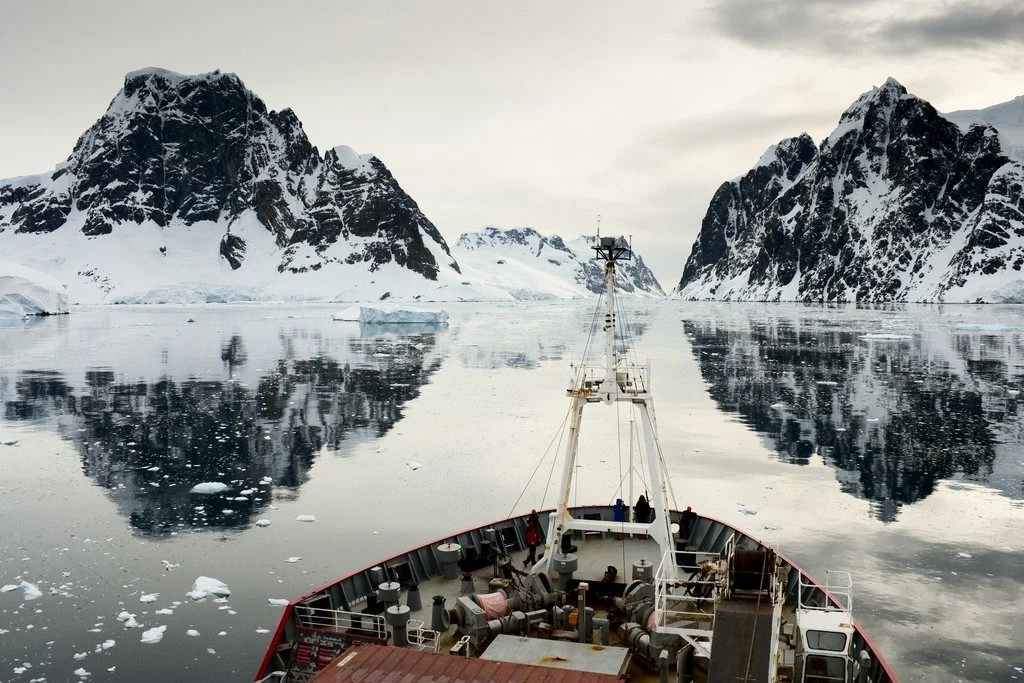
This week’s featured image depicts a quiet and still oceanic landscape in Antarctica, but polar scientists are studying how energetic and variable the ocean currents in this part of the world can be. In this picture, the marine research vessel RRS James Clark Ross is making its way through the Lemaire Channel, a small passage …[Read More]
oceanography
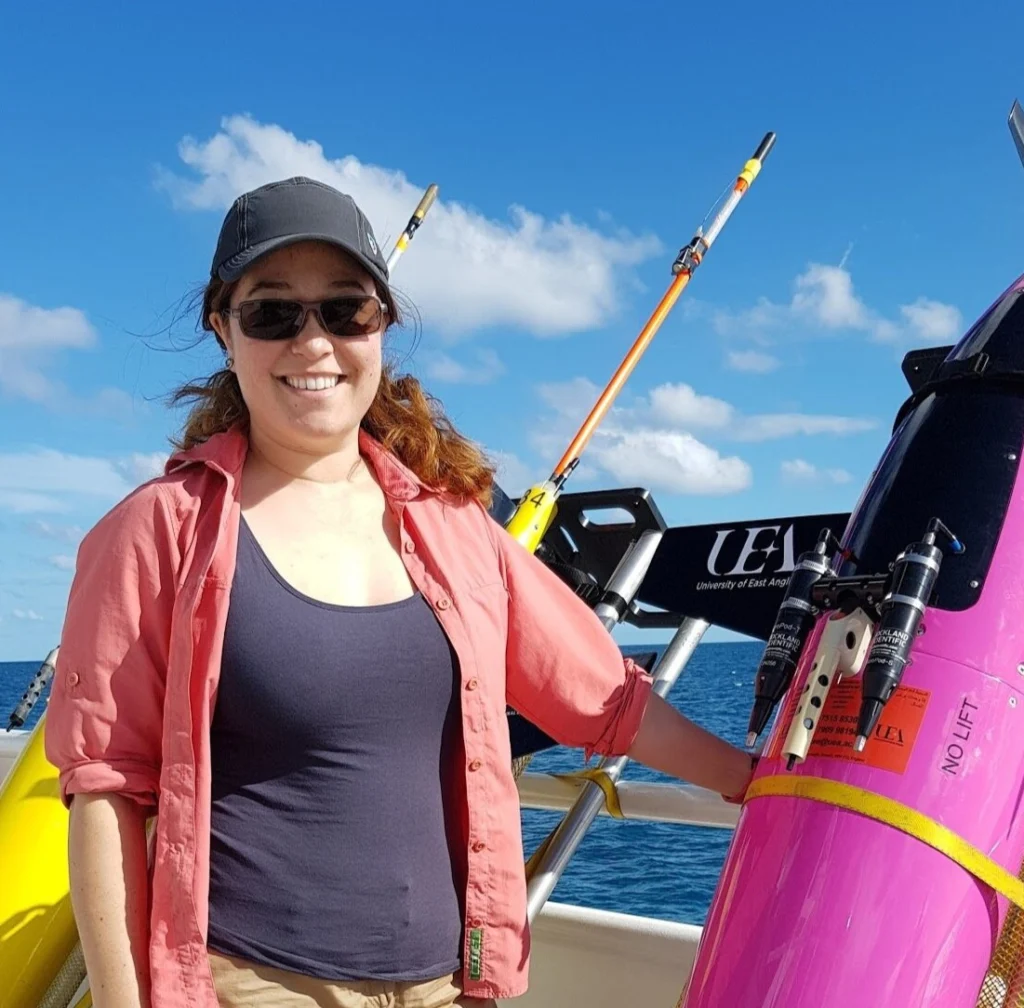
GeoTalk: Eleanor Frajka-Williams, the 2017 Ocean Sciences Division Outstanding Early Career Scientists Awardee
Geotalk is a regular feature highlighting early career researchers and their work. Following the EGU General Assembly, we spoke to Eleanor Frajka-Williams, the 2017 Ocean Sciences Division Outstanding Early Career Scientists awardee. In her work, Eleanor uses real-world measurements – from ships, satellites, sea gliders and moorings – to understand how the world’s oceans work. …[Read More]
GeoTalk: Deciphering the mysteries of the Mediterranean Sea with Katrin Schroeder
Geotalk is a regular feature highlighting early career researchers and their work. Following the EGU General Assembly, we spoke to Katrin Schroeder, the winner of a 2015 Arne Richter Award for Outstanding Young Scientists. First, could you introduce yourself and tell us a little more about your career path so far I am a physical …[Read More]
Imaggeo on Mondays: Fly away, weather balloon
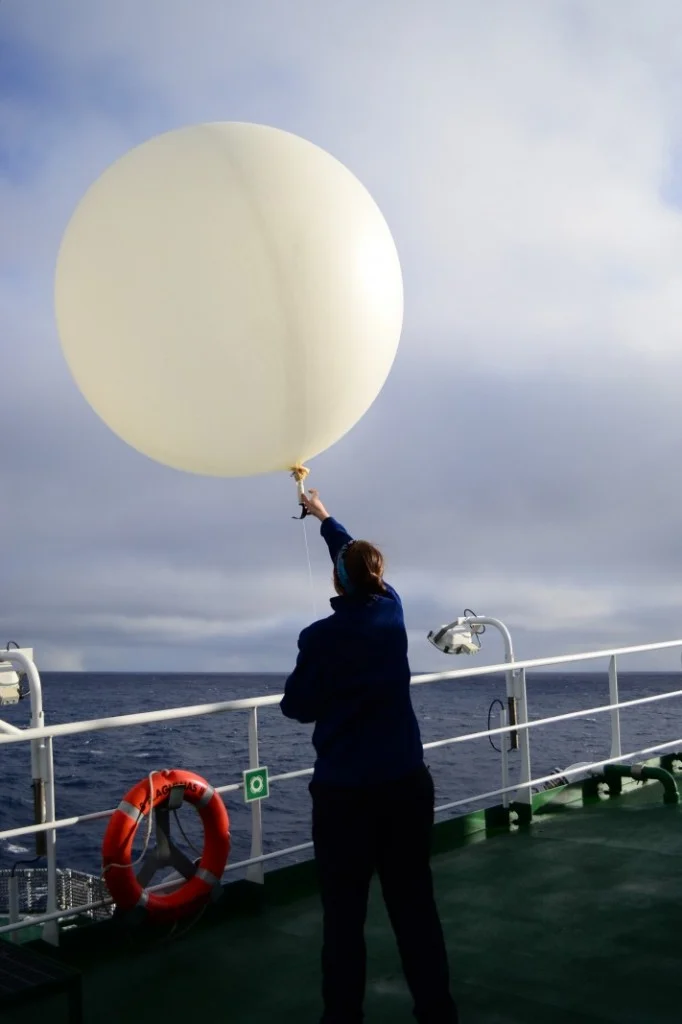
Some aspects of Earth Science are truly interdisciplinary and this week’s Imaggeo on Mondays photograph is testament to that. The maiden voyage of the research cruise SA Agulhas II offered the perfect opportunity to combine oceanographic research, as well as climate science studies. Raissa Philibert, a biogeochemistry PhD student, took this picture of the daily …[Read More]
Geosciences Column: Shifting the O in H2O
Wherever you are in the world’s oceans, you can identify particular bodies of water (provided you have the right equipment) by how salty they are. You can get a feel for how productive that part of the ocean is by measuring a few chemical components in the water column. And, year on year, you will …[Read More]
Put it in a nutshell – or in this case a 21 ft container
In his final post from the Floating University, Jens Weiser shares what it’s like to be part of an oceanographic research cruise and sums up some of the best experiences he’s had on board… I started this series asking whether anyone of you had ever thought about joining a research cruise. Now that this cruise …[Read More]
A dangerous fish in the lab and a Vibrocorer on the move – who said research was monotonous?
Earlier this month Jens Weiser set off aboard a research vessel fondly known as the Floating University to find out more about the oceans off southern Africa. After several weeks at sea, Weiser has some exciting findings to report back from FS Meteor as he and 14 other young scientists explore the region’s biology and …[Read More]
Seawater, fish larvae and sediments – a snapshot of an ecosystem off South Africa
Earlier this month Jens Weiser set out from southern Africa to find out more about the region’s biology and geology. Back aboard FS Meteor, he’s searching for layers of lagoonal muds to see what the climate was like here in the late Quaternary… After quite a lot of transit, we arrived at our first big …[Read More]
…Ever thought about joining a research cruise?
Over the next month Jens Weiser, a masters student at the University of Bremen, will be reporting from a research cruise off southern Africa. This week he’s setting the scene and setting seaward with 14 other young scientists in a bid to understand more about the region’s biology and geology… When I started my Masters …[Read More]
Imaggeo on Mondays: Surface spirals
This week’s Imaggeo on Mondays is no ordinary image; it’s a snapshot of surface ocean speeds and the extent of ice cover in the North Atlantic. It was produced using a high resolution model of ocean eddies – high resolution here means that details are simplified into grids 3 km across, or one 20th of …[Read More]