GeoLog

Mars

Reflecting on fifty years of Mars through Viking 1’s lens
Reflecting on fifty years of Mars through Viking 1’s lens
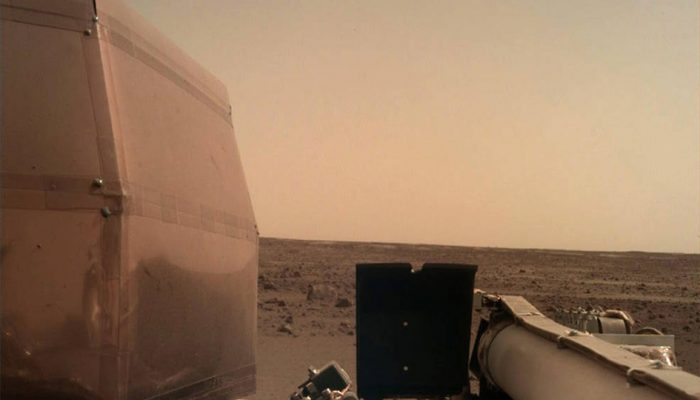
On July 20, 1976, a machine of steel and titanium dropped through a thin atmosphere and touched the dirt of Chryse Planitia. Scientists at NASA held their breath, since five years earlier, the Soviet Union’s Mars 3 probe had died less than two minutes after touchdown. To mitigate this nightmare, engineers programmed Viking 1 to scan its own footpad first. If the lander sank into oblivion, hu ...[Read More]

How 40 years of Viking missions decoded the Universe’s most misbehaving matter

How 40 years of Viking missions decoded the Universe’s most misbehaving matter

In a couple of days, on 22 February, we will mark a major milestone in space history: 40 years since the launch of the first Swedish Viking satellite, when an Ariane rocket from Kourou in French-occupied Guiana launched on 22 February 1986! While the general public might hear the word Viking and picture longboats, heavy axes, and a level of beard maintenance that borders on the professional, space ...[Read More]

Hera: A journey to Mars kicks off Earth’s latest defence plan

Hera: A journey to Mars kicks off Earth’s latest defence plan

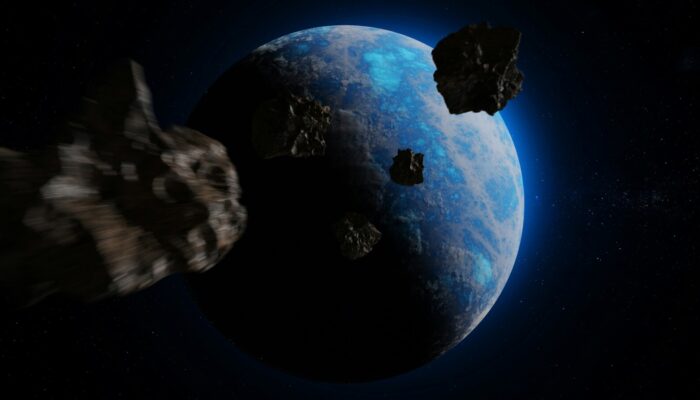
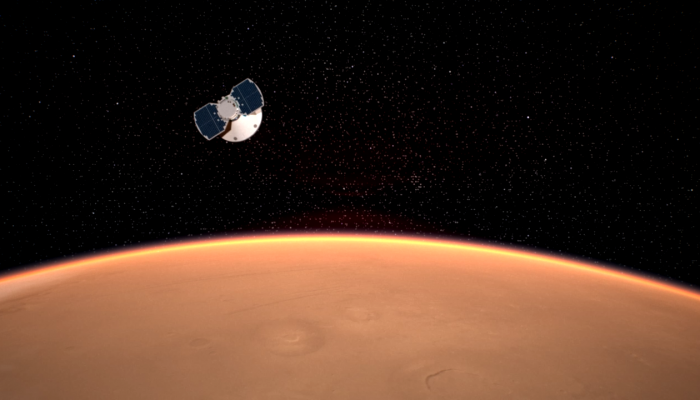
And what if we could prevent a catastrophe as old as the dinosaurs?… As Hera’s mission launched last month, this blog post aims to give you insights into this mission and why it matters. Continue reading and find out! One of humans’ biggest rebellious acts against insignificance is staring at the sky and wondering what else is out there, then thinking “We can definitely fin ...[Read More]

The best Christmas gift you could ask for: how a rare solar event created a once-in-a-lifetime Martian experiment

The best Christmas gift you could ask for: how a rare solar event created a once-in-a-lifetime Martian experiment

One of the realities of studying the Earth, planetary or space sciences is that we are attempting to observe an experiment that has been in progress for billions of years, with variables that are most often far outside of our control. Many researchers try to understand these systems by recreating aspects of it, either in analogue experiments or by using simulations, where the variables can be adju ...[Read More]