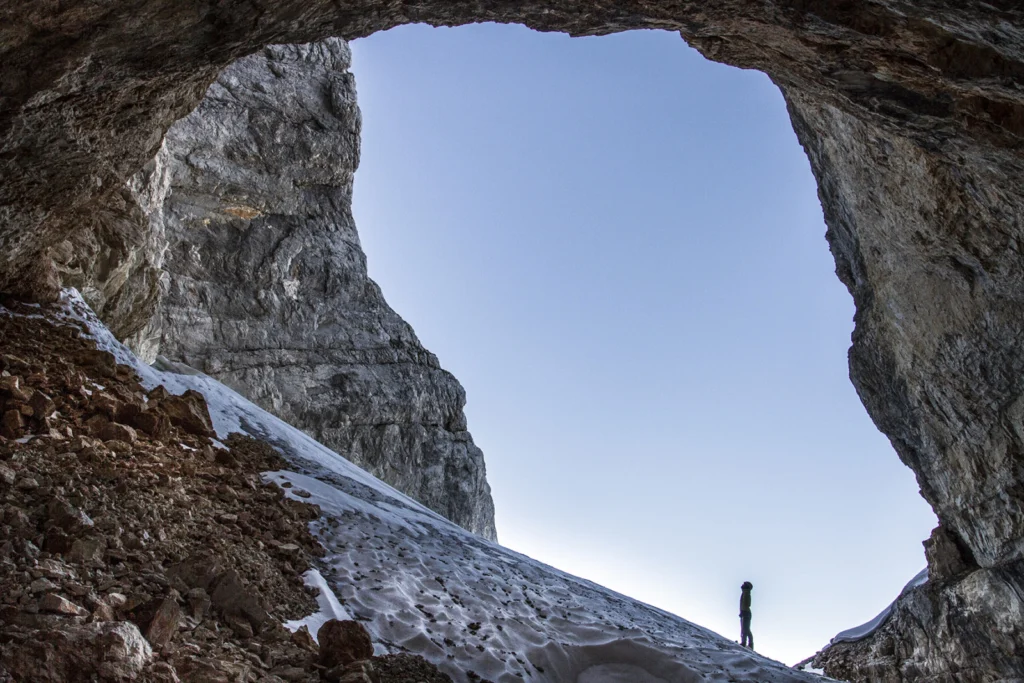
High altitude karstic environments often preserve permanent ice deposits within caves, representing a lesser-known portion of the cryosphere. Despite being not so widespread and easily reachable as mountain glaciers and ice caps, ice-caves preserve a great deal of information about past environmental changes and paleoclimatic evolution. Since one of their main characteristics is to have ground-ice ...[Read More]
Imaggeo On Mondays: The valley along the fault
The Idrija fault is a an active fault crossing Slovenia for more than 100 km in a NW-SE direction and is responsible for several important geological features in the country. Among them, we can mention the former-active mercury mine of Idrija which has registered as a Unesco World Heritage site since 2012. Another example that demonstrates the impact of this fault is it’s effect on th ...[Read More]
Imaggeo on Mondays: The polje between sky and Earth
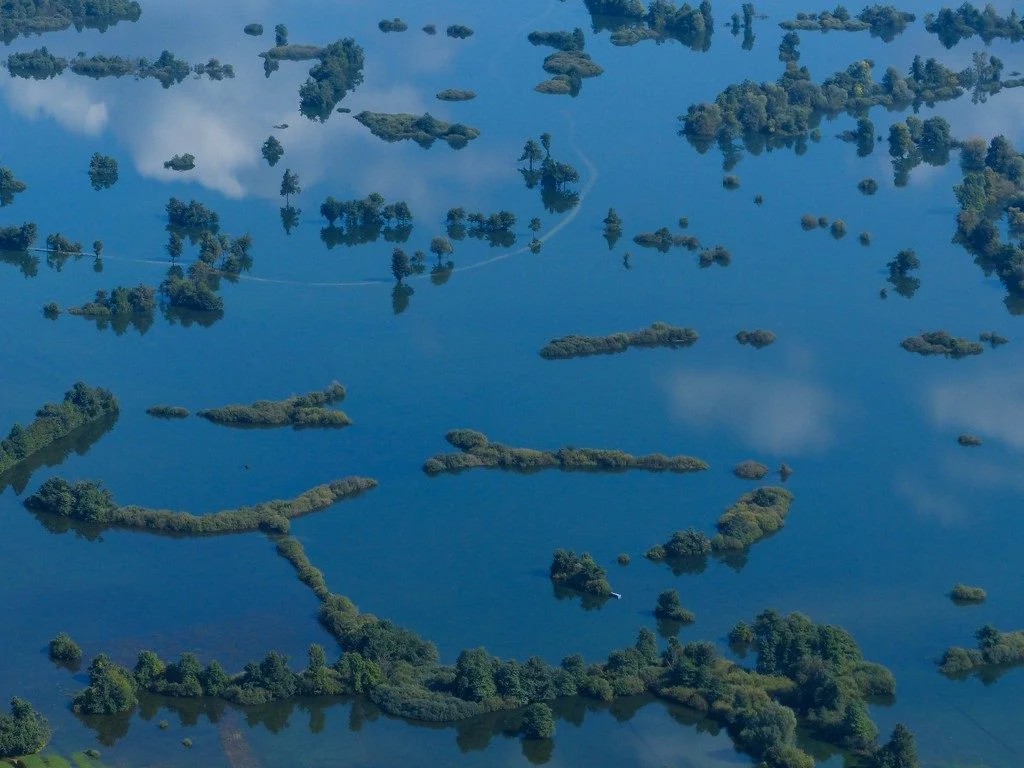
Poljes are one of the most impressive features existing in karst landscapes. These large flat closed depressions are prone to regular flooding that can form temporary lakes on their surface. Planinsko Polje [in Slovenia] is surely the most famous example of polje existing. The highest floods can reach up to 8 metres above the gauging station and last for more than two months. The lake is then more ...[Read More]
Imaggeo on Mondays: Exploring ice in the deep
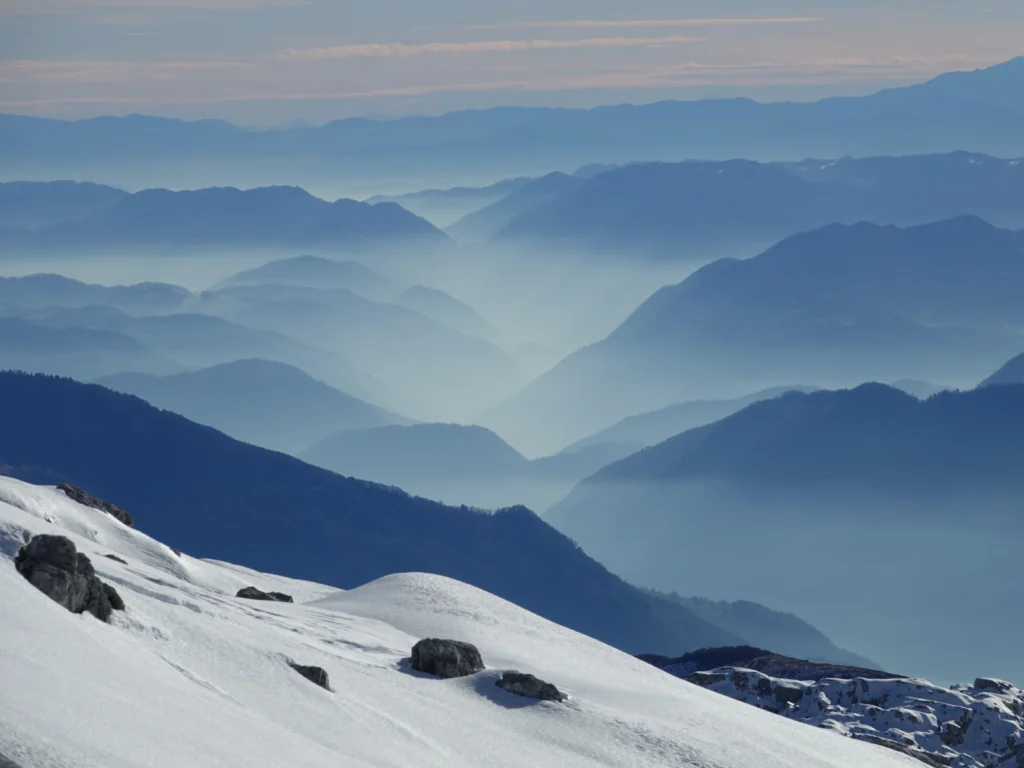
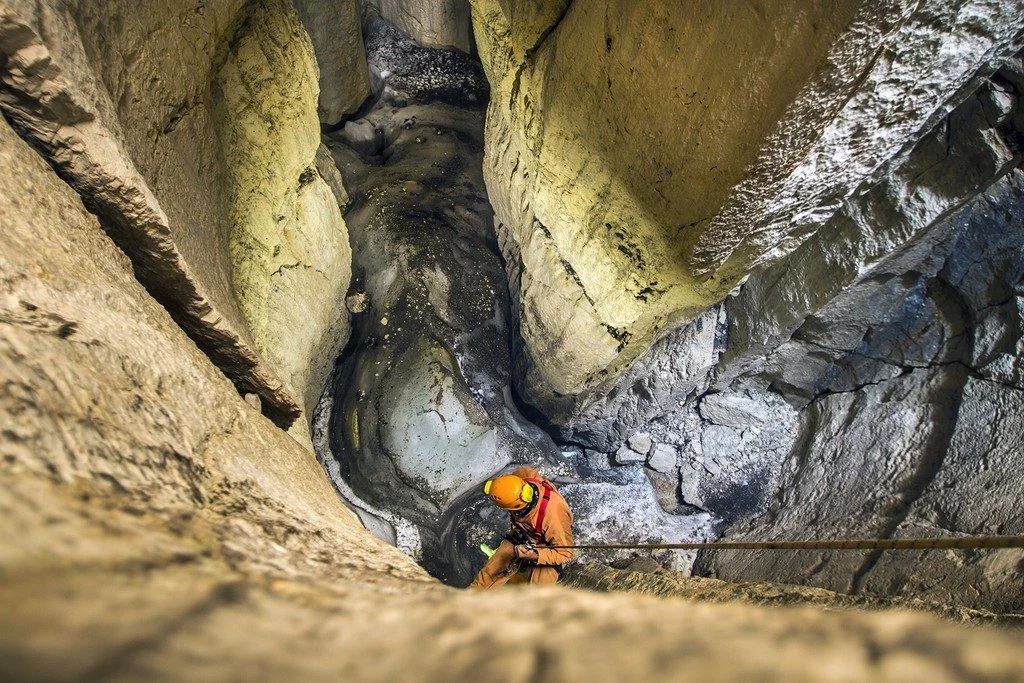
The occurrence of sporadic permafrost in the Alps often needs challenging fieldwork in order to be investigated. Here in the high altitude karstic plateau of Mt. Canin-Kanin (2587 m asl) in the Julian Alps (southeastern European Alps) several permanent ice deposits have been recently investigated highlighting how also in such more resilient environments global warming is acting rapidly. Important ...[Read More]
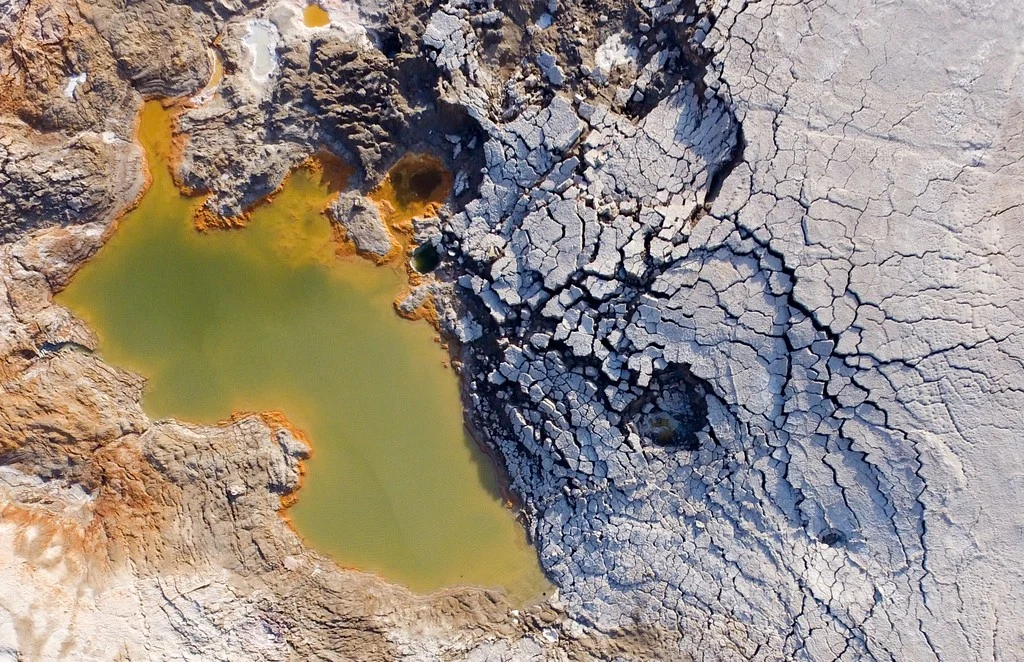
Imaggeo on Mondays: Hole in a hole in a hole…
This photo, captured by drone about 80 metres above the ground, shows a nested sinkhole system in the Dead Sea. Such systems typically take form in karst areas, landscapes where soluble rock, such as limestone, dolomite or gypsum, are sculpted and perforated by dissolution and erosion. Over time, these deteriorating processes can cause the surface to crack and collapse. The olive-green hued sinkho ...[Read More]
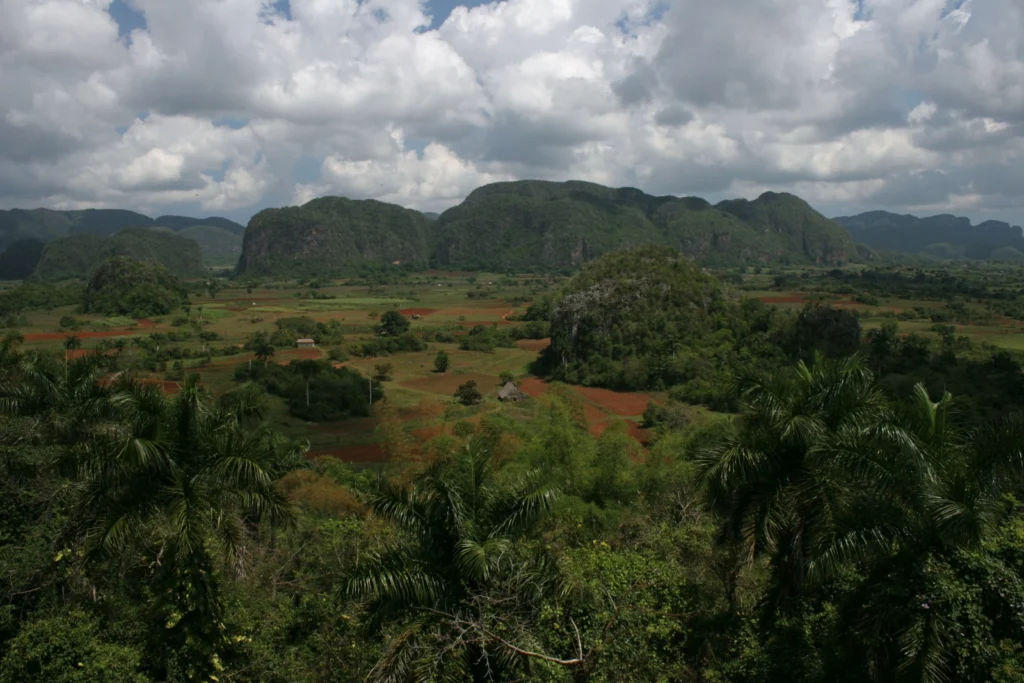
Imaggeo on Mondays: Viñales Valley
From last week’s unusual desert landscape to this week’s lush valley in Cuba… The picture shows the Vinales Valley, a karstic depression with mogotes in western Cuba. Karst is the general term for landscapes formed when limestone is disolved by carbonic acid, in rain water. This leads, in particular, to the formation of an underground network of caves and rivers. In the tropics, ...[Read More]
Imaggeo on Mondays: Winter waterfalls reveal their secrets
Cyril Mayaud is kicking of this week’s Imaggeo on Mondays with an insight into what waterfalls in winter can tell us about their local hydrology… The picture below shows the lower Peričnik waterfall during winter season. This cascade system is composed of two successive waterfalls that stretch some 16 metres (upper fall) and 52 metres (lower fall) high and is one of the most beautiful natur ...[Read More]