GeoLog

Imaggeo

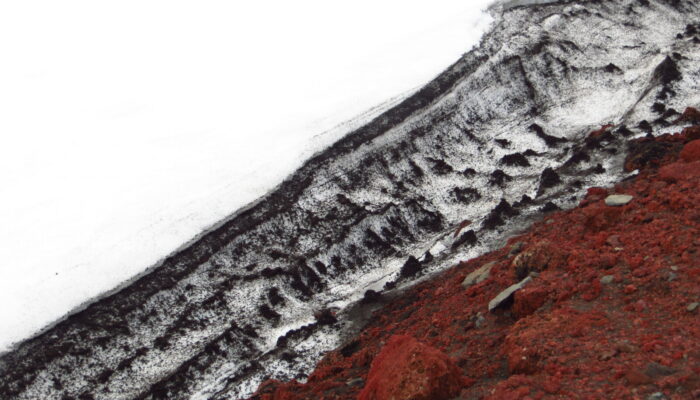
Imaggeo On Monday: Eyjafjallajökull – hot and cold

Imaggeo On Monday: Eyjafjallajökull – hot and cold

Active volcano Eyjafjallajökull is covered by 80 square kilometres of glaciers. Quite often one can feel the warmth from the red igneous rocks that protrude from the ice cap. The volcano is known for the eruption in April 2010, which released ash clouds so large that in some areas they turned daylight into darkness. Many flights in Europe were cancelled. A significant part of the glacier melted in ...[Read More]

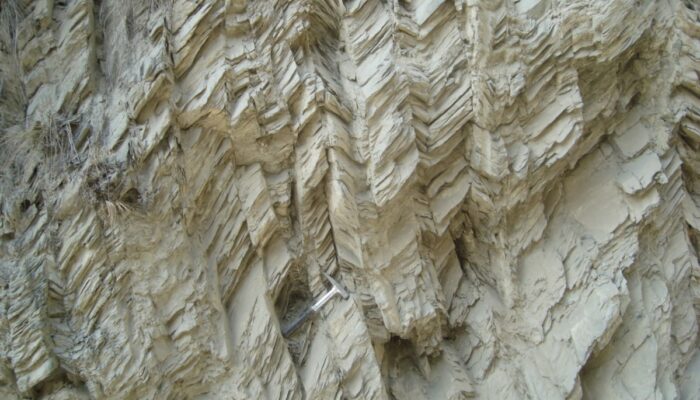
Imaggeo On Monday: High amplitude ‘V-shaped’ kink fold with axial plane cleavage

Imaggeo On Monday: High amplitude ‘V-shaped’ kink fold with axial plane cleavage

The Himalayan-Tibetan orogeny has been considered the youngest collisional fold belt in the Earth and a classic example of intercontinental collision orogeny. It is comprised of different litho-tectonic units manifested by normal/thrust faults and suture zones (Valdiya, K.S., 1977). The Himalayan region has experienced multifaced deformation, spectacular rock assemblages with high-pressure-tempera ...[Read More]

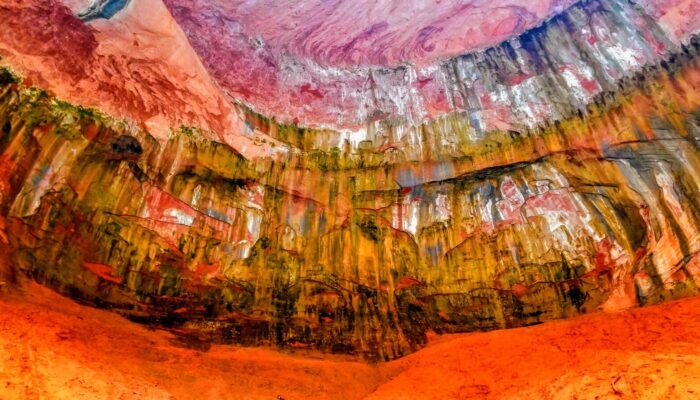
Imaggeo On Monday: Nature’s impressionist painting

Imaggeo On Monday: Nature’s impressionist painting

The image shows an incredible blend of colors in a natural cave in Kolob Canyons near Zion National Park, Utah. Formed by the oxidation of minerals lining the walls of the cave and snow melt, the sight feels like a natural inspiration for impressionist painting. This well-hidden gem is a lesser known treasure at the end of a hike in a lesser frequented part of the region near the more-famous Zion ...[Read More]

Imaggeo On Monday: Different structures for coastal management

Imaggeo On Monday: Different structures for coastal management

  Different structures for coastal management at Spiekeroog, Germany. The structures include a groyne and a revetment. Groynes are cross-shore structures, linearly ordered from the shoreline and into the sea. Typically made of rock or wood, groynes are built to limit the longshore transport and loss of shore material like sand or shingle. The build-up shore material captured by the groynes re ...[Read More]