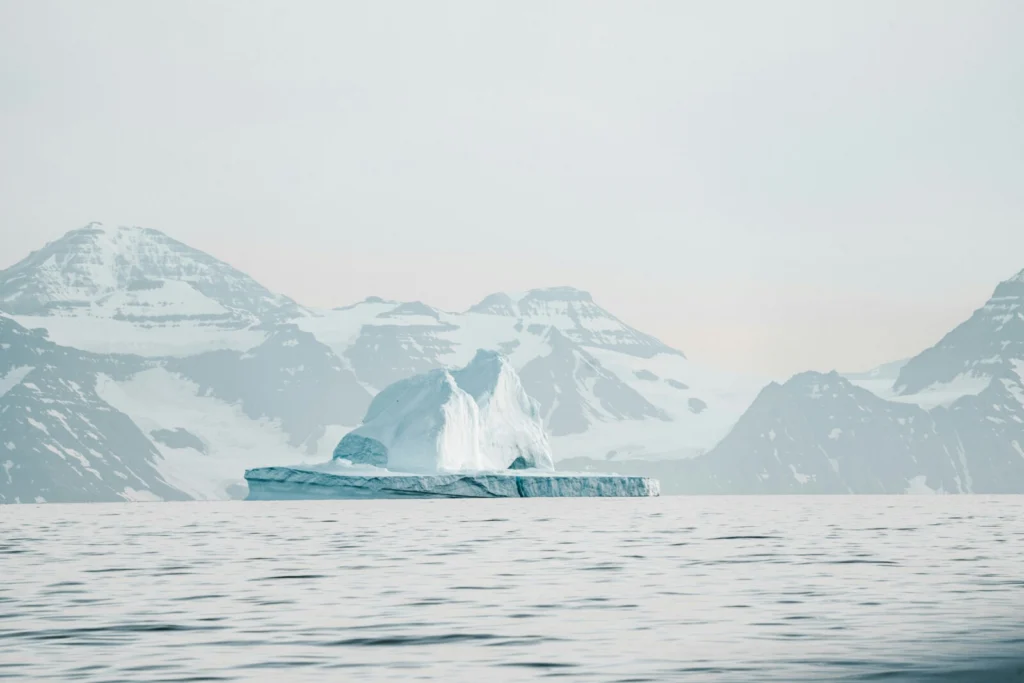
Extracted from a depth of 2,500 meters, a giant 12-meter long marine sediment core from the Fram Strait, between Svalbard and Greenland, preserves a climate record spanning up to 400,000 years. Its sediment layers offer crucial insights into the Arctic’s past, helping Dr Jochen Knies and his research team answer two important question: Was the …[Read More]
greenhouse gases
Why hydrogen – the ‘fuel of the future’ – may not be as clean as we think
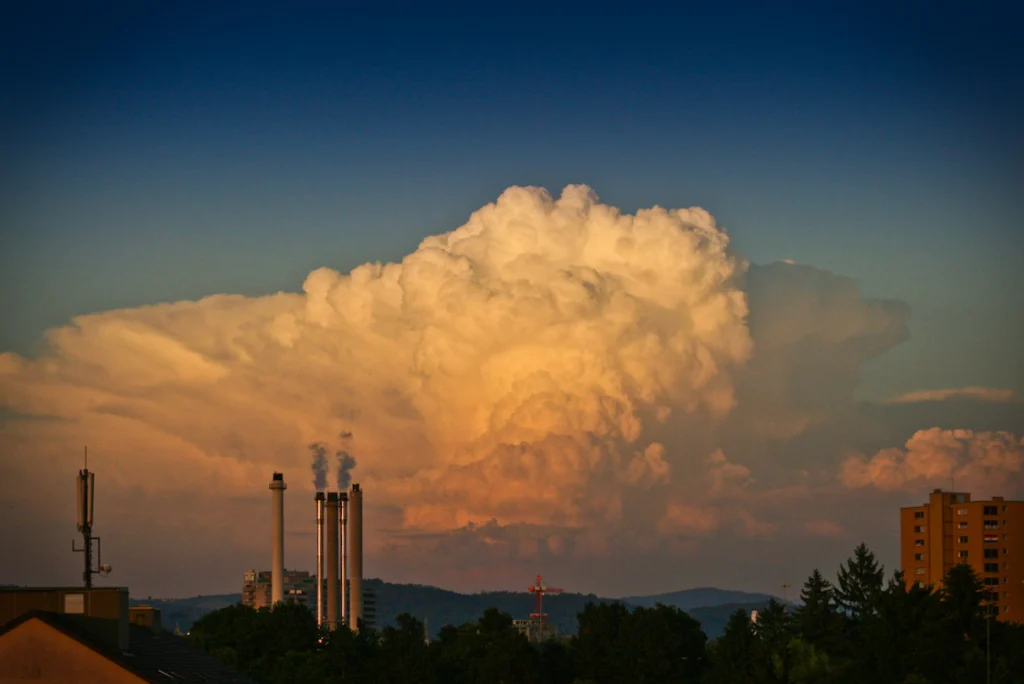
Around the world, the shift to hydrogen is being considered a key strategy to decarbonize the environment, with experts even calling it the fuel of the future. Hydrogen now features in all eight of the European Commission’s net zero emissions scenarios for 2050, promising to end our dependence on fossil fuels and reduce CO2 emissions …[Read More]
Are we equipped to meet the Glasgow Climate Pact?
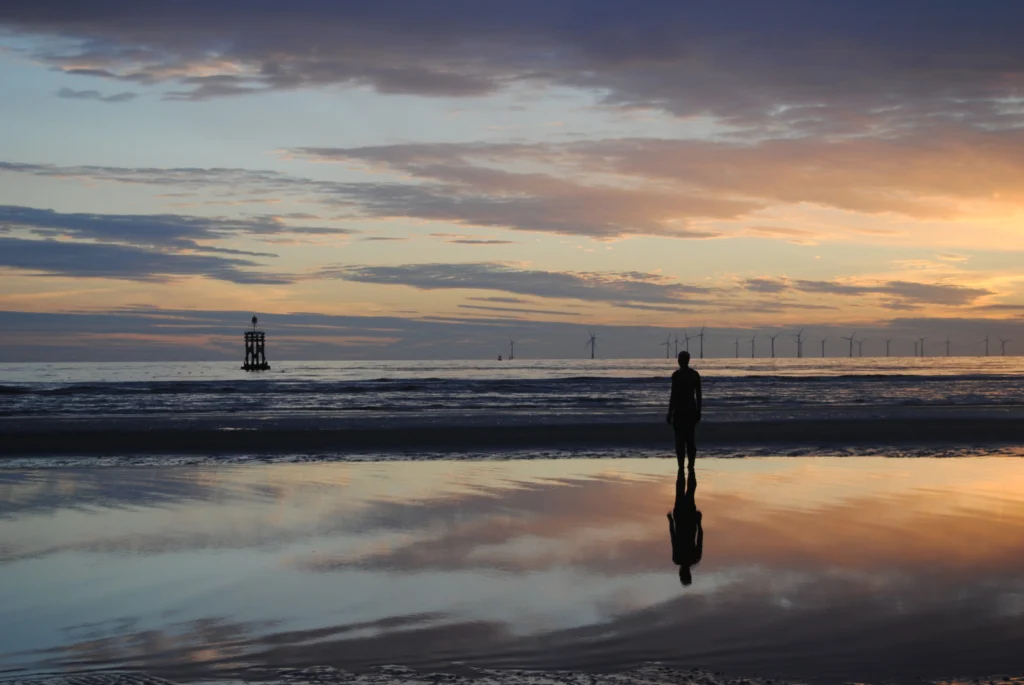
November 2021 once again put climate change in the spotlight for Europe and the world. Close to 200 countries came together this month for the UN’s annual climate summit, COP26, and after much deliberation, adopted the Glasgow Climate Pact. Some key commitments had countries pledging to limit their emissions by 2030; forming the first-ever alliance …[Read More]
Imaggeo on Mondays: Air samples from afar
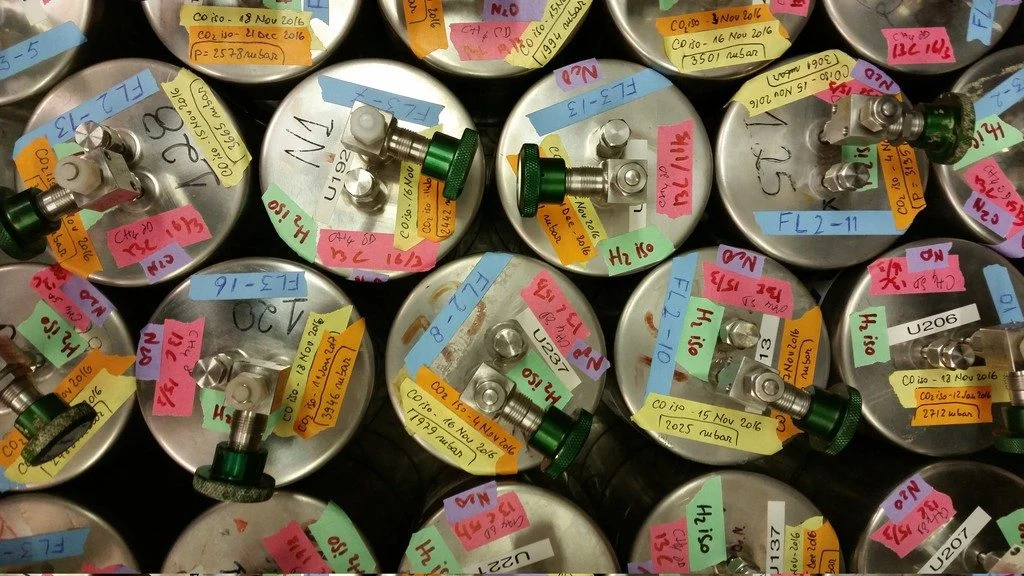
I’ve taken many photos on fieldwork, everywhere from Malaysia to Antarctica but this particular photo was taken in my ‘home’ lab at the University of East Anglia (UEA) in Norwich, UK. Atmospheric scientists collect air samples canisters such as these from around the world: from high altitude research aircraft (such as the Geophysica), long-term measurement …[Read More]
October GeoRoundUp: the best of the Earth sciences from around the web
Display "Following Carbon Dioxide Through the Atmosphere" from YouTube Click here to display content from YouTube. Learn more in YouTube’s privacy policy (opens in a new tab). Please enable JavaScript in your browser to load this content. Always display content from YouTube Open "Following Carbon Dioxide Through the Atmosphere" directly Carbon dioxide plays a significant …[Read More]
Imaggeo on Mondays: Low tide at Alexandra Fjord
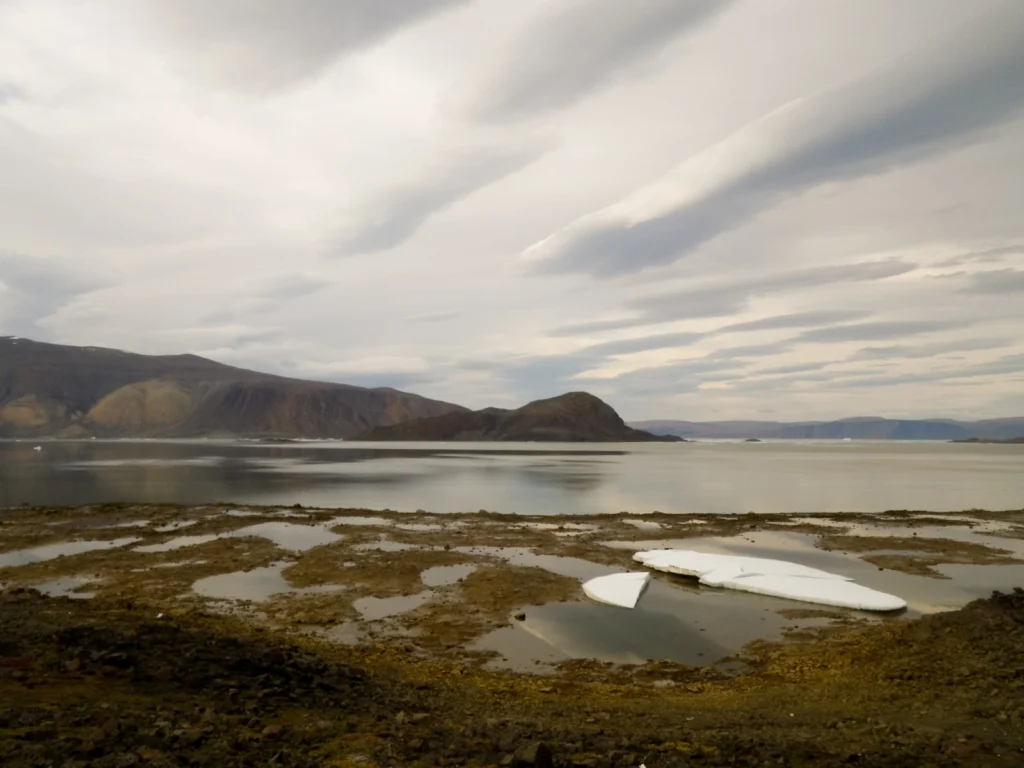
Today’s post takes us to the far northern reaches of our planet, to a desert like nothing you’ve seen before. This picture is a view to the north across Alexandra Fjord, on the east coast of Ellesmere Island, in the Canadian High Arctic, with Sphynx island in the middle of the fjord. The south shore …[Read More]
Imaggeo on Mondays: Fire Watch Constellation
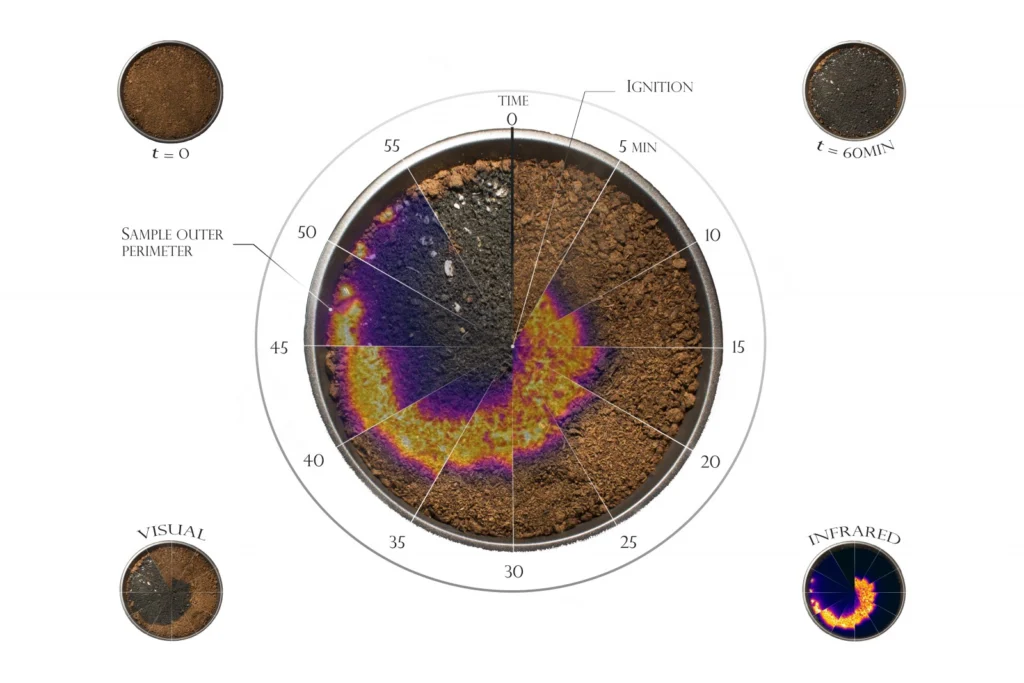
Wild fires: raging walls of flames, capable of burning down swathes of pristine, sometimes protected and ancient, landscapes have been causing havoc around the globe. Managing and controlling them is no easy task; they can unexpectedly change their course with the wind and jump across rivers, roads and man-made fire breaks. The significant threat they …[Read More]
GeoPolicy: EGU sciences on debate at the European Parliament
The adoption of legislation within the European Union (EU) is a complex process involving many steps. In my first blog post in this GeoPolicy series I highlighted an example of this process. Several draft legislation pieces are currently being assessed within the European Parliament (EP) and Council of Ministers (Council) that have been influenced by EGU-related …[Read More]
Geosciences Column: Is it possible to quantify the effect of natural emissions on climate?
The air we breathe is full of tiny particles that can have a big impact on our climate. Industrial activities have greatly increased the number of these particles, cooling the climate and potentially offsetting some of the warming due to greenhouse gases. In this post Kirsty Pringle introduces new research that suggests that it might …[Read More]
Imaggeo on Mondays: Eddy covariance
This week’s Imaggeo on Mondays is brought to you by Jean-Daniel Paris, a meteorologist from the Climate and Environmental Sciences Laboratory (LSCE), France. He describes how new techniques like eddy covariance tell us about the flux of greenhouse gas emissions to the atmosphere… This picture was taken during a visit to the Hyytiälä research station in …[Read More]