GeoLog

fire

A trial by fire: Can we learn how to read a burning planet?
A trial by fire: Can we learn how to read a burning planet?
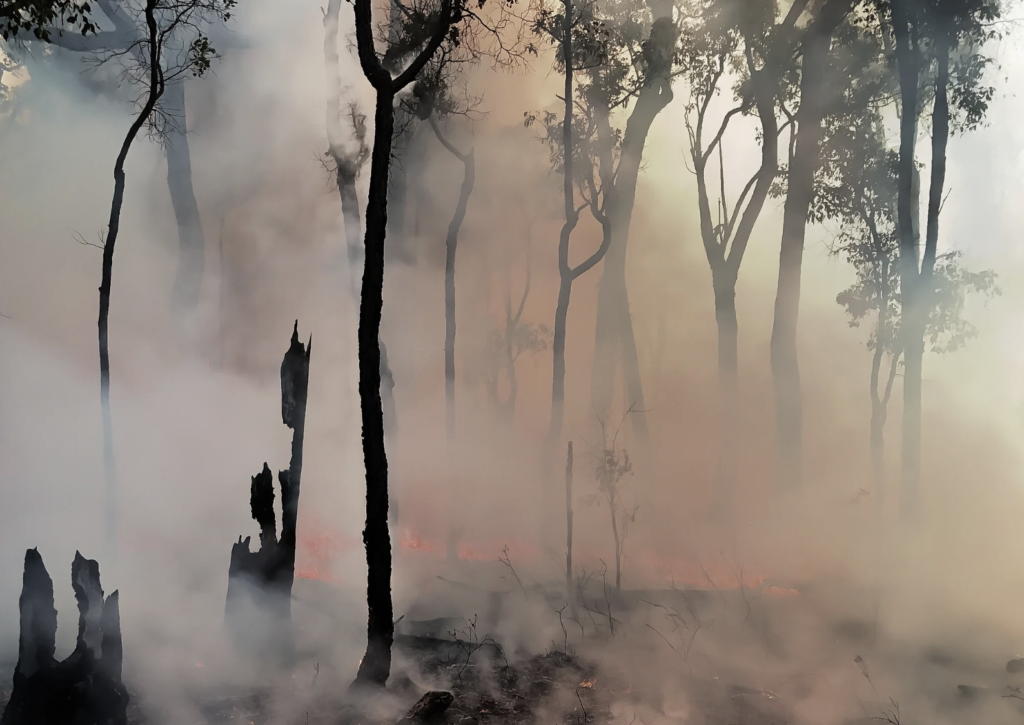
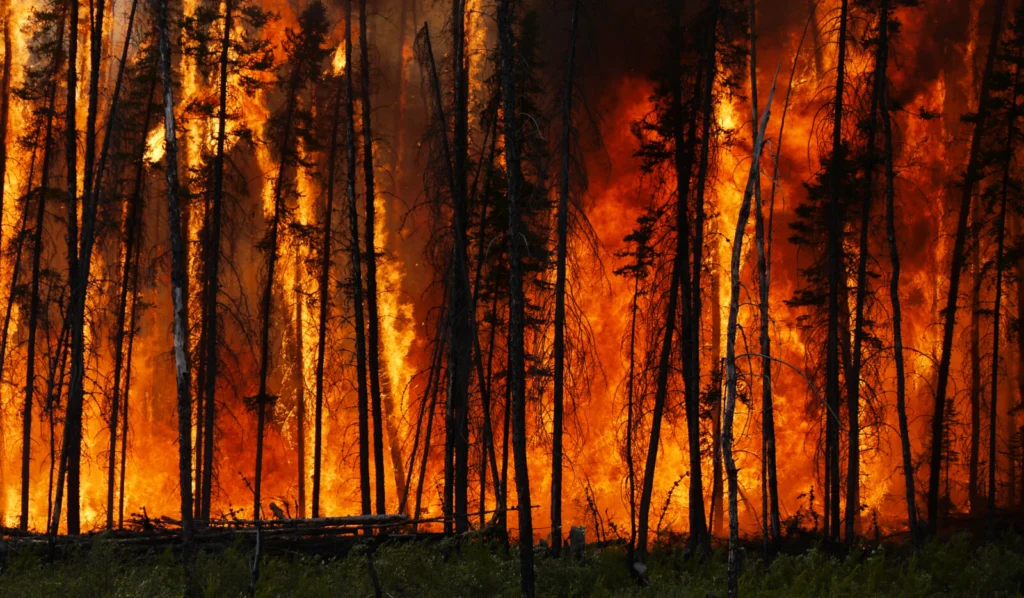
I grew up watching my dad come home covered in soot. For most of his life, he worked as a firefighter in a natural reserve in Galicia, in northern Spain, a region of green mountains and steep terrain, almost Lord of the Rings in its landscape, but also a place where fire moves quickly and is notoriously difficult to control. Firefighting crews there are used to the fact that, to even begin work, t ...[Read More]

Imaggeo On Monday: The many sides of Australia’s bushfires

Imaggeo On Monday: The many sides of Australia’s bushfires

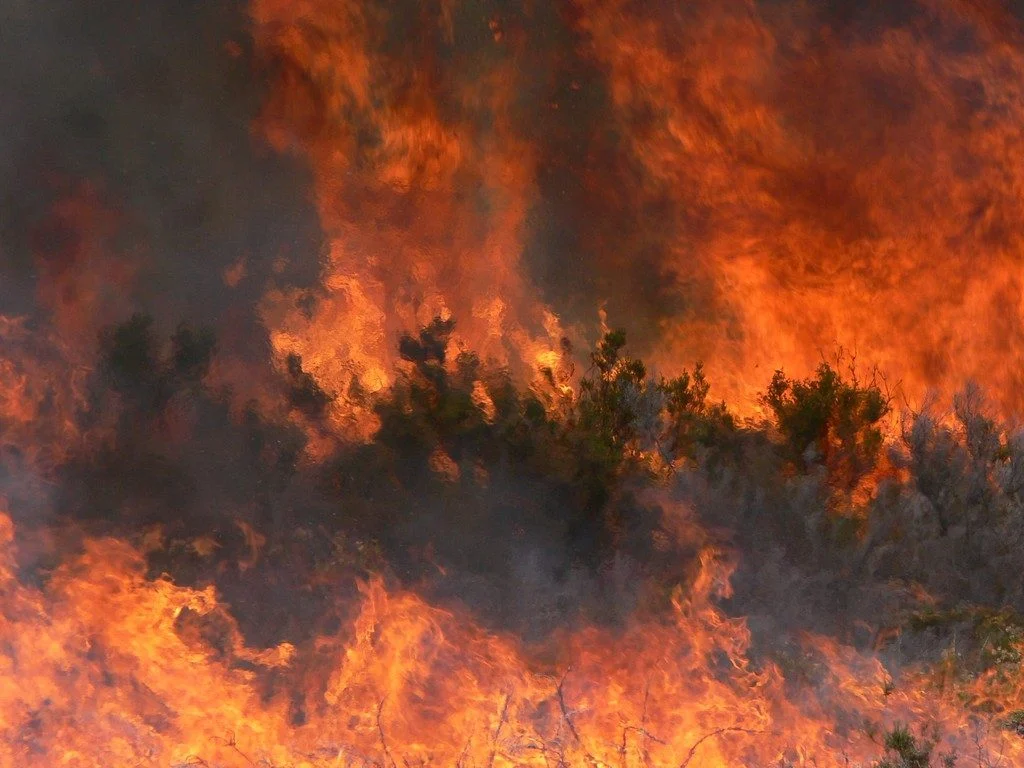
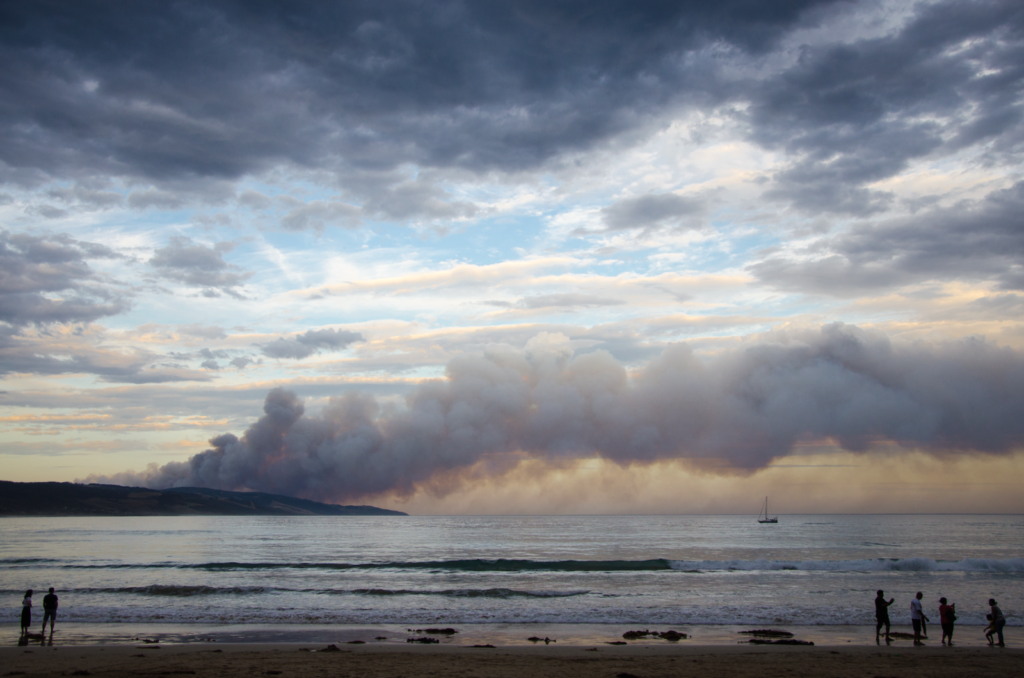
Bushfires in Australia are frequent in the hot and dry months characteristic of its climate. Their severity and seasonality is affected by climate change, and they impact extensive areas every year.   At first sight, they might look harmful and dangerous, since they can cause property damage and loss of human life. However, the natural ecosystem has developed different strategies to either re ...[Read More]

Imaggeo on Mondays: Setting trees aflame to understand the carbon balance of fires

Imaggeo on Mondays: Setting trees aflame to understand the carbon balance of fires

Smoke clears after an experimental wildfire in Australian eucalyptus forest carried out for carbon balance estimations of wildfires. We meticulously measured the carbon in all leaves, twigs, logs and bark in a forest block about 35km east of Manjimup and then they set it on fire with help from the Dept. of Parks and Wildlife, [Western Australia]. We the counted the carbon all over again including ...[Read More]

Imaggeo on Mondays: At the edge of a wildfire

Imaggeo on Mondays: At the edge of a wildfire

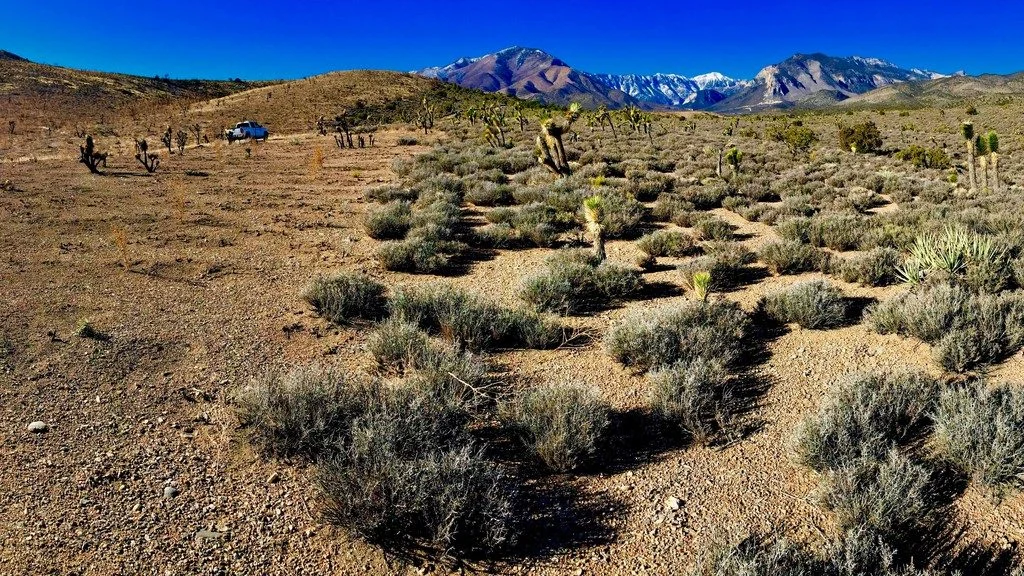
The Carpenter 1 fire burned approximately 11,000 ha in the Spring Mountain National Recreation Area (Humboldt-Toiyabe National Forest) near Las Vegas, Nevada between July 1, 2013 and its containment on August 18, 2013. The left side of the photo shows the fire affected arid desert scrub ecosystems at 1500 m (foreground) to subalpine pine ecosystems at 3400 m (background). The foreground of the pho ...[Read More]