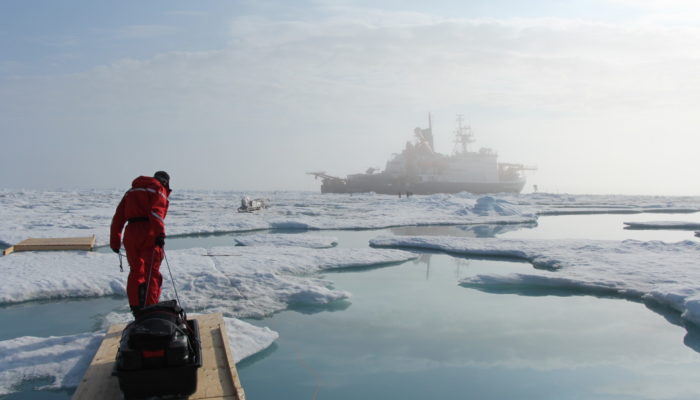
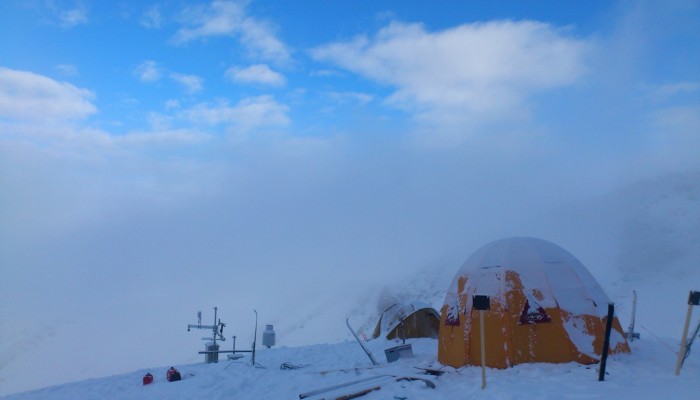
Working on the sea ice can be quite exhausting. Scientists face cold temperatures and wind, constantly scanning for polar bears, while trying to squeeze valuable data out of frozen instruments. At the end of the day you might have not found what you wanted, but every single bit of information brought back truly helps in understanding our complex World. Over 12 months, 442 experts worked in ...[Read More]
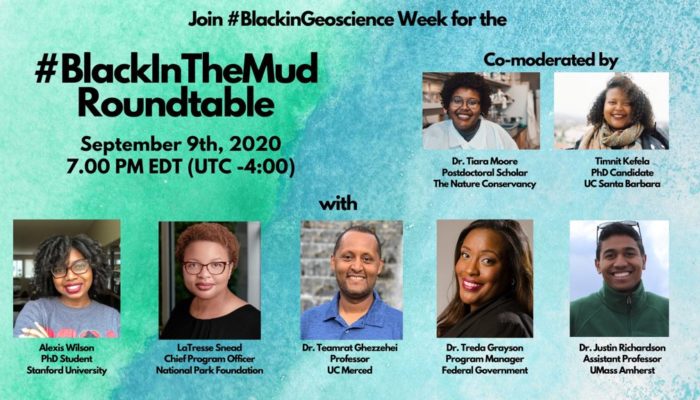
GeoTalk: #BlackInTheMud panellists reflect on Black in Geoscience Week 2020
After telling a personal and traumatizing field experience to my fellow colleagues of color, I found that we all had shared similar events! Shocked and outraged, I wanted to find a place to expose and highlight these events thus the #BlackInTheMud panel was created. This event was inspired by this picture. And it’s so funny because this photo has been used, until it’s almost like a stock photo on ...[Read More]
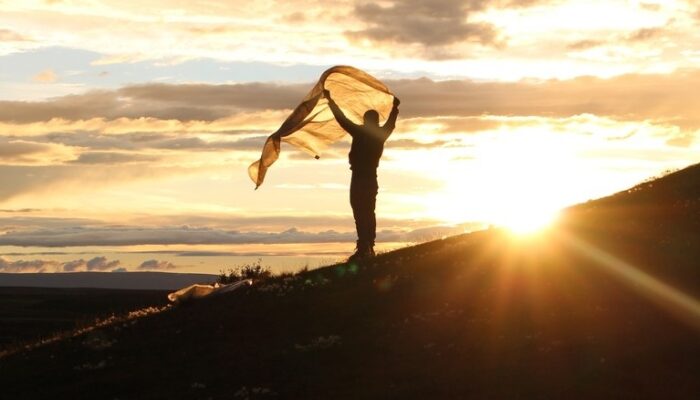
Imaggeo on Mondays: An expedition to better understand Antarctic soils
A dramatic evening sky puts the frame to a photo taken during the Brazilian Antarctic expedition to James Ross Island in 2016. Brazilian palaeontologists and soil scientists together with German soil scientists spent over 40 days on the island to search for fossils and sample soils at various locations of the northern part of the island. The island was named after Sir James Clark Ross who led the ...[Read More]
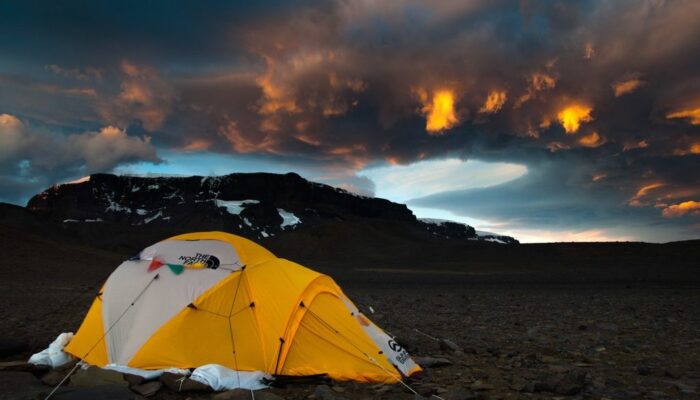
Imaggeo on Mondays: In-tents Icelandic sunset
This photograph was taken at the campsite near lake Mỳvatn during a field trip to Iceland. Every year a group of students from Wageningen University travels from the Netherlands to Iceland for a weeklong excursion as part of a course on catchment hydrology. The aim of the trip is to provide students with real life examples of the processes they learned during their lectures. After a rainy morning ...[Read More]
GeoTalk: How are clouds born?
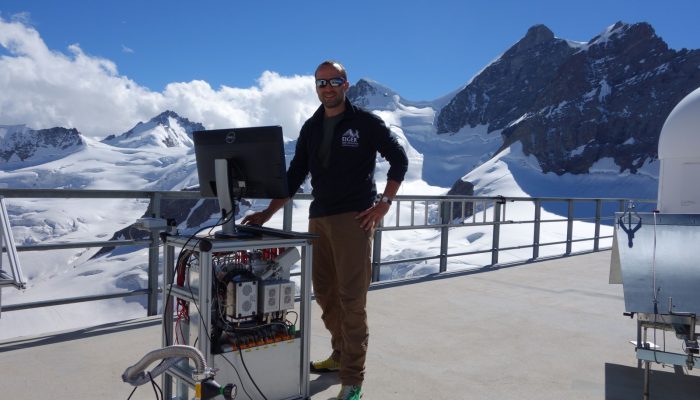
Geotalk is a regular feature highlighting early career researchers and their work. In this interview we speak to Federico Bianchi, a researcher based at University of Helsinki, working on understanding how clouds are born. Federico’s quest to find out has taken him from laboratory experiments at CERN, through to the high peaks of the Alps and to the clean air of the Himalayan mountains. His innova ...[Read More]
What is in your field rucksack? Backpacking in the wilderness
Inspired by a post on Lifehacker on what your average geologist carries in their rucksack/backpack, we’ve put together a few blog posts showcasing what a range of our EGU members carry in their bags whilst in the field! This bag belongs to: Alexa Van Eaton Field Work location: Glacier Peak volcano, Washington, USA Duration of field work: 12 days What was the aim of the research?: Glacier Peak is a ...[Read More]
Imaggeo on Mondays: Home Sweet Home
Can you imagine camping atop some of the highest mountains in Europe and waking up to a view of snowcapped peaks, deep valleys and endless blue skies? This paints an idyllic picture; field work definitely takes Earth scientists to some of the most beautiful corners of the planet. But, there often are two sides to one story. Kaspar Merz and André Nuber, researchers at ETH Zurich, who took today’s f ...[Read More]
Dust in the desert: The Skeleton Coast – Foggy, dusty & demanding – part 3 of 3
In this third instalment in this series our journey takes us into the Skeleton Coast. Synonymous with shipwrecks and known as “The Land God Made in Anger” to indigenous Bushmen this coastal desert has been protected as a National Park since 1971. Similar to many of Namibia’s National Parks, the Skeleton Coast does not allow anyone to stay overnight within its boundaries. However at over 16,000 km2 ...[Read More]
Dust in the desert: The Kuiseb and Tschaub Rivers – part 2 of 3
The dust in the desert series continues this week as James King shares his experience of fieldwork in Nambia… Our base of operations is located in Swakopmund, a sea-side town of German heritage. This has two benefits: pastries and unrivalled hardware stores. The amount of supplies (hardware, not cake) that this sleepy Namibian town has puts most major UK cities to shame; proving to be an essential ...[Read More]
Dust in the desert: Measuring it is only half the battle – Part 1 of 3
Fieldwork is vital to understanding all sorts of Earth processes, but that doesn’t make it easy! James King, a researcher from the University of Oxford, describes what it takes to set off on a scientific expedition… Although the classic text on sediment transport by wind by Sir Ralph Bagnold was written way back in 1941, the mechanics of dust storms and their effects on the climate are still ...[Read More]