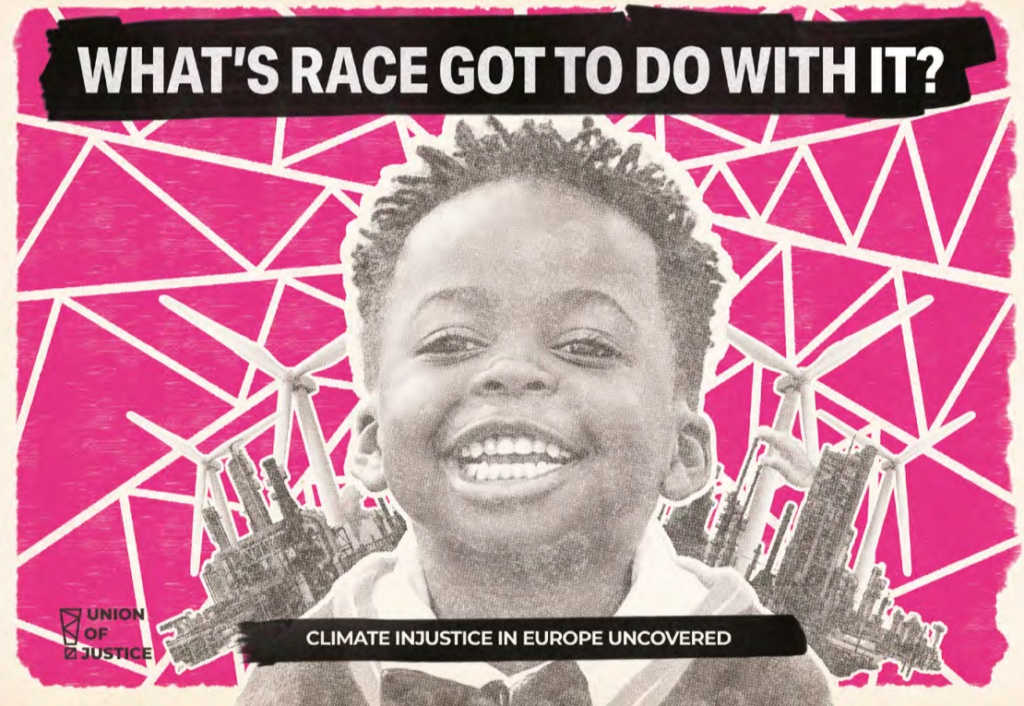
I have had the opportunity last year to contribute to a novel, ground breaking research conducted by the Union of Justice, a European, independent, people of colour (POC) led organisation dedicated to racial justice and climate justice. The full report is live now and I am writing this blog post about it because I strongly believe that it is a must-read for anybody who would even wonder why racism ...[Read More]
New EGU webinar: Careers outside Academia
Last week EGU hosted the second of our official quarterly webinar series, on Careers outside Academia. Up to 70% of scientists will transition to careers outside of academia after their PhD. Transferable scientific skills and knowledge are becoming progressively valued in non-academic job sectors. However, navigating job opportunities and transitioning to different career paths can be difficult. T ...[Read More]
The inaugural EGU webinar: EGU journals and Open Access publishing
Last week the EGU executive office debuted something new for our members: the EGU webinar. The first of these focused on the open access journals that EGU publishes in partnership with Copernicus.The webinar discussed the interactive public peer review system, the role of the EGU Publications Committee, how researchers can effectively publish in an EGU Journal and the new EGUsphere. The web ...[Read More]
GeoPolicy: My experience with the EGU’s science-policy pairing scheme
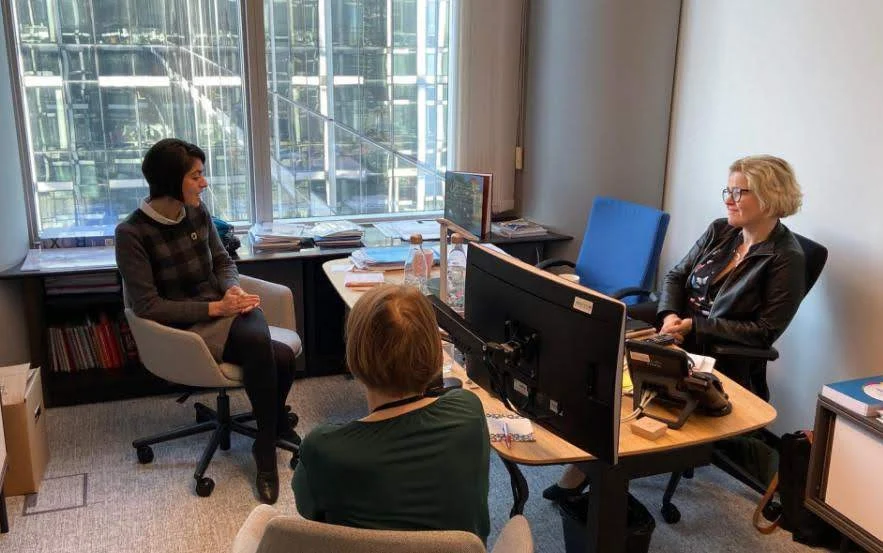
“Thanks for coming, but no time for celebratory drinks,” I told my colleagues. I arrived in Brussels right after defending my doctoral thesis to brief the Finnish Member of the European Parliament (MEP) Miapetra Kumpula-Natri and her team about the impact of sea-level rise and climate change on the coastal communities of the Baltic Sea. Climate science? Baltic Sea? EU Parliament? I was soon bombar ...[Read More]
GeoTalk: A biogeocaching scavenger hunt for Earth science outreach
Did you know that the EGU has a public engagement grant scheme? We’ll be awarding three EGU members with 1500€ to help them develop an outreach project that aims to raise awareness of geosciences outside the scientific community. The 2020 call for applications is currently open. In this GeoTalk interview, Olivia Trani talks to Astrid Harjung, Laura Coulson, Romana Hödl and Katrin Attermeyer, resea ...[Read More]
Imaggeo on Mondays: When boulders hitch a ride from glaciers
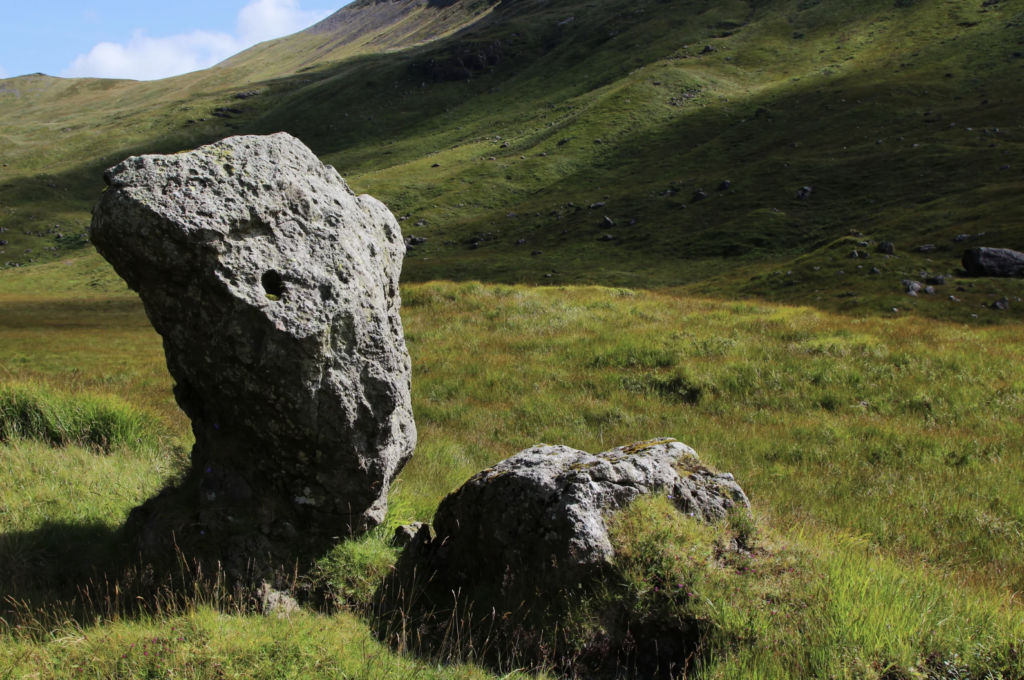
Glen More, on the Isle of Mull, Scotland, is a classic locality for studying glacial landforms and sediments. Here, two prominent ice-transported boulders stand guard at the head of the valley, left behind after the Loch Lomond Readvance (Younger Dryas stade), the final pulse of Quaternary glaciation in Scotland. Behind them in the characteristic U-shaped valley, hummocky morraines are littered wi ...[Read More]
GeoPolicy: Shaping EU Missions – bridging the gap between geoscience and policy
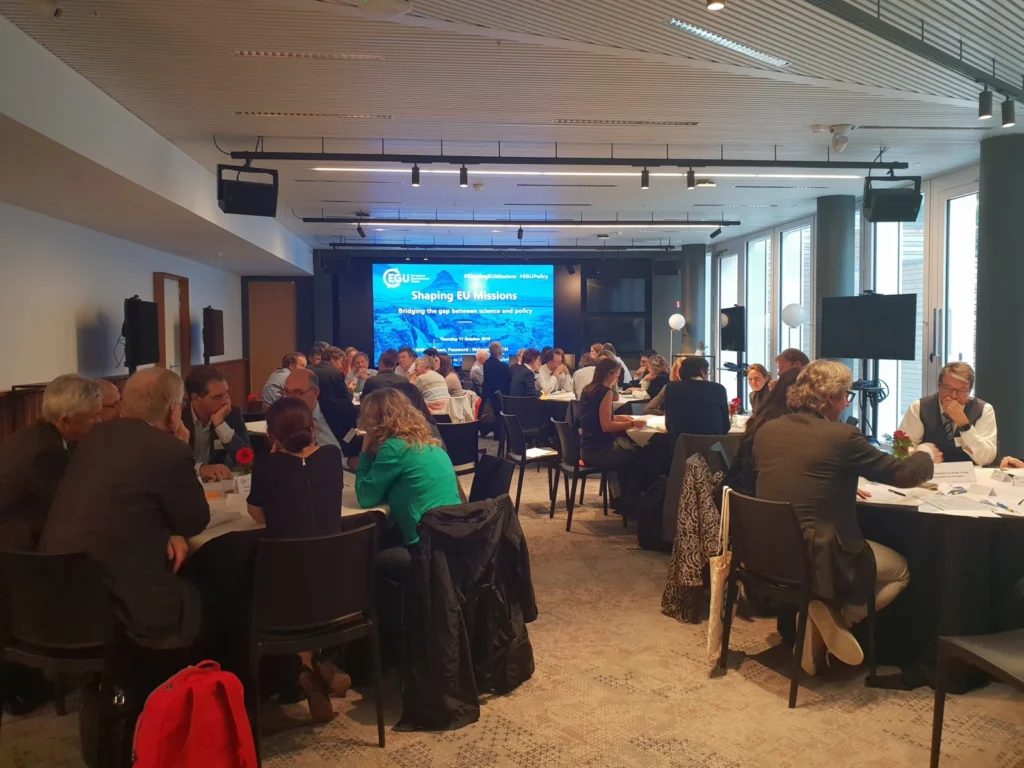
This month’s GeoPolicy blog post is a Q&A about the EGU’s second annual science-policy event, Shaping EU Missions: bridging the gap between geoscience and policy which was hosted in Brussels on October 17 2019. The EGU has an annual event outside of the General Assembly?? Yes! Except this one is much smaller with about 70 participants and relatively new (only starting in 2018). Th ...[Read More]
Conversations on a century of geoscience in Europe: Part 2
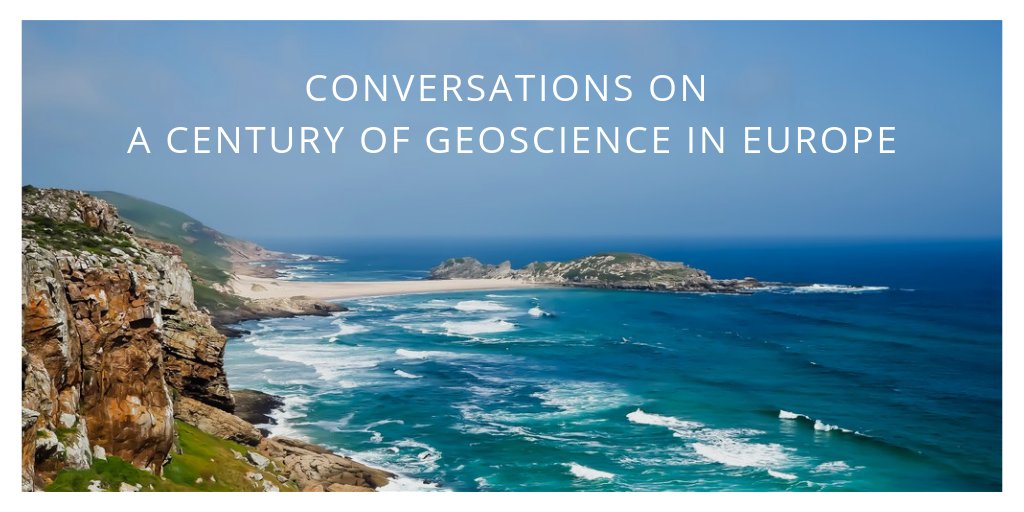
When you think about the last century of geoscience, what comes to mind? Perhaps Alfred Wegener’s theory of continental drift? Or Inge Lehmann’s discovery of Earth’s solid inner core? Over the last 100 years, geoscientists have made incredible contributions to our understanding of the Earth, the solar system, and beyond. The science community has explored uncharted territory, challenged previously ...[Read More]
Conversations on a century of geoscience in Europe: Part 1
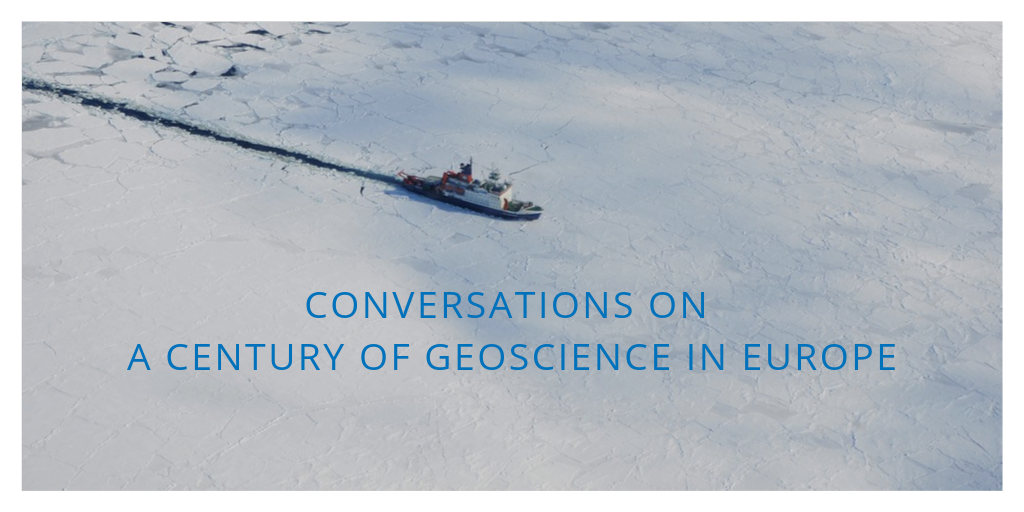
When you think about the last century of geoscience, what comes to mind? Perhaps Alfred Wegener’s theory of continental drift? Or Inge Lehmann’s discovery of Earth’s solid inner core? Over the last 100 years, geoscientists have made incredible contributions to our understanding of the Earth, the solar system, and beyond. The science community has explored uncharted territory, challenged previously ...[Read More]
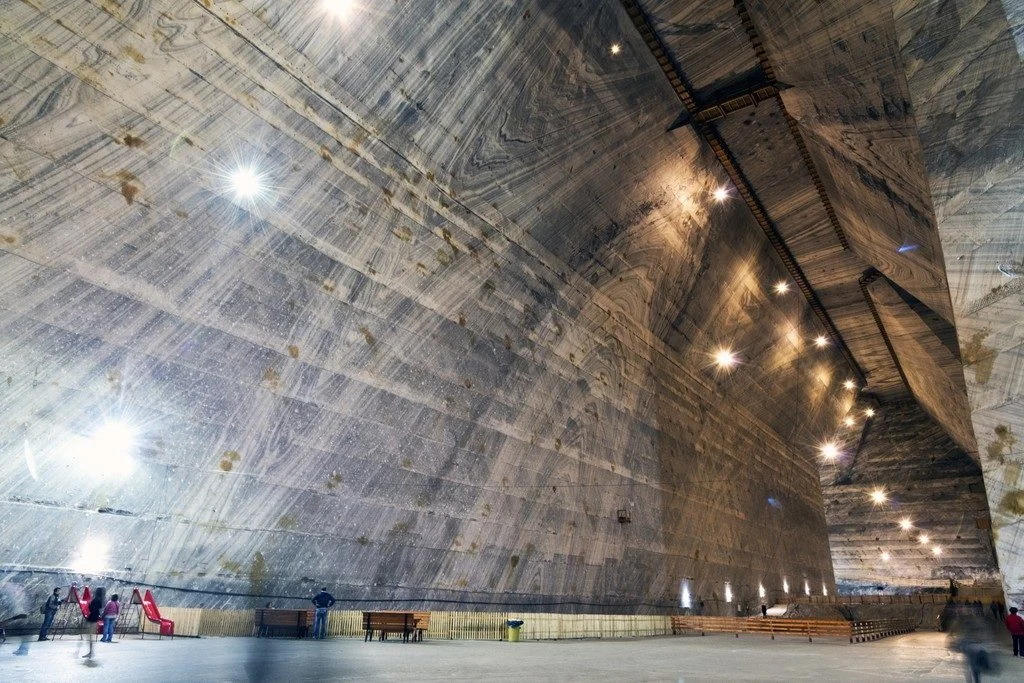
Imaggeo on Mondays: The salt mine carving into the Carpathians
The image gives us a glimpse into the Slănic Salt Mine in central Romania, about 100 kilometres north of the capital city Bucharest. The region was actively mined for almost 30 years, from 1943 to 1970. The Slănic Salt Mine is the largest salt mine in Europe, and the facility consists of 14 large chambers, each more than 50 metres high. The cavities of the mine, more than 200 metres deep, carve in ...[Read More]