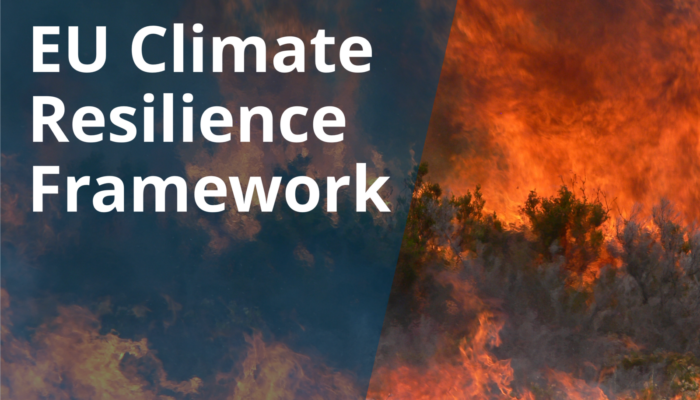
Climate change is having a profound impact on the planet. According to several reports, 2023 was the warmest year on record, with the global average temperature over the 12-month period from February 2023 to January 2024 exceeding the 1.5 °C threshold above pre-industrial levels. Climate change acts as a risk multiplier, as its impacts transcend national borders and amplify existing threats and cr ...[Read More]
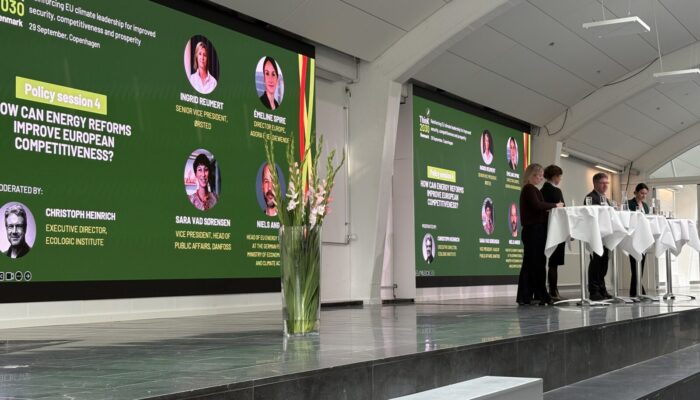
Rethinking Europe’s historical climate leadership in a ‘Time of Transition’
The Think2030 Dialogue Denmark was held in crucial times, since once the uncontested frontrunner in global climate governance, Europe now faces the dual challenge of renewing its leadership and maintaining competitiveness amid a shifting geopolitical and technological landscape, alongside a constantly changing multilateral world order. At a time when global competition over clean technologies, res ...[Read More]
3 ways geoscientists can support the Biodiversity Strategy for the EU’s Green Deal
The European Union Green Deal outlines an ambitious plan for turning climate and environmental challenges into opportunities to make the EU’s economy sustainable and make Europe the first climate-neutral continent. This plan covers a wide range of topics such as preventing biodiversity loss, achieving net-zero pollution and making the agricultural industry more sustainable. These topics include sp ...[Read More]
GeoPolicy: How to become a Seconded National Expert for the European Commission
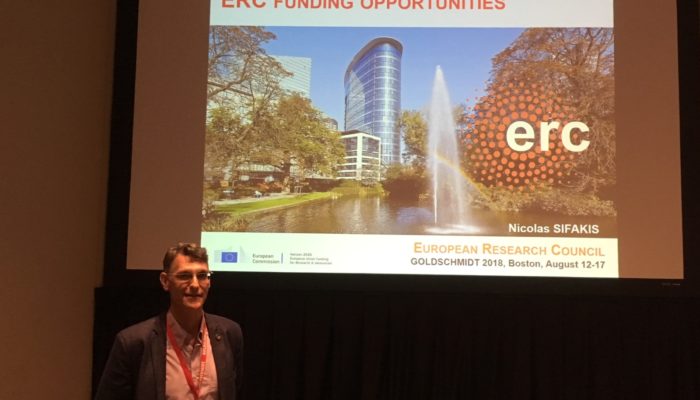
The European Seconded National Expert programme is a fantastic opportunity for scientists who are currently working in a national, regional or local public administration of an EU member state or an intergovernmental organisation to gain experience working within a European policy institution. In most cases, secondments are between six months and four years during which time the Seconded National ...[Read More]