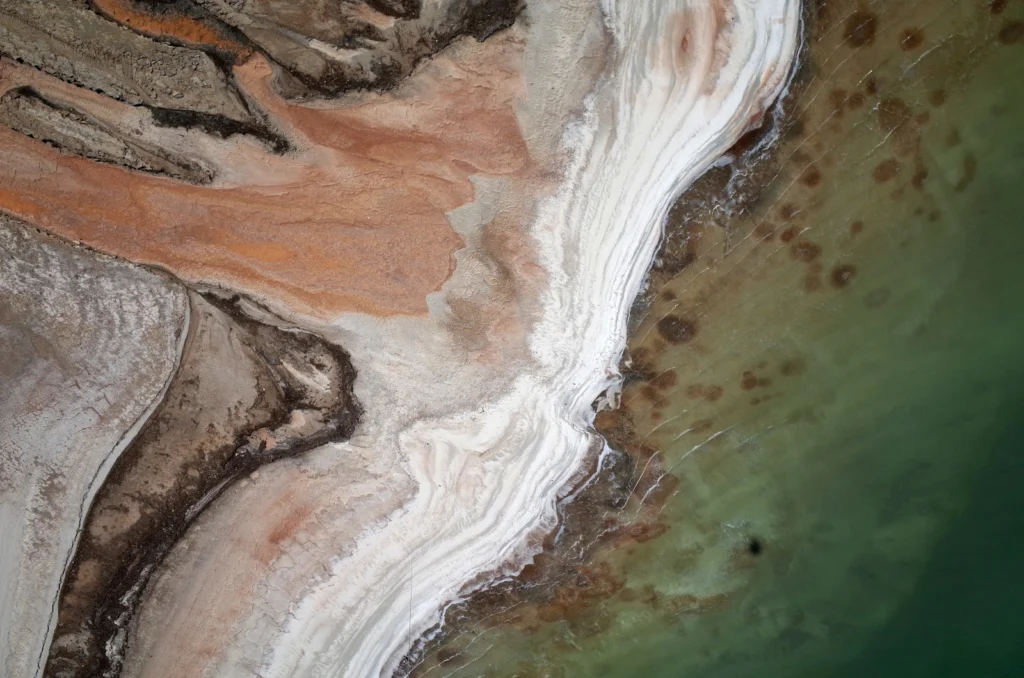
The Dead Sea is one of the saltiest lakes on Earth, located at the lowest point of the globe. For centuries it has been known for the restorative powers of its muds and waters. Their hypersalinity means it is possible to easily float on the lake’s surface. Bordering Israel, the West Bank and Jordan, it is a unique environment in an otherwise arid region. Changing climate, which is seeing tempera ...[Read More]
erosion
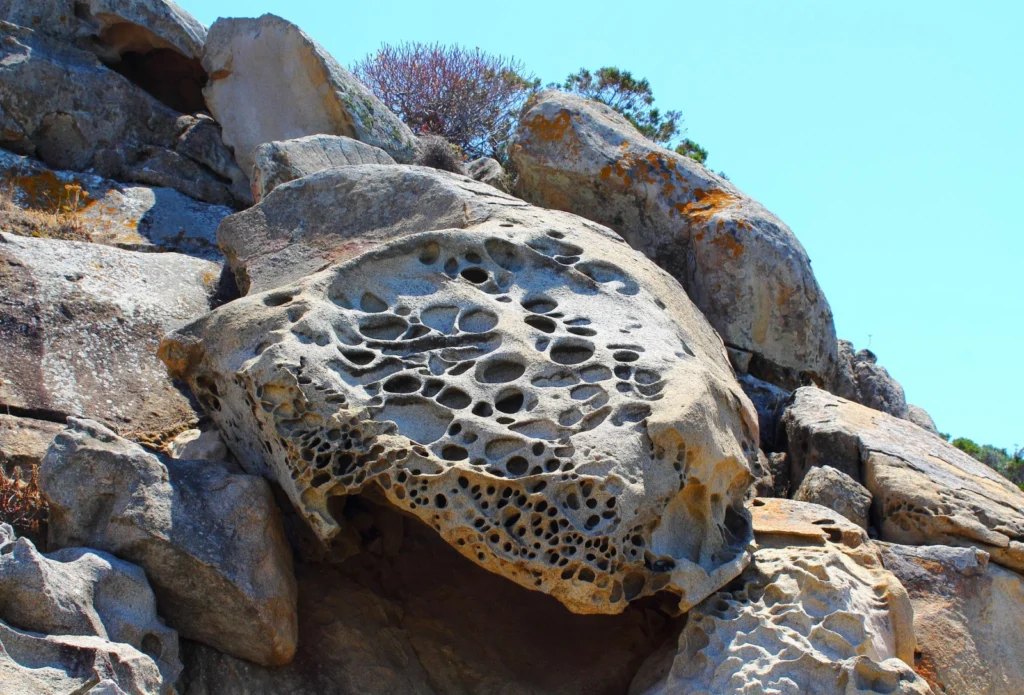
Imaggeo on Mondays: the rocks that look like Swiss cheese
Over the course of centuries and millennia, the force of winds, seas, ice and rains, sculpt rock formations around the globe. From the world-famous glacier carved landscapes of Yosemite National Park, to the freeze-thawed hoodoos at Bryce National Park, through to the wind battered stone pillars of South China Karst, boundless geological formations have been transformed by the power of erosion and ...[Read More]
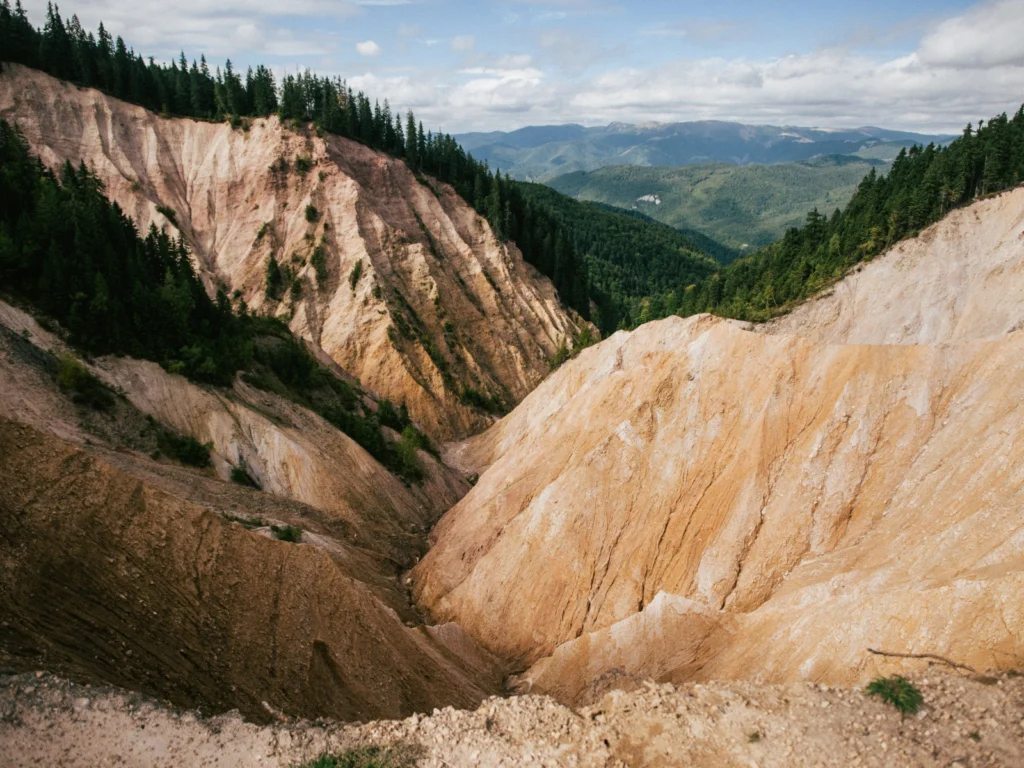
Imaggeo on Mondays: The Groapa Ruginoasa
The Apuseni National Park, in Romania, is a geoscientists paradise. This 187,000 acre Park in the Western Carpathians boasts caves, deep valleys and gorges, karst landscapes, rocky steep walls and underground watercourses. The sheer beauty of the landscape is captured in today’s Imaggeo on Mondays image featuring the Groapa Ruginoasa, a deep sandstone ravine. “Locality names of morphol ...[Read More]
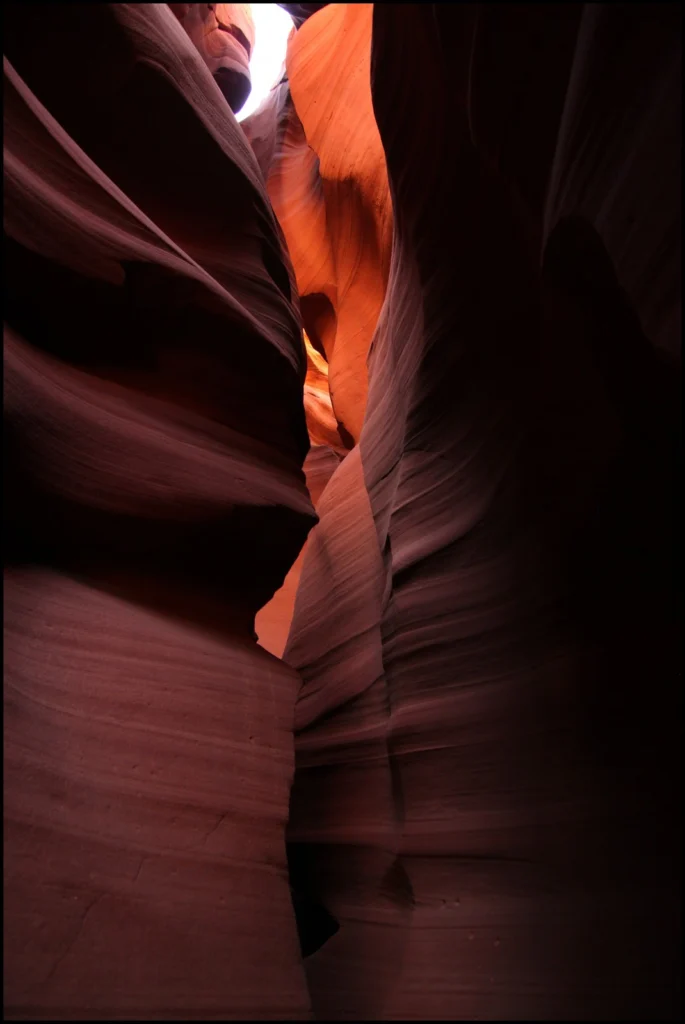
Imaggeo on Mondays: The place where water runs through rocks
Antelope Canyon, located in Arizona, USA, was formed by erosion of the Navajo Sandstone, primarily due to flash flooding and secondarily due to other sub-aerial processes (think of physical weathering processes such as freeze-thaw weathering exfoliation and salt crystallisation). Rainwater runs into the extensive basin above the slot canyon sections, picking up speed and sand as it rushes into the ...[Read More]
The known unknowns – the outstanding 49 questions in Earth Sciences (Part IV)
We are coming to the end of the known unknowns series and so far we have explored issues which mainly affect the inner workings of our planet. Today we’ll take a look at the surface expression of the geological processes which shape the Earth. Topography significantly affects our daily life and is formed via an interplay between primarily tectonics and climate, but it also affected by biological, ...[Read More]
Imaggeo on Mondays: Soil and water conservation in the Dogon Plateau, Mali
Velio Coviello, a scientist from the Research Institute for Hydrogeological Protection, Italy, and one of the winners of the EGU 2014 Photo Contest, brings us this week’s Imaggeo on Mondays. He sheds light on his winning image and the problems associated with conserving soils and water in Western Africa… This picture was taken on Mali’s Dogon plateau during the dry season, in the course of a late ...[Read More]
GeoTalk: Veerle Vanacker on land use, degredation and the potential of revegitation
Today in GeoTalk, we’re talking to Veerle Vanacker, and eminent geomorphologist and winner of the EGU Division Outstanding Young Scientist Award last year. She tells us about her breakthroughs in modelling land use change and erosional processes… First, could you introduce yourself and tell us a little about what you are currently working on? I currently work as a lecturer in geomorphology at the ...[Read More]
Imaggeo on Mondays: Beautiful Badlands
This week’s Imaggeo on Mondays is brought to you by Gert Verstraeten, who takes us through the formation of some of the striking landscapes in the Mediterranean – the badlands. For more than 7 years I have been performing research on reconstructing historic erosion rates in the Taurus Mountains in Southwest Turkey. Badlands are heavily eroded landscapes, where soft, clay-rich rocks and soils have ...[Read More]
GeoTalk: Simon Mudd
Today in GeoTalk, we’re talking to Simon Mudd, an exceptional and forward-thinking geomorphologist. First, could you introduce yourself and let us know a bit about what you are currently working on? I am lecturer in Landscape Dynamics at the University of Edinburgh, where I have been since 2007. Before that I was a post-doc at Vanderbilt University, in Nashville Tennessee. I received my PhD from V ...[Read More]