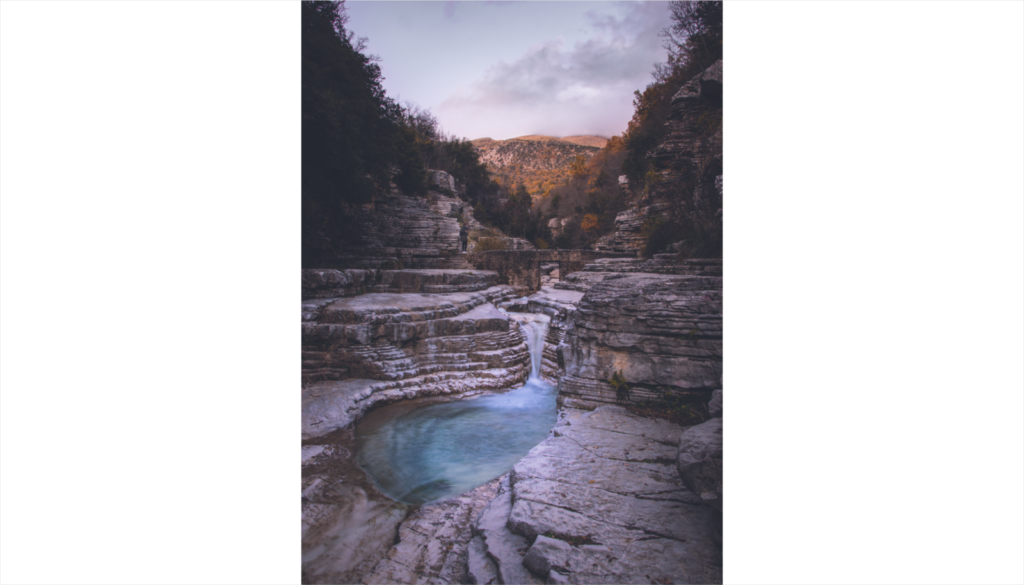
The Papingo’s rock pools are located at the mountainous area of Epirus in northwestern Greece, at an altitude of 980 meters. The Rogovo stream, over the years, has eroded the limestone rocks creating a complex of water falls and cavities (natural rock pools) with clear and cold running water, which the locals call “ovires”. Photo by Athanasios Serafeim, as described on imaggeo.egu.eu. ...[Read More]
erosion
Imaggeo On Monday: Stands of Time
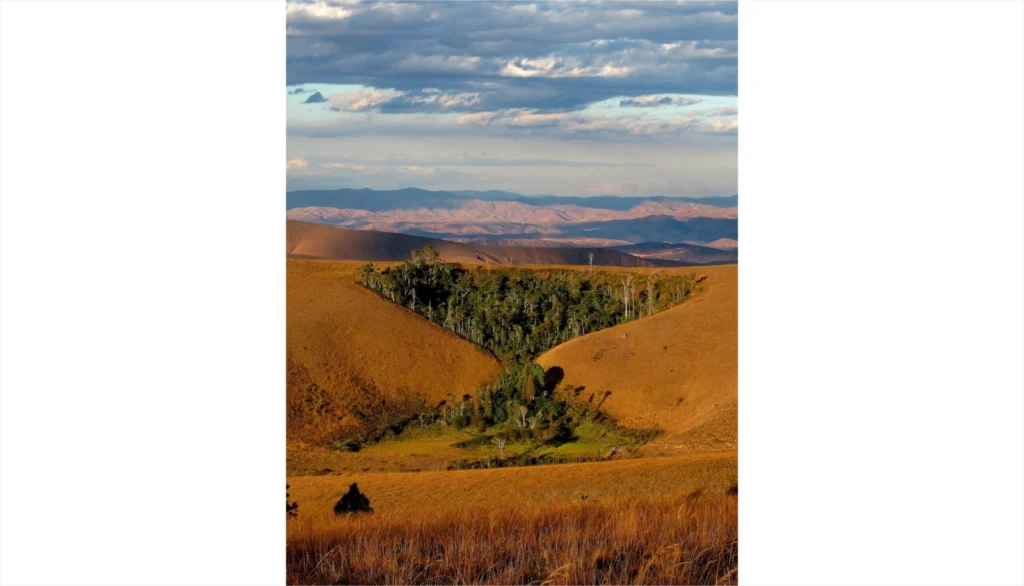
Within the heart of the Malagasy Hauts-Plateaux, the rolling grasslands are pitted by deep incisions locally referred to as lavaka (‘hole’ in Malagasy). These mass failure features provide vast quantities of terrestrial matter to local freshwater arteries, accounting for over 80% of the annual sediment load of the Betsiboka River. The collapse of the overlying laterite exposes a comparatively nutr ...[Read More]
Imaggeo On Monday: A meander in the meltwater valley
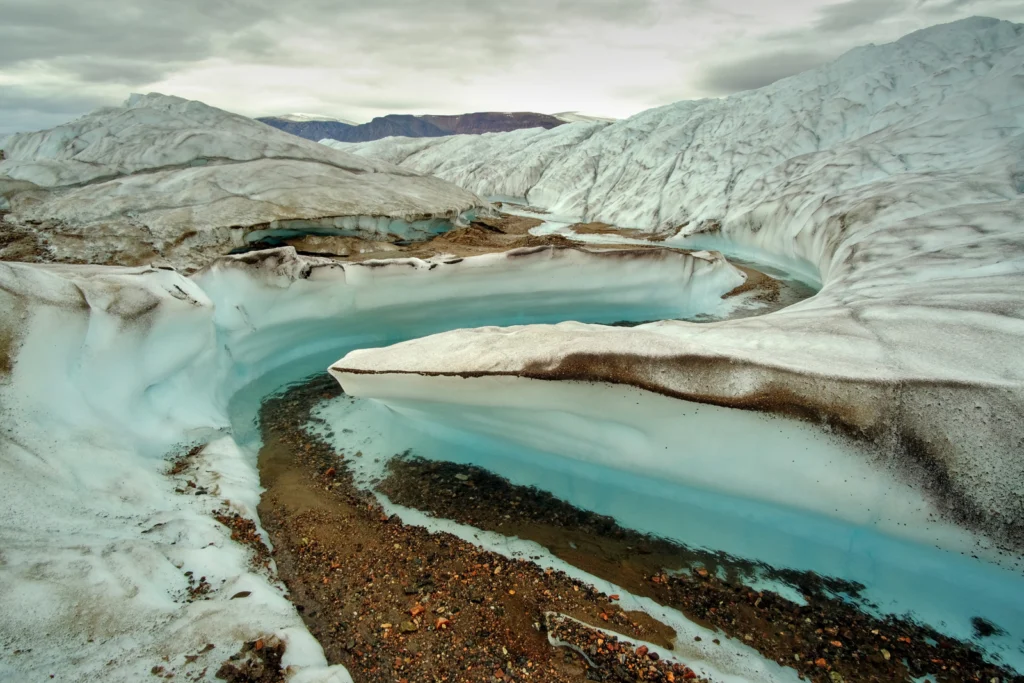
At the edge of the Greenland Ice Sheet, surface melt releases old layers of dust, that have travelled thousands of years into the ice. Under sunny weather, the dust heats up with radiation, melts the ice underneath, and thus accumulates in tiny potholes and meltwater creeks. However, this photo was taken after a rainy day. The rain triggered increased melt on the surface of the ice irrelevant of i ...[Read More]
Imaggeo On Monday: An ever evolving landscape – Orog Nuur, Mongolia
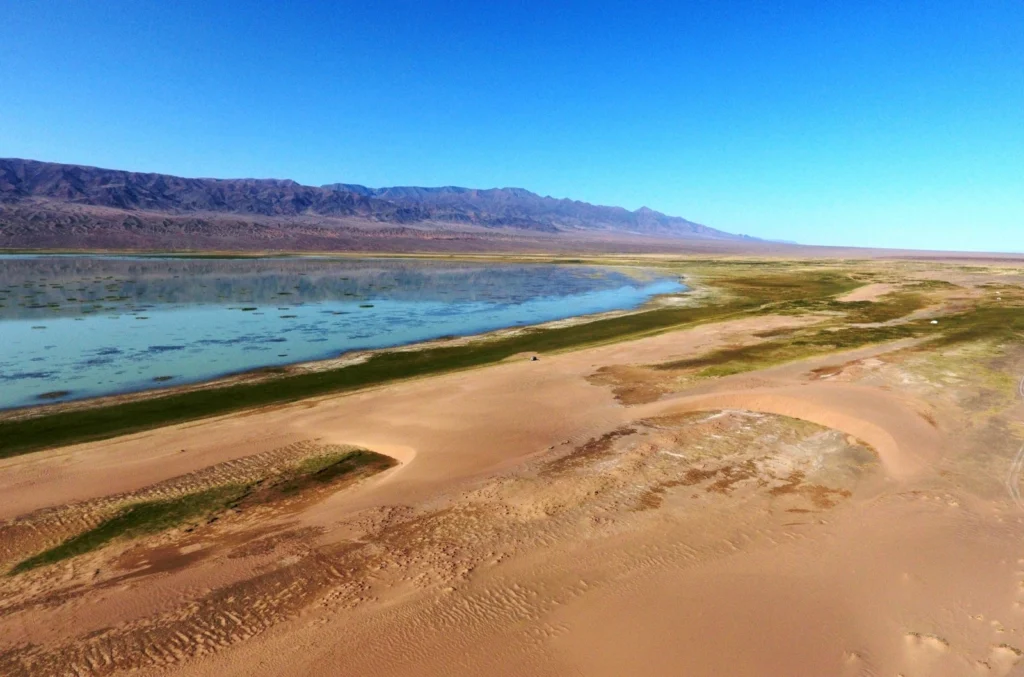
At the transition from the Gobi Altay ranges to the Valley of the Lakes in South West Mongolia, the Ikh Bogd mountain towers almost 3000 m above the aridifying endorheic Orog Nuur Basin. The actively deforming mountain front shows traces of multiple earthquakes, which in turn affect the alluvial sediments deposited in the basin. Simultaneously, strong south-eastward winds create beautiful barchan ...[Read More]
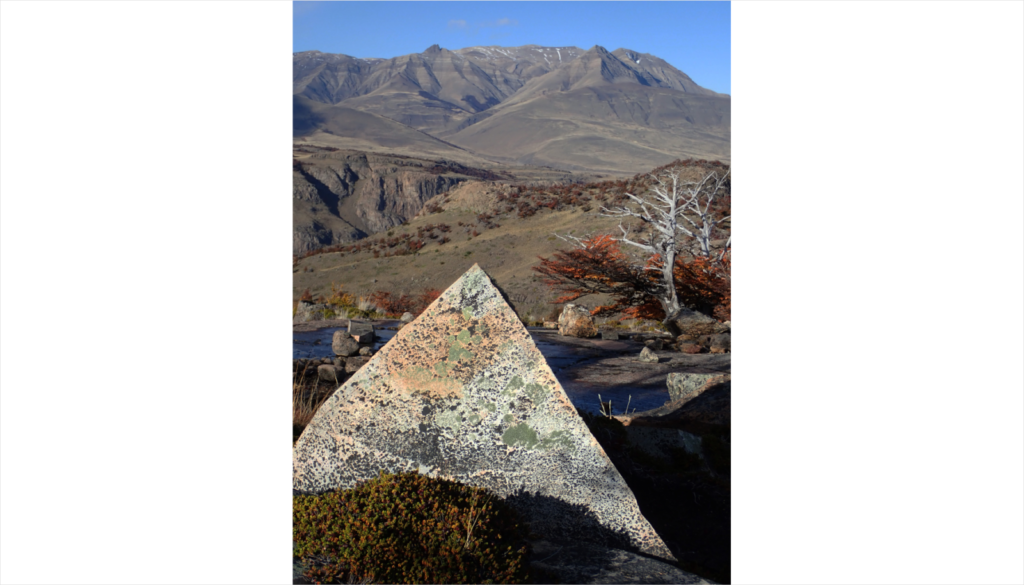
Imaggeo On Monday: Rock pyramid shaped by weathering
The almost perfect rock pyramid in the foreground was formed by physical weathering and found in the Los Glaciares National Park in southern Argentina. The block was deposited on top of a rock surface polished by glacial erosion. The pyramidal peaks in the background are also the result of glacial erosion, albeit on a much larger scale. Description by Christoph Mayr, after the description o ...[Read More]
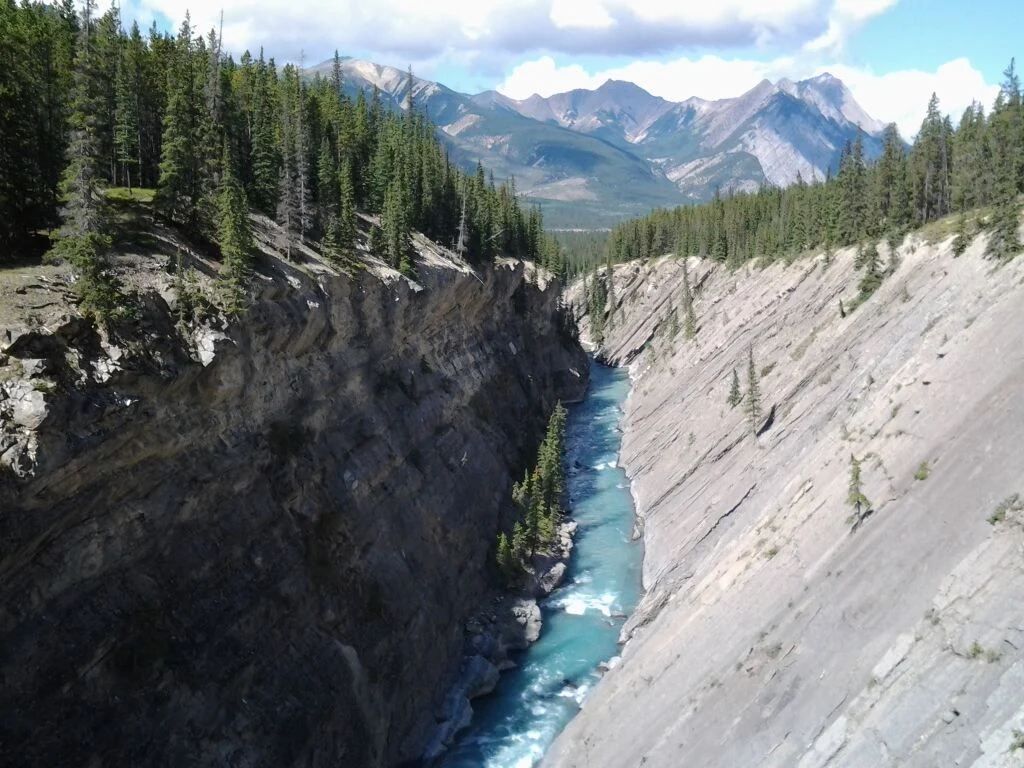
Imaggeo On Monday: Water Force
A force is a push or pull upon an object resulting from the object’s interaction with another object. This image shows the most magnificent force in nature; water, interacting with an inclined rock formation, with a backdrop of the magnificent landscapes of Canada. Description by Daniela Lobianco, after the description on imaggeo.egu.eu. Imaggeo is the EGU’s online open access ...[Read More]
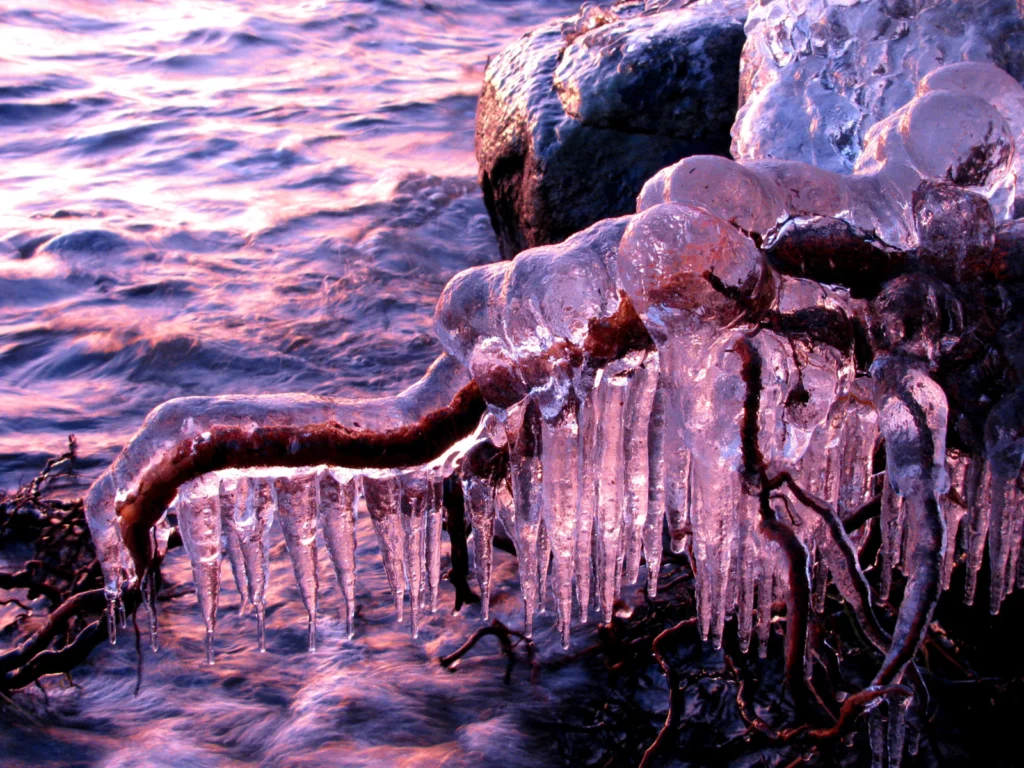
Imaggeo On Monday: Ice-coated roots at sunset
The coating by the ice and the icicles are created through the interplay of wave action and the simultaneous freezing of the water around the exposed tree roots. The reason for the exposed tree roots is increased bank erosion due to a rather unusual circumstance. The combination of the lake not yet being frozen in early winter, and strong winter storms, make it very easy for the waves to erode the ...[Read More]
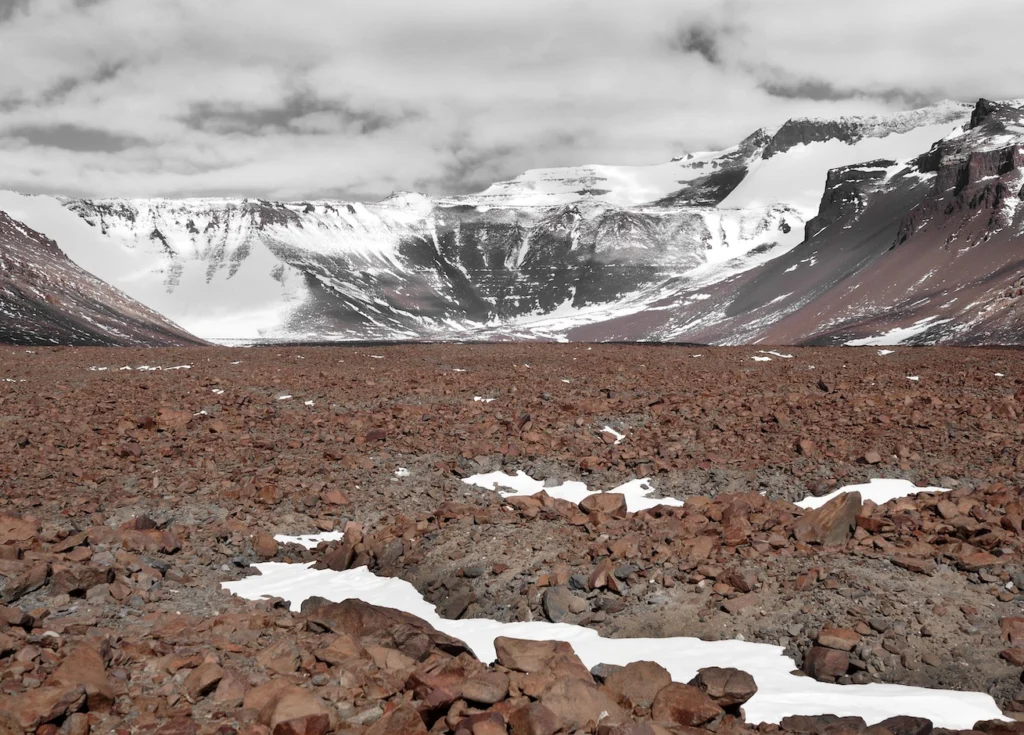
Imaggeo On Monday: Desert Varnish, Antarctica Style
This photograph highlights the oxidized surface of diorite boulders, which fall from the ice at the base of the Mullins Glacier in Beacon Valley, Antarctica when the ice moves directly from a solid state into a gas state, without becoming a liquid in between (a process called sublimation). The particular features (morphology) of the varnish and the desert pavement of this unique environment are re ...[Read More]
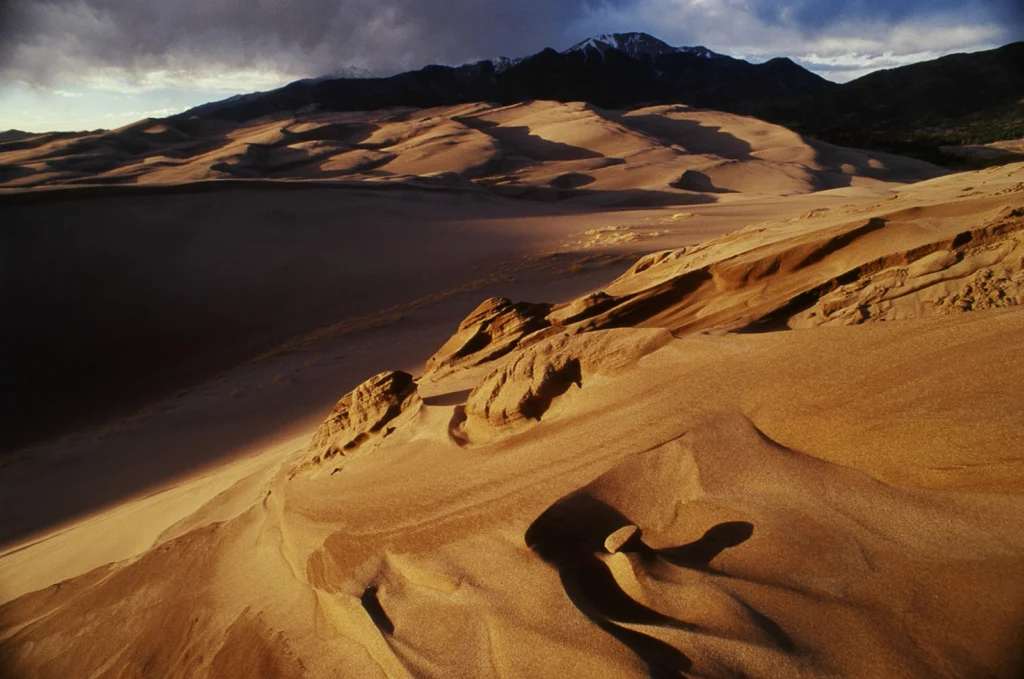
Imaggeo On Monday: Great Sand Dunes Sunset
On a late afternoon in Colorado’s Great Sand Dunes, the sun came out from behind the clouds for a brief moment before it went behind the horizon, illuminating the stoss side of an eroding dune. Sand originated from lacustrine deposits in the San Luis Valley; the Sangre de Cristo mountains, which can be seen in the background, provided a source of some of the sand. This image therefore illust ...[Read More]
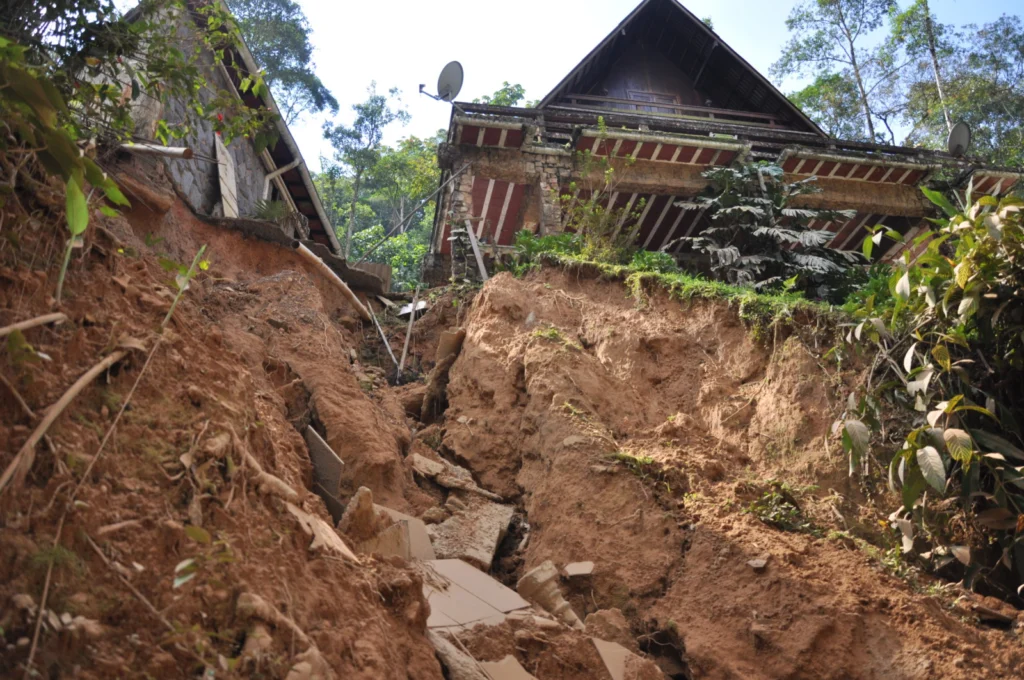
Imaggeo On Monday: Tragédia em Petropolis (Brazil)
A series of deadly landslides and debris flows occurred in March 2013 in Petropolis, a municipality in the Brazilian state of Rio de Janeiro. This photo has been shot a little more than a month later. It highlights the important “supporting role” played by sewer pipes in this disaster. Description by Michele Calvello, after the description on imaggeo.egu.eu. Imaggeo is the EGU’s ...[Read More]