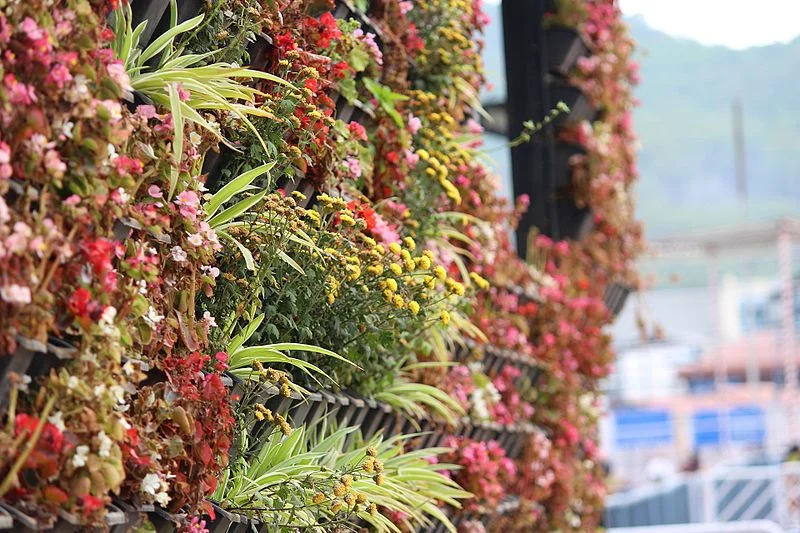
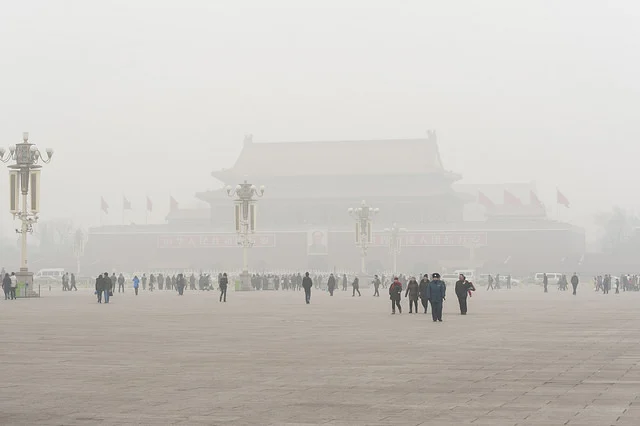
Over half the world’s population lives in cities. Many a metropolis rises high above carpets of concrete and tarmac, vibrant, bustling, and prosperous. But this urban environment comes with many a problem. From poor air quality to hazardous temperatures, there are several dangers present in urban environments. Scientists speaking at the European Geosciences Union General Assembly in Vienna earlier ...[Read More]
environment
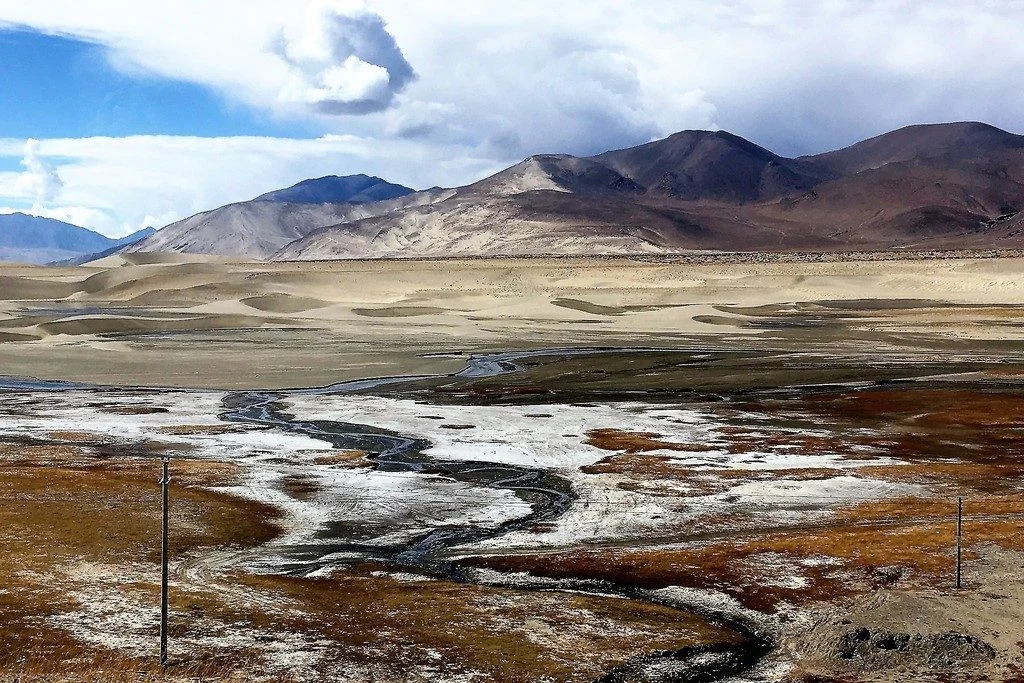
Imaggeo on Mondays: Sand and snow on the Tibetan Plateau
Roughly 50 million years ago, the Eurasian and Indian continental plates began to crash into each other, dramatically changing the landscape of modern-day Asia. The force of the collision caused the Earth to scrunch together at the zone of impact, subsequently forming the Himalayan mountain range. However, to the north of the crash, a stretch of the Earth uplifted without bunching up or wrinkling; ...[Read More]
May GeoRoundUp: the best of the Earth sciences from around the web
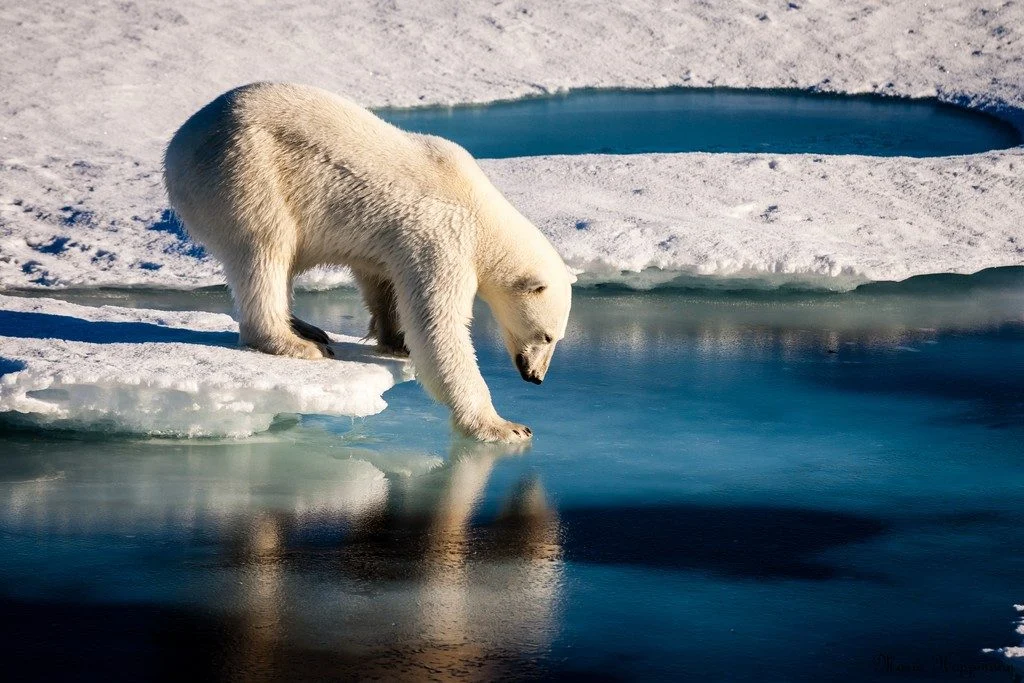
Drawing inspiration from popular stories on our social media channels, major geoscience headlines, as well as unique and quirky research, this monthly column aims to bring you the latest Earth and planetary science news from around the web. Major story The impact that humans have left on the planet’s landscape is so profound, that up to one million plant and animal species are at risk of extinctio ...[Read More]
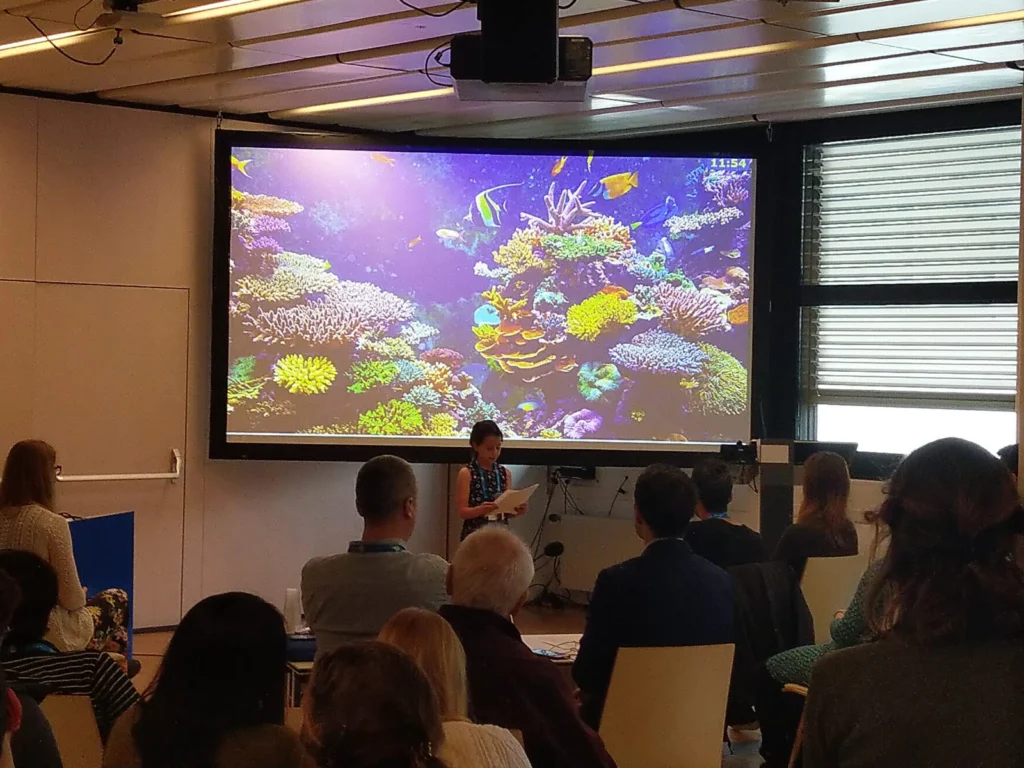
GeoTalk: “Grown-ups are not focusing on the plastic problem, not as much as I want them to”
Lucie Parsons, a ten-year old girl from the small village of Walkington, in England, is on a personal mission to save the environment from plastic pollution. After seeing on the BBC Blue Planet II documentary how litter in the ocean is damaging ecosystems, she decided to take action. Now she gives talks and is co-researcher in her mother’s PhD on climate change and the youth voice. Lucie has come ...[Read More]
Make your EGU 2019 experience more environmentally friendly
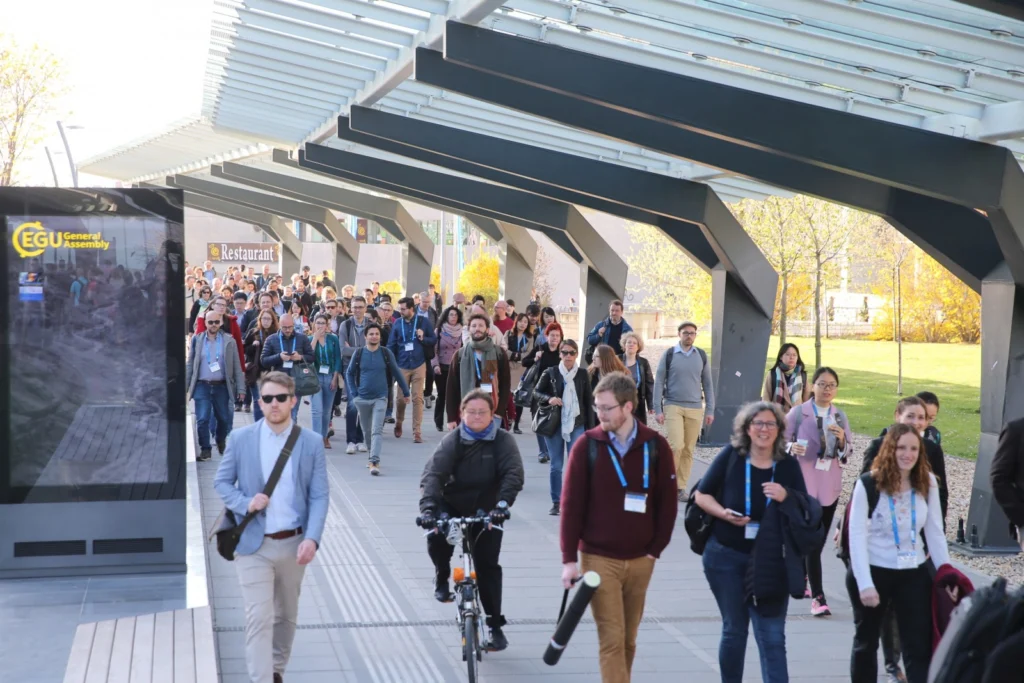
The annual EGU General Assembly, the largest geoscience conference in Europe, attracts more than 15,000 attendees to Vienna, Austria every year. With such a large number of participants, many flying to the Austrian capital to attend, the meeting has a large environmental impact. Given this, the EGU is implementing a number of initiatives towards minimising the General Assembly’s carbon footprint. ...[Read More]
Geosciences Column: Using volcanoes to study carbon emissions’ long-term environmental effect
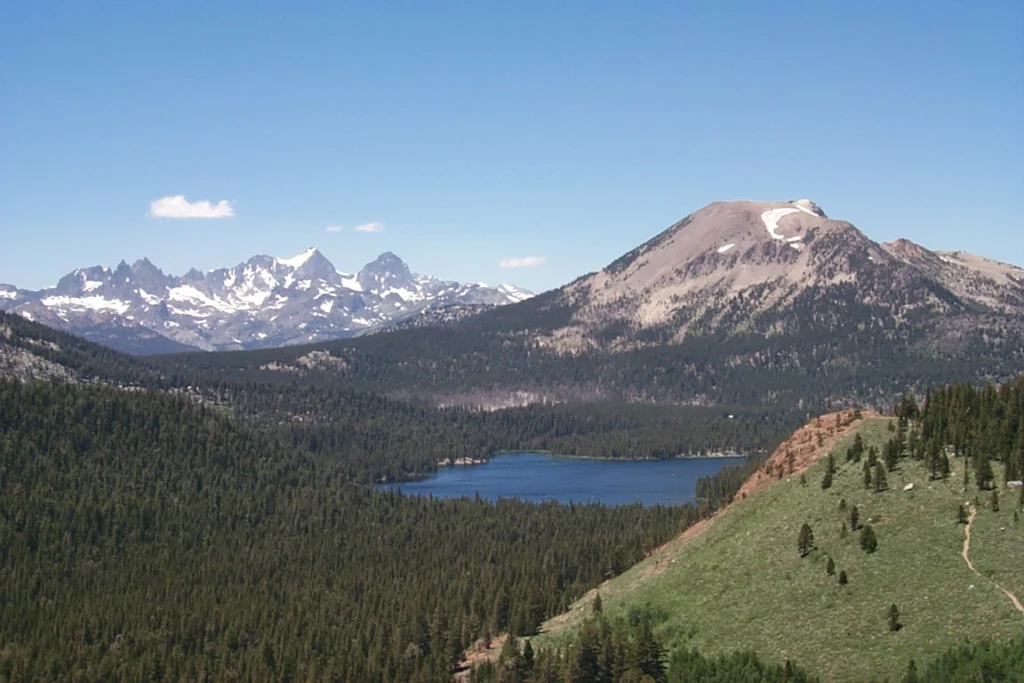
In a world where carbon dioxide levels are rapidly rising, how do you study the long-term effect of carbon emissions? To answer this question, some scientists have turned to Mammoth Mountain, a volcano in California that’s been releasing carbon dioxide for years. Recently, a team of researchers found that this volcanic ecosystem could give clues to how plants respond to elevated levels of carbon d ...[Read More]
GeoPolicy: What does working at the European Environment Agency look like? An interview with Petra Fagerholm
This blog post features an interview with Petra Fagerholm who is currently leading the team on public relations and outreach in the communications department of the European Environment Agency (EEA). Petra gave a presentation about the EEA during the Science for Policy short course at the 2018 EGU General Assembly. In this interview, Petra describes her career path, what it is like to work at the ...[Read More]
An overnight train view of China’s Anthropocene – Part 2
Science fiction is no match for industrial non-stop China. Electric bikes zip across the cities of Shanghai and Beijing, and soundtrack the neon nights with their passing whirr. Here, some kind of two-wheeled revolution has taken place which are we completely unaware of in the West. It’s Blade Runner meets Total Recall in a future which has already come to pass. The very existence of our ele ...[Read More]
Imaggeo on Mondays: Wildfires leave their mark on Jasper National Park
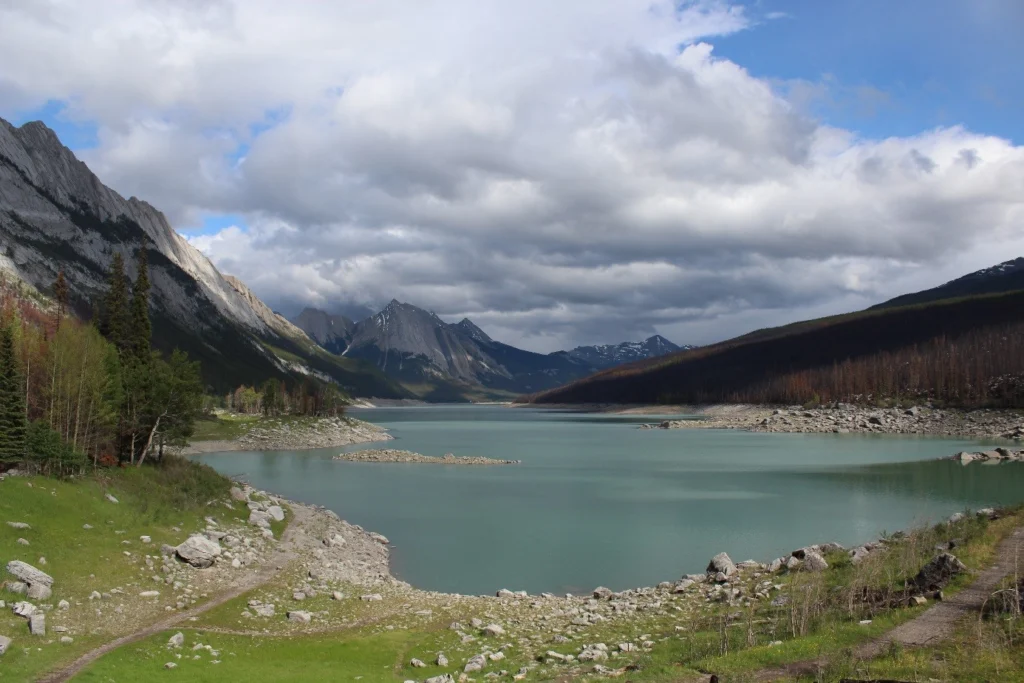
Jasper National Park is the largest national park in the Canadian Rocky Mountains, spanning across nearly 11,000 square kilometres of Canadian wilderness. The park is known for its rugged landscape, extensive trails, and abundance of deer, bighorn sheep, wolves, mountain lions and bears. This region is also very susceptible to blazing wildfires, a result of human activity that began more than a ce ...[Read More]
Sending GIFT to Africa: A new collaboration between the EGU, UNESCO and ESA
For the past ten years, the EGU’s Geosciences Information for Teachers (GIFT) workshops – spreading first hand scientific research to teachers of primary and secondary schools – have been hugely successful in shortening the time that research takes to disseminate from scientist to textbook to teacher and offering usable practical activities for the classroom. GIFT workshops are usually held at the ...[Read More]