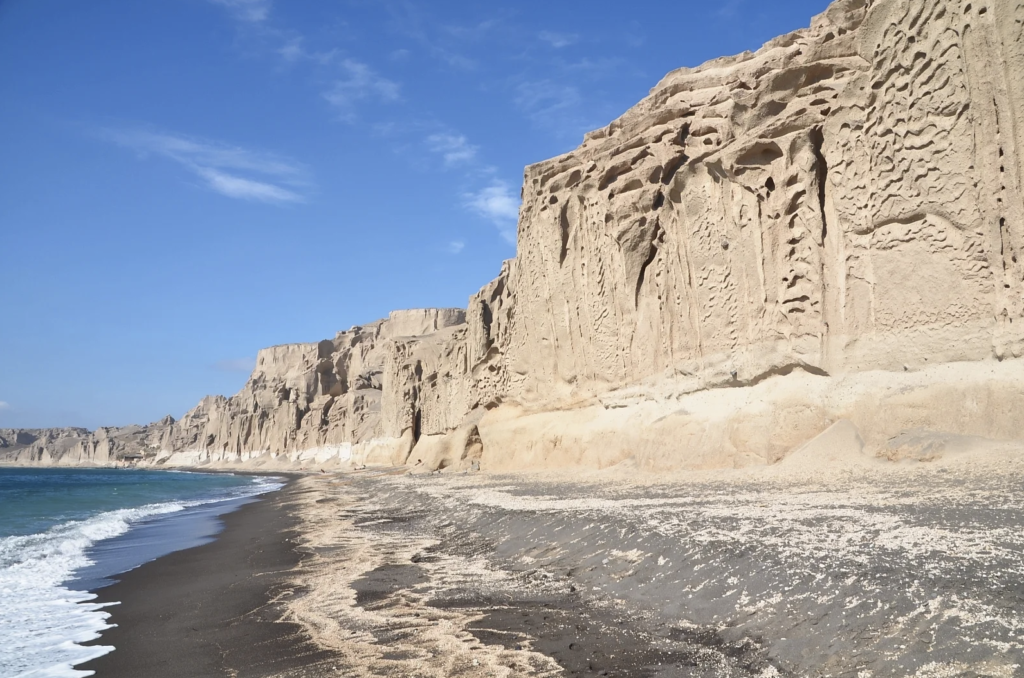
The cliffs look like a bas-relief sculpted by a tireless artist. Naturally carved by the wind and sea, Vlychada’s white cliffs border its black sands, on the southern shore of Thera (Santorini), Greece. Both are of volcanic origin. The material originates from the Late Bronze Age eruption around 1600 BCE, which also buried the prosperous Akrotiri settlement. This massive Plinian eruption led to th ...[Read More]
coast
Back for the first time: measuring change at Narrabeen–Collaroy Beach
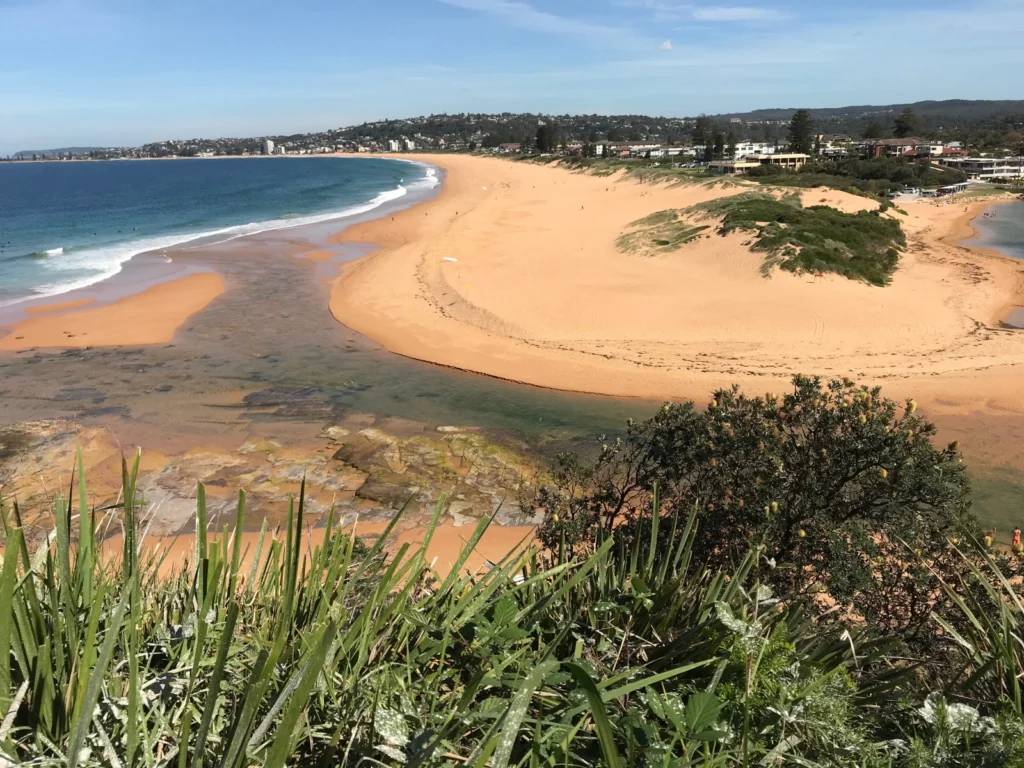
Narrabeen–Collaroy Beach in New South Wales, Australia, just north of Sydney, is home to one of the longest-running shoreline-measurement programmes in the world. With colleagues at the University of New South Wales (UNSW) Sydney, Eli Lazarus, an associate professor in geomorphology at the University of Southampton, UK, has been analysing over 40 years of data from Narrabeen–Collaroy to better und ...[Read More]
Imaggeo on Mondays: Sunset on the Giant’s Causeway
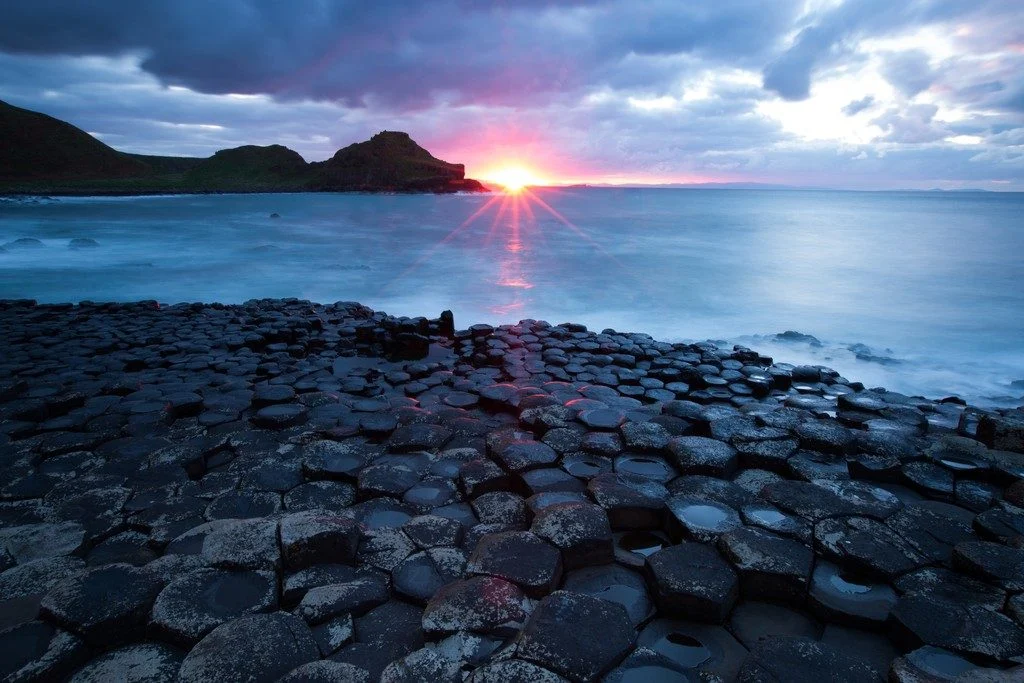
Pictured here is the Giant’s Causeway – a region of basalt columns, created 50-60 million years ago during the Paleogene. The typical polygonal form of the bedrocks, a product of active volcanic processes from the past, is well underlined by the sunset’s light; that’s why I took the photo in the late evening. The separate cracks are extended by weathering over time and are filled eluvi ...[Read More]
Imaggeo on Mondays: All seasons in one day
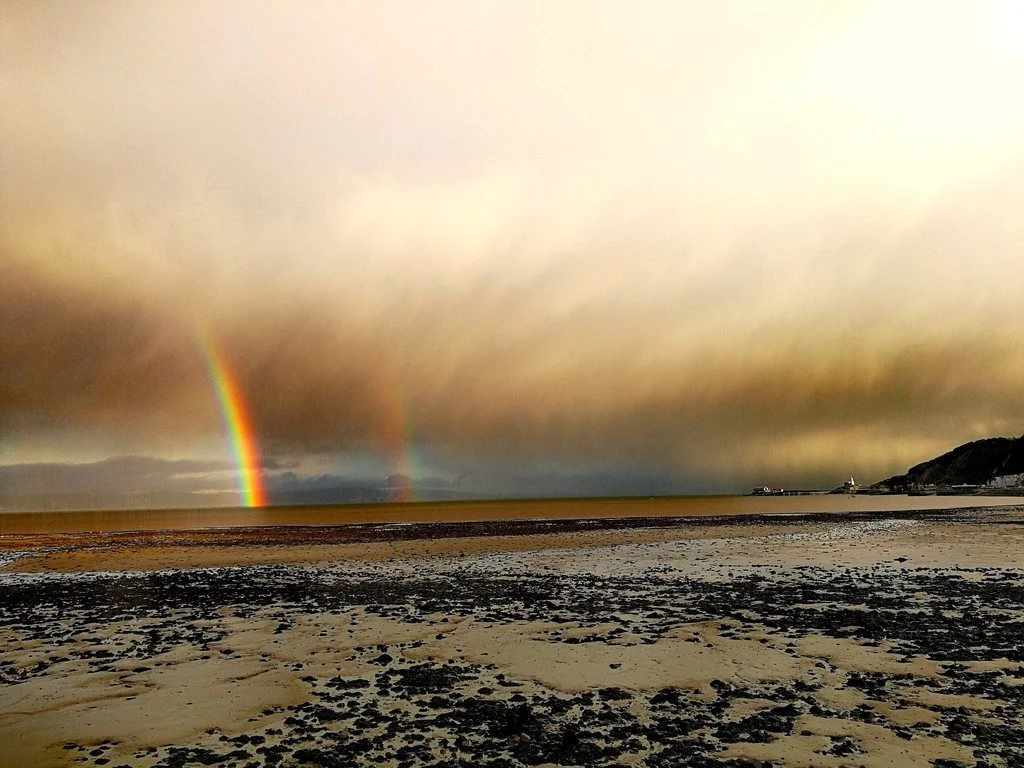
Storm fronts arrive on Britain’s west coast in waves throughout the winter (and very often the summer too!) It is not unusual to see rain falling on a beach with hail and snow lying, whilst a rainbow pierces the clouds. Description by Mary Gagen, as it first appeared on imaggeo.egu.eu. Imaggeo is the EGU’s online open access geosciences image repository. All geoscientists (and others) can su ...[Read More]
Imaggeo on Mondays: Robberg Peninsula – a home of seals
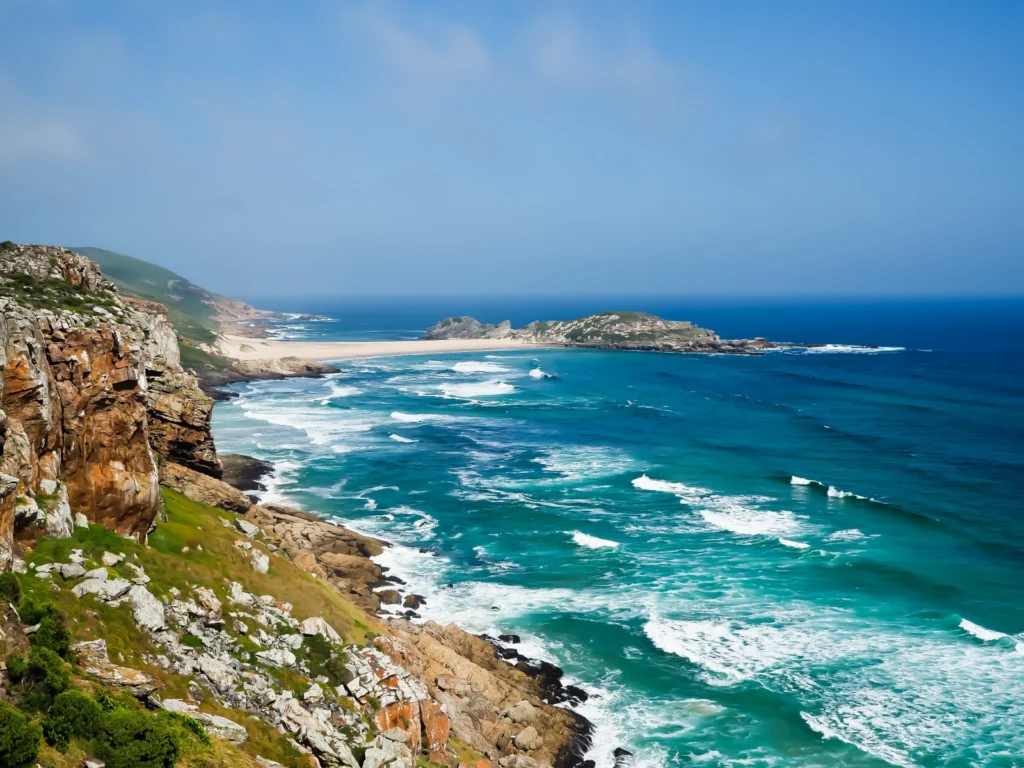
This picture is taken from the Robberg Peninsula, one of the most beautiful places, and definitely one of my favorite places in South Africa. The Peninsula forms the Robberg Nature Reserve and is situated close to the Plettenberg Bay on the picturesque Garden Route. “Rob” in Dutch means “seal”, so the name of the Peninsula is translated as “the seal mountain”. T ...[Read More]
Geosciences Column: Do coastlines have memories?
Did you know that the shape of coastlines is determined by the angle at which waves crash against the shoreline. It has long been thought that fluctuations in the wave incidence angle are rapidly felt by coastlines, which change the shapes of their shores quickly in response to shifting wave patterns. Or do they? Researchers at the British Geological Survey, Duke University (USA) and Woods Hole Oc ...[Read More]
Geosciences column: Shelter island – building a barrier to protect the coast
The latest Geosciences Column features recent research into tsunami hazards and explains how island building out to sea can help protect buildings on the shore… Barrier reefs are well known for holding off the wrath of the ocean and sheltering the serene lagoons that stretch between them and the mainland. Barrier islands possess the same protective power, taking the impact of waves that have built ...[Read More]