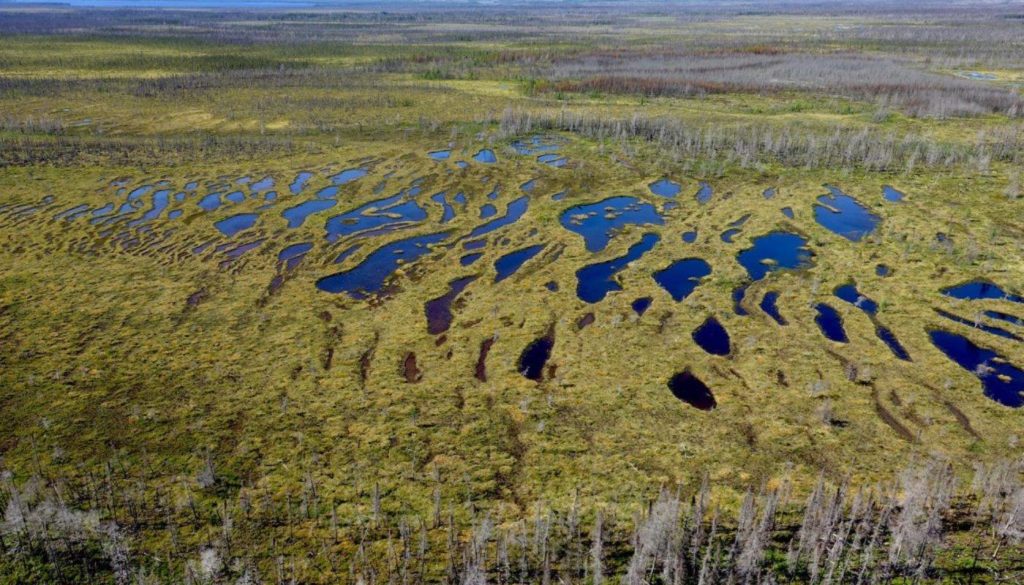
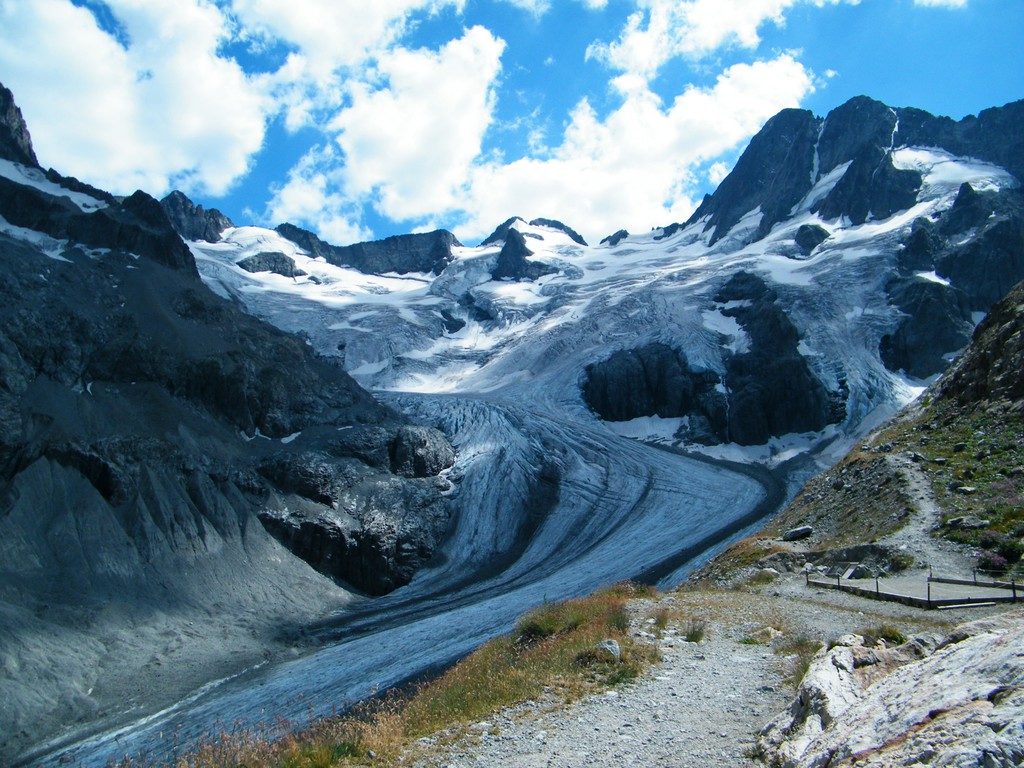
2020 is being described by many as a tipping point: the year that humanity as a species must take concrete and measurable action to prevent catastrophic climate change. But even if we do manage to slow carbon emissions from 2020 onwards, how would the planet deal with all the carbon dioxide we have produced so far? How much capacity do the planet’s natural carbon sequestration reserves actually ha ...[Read More]
September GeoRoundUp: the best of the Earth sciences from around the web
Drawing inspiration from popular stories on our social media channels, major geoscience headlines, as well as unique and quirky research, this monthly column aims to bring you the latest Earth and planetary science news from around the web. Major stories Latest IPCC report puts the oceans and cryosphere in focus Last month the United Nations’ Intergovernmental Panel on Climate Change (IPCC) releas ...[Read More]
July GeoRoundUp: the best of the Earth sciences from around the web
Drawing inspiration from popular stories on our social media channels, major geoscience headlines, as well as unique and quirky research, this monthly column aims to bring you the latest Earth and planetary science news from around the web. Major story The world soaks up the sun This summer our planet experienced the hottest June in recorded history, with the average global temperature reaching 16 ...[Read More]
Pole to Paris: Communicating climate change in a divided society
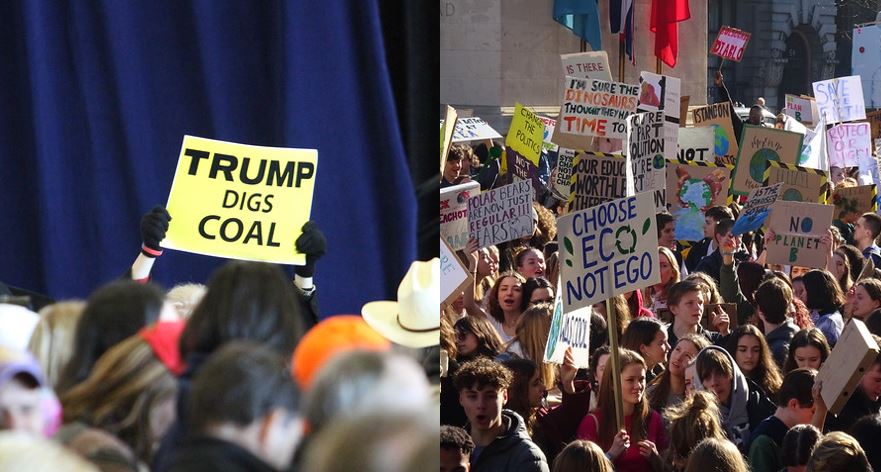
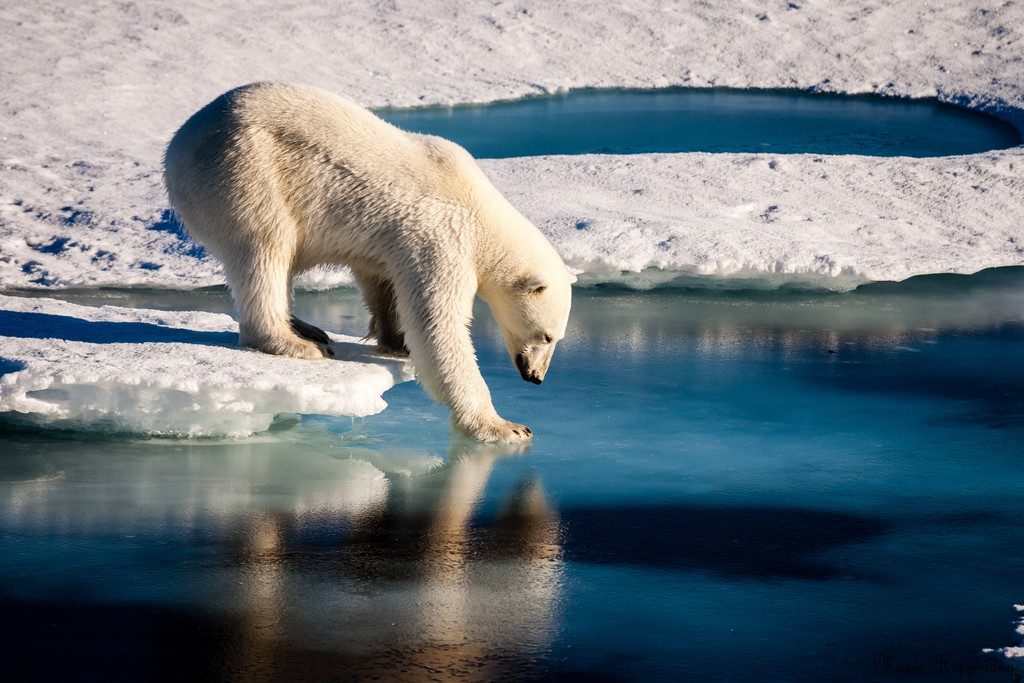
The recent European Parliament election illustrated how divided Europe has become politically and intergenerationally. While the established parties lost their ground, both far-right populistic, anti-EU and liberal, green pro-EU parties grew in popularity among voters1, with the younger generation favoring the latter and the generations above the former2. What role is there for science in this div ...[Read More]
Imaggeo on Mondays: Sand and snow on the Tibetan Plateau
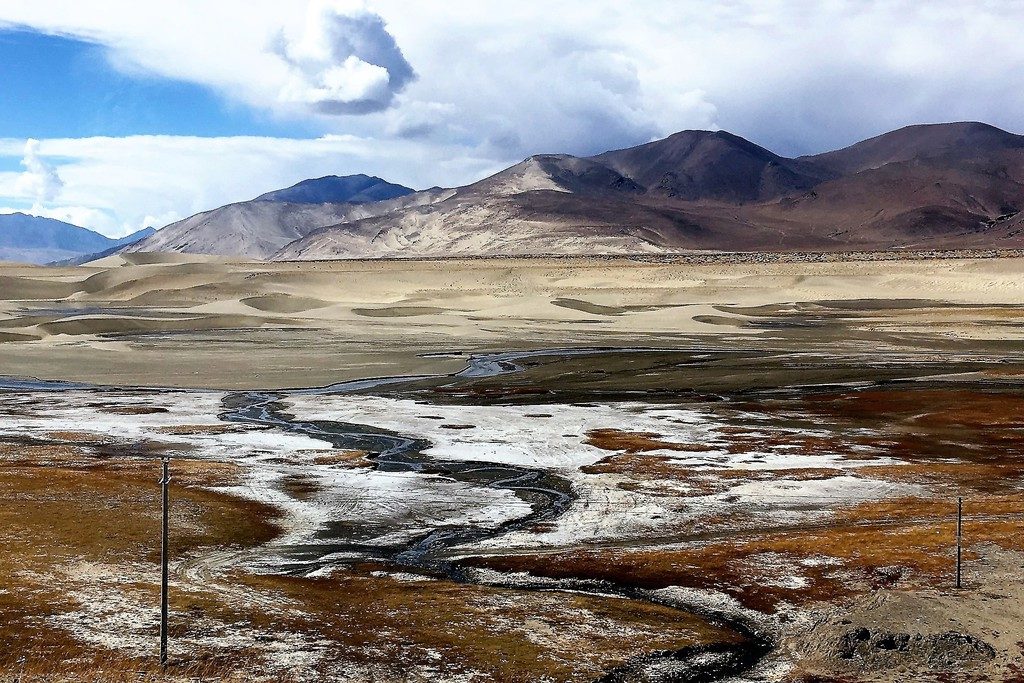
Roughly 50 million years ago, the Eurasian and Indian continental plates began to crash into each other, dramatically changing the landscape of modern-day Asia. The force of the collision caused the Earth to scrunch together at the zone of impact, subsequently forming the Himalayan mountain range. However, to the north of the crash, a stretch of the Earth uplifted without bunching up or wrinkling; ...[Read More]
May GeoRoundUp: the best of the Earth sciences from around the web
Drawing inspiration from popular stories on our social media channels, major geoscience headlines, as well as unique and quirky research, this monthly column aims to bring you the latest Earth and planetary science news from around the web. Major story The impact that humans have left on the planet’s landscape is so profound, that up to one million plant and animal species are at risk of extinctio ...[Read More]
Geosciences Column: climate modelling the world of Game of Thrones
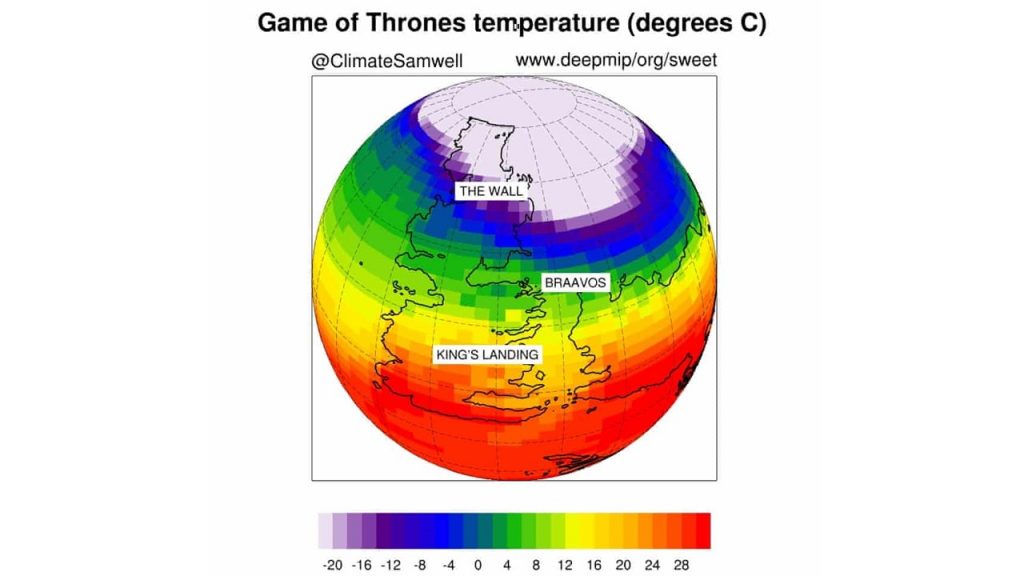
Disclaimer: This article contains minor spoilers for Season 8 of “Game of Thrones.” A basic understanding of the world of Game of Thrones is assumed in this post. The Game of Thrones world of ice and fire is an unpredictable place both politically and environmentally. While the fate of the Iron Throne is yet to be confirmed, a humble steward has been working diligently to make some sense of the pl ...[Read More]
Imaggeo on Mondays: The changing landscape of Patagonia
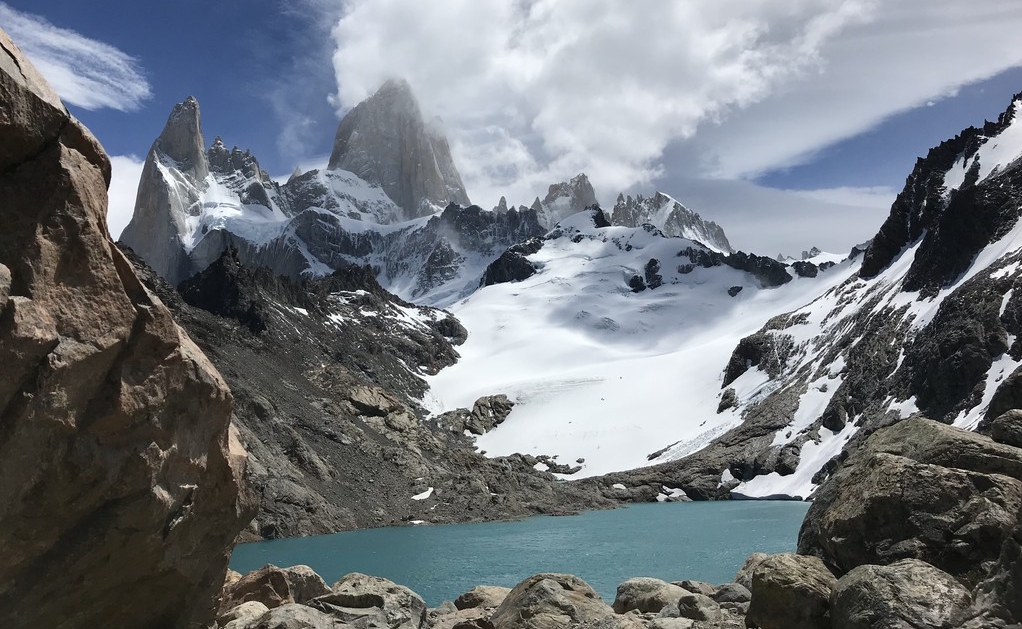
Pictured here is a snapshot of an environment in transition. Today’s featured photo was taken at the foot of Monte Fitz Roy, a jagged Patagonia mountain located in Los Glaciares National Park on the border between Argentina and Chile. The Patagonia region in South America is the second biggest source of glaciers in the southern hemisphere, behind Antarctica, but the region is losing ice at a rapid ...[Read More]
Geosciences Column: Using volcanoes to study carbon emissions’ long-term environmental effect
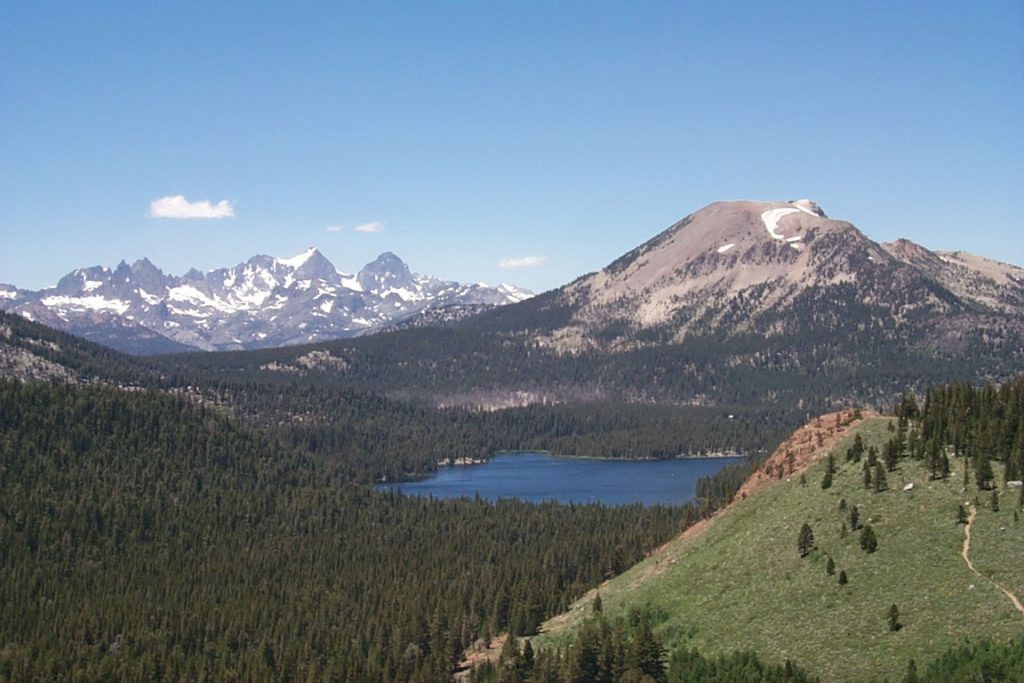
In a world where carbon dioxide levels are rapidly rising, how do you study the long-term effect of carbon emissions? To answer this question, some scientists have turned to Mammoth Mountain, a volcano in California that’s been releasing carbon dioxide for years. Recently, a team of researchers found that this volcanic ecosystem could give clues to how plants respond to elevated levels of carbon d ...[Read More]
GeoPolicy: COP24 – key outcomes and what it’s like to attend
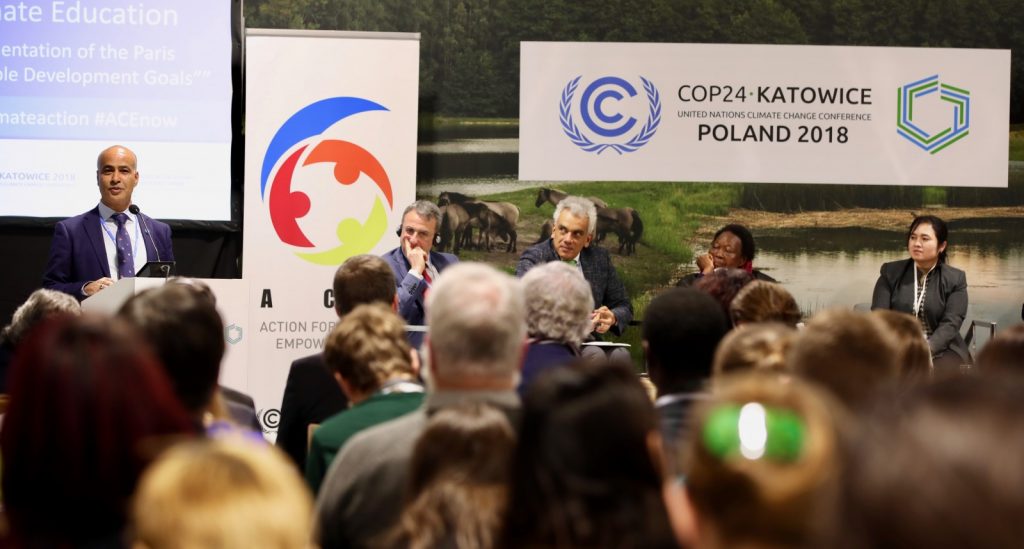
Earlier this month, the 24th Conference of the Parties (COP24), was held in Katowice, Poland. COPs are held annually and provide world leaders, policy workers, scientists and industry leaders with the opportunity to negotiate and determine how best to tackle climate change and reduce emissions on a global level. With so much at stake, these negotiations can be tense. Some COPs see more action tha ...[Read More]