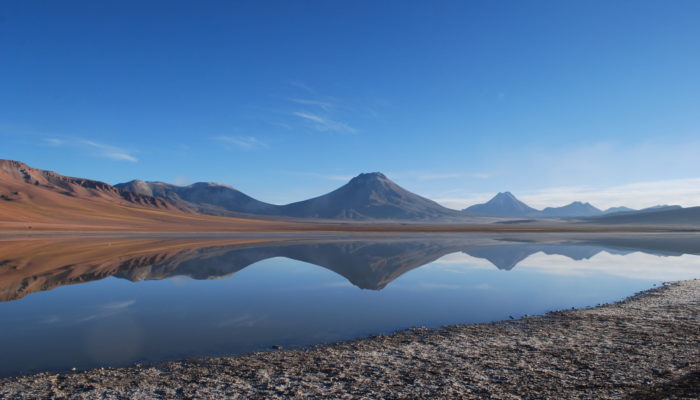
Lascar volcano is located in the Antofagasta Region of Chile. This stratovolcano (a conical volcano built up over time through successive eruptions of lava, tephra and ash) of the Central Volcanic Zone of the Andes is the most active volcano of the region, with a height of 5.592 m (18,34 ft). The last phase of eruptive activity before this photo was taken was on October 30, 2015, which produced an ...[Read More]
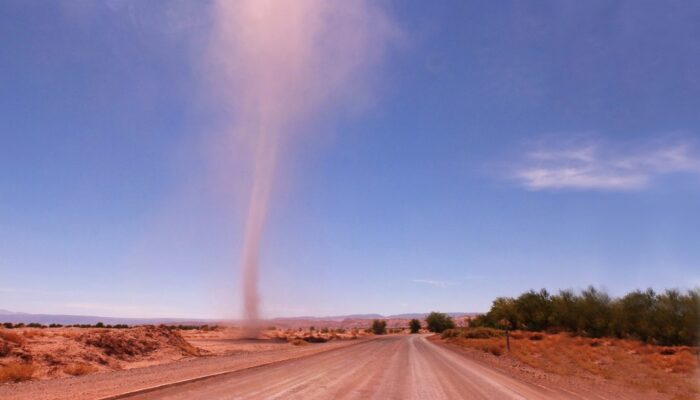
Imaggeo on Mondays: Dust devil sighting in the Atacama Desert
Dust devils are like miniature tornadoes, they form when a pocket of hot air near the surface moves fast upward and meets cooler air above it. As the air rapidly rises, the column of hot air is stretched vertically, thereby moving mass closer to the axis of rotation, which causes intensification of the spinning effect by conservation of angular momentum. In the Atacama Desert [in Chile] they are r ...[Read More]
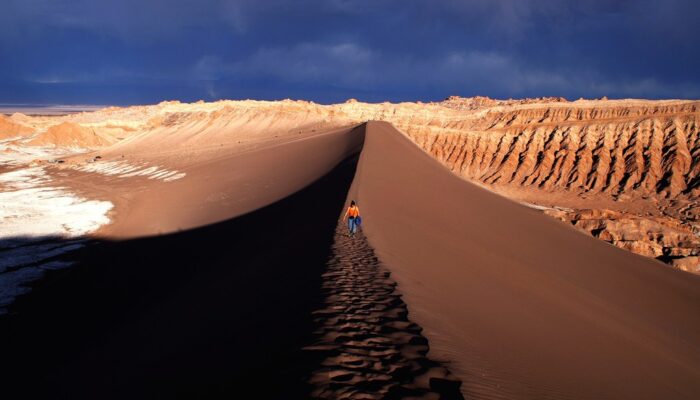
Imaggeo on Mondays: Cordillera de la Sal
The photograph shows the Valle de la Luna, part of the amazing Cordillera de la Sal mountain range in northern Chile. Rising only 200 metres above the basin of the Salar de Atacama salt flat, the ridges of the Cordillera de la Sal represent a strongly folded sequence of clastic sediments and evapourites (salt can be seen in the left portion of the image), with interspersed volcanic material. This ...[Read More]
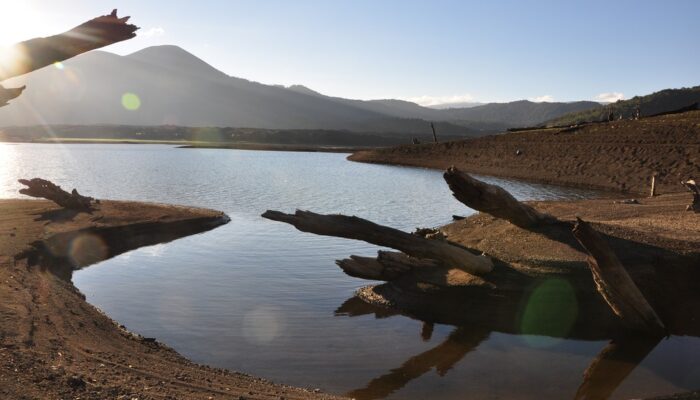
Imaggeo on Mondays: Chilean relics of Earth’s past
As Earth’s environment changes, it leaves behind clues used by scientists to paint portraits of the past: scorched timber, water-weathered shores, hardened lava flows. Chile’s Conguillío National Park is teeming with these kind of geologic artifacts; some are only a few years old while others have existed for more than 30 million years. The photographer Anita Di Chiara, a researcher at Lancaster U ...[Read More]
Imaggeo on Mondays: The unique bogs of Patagonia
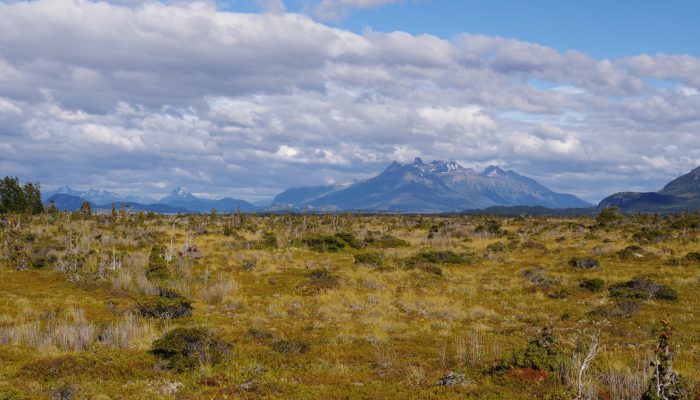
Patagonia, the region in southernmost tip of South America, is as diverse as it is vast. Divided by the Andes, the arid steppes, grasslands and deserts of Argentina give way to the temperate rainforests, fjords and glaciers of Chile. Also on the Chilean side are rolling hills and valleys of marshy topography: Patagonia’s bogs. Today, Klaus-Holger Knorr, a researcher at the University of Münster’s ...[Read More]
Shaking on Christmas Day: what we know about the 7.6 M Chile earthquake
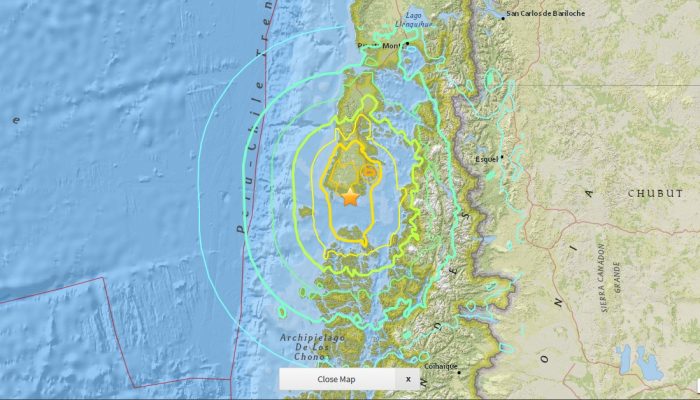
While the majority of us were midway through our Christmas Day celebrations, a powerful 7.6 M earthquake struck off the western coast of the Chile. Natural hazards are not bound by time, location or festivities; an earthquake can happen at any time in any place, regardless of the significance of the day. As a result, in this earthquake prone region, raising awareness of the risk posed by natural h ...[Read More]
A journey into the Cordon Caulle volcano
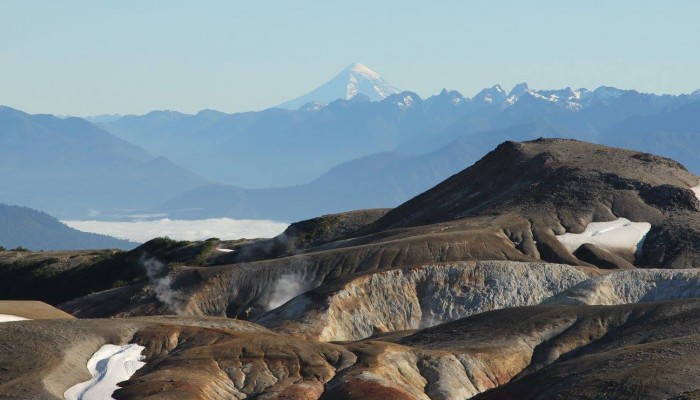
There is no escaping the fact that one of the perks of being an Earth scientist is the opportunity to visit incredible places while on field work. There is also no doubt that, geologist or not, walking on an active volcano is awe inspiring. Maybe you’ve had the experience of doing so yourself (if so, share your story with us in the comments section, we’d love to hear from you!), but if ...[Read More]