GeoLog

atmospheric science

Spring, Summer, Winter…Haze?

Spring, Summer, Winter…Haze?

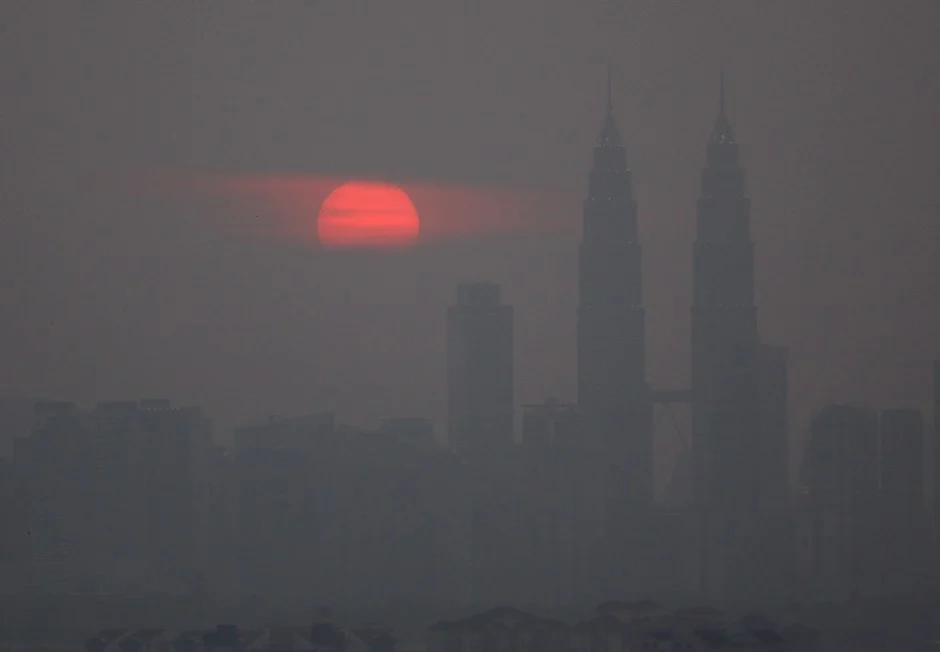
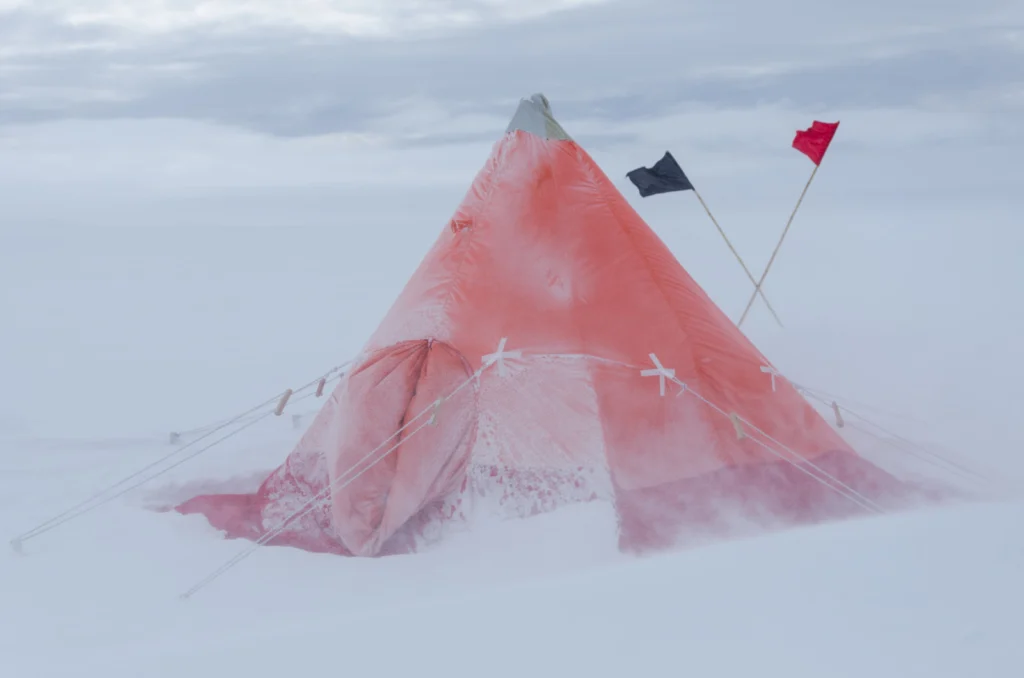
Around the world, societies have many different ways to define the seasons, but for most people a season is identified by a set of culturally specified events, such as the arrival of migratory birds, certain anticipated weather patterns, or a range of expected temperatures. Over recent years many studies have examined the various ways that …[Read More]

A Mission to Mars

A Mission to Mars

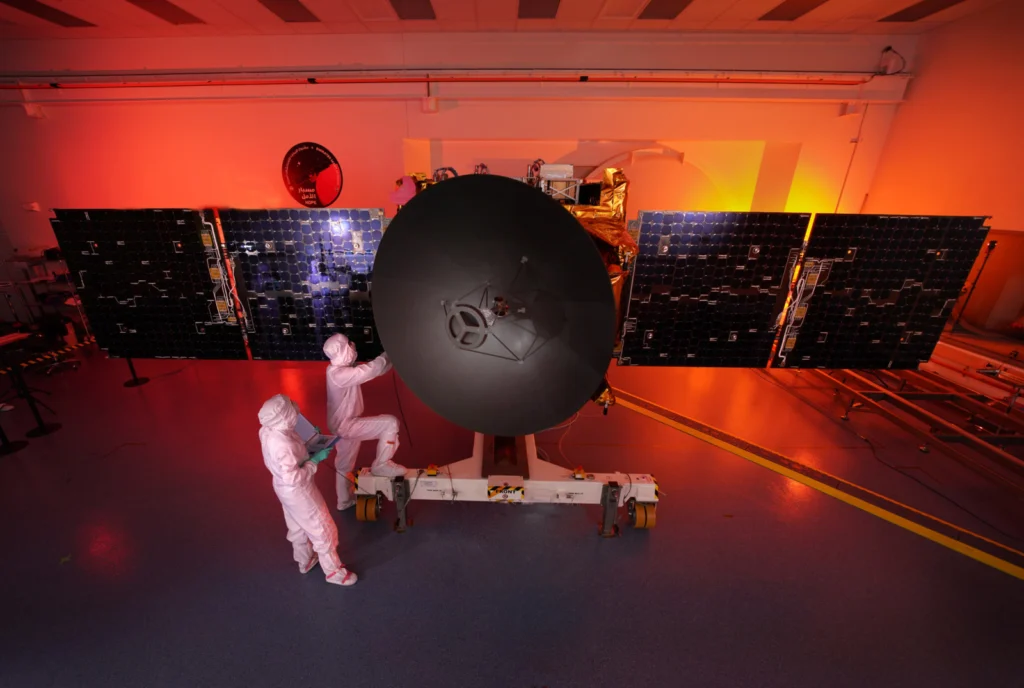
February 2021 is an important month for Martian missions, with three arriving at our planetary neighbour within 10 days. Many people have been following the USA’s NASA Perseverance mission, as they landed the new Perseverance rover, with it’s specially designed Ingenuity helicopter in the Jezero Crater in the last 24 hours. Earlier this month the …[Read More]

Imaggeo on Mondays: Science above the Amazon rainforest

Imaggeo on Mondays: Science above the Amazon rainforest

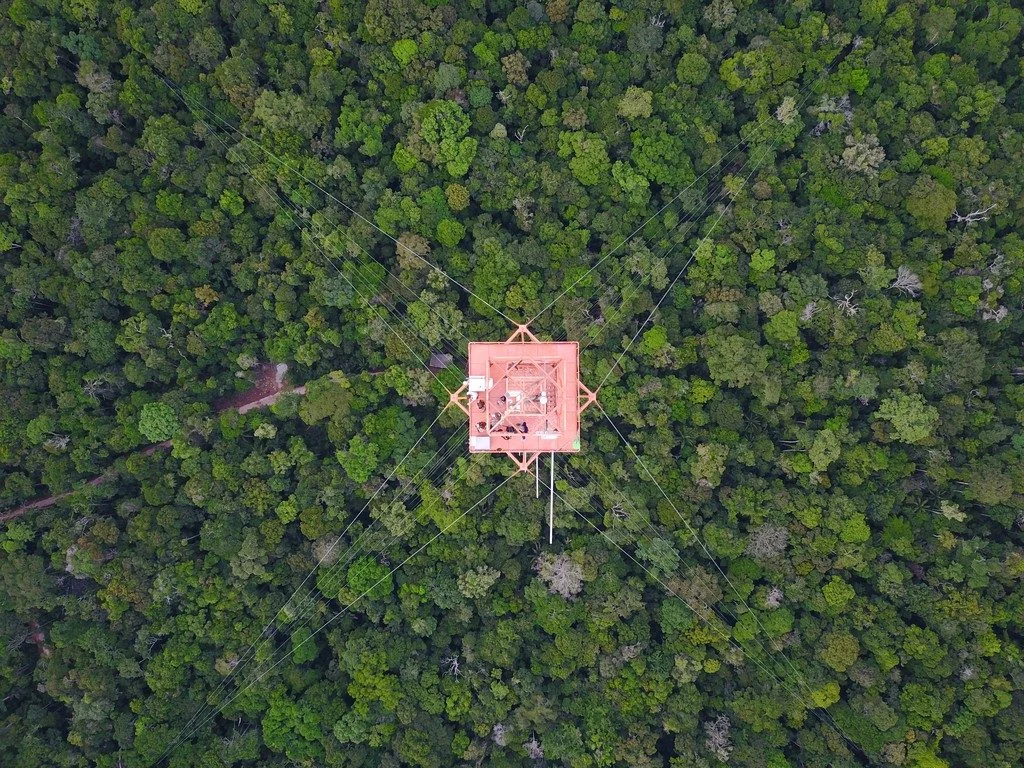
The color and symmetry of the Amazon Tall Tower Observatory (ATTO) sticks out against the endless green of the rainforest. Built in a remote and pristine location, the ATTO tower is the tallest construction in South America. In a joint Brazilian-German project, atmospheric scientists aim to unravel the interaction of pristine rainforest with the atmosphere. …[Read More]

GeoTalk: Research reflections and lessons learned from Pinhas Alpert

GeoTalk: Research reflections and lessons learned from Pinhas Alpert

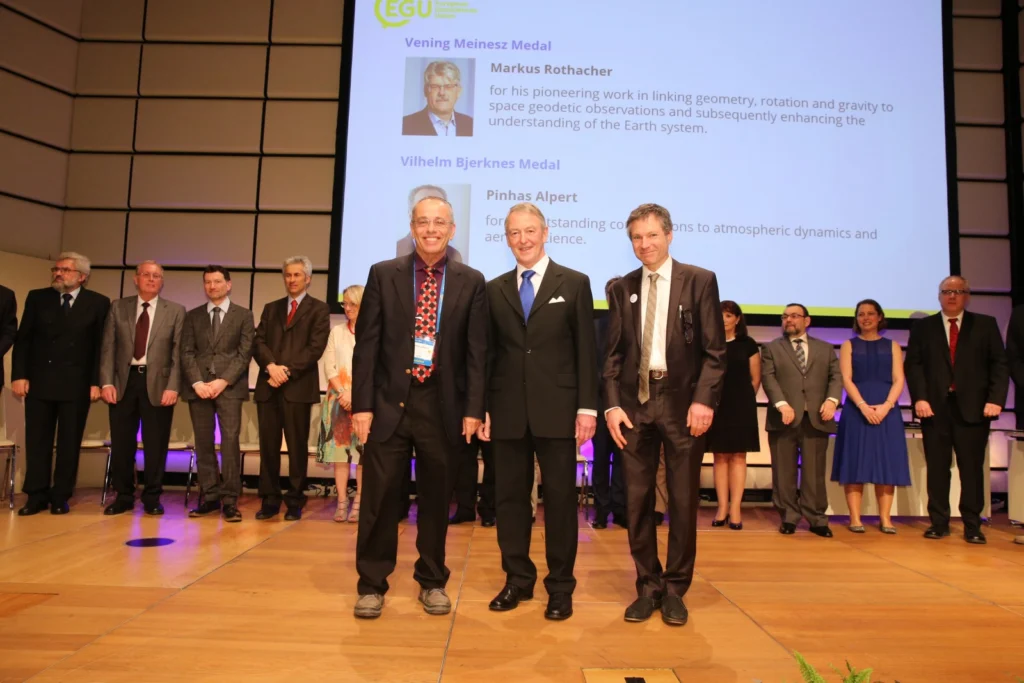
GeoTalk interviews usually feature the work of early career researchers, but this month we deviate from the standard format to speak to Pinhas Alpert, professor in geophysics and planetary sciences at Tel Aviv University and recipient of the 2018 Vilhelm Bjerknes Medal. Alpert was awarded for his outstanding contributions to atmospheric dynamics and aerosol science. …[Read More]

Imaggeo on Mondays: A pink and blue evening

Imaggeo on Mondays: A pink and blue evening

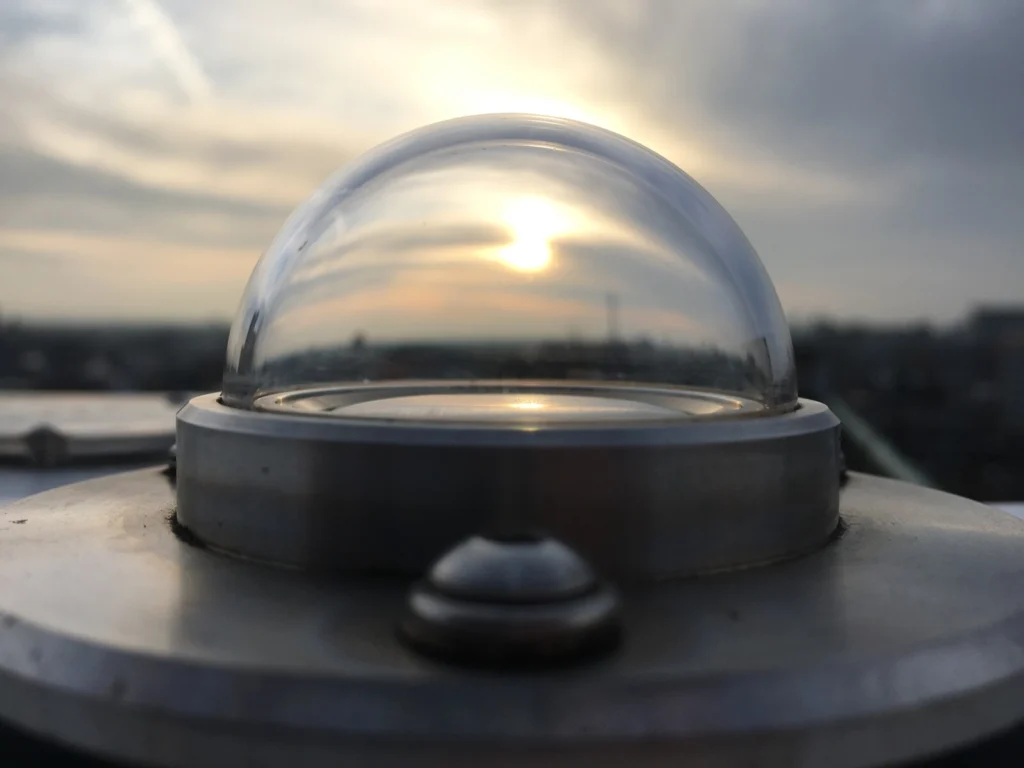
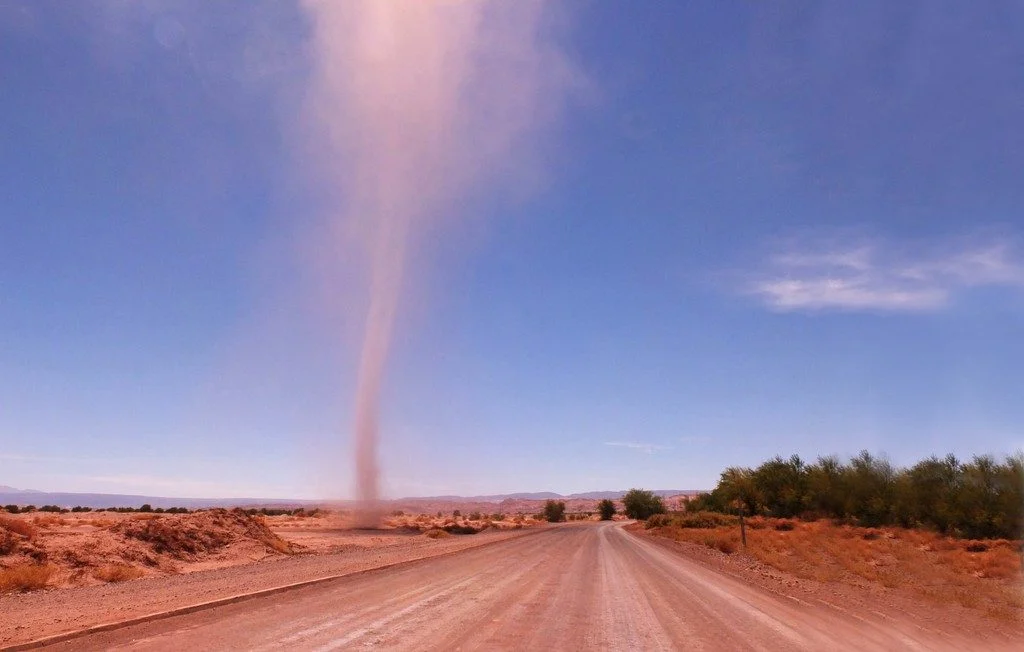
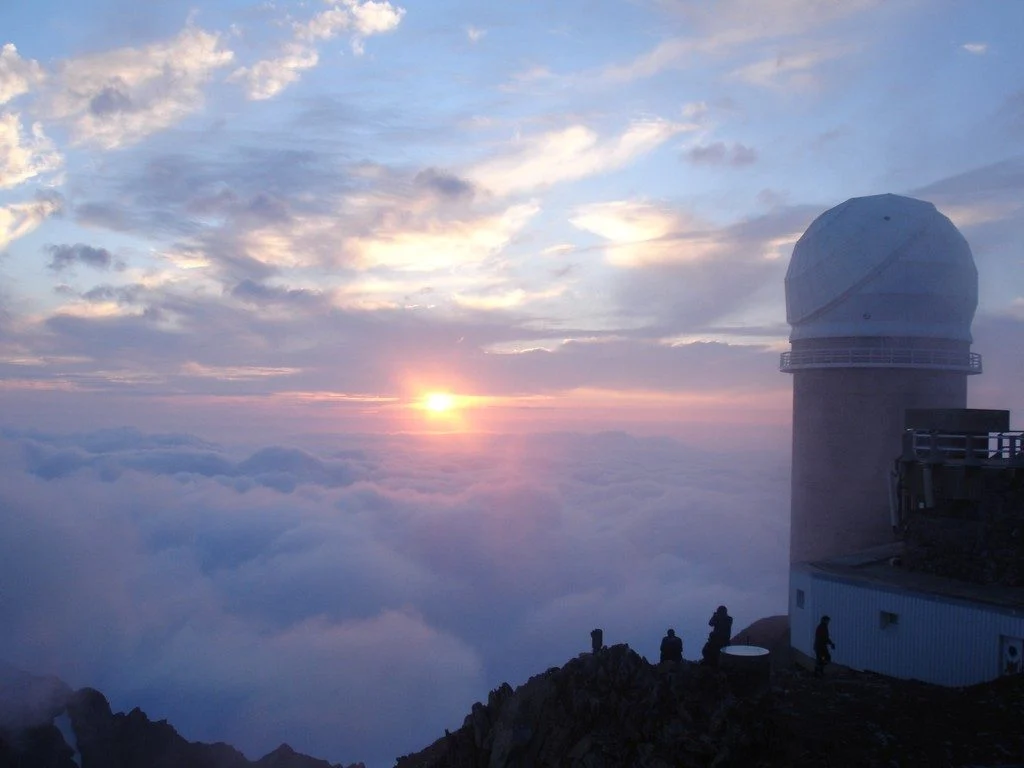
At sunset, the light travels a longer path in the atmosphere to reach our eyes than when the sun is high in the sky. At this time of the day, the light is more subject to scattering, as it interacts with more air (molecules and particles) before reaching our eyes, which explains why the sun …[Read More]