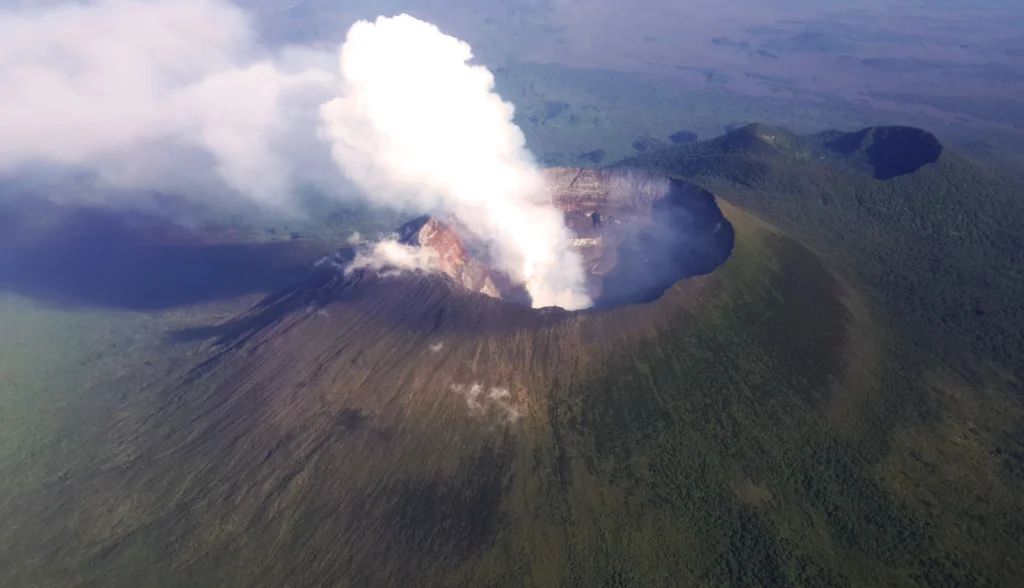
When volcanoes erupt, they can release into the atmosphere a number of different gases initially stored in their magma, such as carbon dioxide, hydrogen sulfide, and sulfur dioxide. These kinds of gases can have a big influence on Earth’s atmosphere, even at distances hundreds to thousands of kilometres away. A team of researchers have found evidence that sulfur emissions from volcanic eruptions i ...[Read More]
Atmosphere
Imaggeo on Mondays: Science above the Amazon rainforest
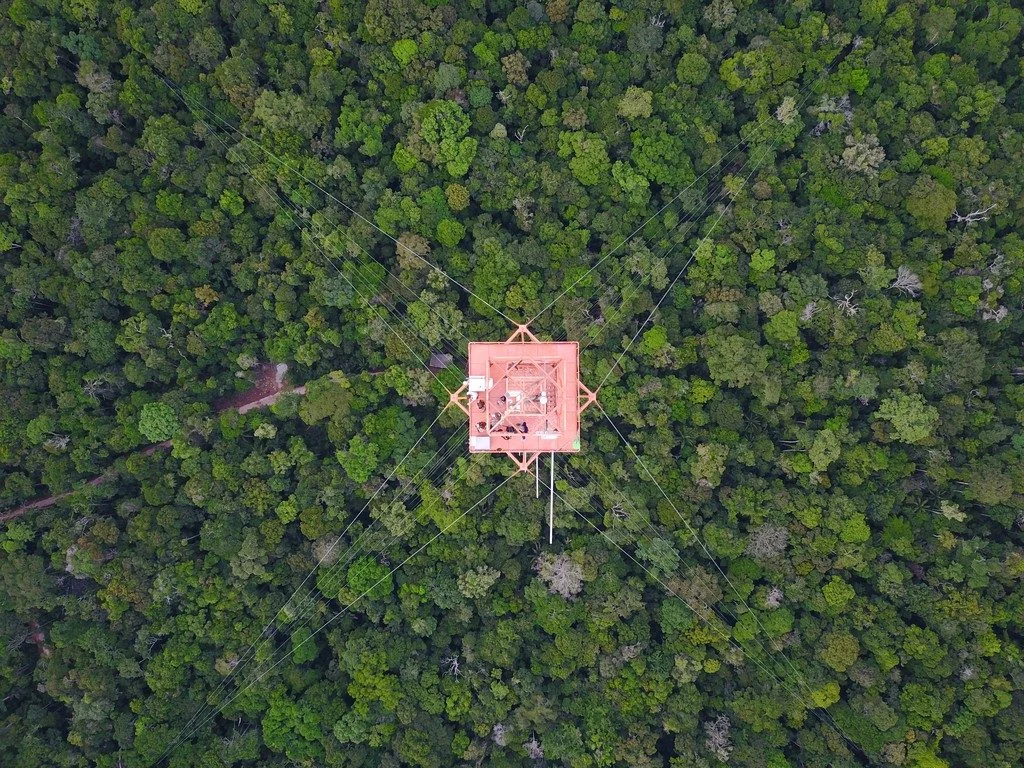
The color and symmetry of the Amazon Tall Tower Observatory (ATTO) sticks out against the endless green of the rainforest. Built in a remote and pristine location, the ATTO tower is the tallest construction in South America. In a joint Brazilian-German project, atmospheric scientists aim to unravel the interaction of pristine rainforest with the atmosphere. With its height of 325 meters, the ATTO ...[Read More]
Imaggeo on Mondays: A pink and blue evening
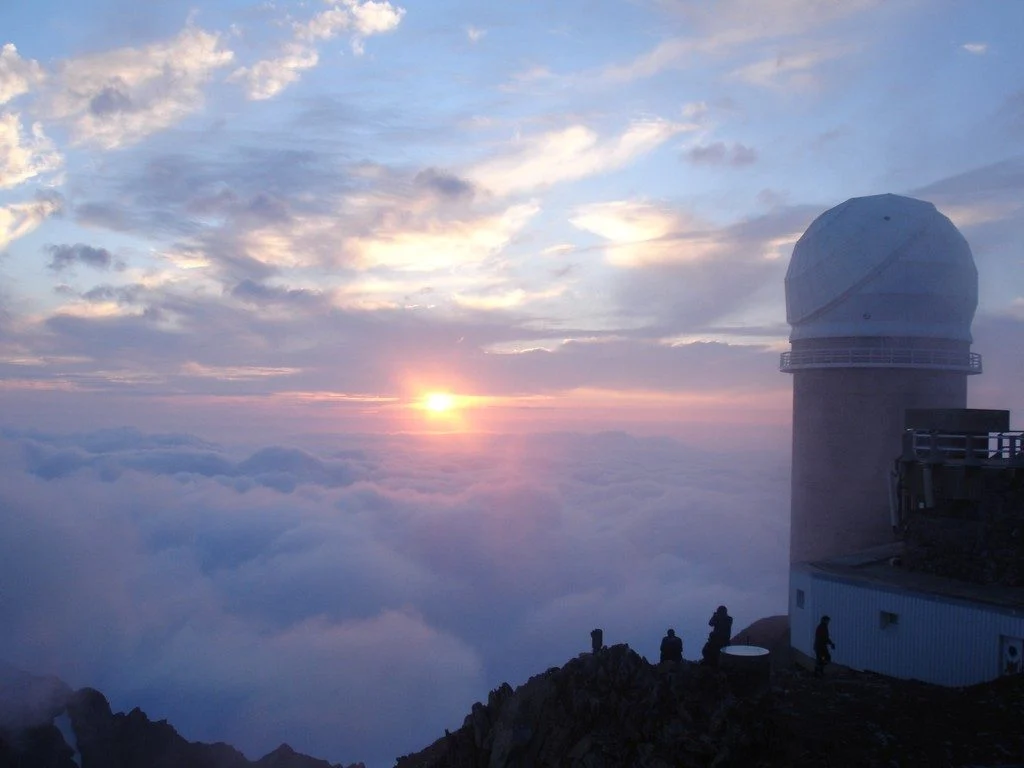
At sunset, the light travels a longer path in the atmosphere to reach our eyes than when the sun is high in the sky. At this time of the day, the light is more subject to scattering, as it interacts with more air (molecules and particles) before reaching our eyes, which explains why the sun is much less luminous and can be observed directly without being dazzled. The sun appears redder because amo ...[Read More]
October GeoRoundUp: the best of the Earth sciences from around the web
Display "Following Carbon Dioxide Through the Atmosphere" from YouTube Click here to display content from YouTube. Learn more in YouTube’s privacy policy (opens in a new tab). Please enable JavaScript in your browser to load this content. Always display content from YouTube Open "Following Carbon Dioxide Through the Atmosphere" directly Carbon dioxide plays a significant role i ...[Read More]
Imaggeo on Mondays: A thermal inversion
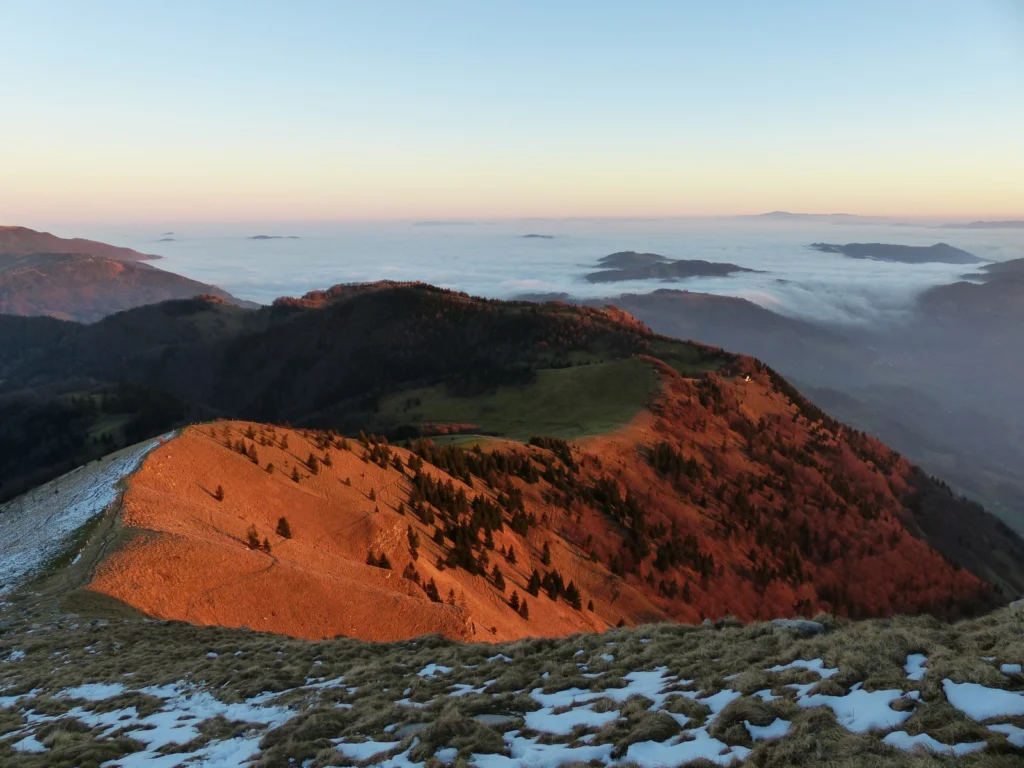
This week’s Imaggeo on Mondays image is brought to you by Cyril Mayaud, from the University of Graz (Austria), who writes about an impressive hike and layers of cold and warm air. Thermal inversion is a meteorological phenomenon which occurs when a layer of cold air is trapped near the Earth’s surface by an overlying layer of warmer air. This can happen frequently at the boundary between mountaino ...[Read More]
Exhibits at EGU 2014 – The Face of the Earth
This year, the conference will have a theme: The Face of the Earth. Much like a human face, our planet exhibits a huge diversity of shapes and forms, and the 2014 theme celebrates this diversity in geoscience processes – from the Earth’s core to interplanetary space. In line with this year’s theme, you’ll find exhibits on each of the Earth’s faces – Rocks of the Earth, Waters of the Earth, Life of ...[Read More]