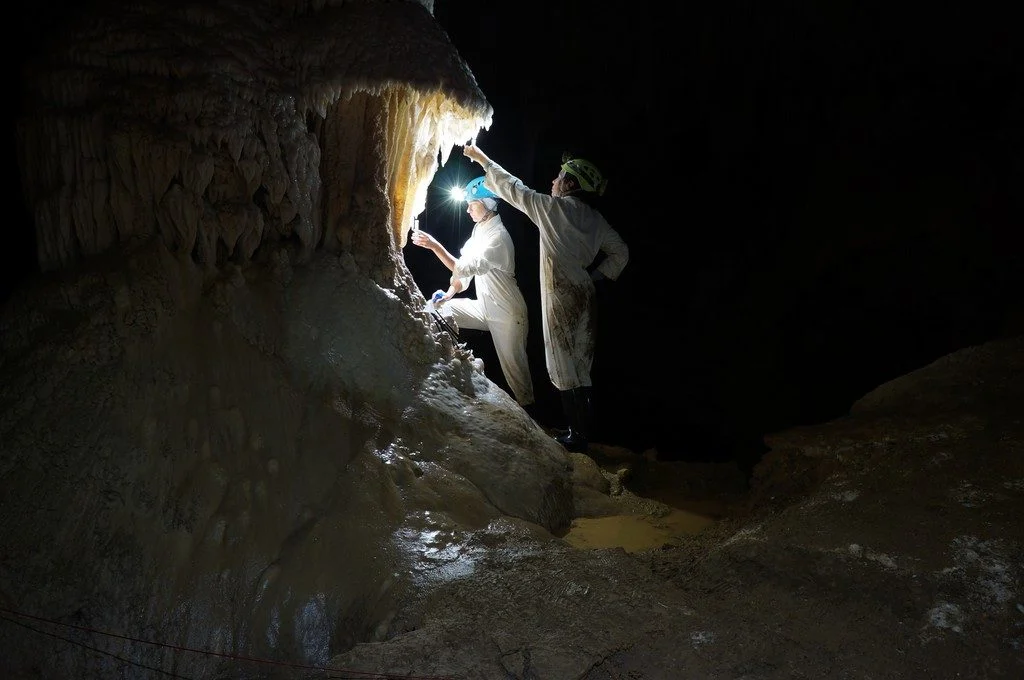
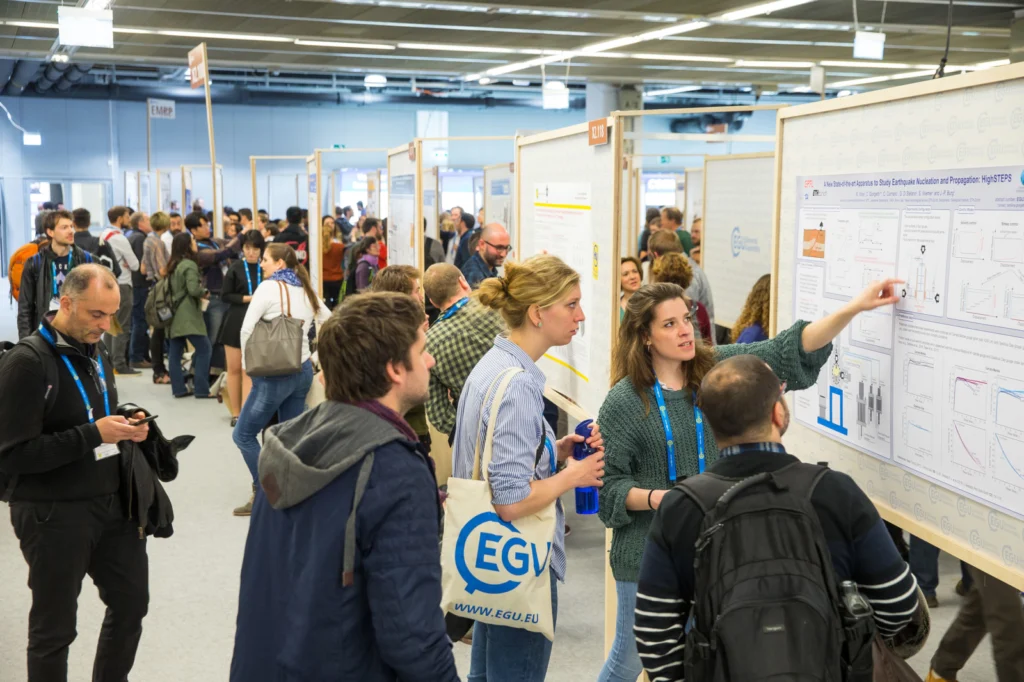
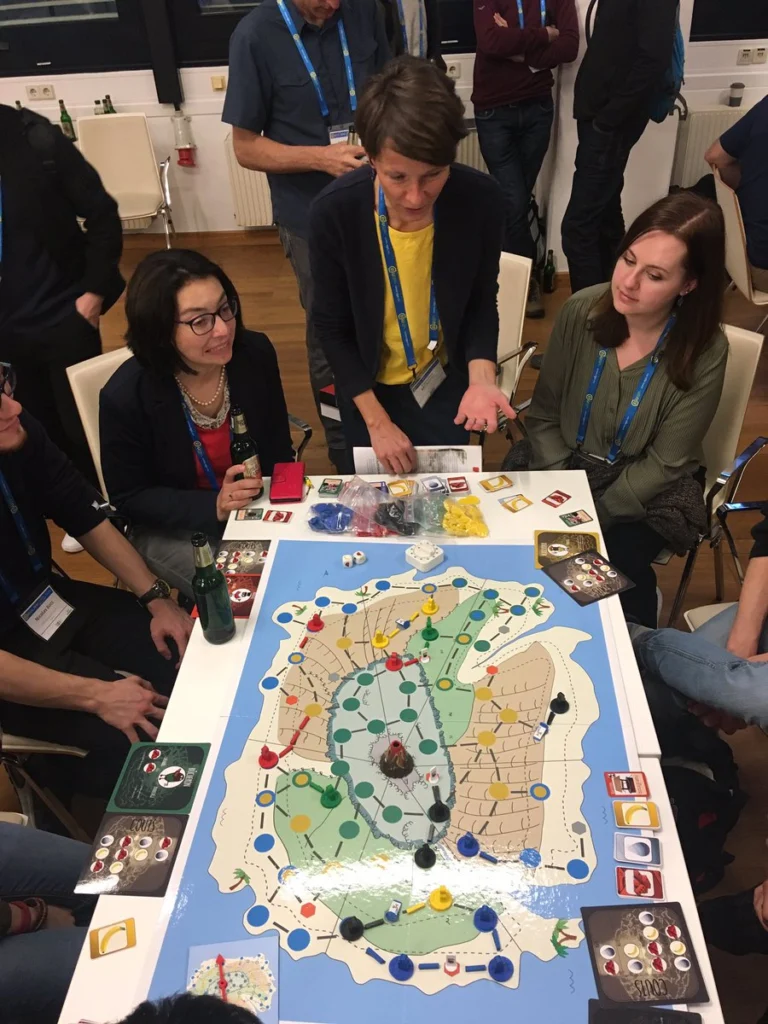
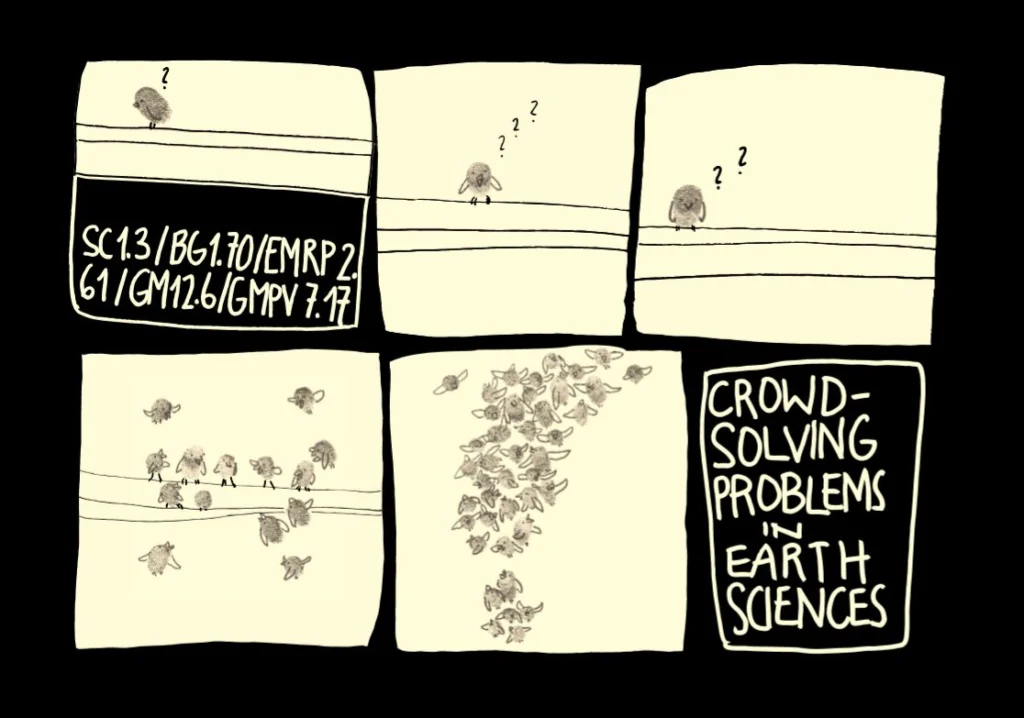
At the EGU General Assembly 2019 last month, if you walked through the dark basement and the most distant hallways of the convention centre, into room -2.62 on Wednesday evening, you may have heard people introducing themselves followed by the words “… and I have a problem.” This may have sounded like a support group. …[Read More]
GeoLog
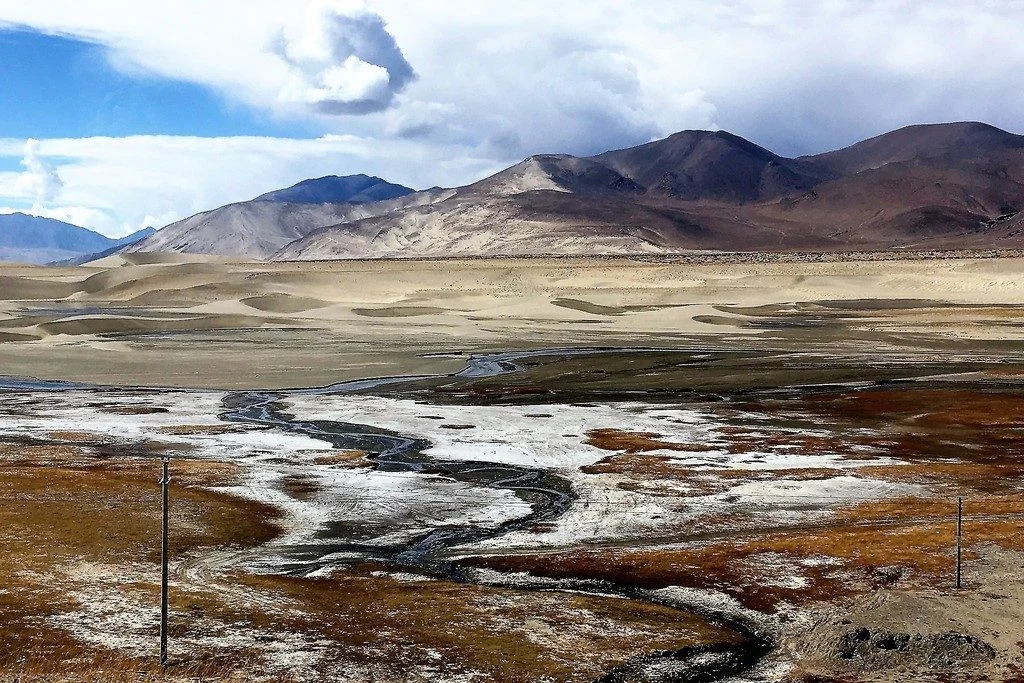
Imaggeo on Mondays: Sand and snow on the Tibetan Plateau
Roughly 50 million years ago, the Eurasian and Indian continental plates began to crash into each other, dramatically changing the landscape of modern-day Asia. The force of the collision caused the Earth to scrunch together at the zone of impact, subsequently forming the Himalayan mountain range. However, to the north of the crash, a stretch …[Read More]
May GeoRoundUp: the best of the Earth sciences from around the web
Drawing inspiration from popular stories on our social media channels, major geoscience headlines, as well as unique and quirky research, this monthly column aims to bring you the latest Earth and planetary science news from around the web. Major story The impact that humans have left on the planet’s landscape is so profound, that up …[Read More]
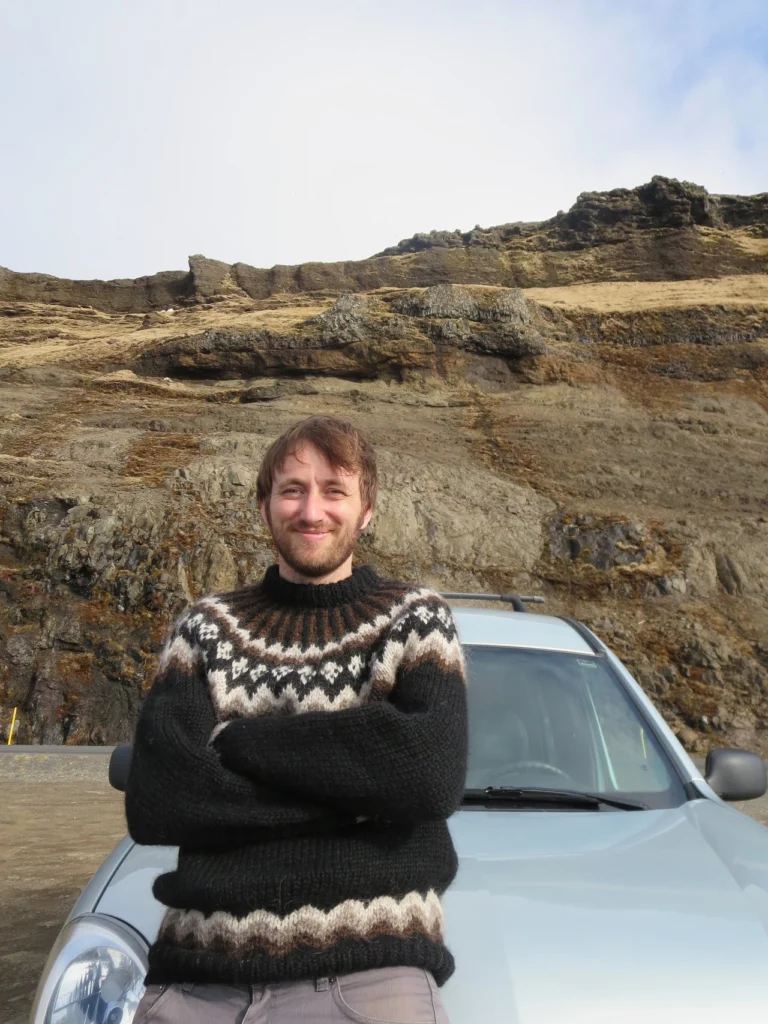
Bringing geoscience into prisons
During the European Geosciences Union General Assembly in Vienna, I caught up with Phil Heron, a Newcastle-born geodynamicist at Durham University, UK. Earlier this year he won an EGU outreach grant to engage young offenders with geoscience subjects and help improve their employability. He tells us how he started working in prisons and shares what …[Read More]
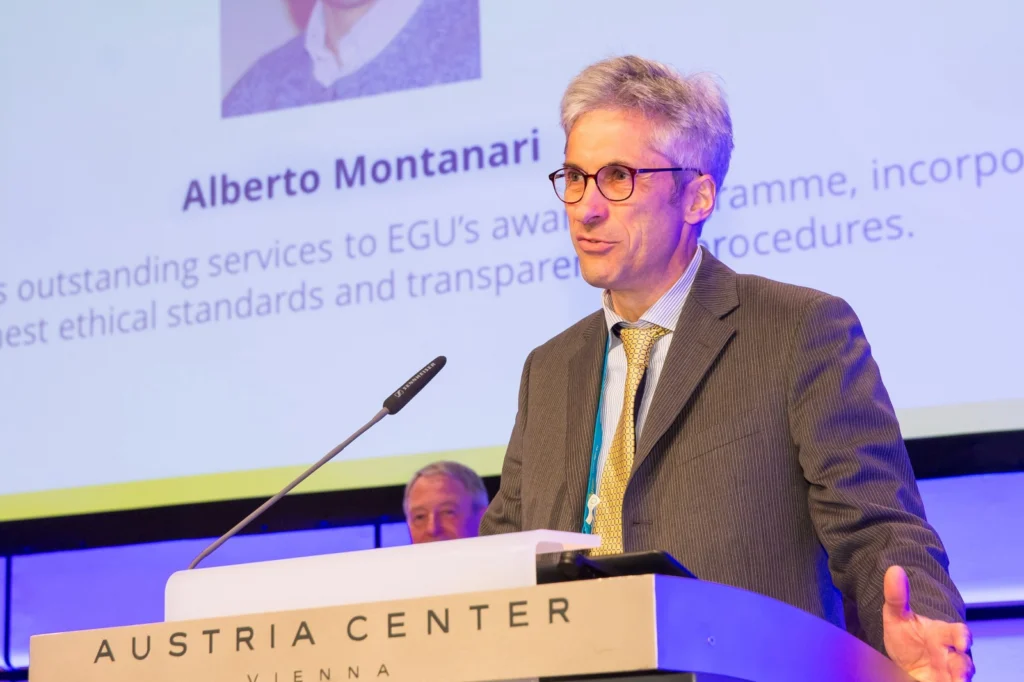
GeoTalk: Meet the EGU’s president, Alberto Montanari
GeoTalk interviews usually feature the work of early career researchers, but this month we deviate from the standard format to speak to Alberto Montanari, president of the EGU. Alberto has a long-standing involvement with the Union, stretching back more than 15 years. Following a year as vice-president, Alberto was appointed president at this year’s General …[Read More]
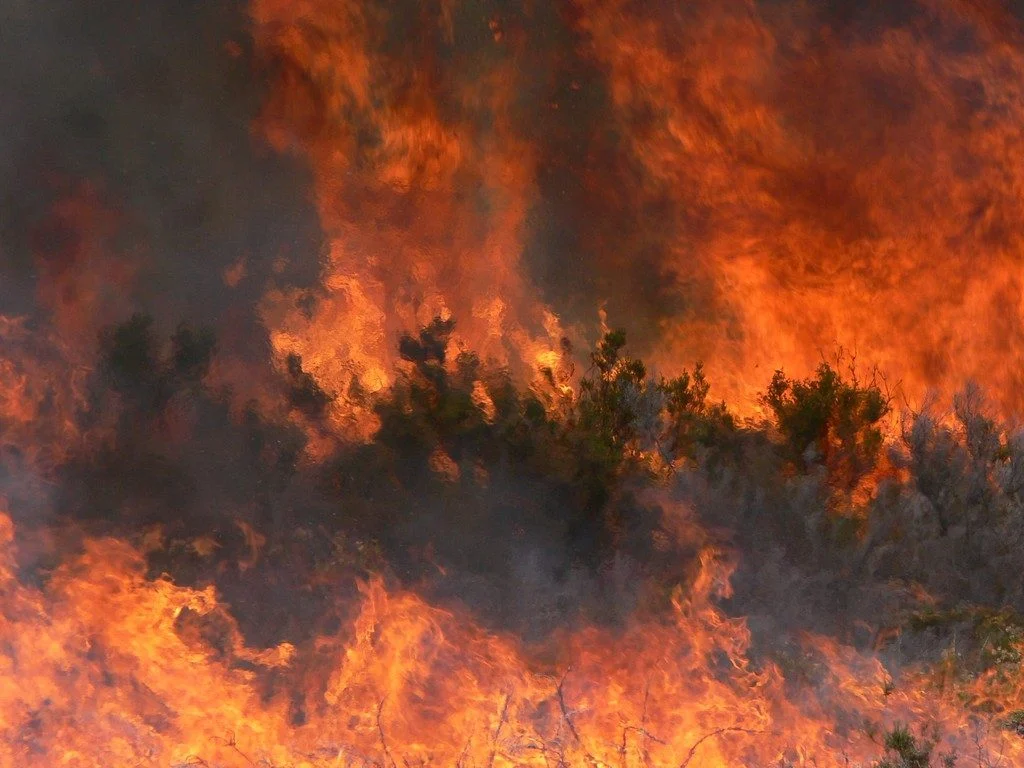
Imaggeo on Mondays: A painted forest fire
This week’s featured image may appear to be a painted landscape, but the picture is in fact a photo, taken ten years ago by Victoria Arcenegui, an associate professor at Miguel Hernández University in Spain, during a controlled forest fire in northern Portugal. The blaze is actually hot enough to distort the image, making some …[Read More]
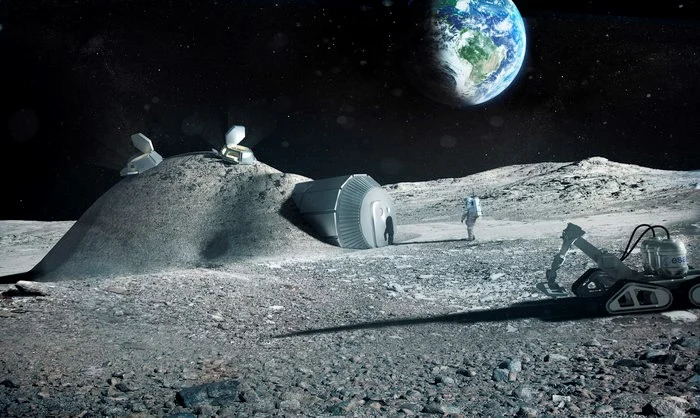
IGLUNA: students work towards building an icy human habitat on the Moon!
What does it take to build a habitat in ice on the Moon? An international group of university students and professionals is working together to provide this answer and develop a sustainable and operational habitat in lunar ice. The project is called IGLUNA and is organised by the Swiss Space Center and the European Space …[Read More]
GeoPolicy: Fake news and populism – a threat to science in Europe
The 2019 EGU General Assembly was a great success. Not only was it the largest in EGU history (with over 16,000 participants, 5,531 oral, 9,432 poster and 1,287 PICO presentations) but it also allowed scientists to connect geoscience and their research with global challenges and potential solutions. One of the highlights of this year’s General …[Read More]
Imaggeo on Mondays: Dust devil sighting in the Atacama Desert
Dust devils are like miniature tornadoes, they form when a pocket of hot air near the surface moves fast upward and meets cooler air above it. As the air rapidly rises, the column of hot air is stretched vertically, thereby moving mass closer to the axis of rotation, which causes intensification of the spinning effect …[Read More]
Geosciences Column: climate modelling the world of Game of Thrones
Disclaimer: This article contains minor spoilers for Season 8 of “Game of Thrones.” A basic understanding of the world of Game of Thrones is assumed in this post. The Game of Thrones world of ice and fire is an unpredictable place both politically and environmentally. While the fate of the Iron Throne is yet to …[Read More]