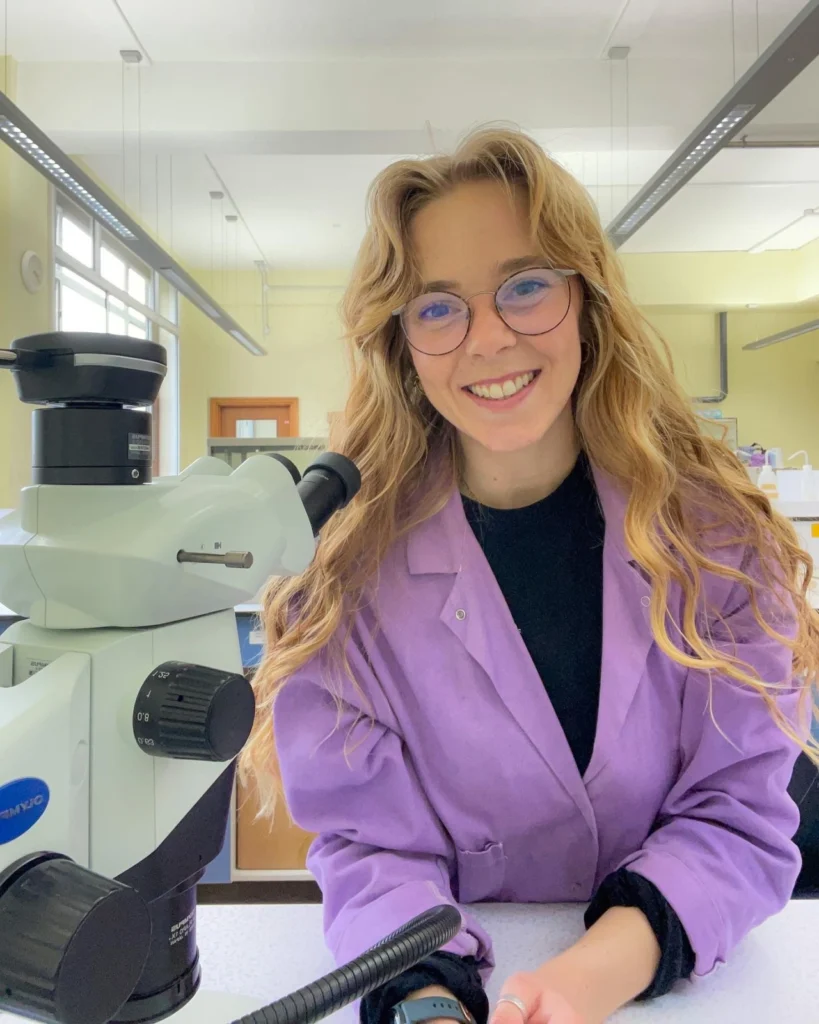
Hi Freija. Thank you for joining us today! Could you tell our readers a bit about yourself before we dive in? Hi Simon, thanks for inviting me! I’m a marine scientist based in the UK specialising in microplastic pollution but my work has taken me across many different disciplines from physical geography to ecotoxicology. Recently …[Read More]
GeoLog
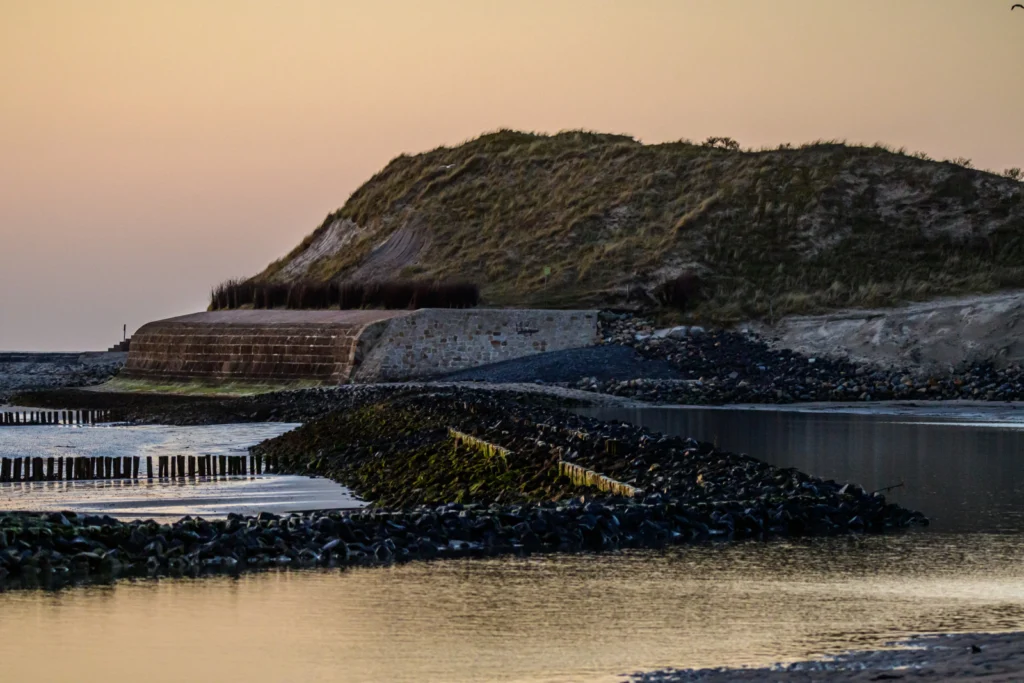
Imaggeo On Monday: The movement of the tides
Tides are very long-period waves characterized by the rise and fall of sea levels. This phenomenon occurs in response to forces exerted jointly by the moon and sun, generated in the ocean, and propagating toward the coast. Tides can be divided into two main types: low tide and high tide. High tide occurs when sea …[Read More]
Five resources to up your knowledge of (and appreciate) our oceans
Yesterday (8 June) was globally observed as World Oceans Day. The United Nations announced that it is joining forces with decision-makers, indigenous leaders, scientists, private sector executives, civil society, celebrities, and youth activists to put the ocean first. This year’s theme is “Planet Ocean: tides are changing,” to encourage everyone – whether as individuals or …[Read More]
Imaggeo On Monday: Pot of Gold: Ngorongoro Crater
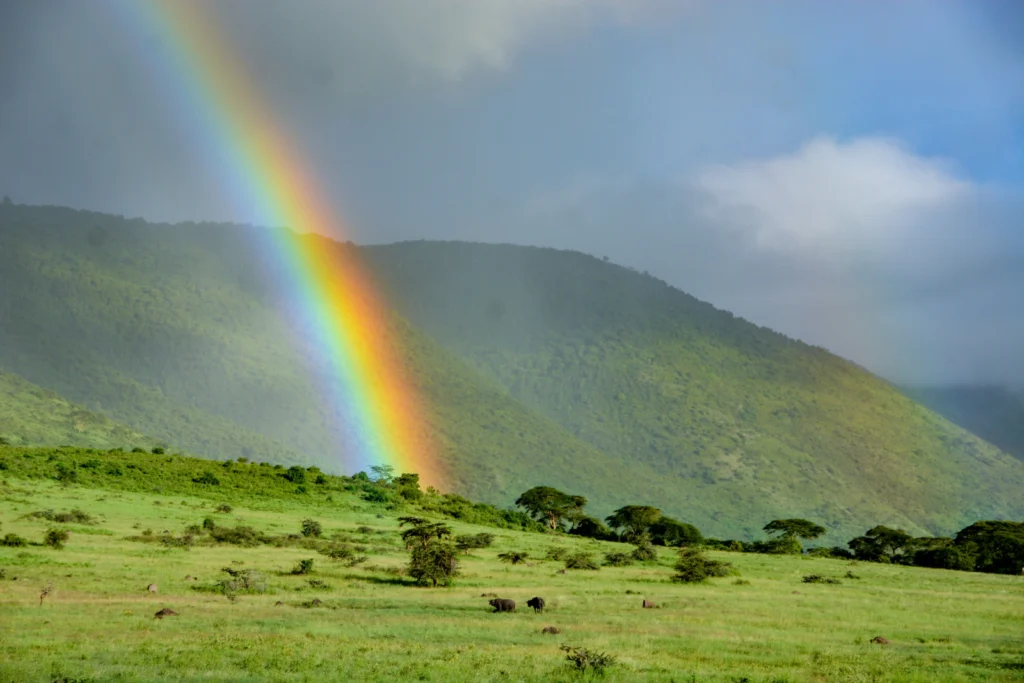
A double rainbow beams into the Ngorongoro Crater after rainfall as a couple of African buffalos graze within this UNESCO World Heritage Site. The largest intact caldera in the world, it extends 20 kilometres in diameter and is home to the Big 5 (lion, leopard, rhino, elephant, and African buffalo) – a true pot of …[Read More]
Why single solution strategies cannot solve the plastic pollution problem
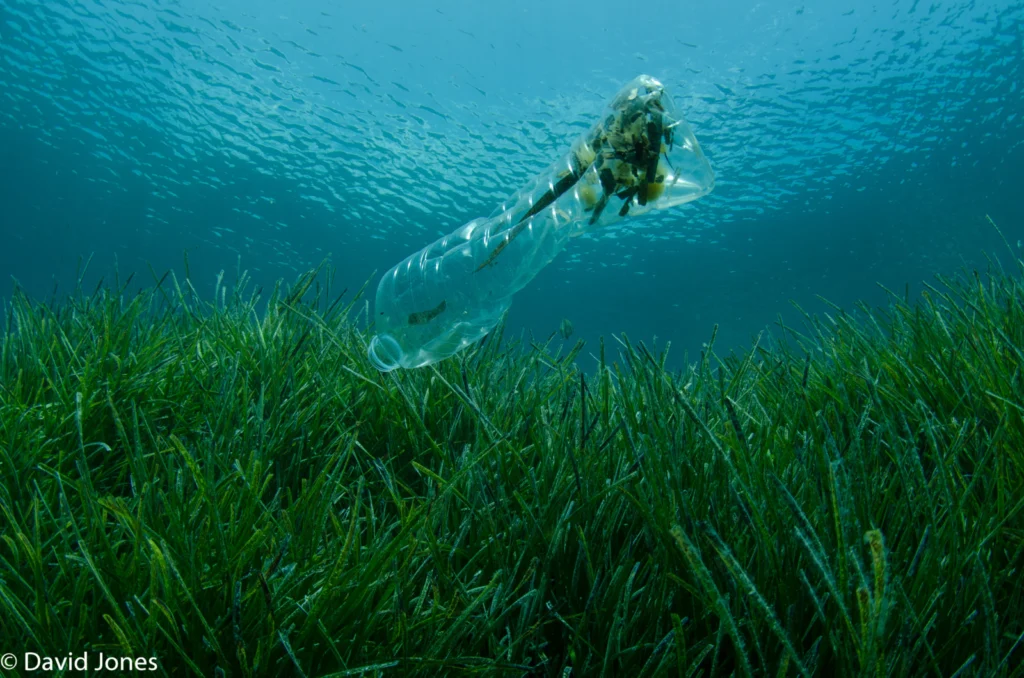
It appears that plastics have well and truly invaded even our most inaccessible environments: the deepest point in the ocean (the Mariana trench) and the highest mountain peak in the world (Mt. Everest) both contain pieces of plastic from human activities miles away. With plastic waste flowing into aquatic ecosystems expected to nearly triple by …[Read More]
GeoPolicy: Your summer time Science for Policy reading guide
With summer just around the corner, you might be starting to think about some of the ways in which you’d like to relax during upcoming holidays or field work! It’s incredibly important for us all to be able to switch off from our work life. Not only does it allow us to mentally and physically …[Read More]
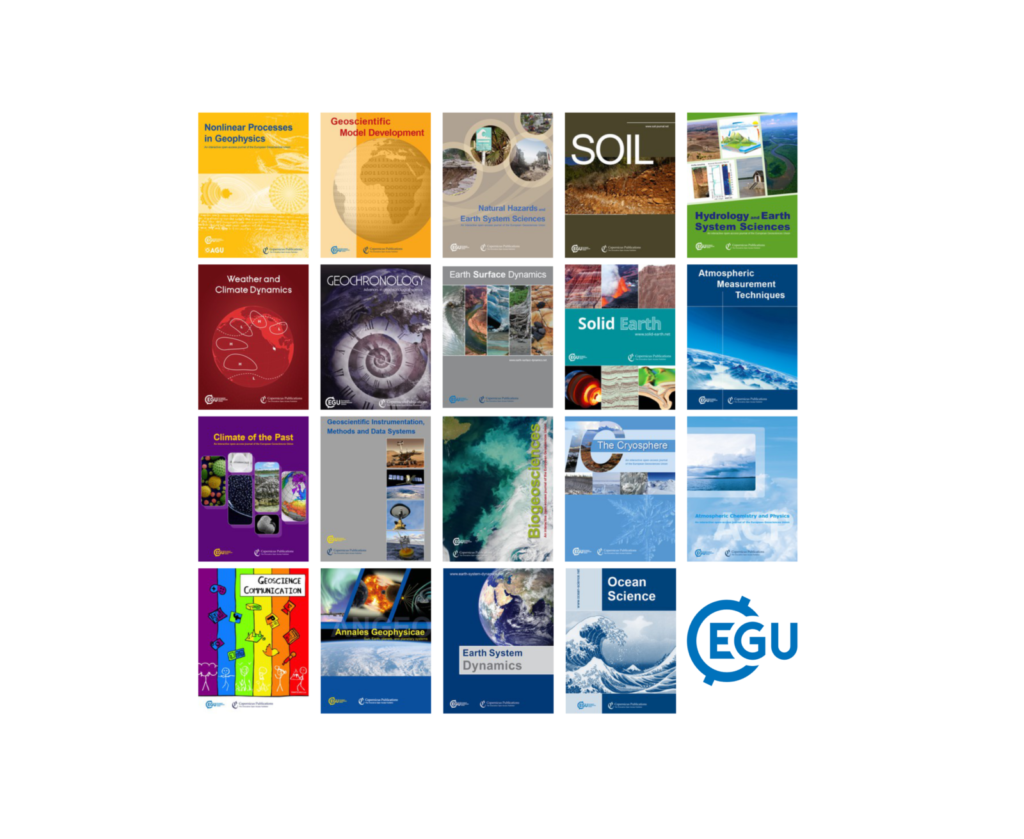
GeoRoundup: the highlights of EGU Journals published during May!
Each month we feature specific Divisions of EGU and during the monthly GeoRoundup we put the journals that publish science from those Divisions at the top of the Highlights roundup. For May as we reflect on the General Assembly we are not highlighting any specific Division, so this month our GeoRoundup Journals will be alphabetical! …[Read More]
Meet the EGU Education Committee!
The EGU’s Education Committee (EC) helps to bring science to educators, from higher education funding grants and coordinating training programmes to bringing teachers to Vienna to participate in the annual GIFT (Geoscience Information For Teachers) workshop and meet with scientists at the EGU General Assembly. In this article, six of the volunteer committee members reflect …[Read More]
GeoTalk: meet David Fernández-Blanco, your new Union-level Early Career Scientist Representative!
Hello David. Thank you for agreeing to this interview! To break ground, could you tell our readers about yourself and your career background? Hi Simon. It’s my pleasure, thank you for inviting me. Well, I’m a Spanish “tectonicist” and I’ve been lucky to work in great institutions all over Europe; Amsterdam, Paris, Zürich, London, and …[Read More]
Imaggeo On Monday: Vanished glaciers of the past
No glaciers remained in the High Tatras since the last glaciation, but beautiful glacially carved landscapes and a multitude of small glacial lakes. This one, Zamrznuté pleso (2045 a.s.l.) is at one of the beautiful hike trails in the eastern part of the Tatras, the path through Poľský hrebeň and to the summit Východná Vysoká …[Read More]