GeoLog

GeoLog

Imaggeo On Monday: Iceberg A-81, Brunt Ice Shelf, Antarctica

Imaggeo On Monday: Iceberg A-81, Brunt Ice Shelf, Antarctica

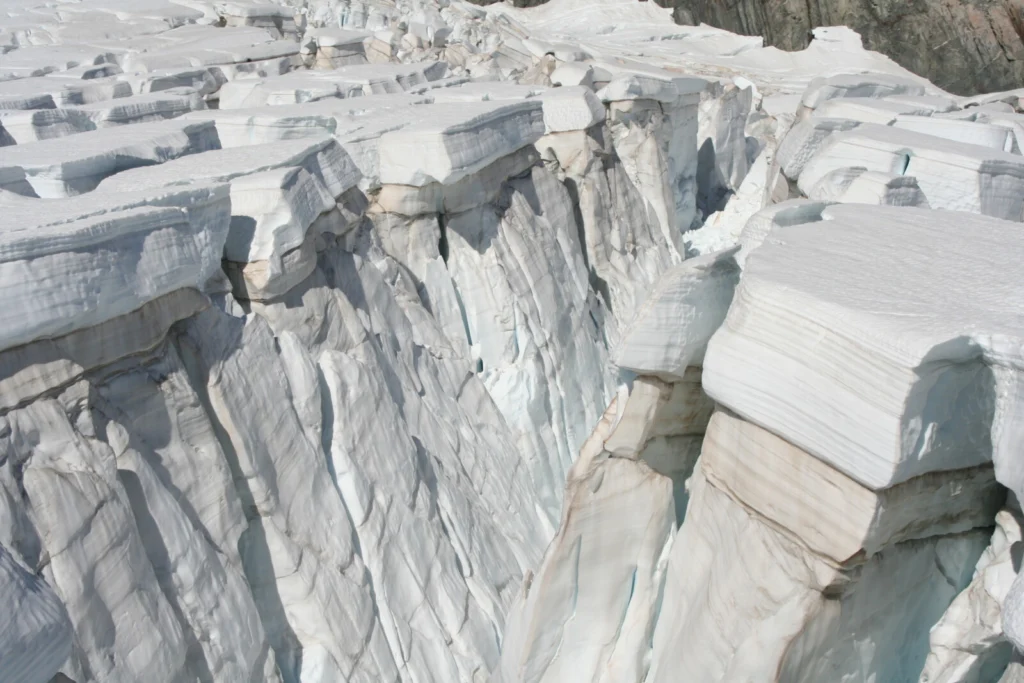
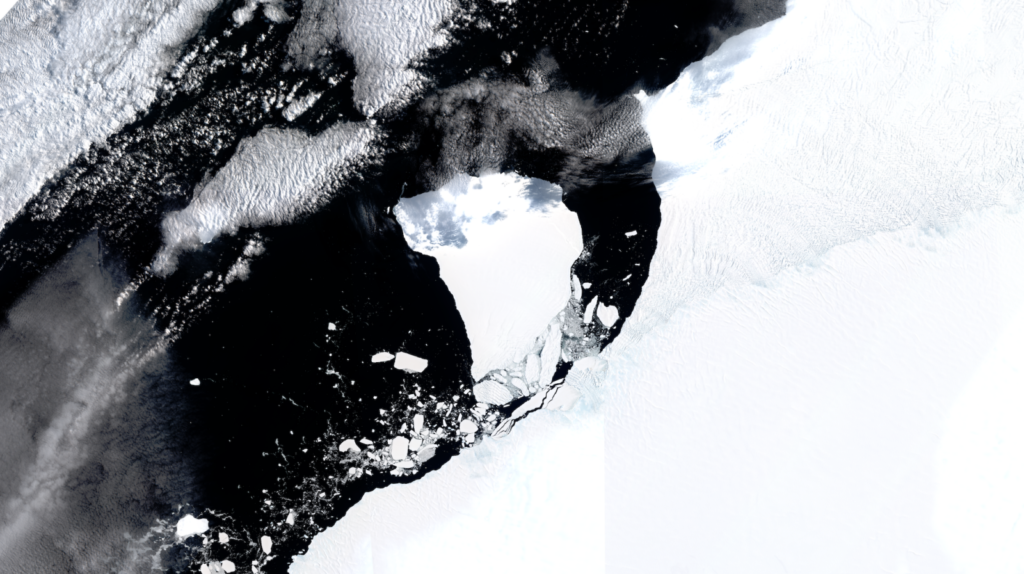
Information from a British Antarctic Survey Press Release. A huge iceberg (1550 km²), almost the size of Greater London, has broken off the 150m thick Brunt Ice Shelf. It calved after cracks that have been developing naturally over the last few years extended across the entire ice shelf, causing the new iceberg to break free. …[Read More]

Imaggeo On Monday: Eyjafjallajökull – hot and cold

Imaggeo On Monday: Eyjafjallajökull – hot and cold

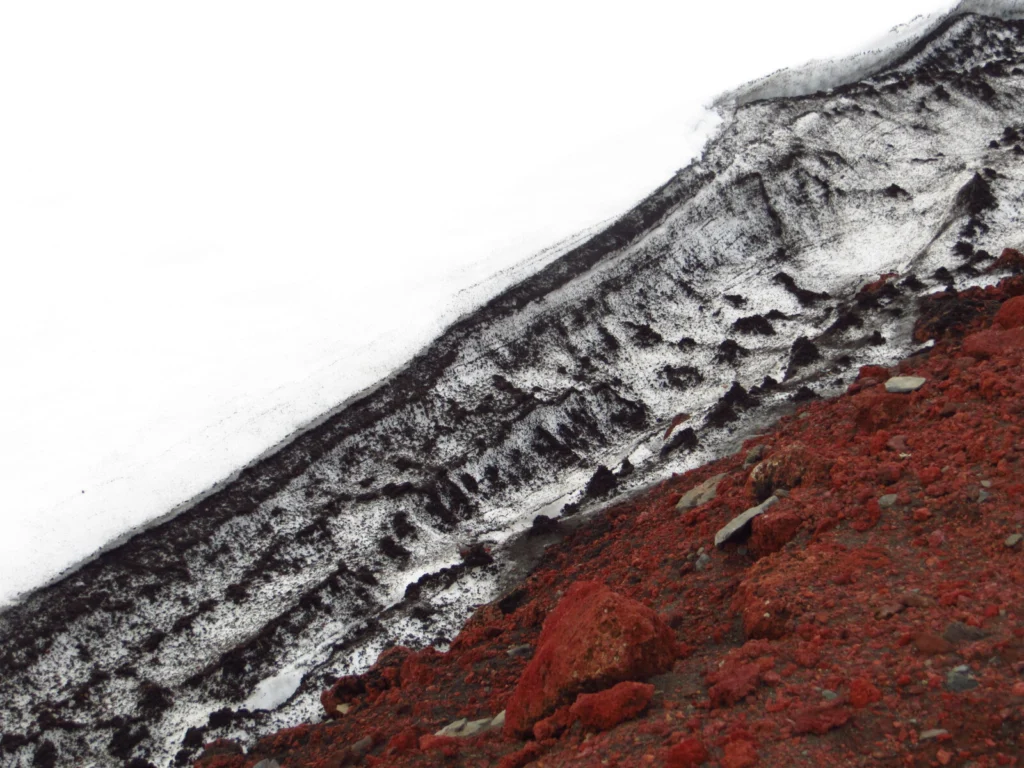
Active volcano Eyjafjallajökull is covered by 80 square kilometres of glaciers. Quite often one can feel the warmth from the red igneous rocks that protrude from the ice cap. The volcano is known for the eruption in April 2010, which released ash clouds so large that in some areas they turned daylight into darkness. Many …[Read More]

A chunk of ice the size of Amsterdam: how the calving of Greenland’s glaciers has changed since the 2010 Petermann Glacier event

A chunk of ice the size of Amsterdam: how the calving of Greenland’s glaciers has changed since the 2010 Petermann Glacier event

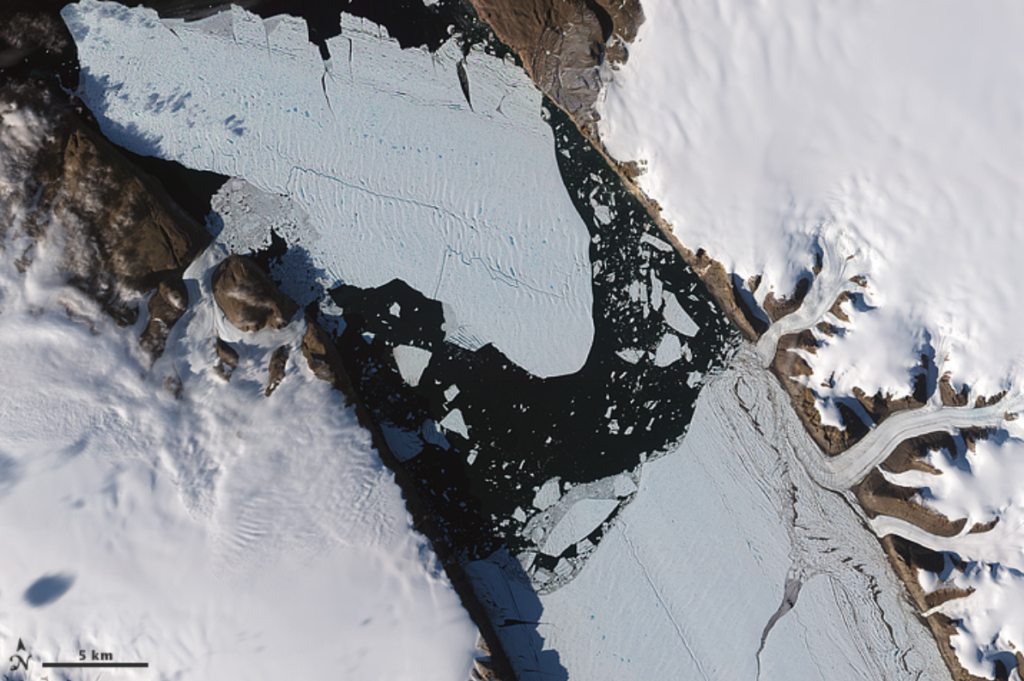
Thirteen years ago, a roughly 251 km2 chunk of ice (or 97 miles2) broke off Greenland’s Petermann Glacier. This Amsterdam-sized piece of ice was the largest to calve in the Arctic since 1962. The massive iceberg traversed the Nares Strait, which lies between Canada’s Ellesmere Island and Greenland, and into the northern part of Baffin …[Read More]

Imaggeo On Monday: High amplitude ‘V-shaped’ kink fold with axial plane cleavage

Imaggeo On Monday: High amplitude ‘V-shaped’ kink fold with axial plane cleavage

The Himalayan-Tibetan orogeny has been considered the youngest collisional fold belt in the Earth and a classic example of intercontinental collision orogeny. It is comprised of different litho-tectonic units manifested by normal/thrust faults and suture zones (Valdiya, K.S., 1977). The Himalayan region has experienced multifaced deformation, spectacular rock assemblages with high-pressure-temperature metamorphism, and an earthquake …[Read More]

100 years since we learned dinosaurs laid eggs, what do we know now?

100 years since we learned dinosaurs laid eggs, what do we know now?

In July 1923, 100 years ago this month, scientists and explorers made an extraordinary discovery that forever changed our view of dinosaurs. An expedition to the Gobi Desert in Mongolia unearthed fossilized dinosaur eggs, in a nest, confirming that dinosaurs laid eggs like the reptiles that scientists at the time thought dinosaurs were. The find …[Read More]