Detail of a photo: Maze of layered canyon walls and buttes in bands of red, cream and grey, receding into the distance in soft evening light.
GeoLog

GeoLog

Testing triggers of catastrophic climate change
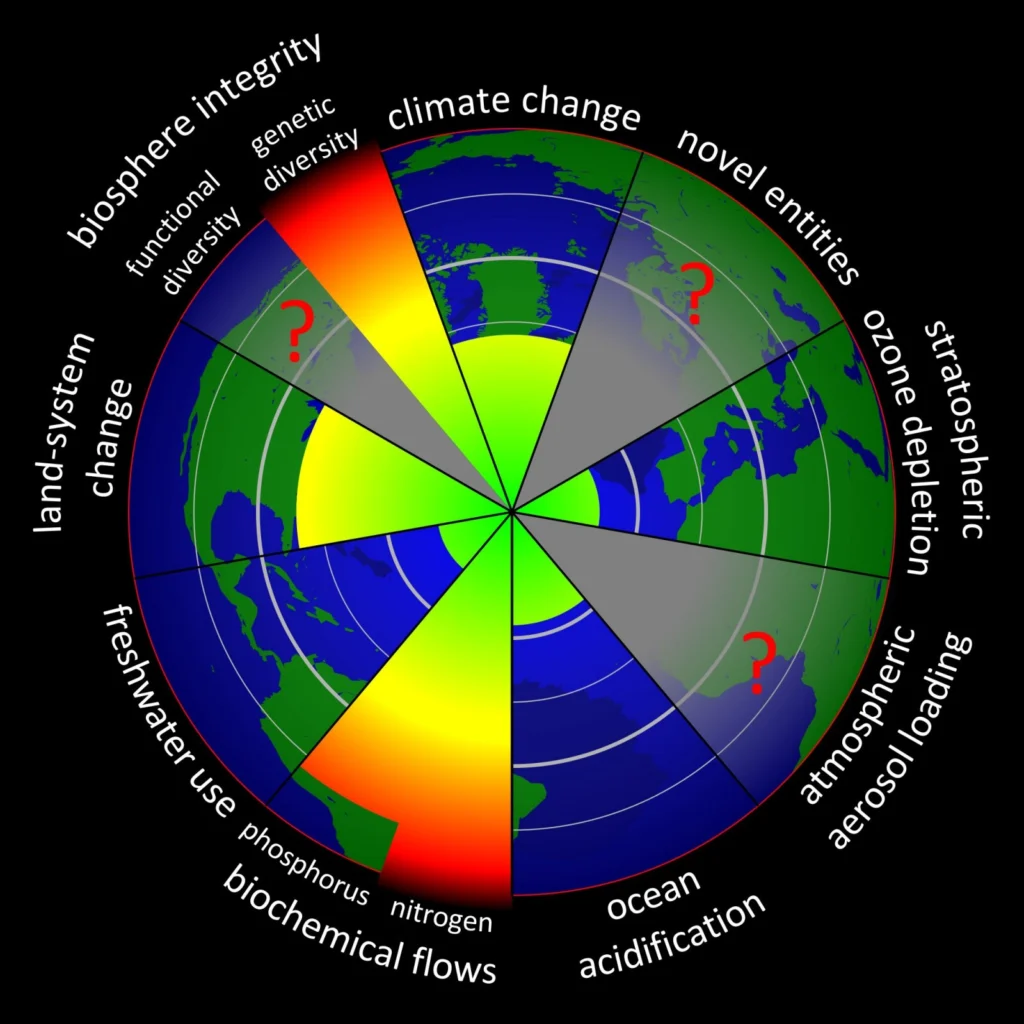
Testing triggers of catastrophic climate change
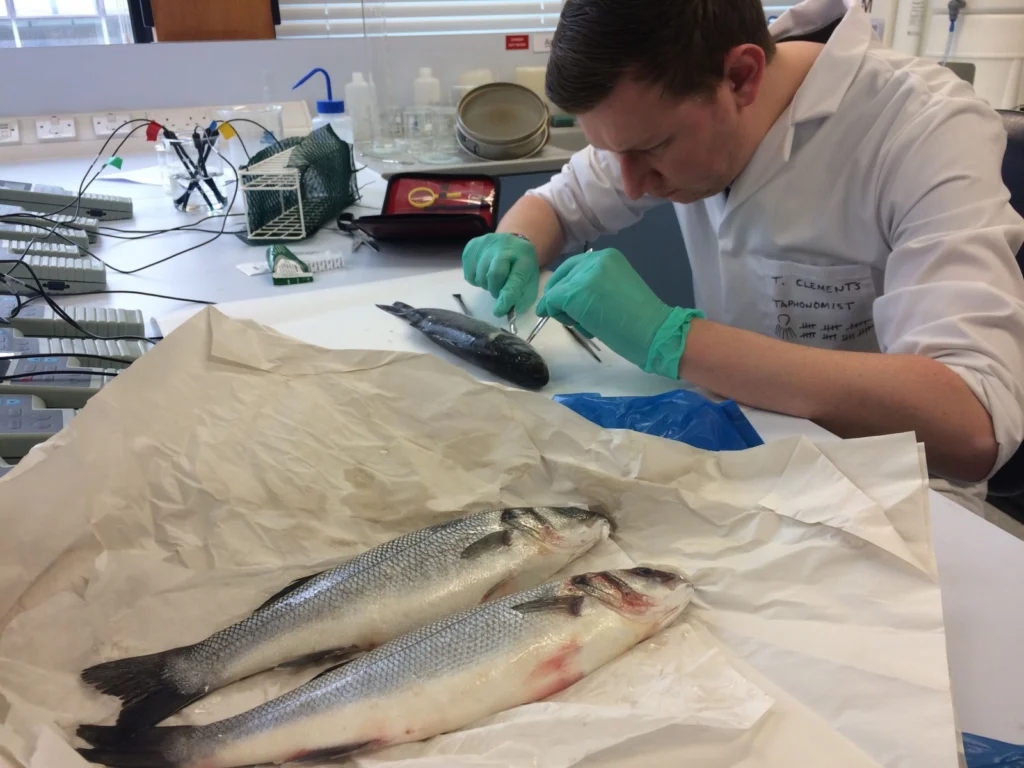
The research presented during the EGU’s 2016 General Assembly have wide-reaching implications for how we understand planet Earth. In today’s post, Sara Mynott, an EGU press assistant during the conference, writes about findings presented at the meeting which highlight the importance of the biosphere when it comes to understanding the threat posed to our planet …[Read More]

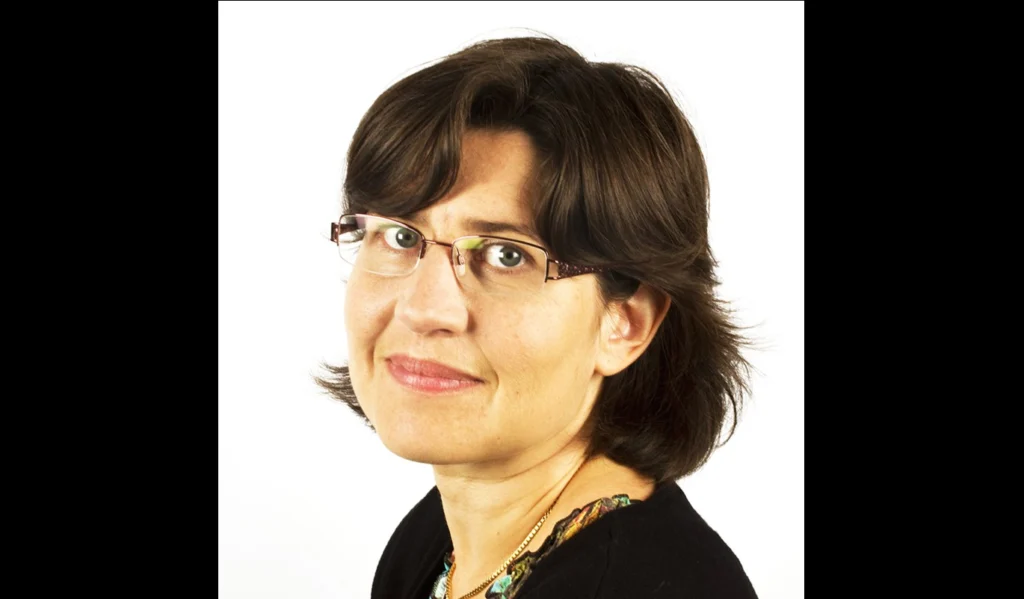
GeoPolicy: What’s next for the IPCC & how can early career scientists get involved? An interview with Valérie Masson-Delmotte

GeoPolicy: What’s next for the IPCC & how can early career scientists get involved? An interview with Valérie Masson-Delmotte

This month’s GeoPolicy post is an interview with the newly-appointed co-chair of the Intergovernmental Panel on Climate Change (IPCC) Working Group 1 (WG1): Valérie Masson-Delmotte. Valérie is also a Principle Investigator at the Laboratoire des Sciences du Climat et de l’Environnement, Paris. In this interview she discusses how she balances her two roles, what the …[Read More]

Imaggeo on Mondays: Storm on the Rock

Imaggeo on Mondays: Storm on the Rock

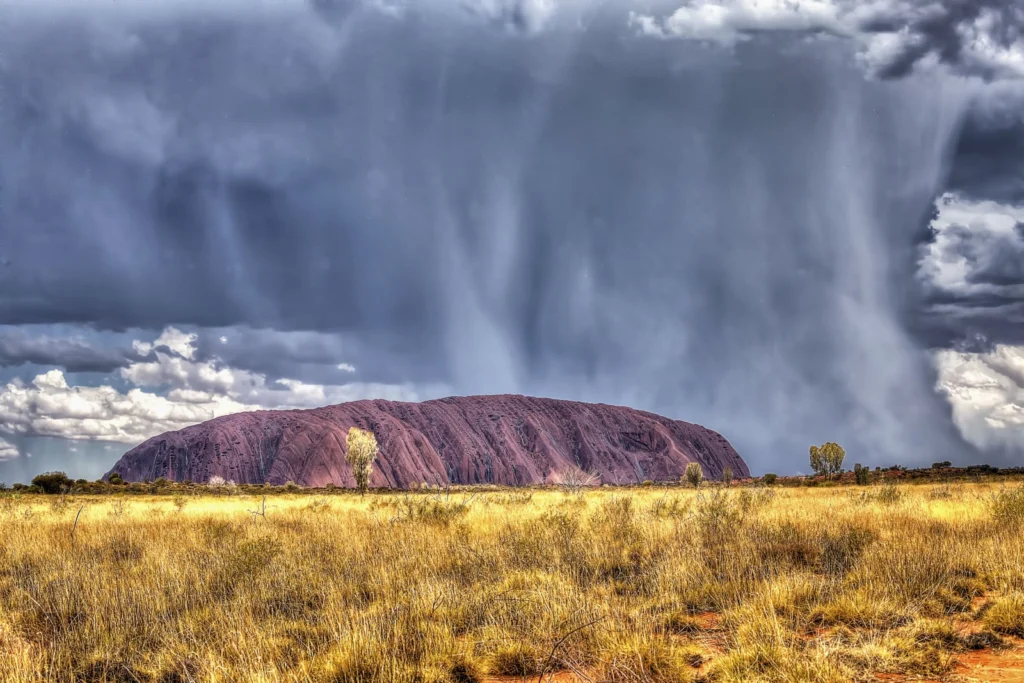
This is a photograph of Uluru, in the Northern Territory of Australia, on a hot and humid summer afternoon. As lightning flashed about, torrential rains swept across the landscape and silver rivulets of water began to rush down the sides of the mountain. Uluru is made of red-coloured Proterozoic arkosic sandstones, a coarse grained lithology …[Read More]

Great walls of fire – Vitrification and thermal engineering in the British Iron Age

Great walls of fire – Vitrification and thermal engineering in the British Iron Age

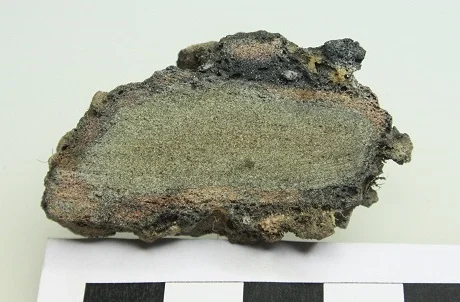
It’s long been recognised the peoples of European prehistory occasionally, and quite deliberately, melted the rocks from which their hilltop enclosures were made. But why did they do it? In today’s blog post Fabian Wadsworth and Rebecca Hearne explore this question. Burning questions Throughout the European Bronze and Iron Ages (spanning 2600 years from 3200 …[Read More]

Imaggeo on Mondays: Moving images – Photo Contest 2016

Imaggeo on Mondays: Moving images – Photo Contest 2016

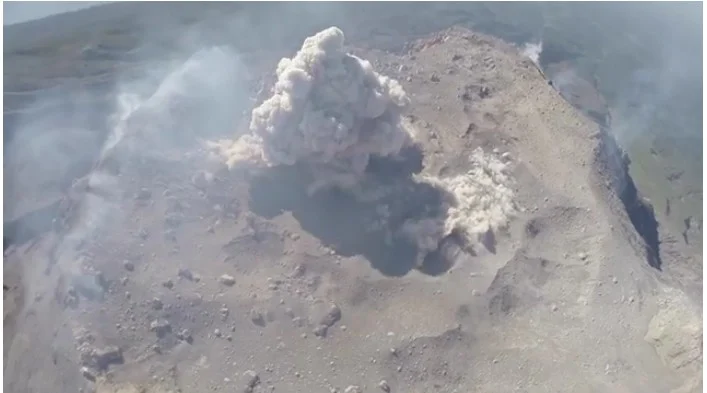
Since 2010, the European Geosciences Union (EGU) has been holding an annual photo competition and exhibit in association with its General Assembly and with Imaggeo – the EGU’s open access image repository. In addition to the still photographs, imaggeo also accepts moving images – short videos – which are also a part of the annual …[Read More]

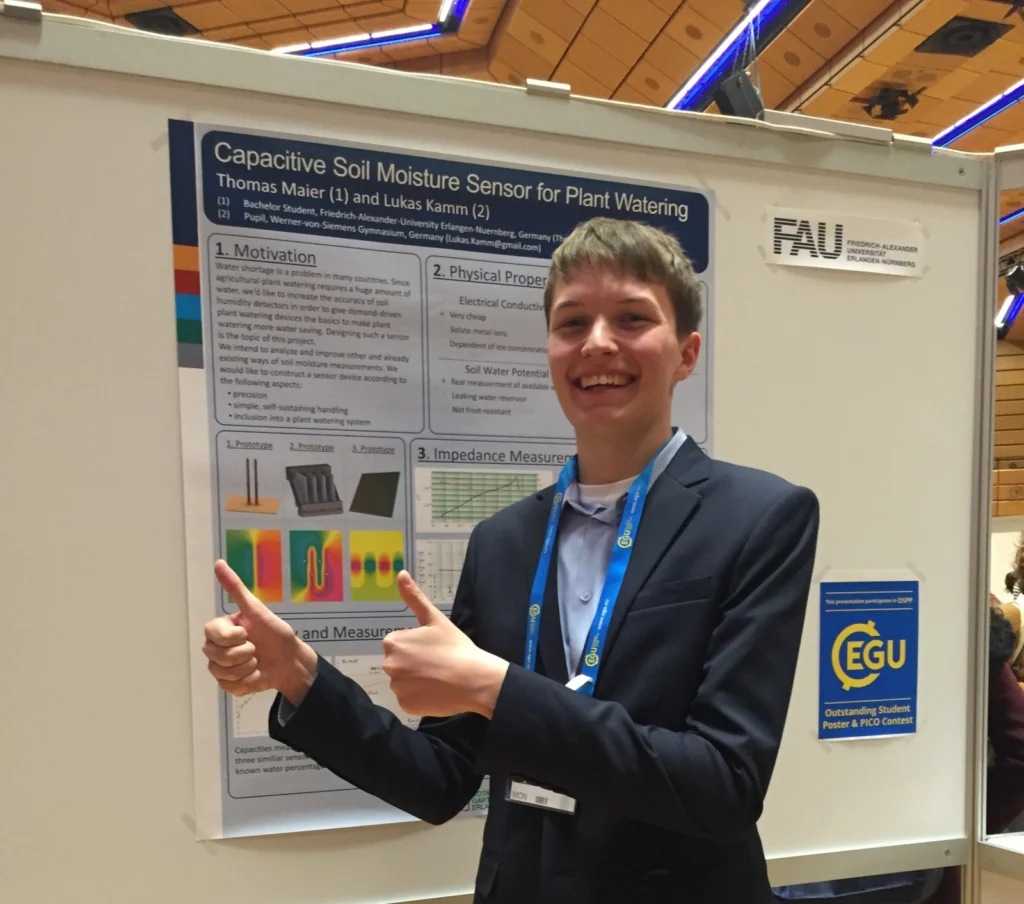
Share the work you presented at EGU 2016: upload your presentations for online publication

Share the work you presented at EGU 2016: upload your presentations for online publication

This year it is, once again, possible to upload your oral presentations, PICO presentations and posters from EGU 2016 for online publication alongside your abstract, giving all participants a chance to revisit your contribution – hurrah for open science! Files can be in either PowerPoint or PDF format. Note that presentations will be distributed under the Creative Commons Attribution …[Read More]

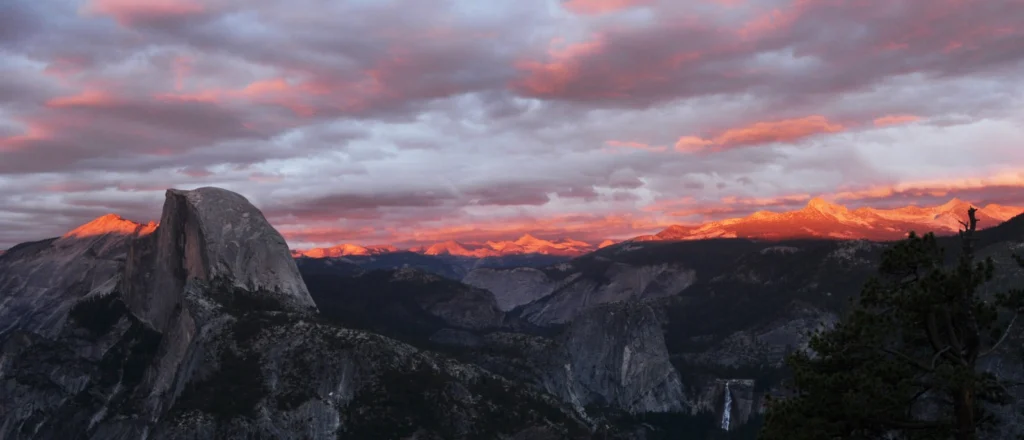
Imaggeo on Mondays: Half dome at sunset

Imaggeo on Mondays: Half dome at sunset

Yosemite’s Half Dome stands, majestic, over a granite dominated terrain in the Yosemite Valley area;  one of the most beautiful landscapes in northern America, and arguably, the world – it is also an Earth scientist’ playground. Stamped into the west slope of the Sierra Nevada range, the Yosemite Valley is a collection of lush forests, …[Read More]

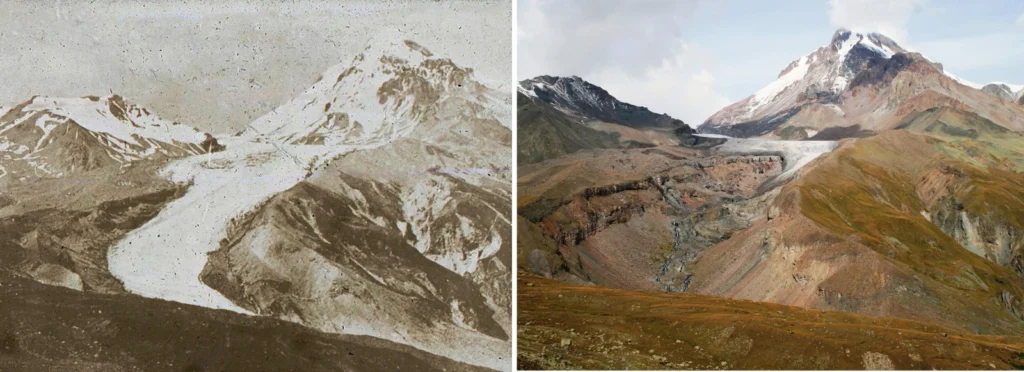
The final days of the mountain glaciers

The final days of the mountain glaciers

In 1896 British lawyer, mountaineer and author Douglas Freshfield climbed an obscure mountain in the Caucasus called Kasbek and in his book detailing his adventures he described the mountain: “From this point the view of Kasbek is superb: its whole north-eastern face is a sheet of snow and ice, broken by the steepness of the …[Read More]