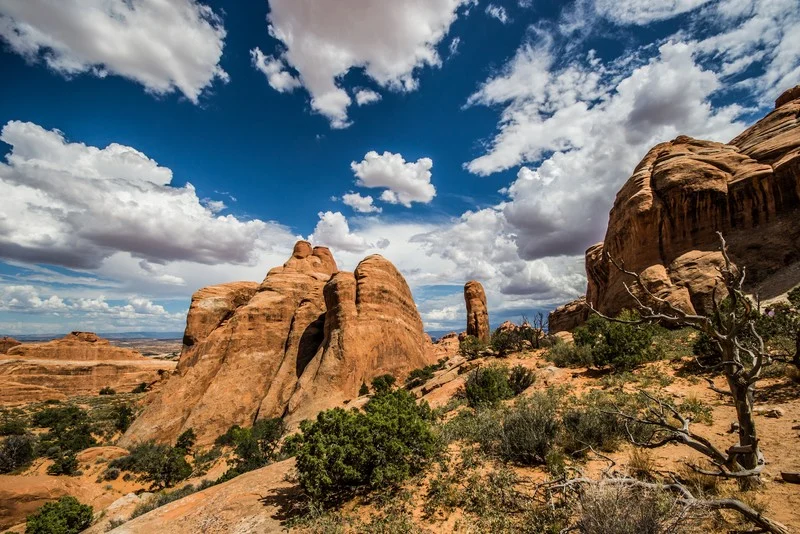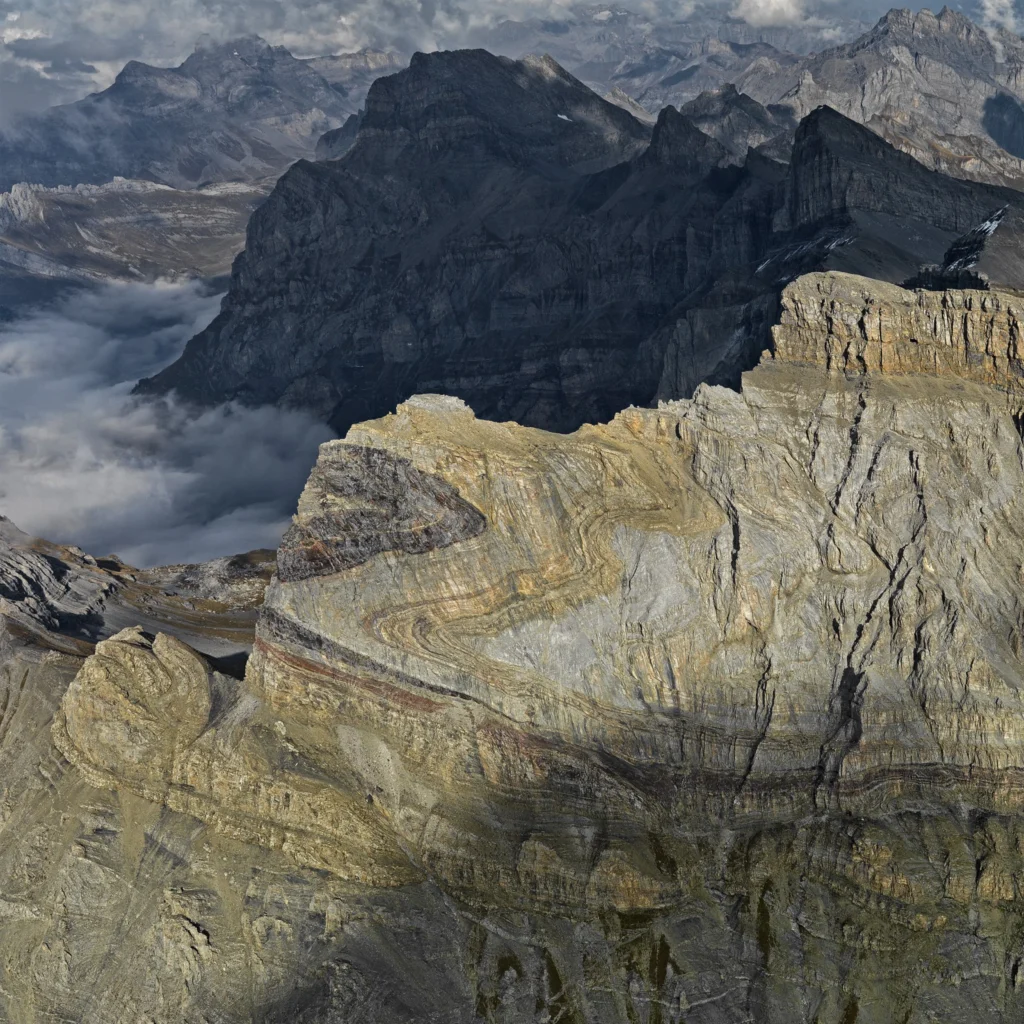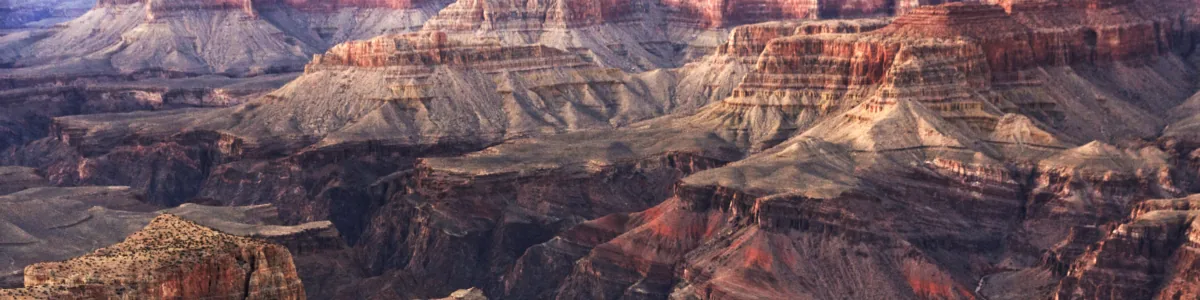
Detail of a photo: Maze of layered canyon walls and buttes in bands of red, cream and grey, receding into the distance in soft evening light.
GeoLog

GeoLog

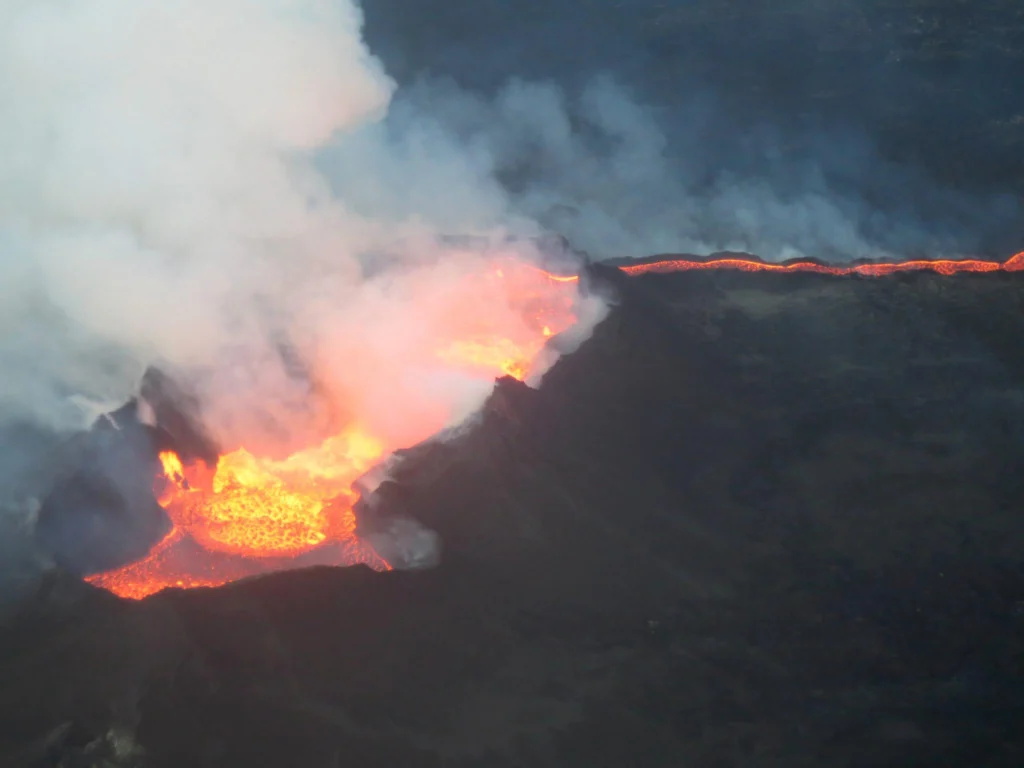
Imaggeo on Mondays: A Bubbling Cauldron
Imaggeo on Mondays: A Bubbling Cauldron
Despite being a natural hazard which requires careful management, there is no doubt that there is something awe inspiring about volcanic eruptions. To see an erupting volcano up close, even fly through the plume, is the thing of dreams. That’s exactly what Jamie  Farquharson, a researcher at Université de Strasbourg (France) managed to do during …[Read More]

My film is ready, now what?

My film is ready, now what?

It’s no secret that at EGU we believe using film as a medium to communicate science and engage the public with research is a great tool! So much so that we organise an annual competition for early career scientists (ECS) to produce a three-minute video to share their research with the general public, as well …[Read More]

New study of natural CO2 reservoirs: Carbon dioxide emissions can be safely buried underground for climate change mitigation

New study of natural CO2 reservoirs: Carbon dioxide emissions can be safely buried underground for climate change mitigation

New research shows that natural accumulations of carbon dioxide (CO2) that have been trapped underground for around 100,000 years have not significantly corroded the rocks above, suggesting that storing CO2 in reservoirs deep underground is much safer and more predictable over long periods of time than previously thought, explains Suzanne Hangx a postdoctoral researcher at the University …[Read More]

Revamping the EGU blog network: call for bloggers

Revamping the EGU blog network: call for bloggers

The EGU blog network is getting a make-over! Since 2013 the network blogs have enjoyed thought-provoking and engaging contributions by Simon Redfern, Dan Schillereff and Laura Roberts, Jon Tennant, as well as Will Morgan on a range of topics: from the workings of the inner Earth, through to geomorphology, palaeontology and air quality. However, the …[Read More]

Imaggeo on Mondays: Rock glaciers

Imaggeo on Mondays: Rock glaciers

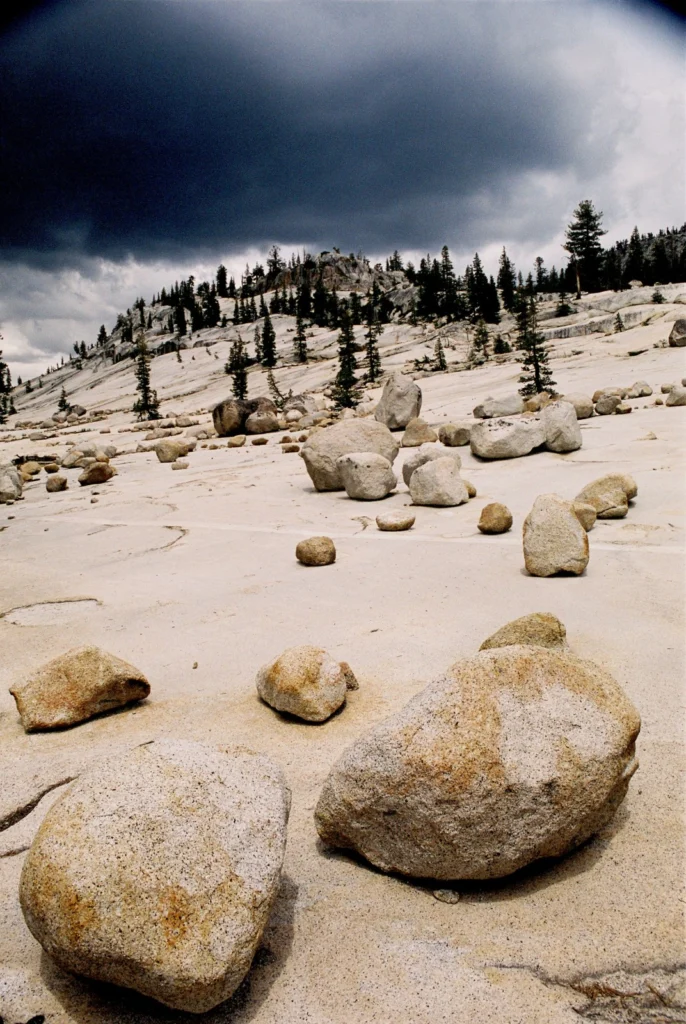
Picture a glacier and you probably imagine a vast, dense mass of slow moving ice; the likes of which you’d expect to see atop the planet’s high peaks and at high latitudes. Now, what if not all glaciers look like that? Take some ice, mix in some rock, snow and maybe a little mud and …[Read More]

Geosciences Column: The World’s soils are under threat

Geosciences Column: The World’s soils are under threat

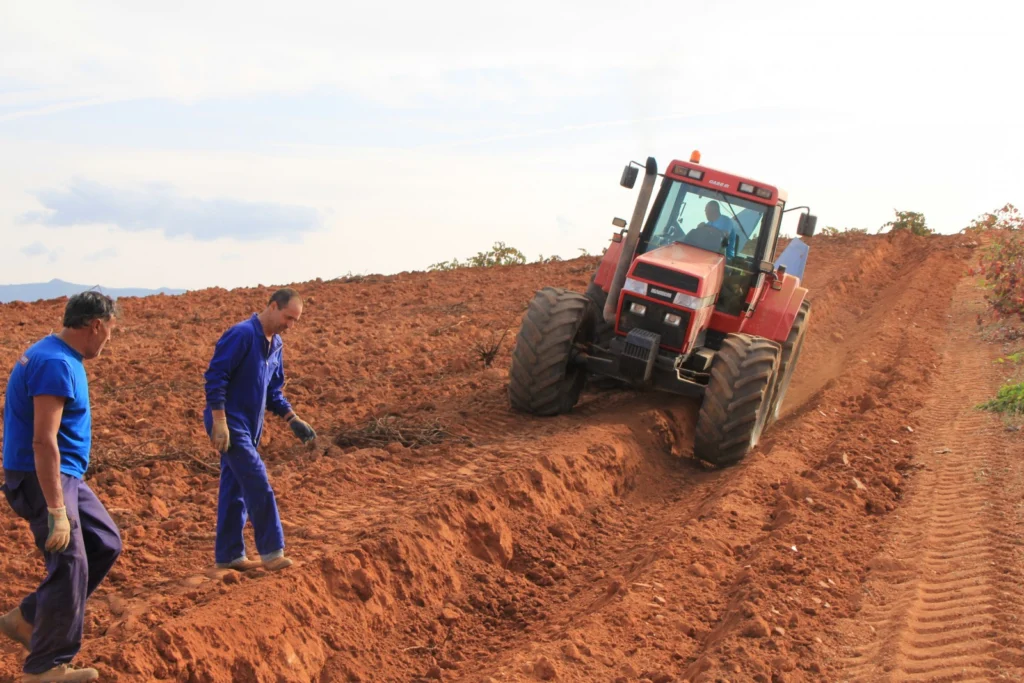
An increasing global population means that we are more dependant than ever on soils. Soils are crucial to securing our future supplies of water, food, as well as aiding adaptation to climate change and sustaining the planet’s biosphere; yet with the decrease in human labour dedicated to working the land, never have we been more …[Read More]

GeoTalk: Matt Taylor of ESA’s Rosetta mission

GeoTalk: Matt Taylor of ESA’s Rosetta mission

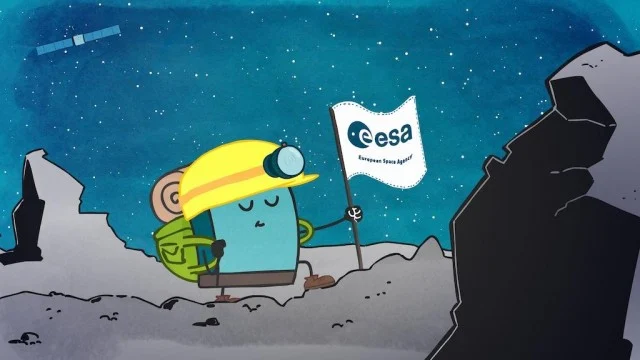
In November 2014, space exploration history was made. Millions of kilometres away, orbiting a piece of ice and rock, the European Space Agency’s (ESA) Rosetta mission sent its probe Philae to become the first spacecraft to soft-land on a comet. After the tense 7-hour wait that followed the separation from the main orbiter, a tweet …[Read More]

GeoPolicy: 8 ways to engage with policy makers

GeoPolicy: 8 ways to engage with policy makers

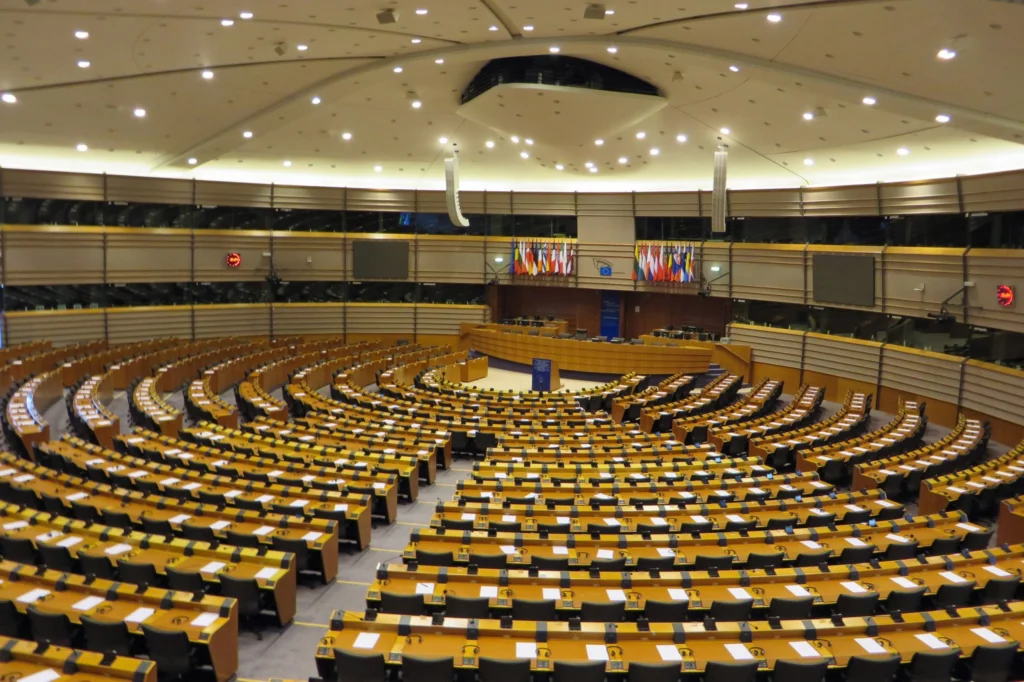
Scientific research is usually verbally communicated to policy officials or through purposefully written documents. This occurs at all levels of governance (local, national, and international). This month’s GeoPolicy post takes a look at the main methods in which scientists can assist in the policy process and describes a new method adopted by the European Commission (EC) that aims to enhance …[Read More]