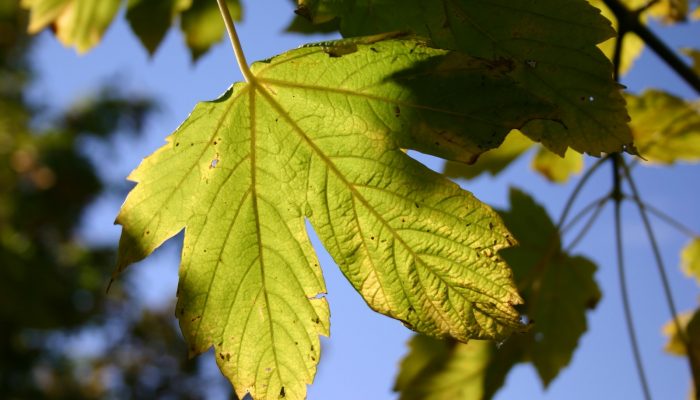
We often read about Earth’s mass extinction events and how they wiped out vast numbers of animal species, leaving survivors to evolve and repopulate the planet. But it’s rarer to hear about how plants managed these catastrophes. A new study published last month by a team at University College Dublin, Ireland, in the journal Nature Plants shows how plants with thicker, heavier leaves we ...[Read More]
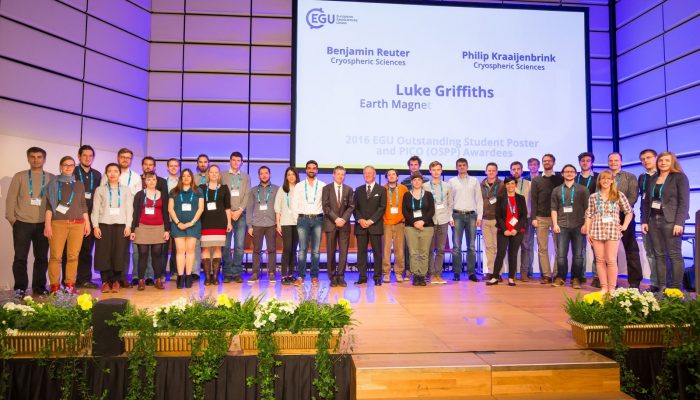
EGU announces 2018 awards and medals
From 8th to the 14th October a number of countries across the globe celebrate Earth Science Week, so it is a fitting time to celebrate the exceptional work of Earth, planetary and space scientist around the world. Yesterday, the EGU announced the 49 recipients of next year’s Union Medals and Awards, Division Medals, and Division Outstanding Early Career Scientists Awards. The aim of the awards is ...[Read More]
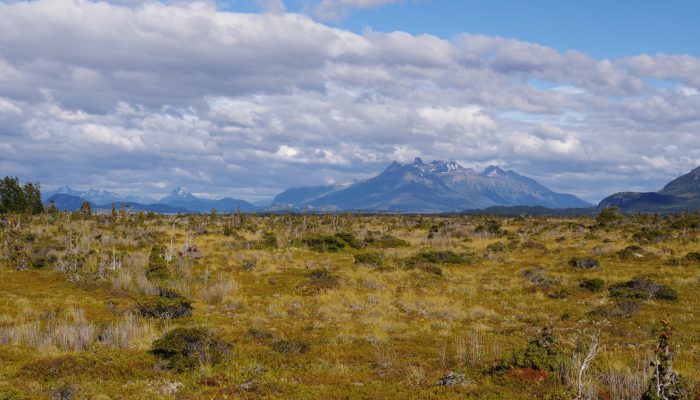
Imaggeo on Mondays: The unique bogs of Patagonia
Patagonia, the region in southernmost tip of South America, is as diverse as it is vast. Divided by the Andes, the arid steppes, grasslands and deserts of Argentina give way to the temperate rainforests, fjords and glaciers of Chile. Also on the Chilean side are rolling hills and valleys of marshy topography: Patagonia’s bogs. Today, Klaus-Holger Knorr, a researcher at the University of Münster’s ...[Read More]
Malawi High School Teacher’s Workshop on Natural Hazards
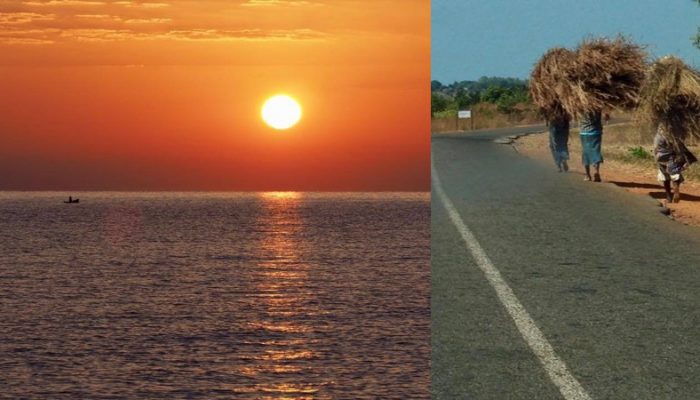
In July 2017, Professor Bruce Malamud and Dr Faith Taylor from King’s College London travelled to Mzuzu, Malawi to work in collaboration with Mr James Kushe from Mzuzu University, Malawi. They delivered an EGU funded workshop at Mzuzu University to high school teachers on natural hazards, with major funding provided by EGU, and also supported by Urban ARK and Mzuzu University. Faith and Bruce expl ...[Read More]
Imaggeo on Mondays: Measuring the wind direction
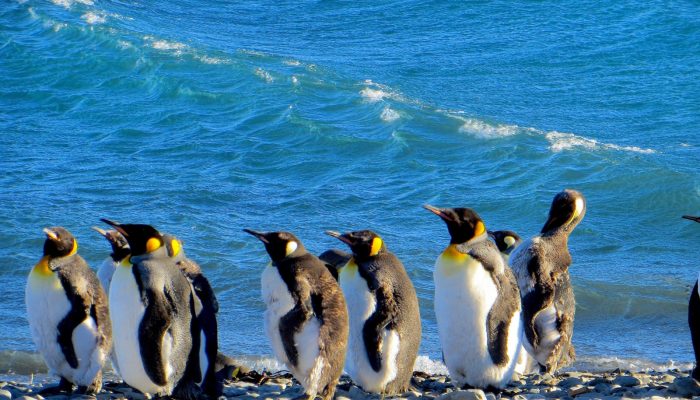
Remote, rugged, raw and beautiful beyond measure, the island of South Georgia rises from the wild waters of the South Atlantic, 1300 km south east of the Falkland Islands. The Allardyce Range rises imposingly, south of Cumberland Bay, dominating the central part of the island. At its highest, it towers 2935 m (Mount Paget) above the surrounding landscape. In the region of 150 glaciers carve their ...[Read More]
September GeoRoundUp: the best of the Earth sciences from around the web
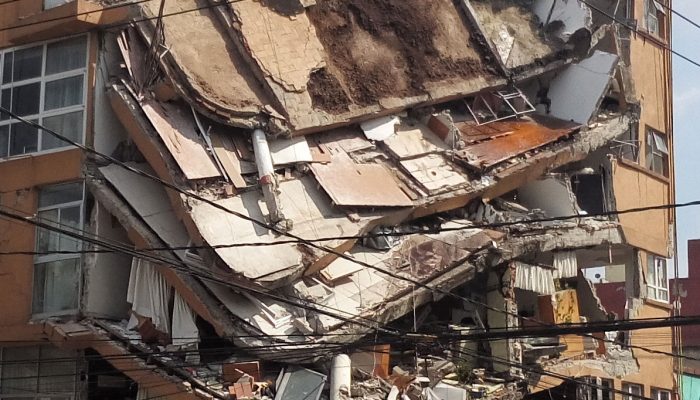
Drawing inspiration from popular stories on our social media channels, as well as unique and quirky research news, this monthly column aims to bring you the best of the Earth and planetary sciences from around the web. Major story and what you might have missed This month has been an onslaught of Earth and space science news; the majority focusing on natural hazards. Hurricanes, earthquakes and v ...[Read More]
Record-setting forest fires in 2017 – what is to blame?
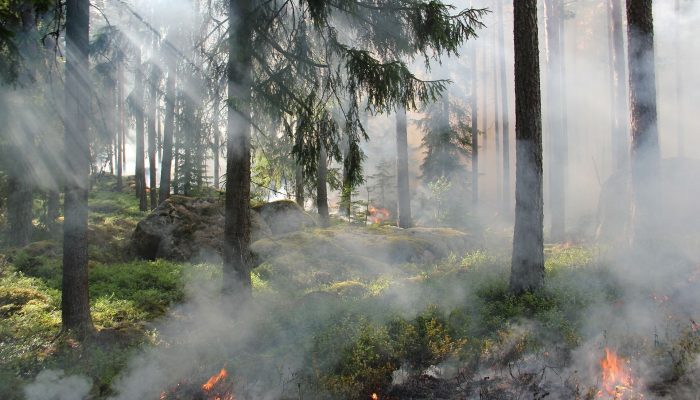
Forest fires have once again seized the public consciousness in both Europe and North America. Extreme drought and temperatures contributed to a tinderbox in many forests, and have led to deadly fires across Europe and record-breaking, highly disruptive fires in the USA and Canada, from where I’m currently writing. A simple way to understand fire is by thinking about the fire triangle – the three ...[Read More]
GeoPolicy: IPCC decides on fresh approach for next major report
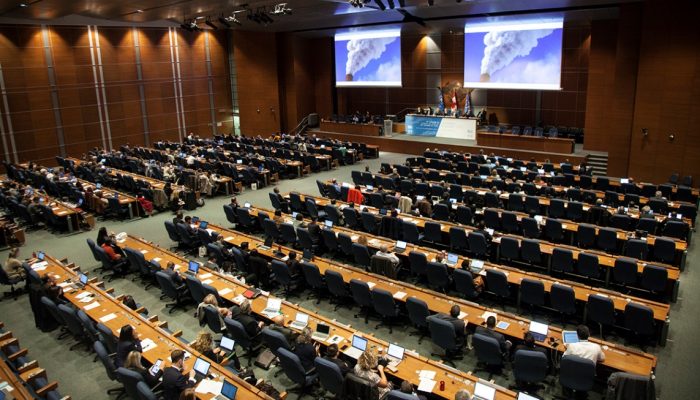
This month’s GeoPolicy post is a guest post from Sarah Connors, a Science Officer in the Intergovernmental Panel on Climate Change (IPCC) Working Group 1 Technical Support Unit (and former EGU Science Policy Officer). The IPCC is starting its sixth cycle, in which hundreds of scientists take stock of the world’s climate change knowledge by assessing the current scientific literature and then summa ...[Read More]
Imaggeo on Mondays: Isolated atoll
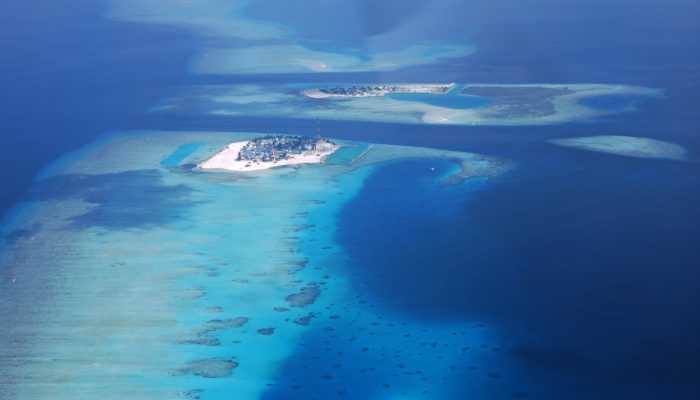
Covering a total area of 298 km², the idylic natural atolls and reefs of the Maldives stretch across the Indian Ocean. The tropical nation is famous for it’s crystal clear waters and picture perfect white sand beaches, but how did the 26 ring-shaped atolls and over 1000 coral islands form? Coral reefs commonly form immediately around an island, creating a fringe which projects seawards from the sh ...[Read More]
GeoSciences Column: Catch of the day – what seabirds can tell us about the marine environment
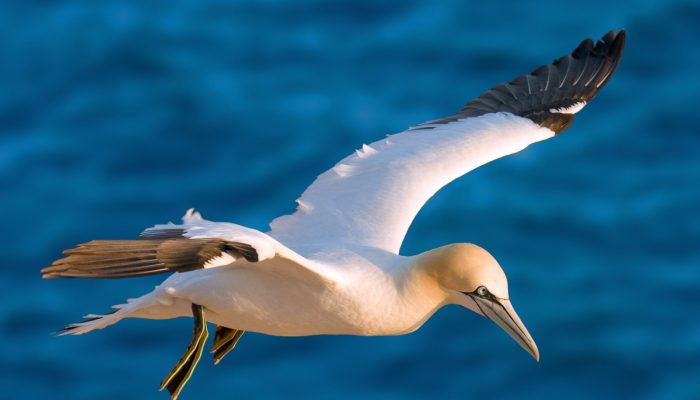
Off the coast of Germany, a male northern gannet (for ease, we’ll call him Pete) soars above the cold waters of the North Sea. He’s on the hunt for a shoal of fish. Some 40km due south east, Pete’s mate and chick await, patiently, for him to return to the nest with a belly full of food. Glints of silver just below the waves; the fish have arrived. Pete readies himself. Body rigid, wings tucked in ...[Read More]