GeoLog

GeoLog

Try something different at EGU 2019– choose a PICO session!

Try something different at EGU 2019– choose a PICO session!

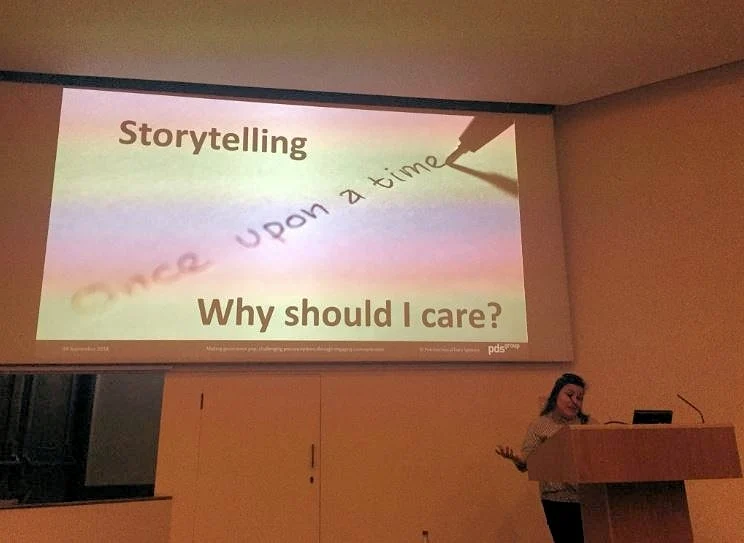
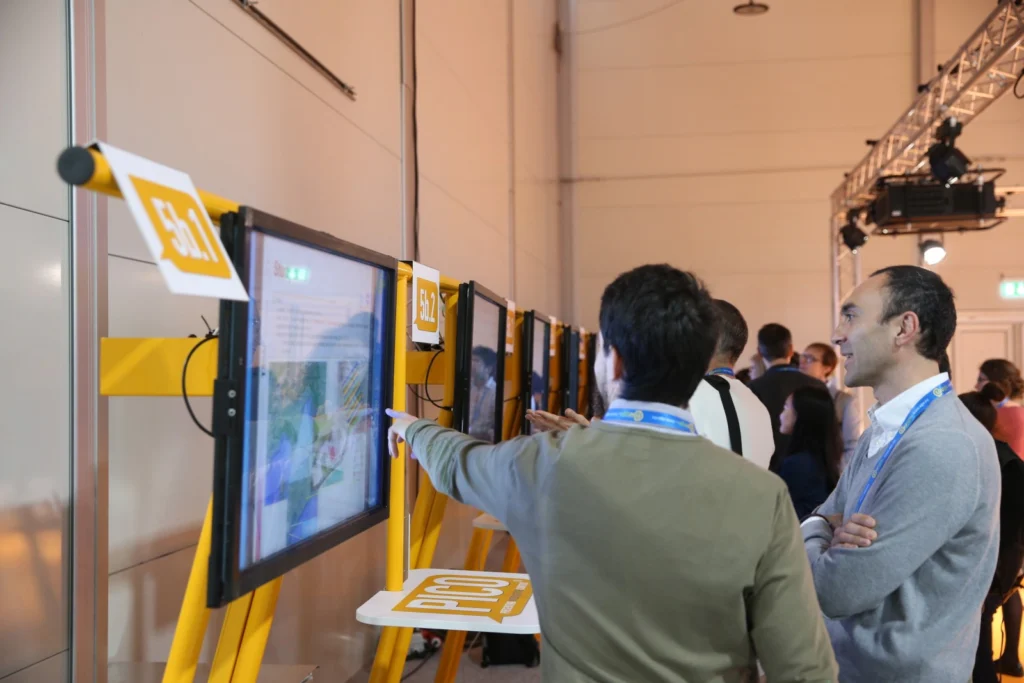
Some of the sessions scheduled for the upcoming EGU General Assembly are PICO only sessions. This means that, rather than being oral or poster format, they involve Presenting Interactive COntent (PICO). The aim of these presentations is to highlight the essence of a particular research area – just enough to get the audience excited about a topic without overloading them with information. What’s gr ...[Read More]

Imaggeo on Mondays: In-tents Icelandic sunset

Imaggeo on Mondays: In-tents Icelandic sunset

This photograph was taken at the campsite near lake Mỳvatn during a field trip to Iceland. Every year a group of students from Wageningen University travels from the Netherlands to Iceland for a weeklong excursion as part of a course on catchment hydrology. The aim of the trip is to provide students with real life examples of the processes they learned during their lectures. After a rainy morning ...[Read More]

EGU2019: Financial support to attend the General Assembly

EGU2019: Financial support to attend the General Assembly

The EGU is committed to promoting the participation of both early career scientists and established researchers from low and middle-income countries who wish to present their work at the EGU General Assembly. In order to encourage participation of scientists from both these groups, a limited amount of the overall budget of the EGU General Assembly is reserved to provide financial support to those ...[Read More]

Imaggeo on Mondays: Hole in a hole in a hole…

Imaggeo on Mondays: Hole in a hole in a hole…

This photo, captured by drone about 80 metres above the ground, shows a nested sinkhole system in the Dead Sea. Such systems typically take form in karst areas, landscapes where soluble rock, such as limestone, dolomite or gypsum, are sculpted and perforated by dissolution and erosion. Over time, these deteriorating processes can cause the surface to crack and collapse. The olive-green hued sinkho ...[Read More]

Geosciences Column: How climate change put a damper on the Maya civilisation

Geosciences Column: How climate change put a damper on the Maya civilisation

More than 4,000 years ago, when the Great Pyramid of Giza and Stonehenge were being built, the Maya civilisation emerged in Central America. The indigenous group prospered for thousands of years until its fall in the 13th century (potentially due to severe drought). However, thousands of years before this collapse, severely soggy conditions lasting for many centuries likely inhibited the civilisat ...[Read More]

Join us at the EGU 2019 General Assembly: Call for abstracts is now open!

Join us at the EGU 2019 General Assembly: Call for abstracts is now open!

From now, up until 10 January 2019, you can submit your abstract for the upcoming EGU General Assembly (EGU 2019). In addition to established scientists, PhD students and other early career researchers are welcome to submit abstracts to present their research at the conference. Further, the EGU encourages undergraduate and master students to submit abstracts on their dissertations or final-year pr ...[Read More]

Imaggeo on Mondays: A modern cliff hides ancient dunes

Imaggeo on Mondays: A modern cliff hides ancient dunes

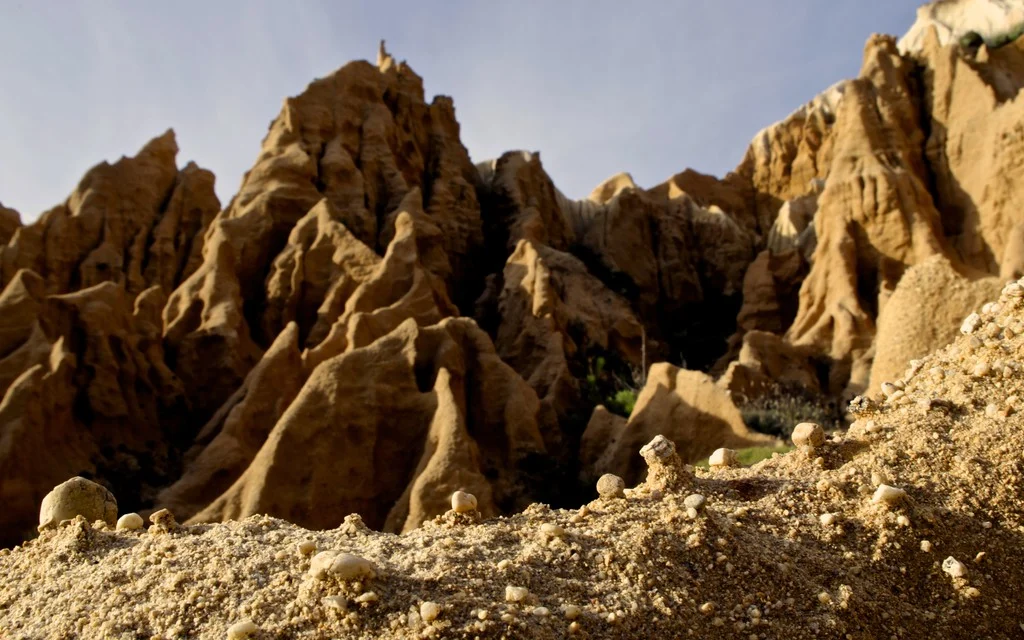
Ancient sand dunes exposed off a cliff face on the shoreline of Nova Scotia at the Islands Provincial Park. The juxtaposition of the high angled strata and flat lying layers above revels the drastic change in climate in Nova Scotia’s history; from vast sand dunes to a calm lake system, and presently the western coastline of the Atlantic Ocean. Description by Robert Wu, as it first appeared o ...[Read More]

EGU announces 2019 awards and medals

EGU announces 2019 awards and medals

From 14th to the 20th October a number of countries across the globe celebrate Earth Science Week, so it is a fitting time to celebrate the exceptional work of Earth, planetary and space scientist around the world. This week, the EGU announced the 45 recipients of next year’s Union Medals and Awards, Division Medals, and Division Outstanding Early Career Scientists Awards. The aim of the awards is ...[Read More]