GeoLog

Science Communication

A better framework for disasters

A better framework for disasters

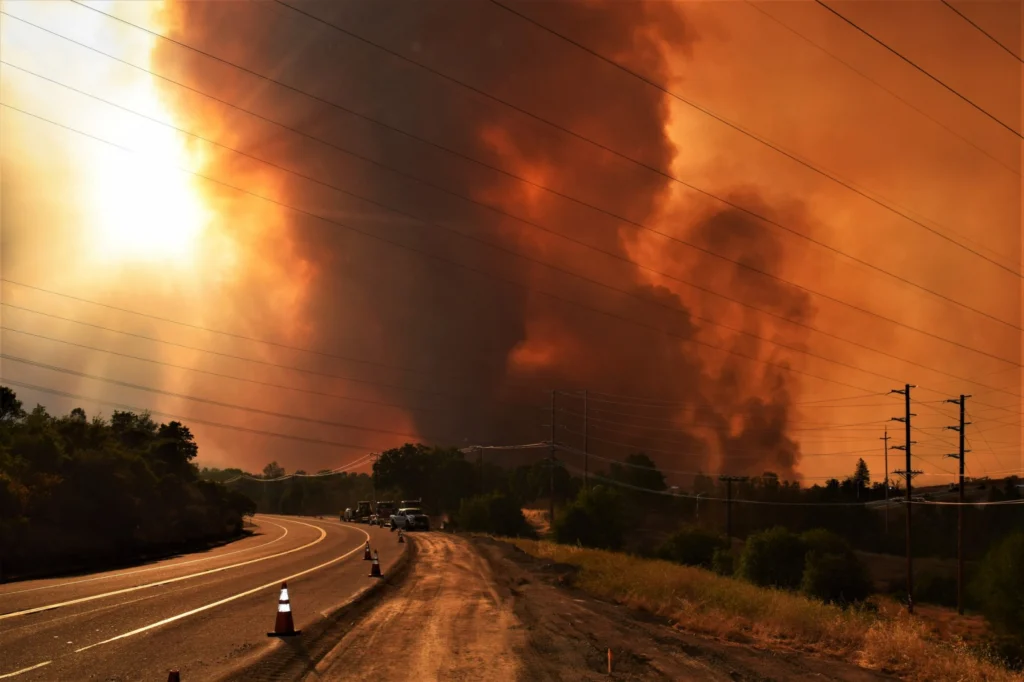
The end of the Northern hemisphere summer tends to be a good time to regroup from natural hazards, as the frequency and intensity of storms, as well as the incidence of wildfires, tends to trail off. At the time of writing, however, Hurricane Willa had just crashed into Mexico, while Typhoon Yutu has just hit the Northern Mariana Islands so hard that any equipment designed to record wind-speed had ...[Read More]

Imaggeo on Mondays: Hole in a hole in a hole…

Imaggeo on Mondays: Hole in a hole in a hole…

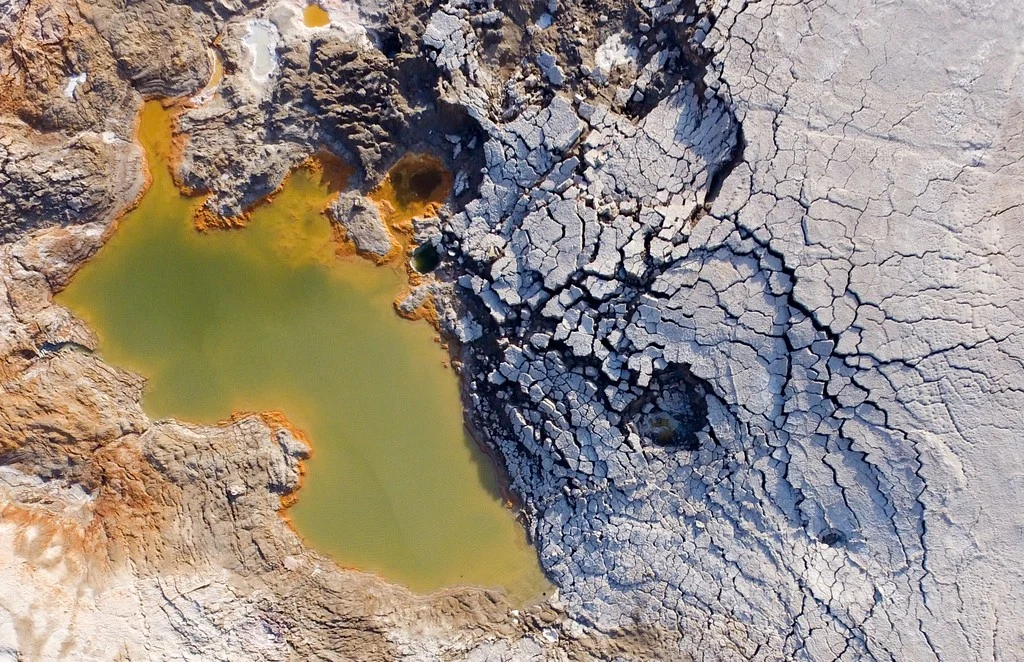
This photo, captured by drone about 80 metres above the ground, shows a nested sinkhole system in the Dead Sea. Such systems typically take form in karst areas, landscapes where soluble rock, such as limestone, dolomite or gypsum, are sculpted and perforated by dissolution and erosion. Over time, these deteriorating processes can cause the surface to crack and collapse. The olive-green hued sinkho ...[Read More]

Join us at the EGU 2019 General Assembly: Call for abstracts is now open!

Join us at the EGU 2019 General Assembly: Call for abstracts is now open!

From now, up until 10 January 2019, you can submit your abstract for the upcoming EGU General Assembly (EGU 2019). In addition to established scientists, PhD students and other early career researchers are welcome to submit abstracts to present their research at the conference. Further, the EGU encourages undergraduate and master students to submit abstracts on their dissertations or final-year pr ...[Read More]

GeoPolicy: Horizon Geoscience!

GeoPolicy: Horizon Geoscience!

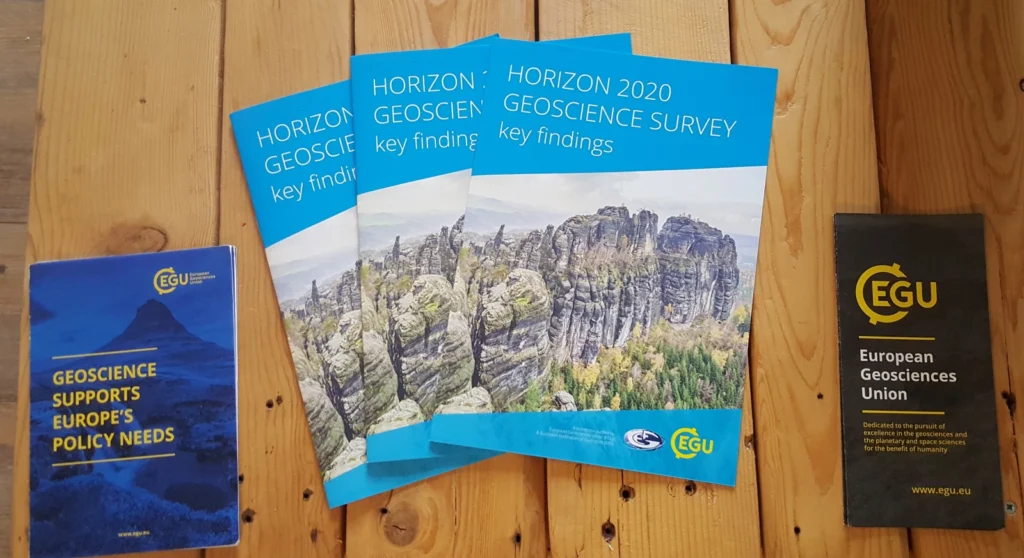
For the last few months the EGU has been working towards both hosting a dinner debate in Brussels, Belgium, and publishing the Horizon 2020 Geoscience Survey Report which was based on a survey conducted within the geoscience community earlier this year. Both of these endeavours were undertaken together with the European Federation of Geologists (EFG) and had similar aims: to enhance collaboration ...[Read More]

GeoPolicy: Bridging the gap between science and decision makers – a new tool for nuclear emergencies affecting food and agriculture

GeoPolicy: Bridging the gap between science and decision makers – a new tool for nuclear emergencies affecting food and agriculture

The International Atomic Energy Agency (IAEA) has developed an online system to assist in improving the response capabilities of authorities in the event of an emergency caused by natural hazards. The Decision Support System for Nuclear Emergencies Affecting Food and Agriculture (DSS4NAFA), provides a clear overview of radioactive contamination of crops and agricultural lands through improved data ...[Read More]

A young participant’s experience at the 2018 General Assembly: So much to discover!

A young participant’s experience at the 2018 General Assembly: So much to discover!

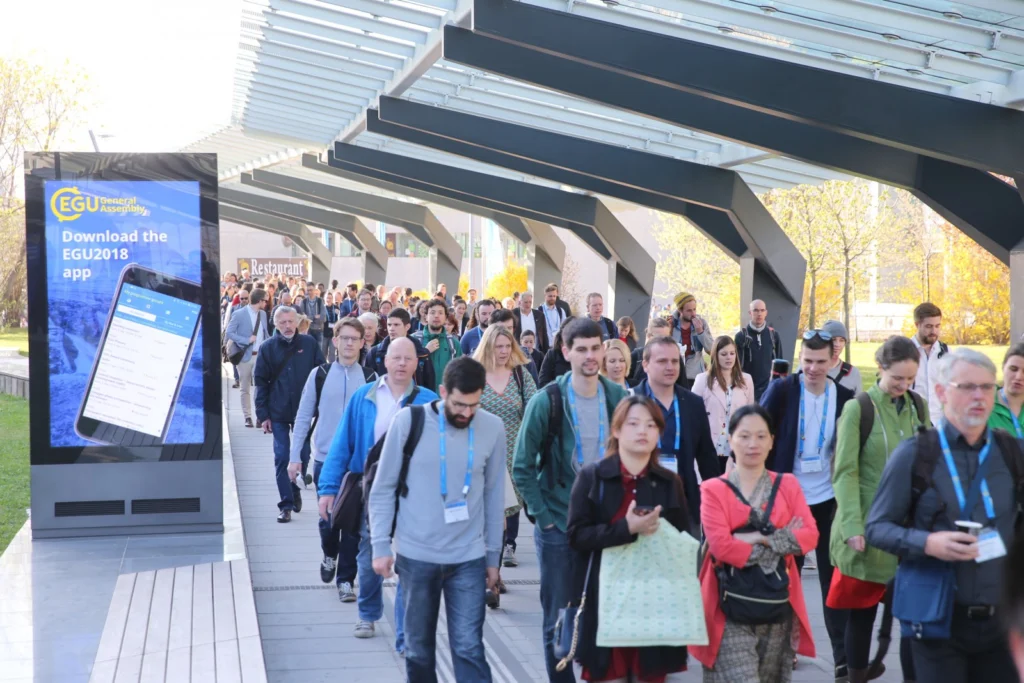
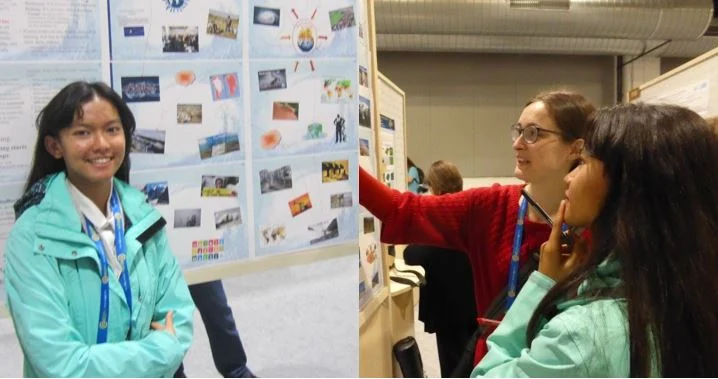
Today we welcome probably one of the youngest participants who attended the 2018 General Assembly, Pariphat Promduangsri, a 16-year-old science baccalaureate student at Auguste Renoir high school in Cagnes-sur-mer, France, as our guest blogger. With a deep interest in the natural world and in taking care of the environment, Pariphat was a keen participant at the conference. She gave both oral and ...[Read More]

Give us the foundation to build our transferrable skills!

Give us the foundation to build our transferrable skills!

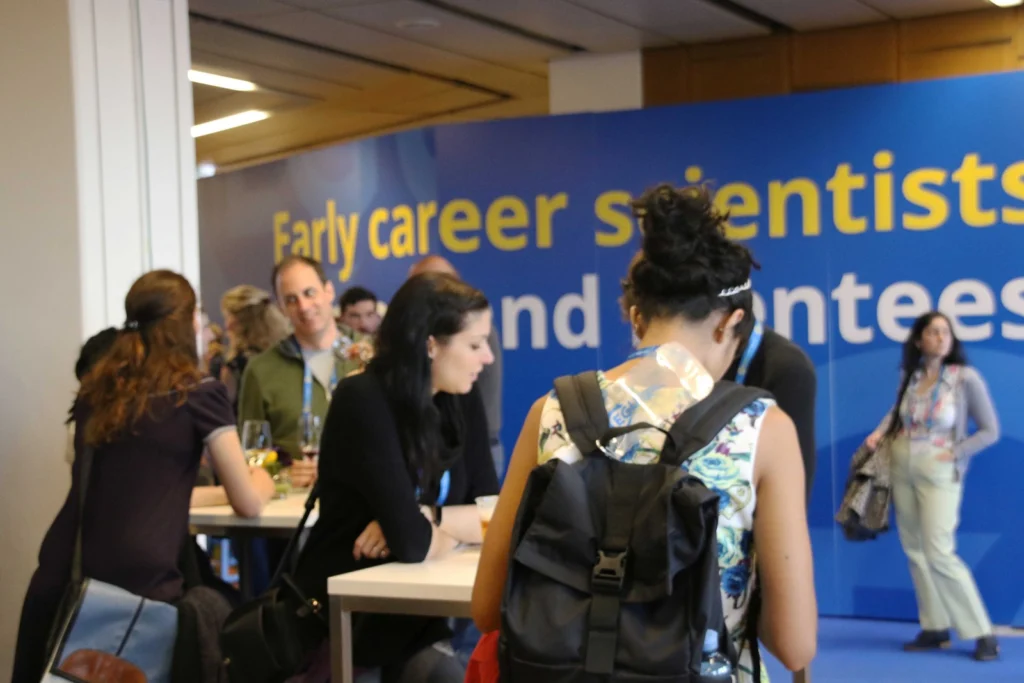
The EGU Early Career Scientists’ (ECS) Great Debates offer early career scientists at the EGU General Assembly the chance to network and voice their opinions on important topics in the format of round-table discussions. At the end of the debate, each table delivers a statement that summarises the discussion and recommendations. By publishing the results, we hope to highlight some of the needs of t ...[Read More]