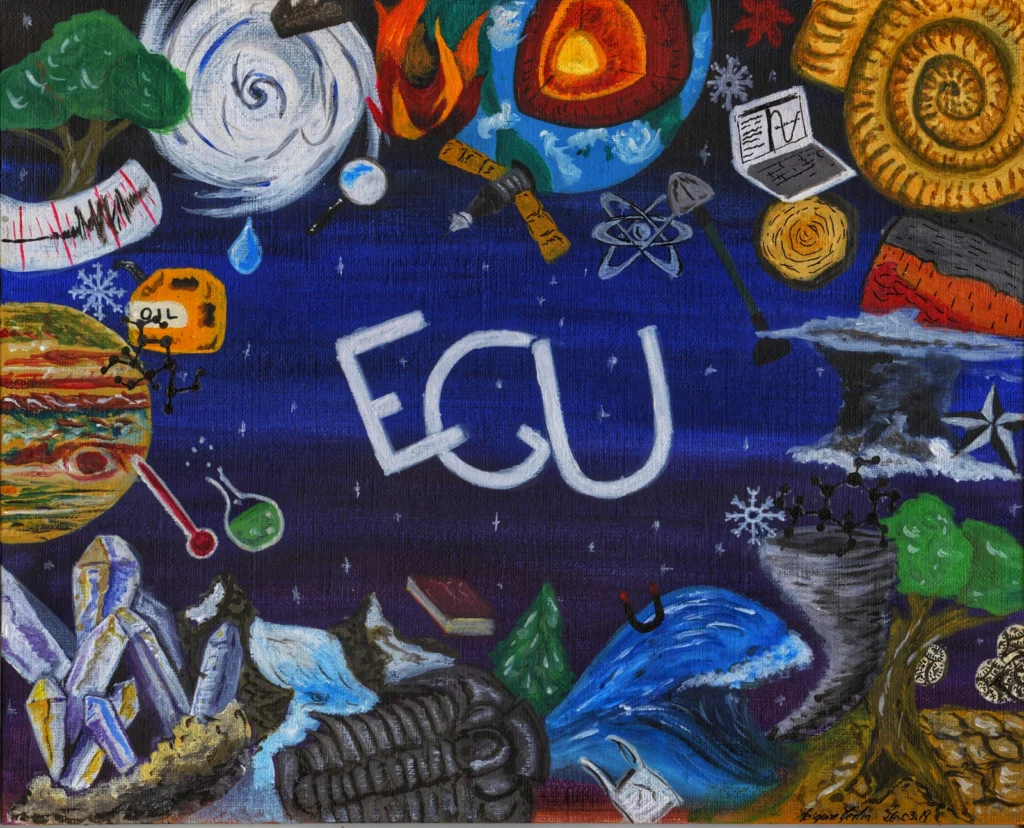
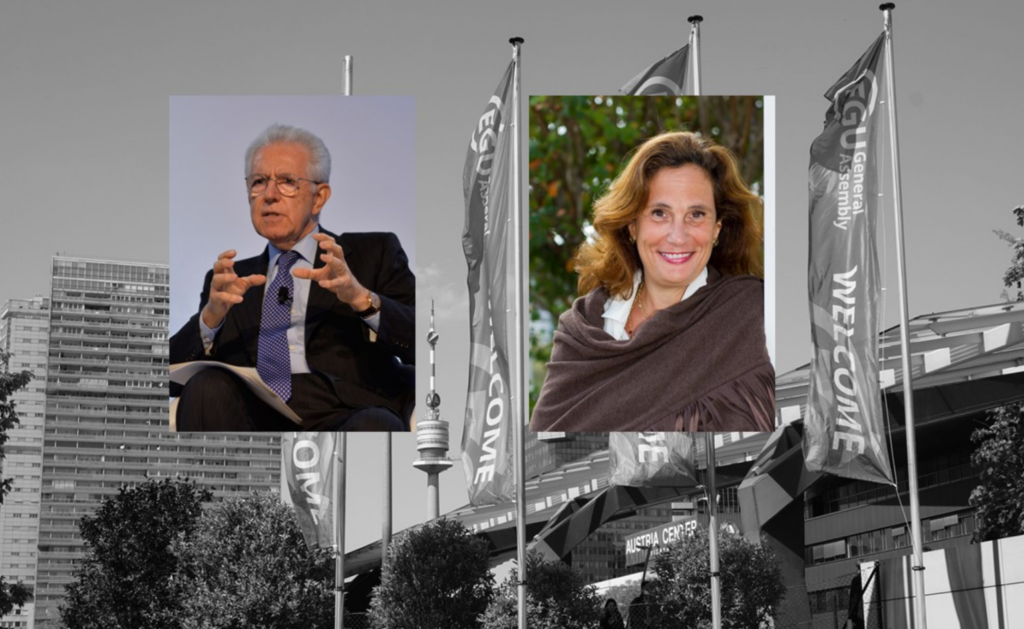
At the annual EGU General Assembly in April, more than 16,000 scientists from 113 countries convened in Vienna to share exciting research and discuss the latest advances in their field. During this conference, the EGU hosted two artists in residence to engage with scientific research in a dynamic setting and be inspired by new scientific discoveries. This year, we interviewed the 2019 artists in r ...[Read More]
Regular Features
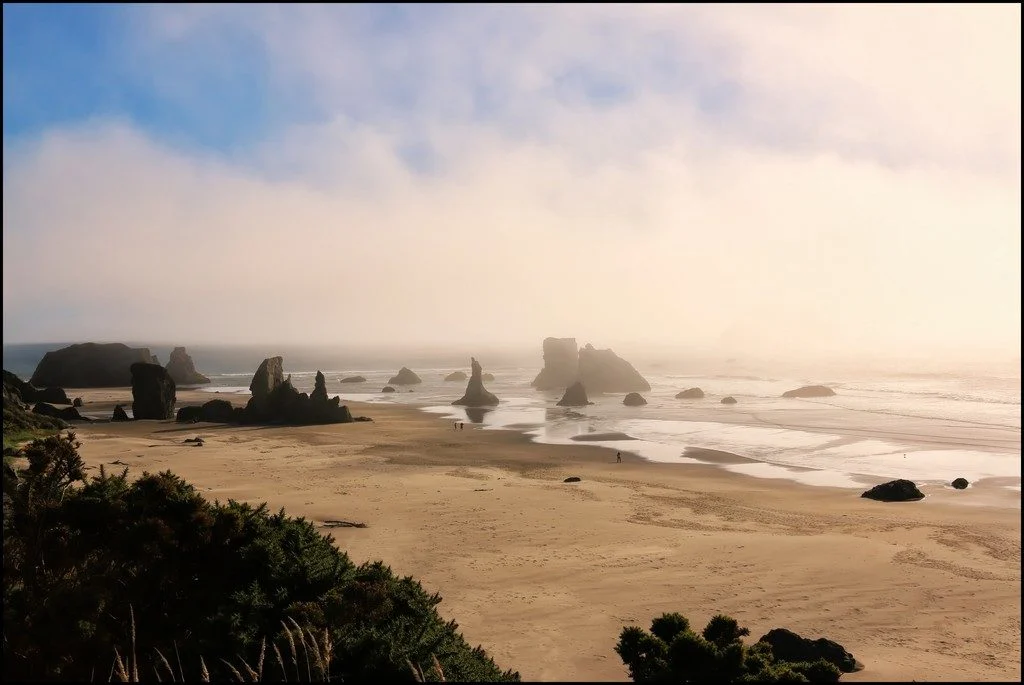
Imaggeo on Mondays: Foggy Bandon beach, Oregon
This picture was taken at Bandon beach, Oregon. Bandon is well-known for its memorable seascape of stacks of all shapes and sizes. These rock formations are known to geologists as ‘knockers’ and carry nicknames like ‘the Wizards hat’. They date from the Jurassic period – about 200 to 145 million years ago – and are what remains from the great mélange during tectonic subduction processe ...[Read More]
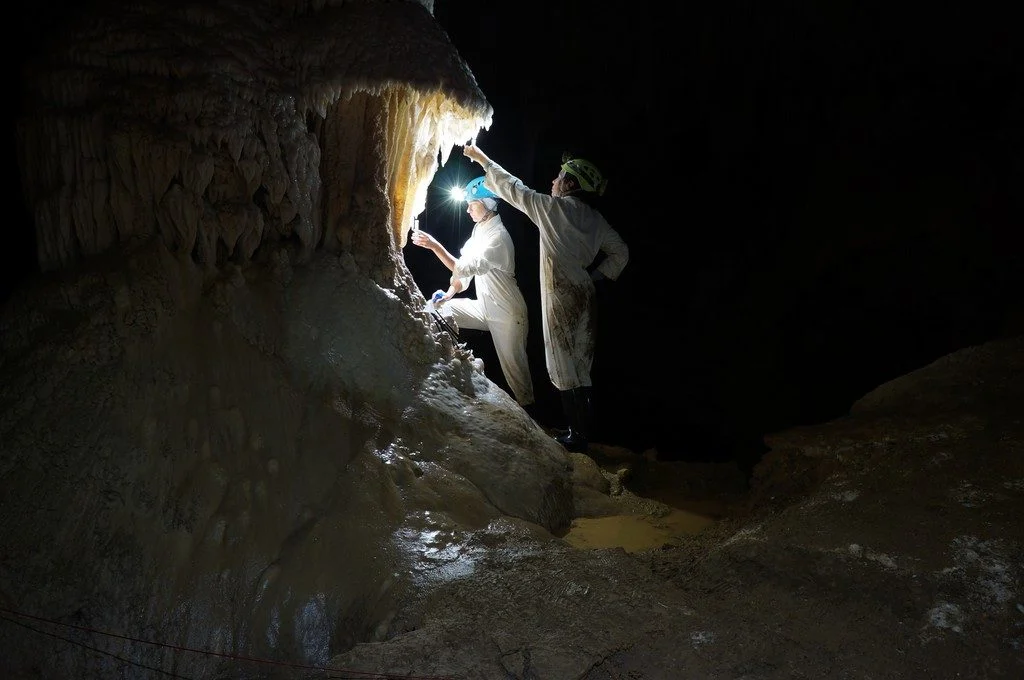
Imaggeo on Mondays: Our QUEST for innovative tools to understand changing environments and climates
The photo shown here shows typical sampling work underground. You can see Ola Kwiecien and Cinthya Nava Fernandez, researchers at Ruhr University Bochum in Germany, collecting dripwater in New Zealand’s Waipuna Cave as part of a four-year EU-funded monitoring programme. Our research aims at developing innovative geochemical indicators that we can use to quantify changes in the hydrological system ...[Read More]
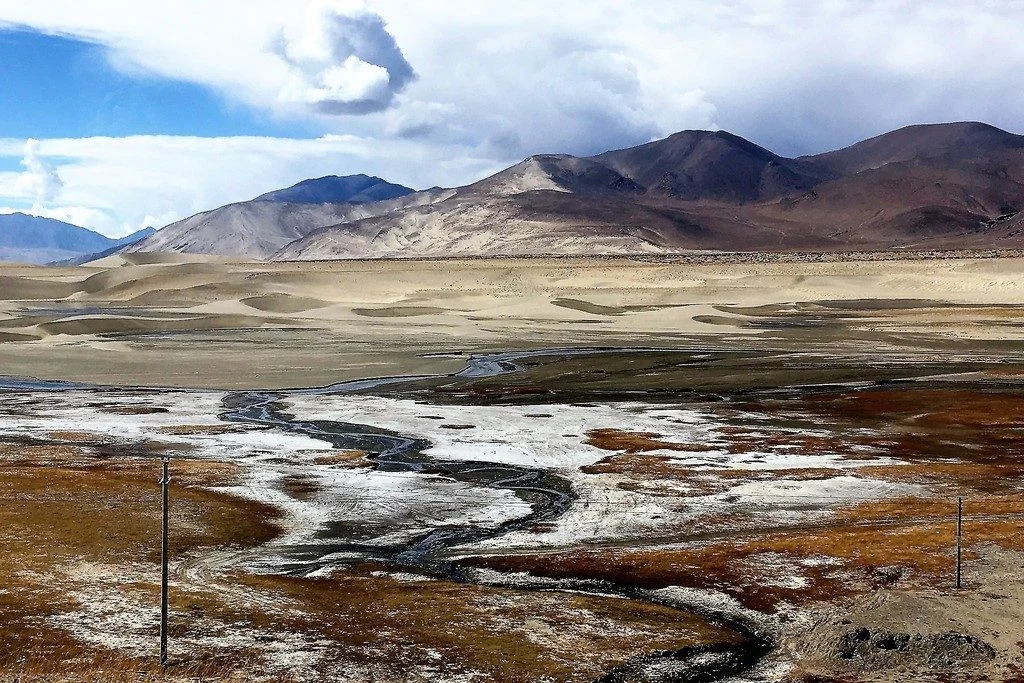
Imaggeo on Mondays: Sand and snow on the Tibetan Plateau
Roughly 50 million years ago, the Eurasian and Indian continental plates began to crash into each other, dramatically changing the landscape of modern-day Asia. The force of the collision caused the Earth to scrunch together at the zone of impact, subsequently forming the Himalayan mountain range. However, to the north of the crash, a stretch of the Earth uplifted without bunching up or wrinkling; ...[Read More]
May GeoRoundUp: the best of the Earth sciences from around the web
Drawing inspiration from popular stories on our social media channels, major geoscience headlines, as well as unique and quirky research, this monthly column aims to bring you the latest Earth and planetary science news from around the web. Major story The impact that humans have left on the planet’s landscape is so profound, that up to one million plant and animal species are at risk of extinctio ...[Read More]
GeoTalk: Meet the EGU’s president, Alberto Montanari
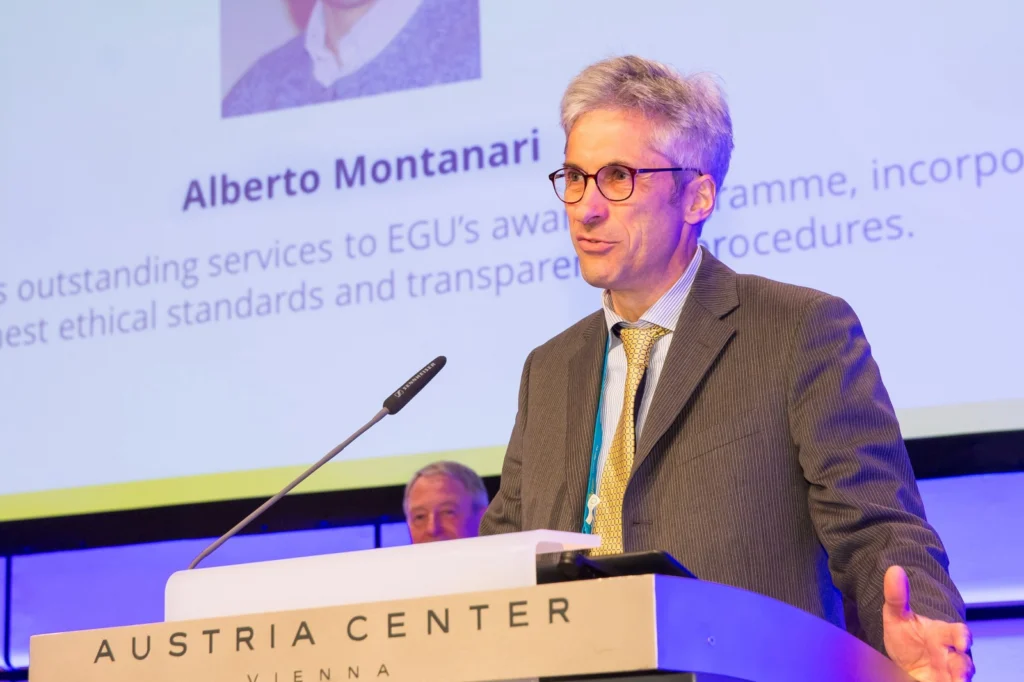
GeoTalk interviews usually feature the work of early career researchers, but this month we deviate from the standard format to speak to Alberto Montanari, president of the EGU. Alberto has a long-standing involvement with the Union, stretching back more than 15 years. Following a year as vice-president, Alberto was appointed president at this year’s General Assembly in Vienna. Here we talk to him ...[Read More]
Imaggeo on Mondays: A painted forest fire
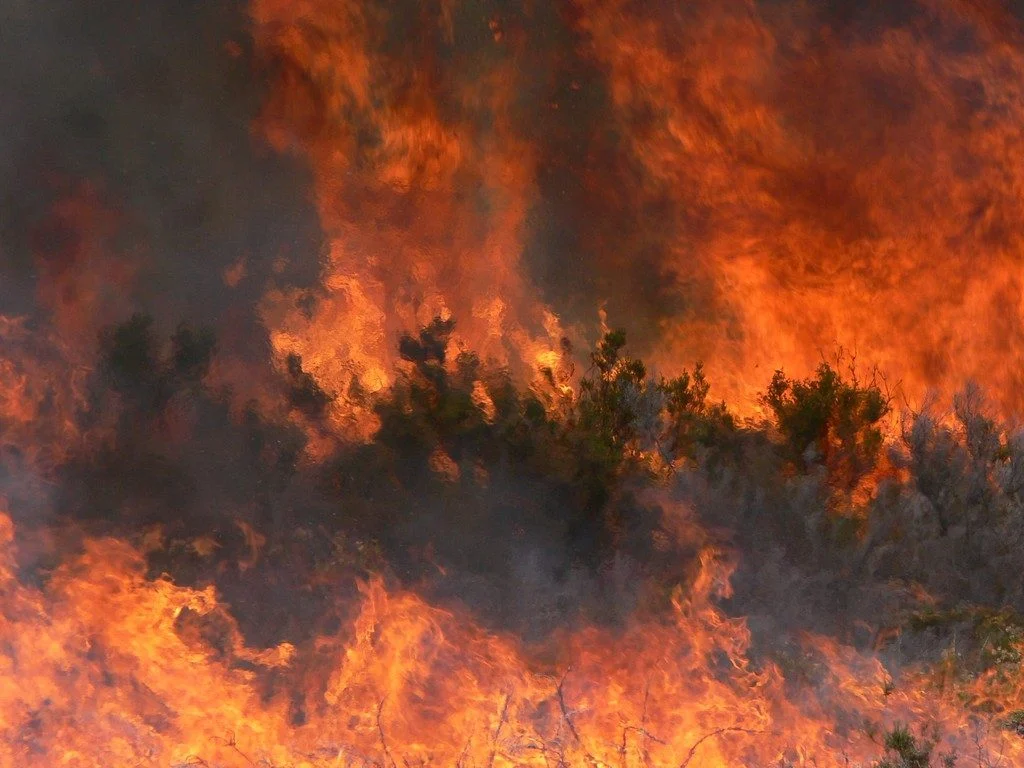
This week’s featured image may appear to be a painted landscape, but the picture is in fact a photo, taken ten years ago by Victoria Arcenegui, an associate professor at Miguel Hernández University in Spain, during a controlled forest fire in northern Portugal. The blaze is actually hot enough to distort the image, making some of the flames appear as brush strokes, beautifully blurring together th ...[Read More]
GeoPolicy: Fake news and populism – a threat to science in Europe
The 2019 EGU General Assembly was a great success. Not only was it the largest in EGU history (with over 16,000 participants, 5,531 oral, 9,432 poster and 1,287 PICO presentations) but it also allowed scientists to connect geoscience and their research with global challenges and potential solutions. One of the highlights of this year’s General Assembly was the high-level session on Science, Politi ...[Read More]
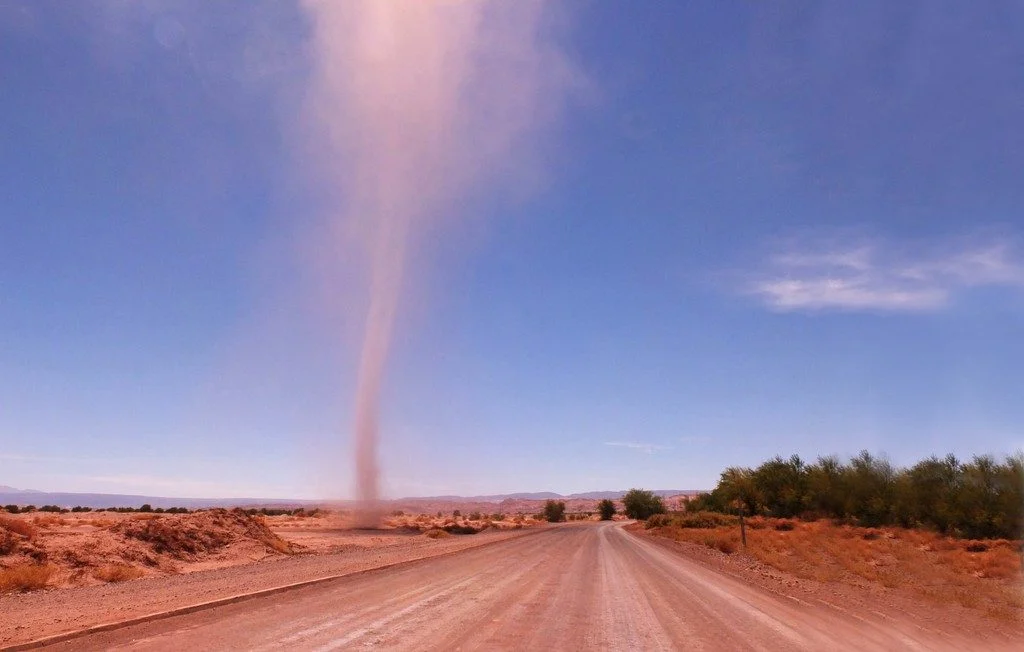
Imaggeo on Mondays: Dust devil sighting in the Atacama Desert
Dust devils are like miniature tornadoes, they form when a pocket of hot air near the surface moves fast upward and meets cooler air above it. As the air rapidly rises, the column of hot air is stretched vertically, thereby moving mass closer to the axis of rotation, which causes intensification of the spinning effect by conservation of angular momentum. In the Atacama Desert [in Chile] they are r ...[Read More]
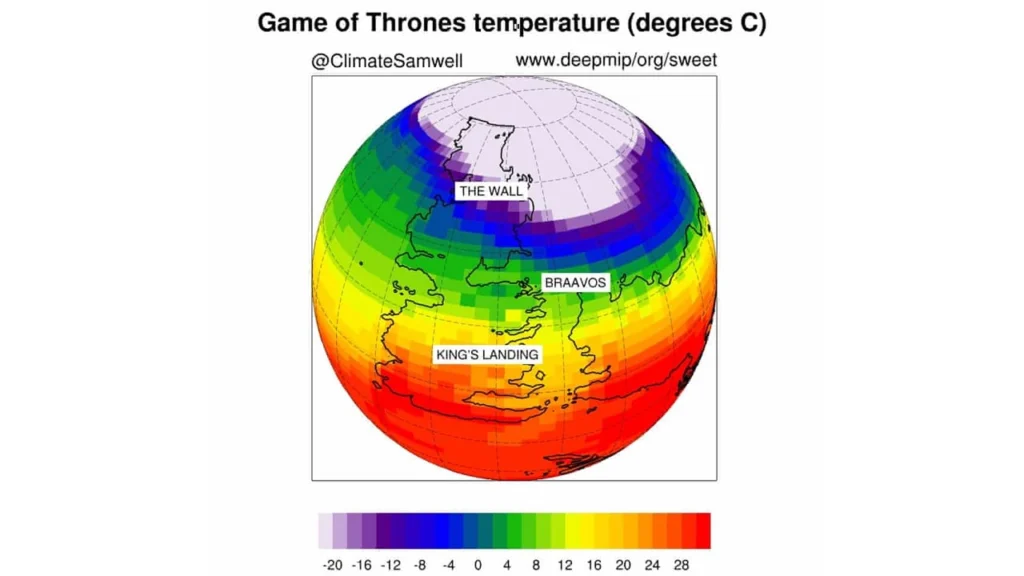
Geosciences Column: climate modelling the world of Game of Thrones
Disclaimer: This article contains minor spoilers for Season 8 of “Game of Thrones.” A basic understanding of the world of Game of Thrones is assumed in this post. The Game of Thrones world of ice and fire is an unpredictable place both politically and environmentally. While the fate of the Iron Throne is yet to be confirmed, a humble steward has been working diligently to make some sense of the pl ...[Read More]