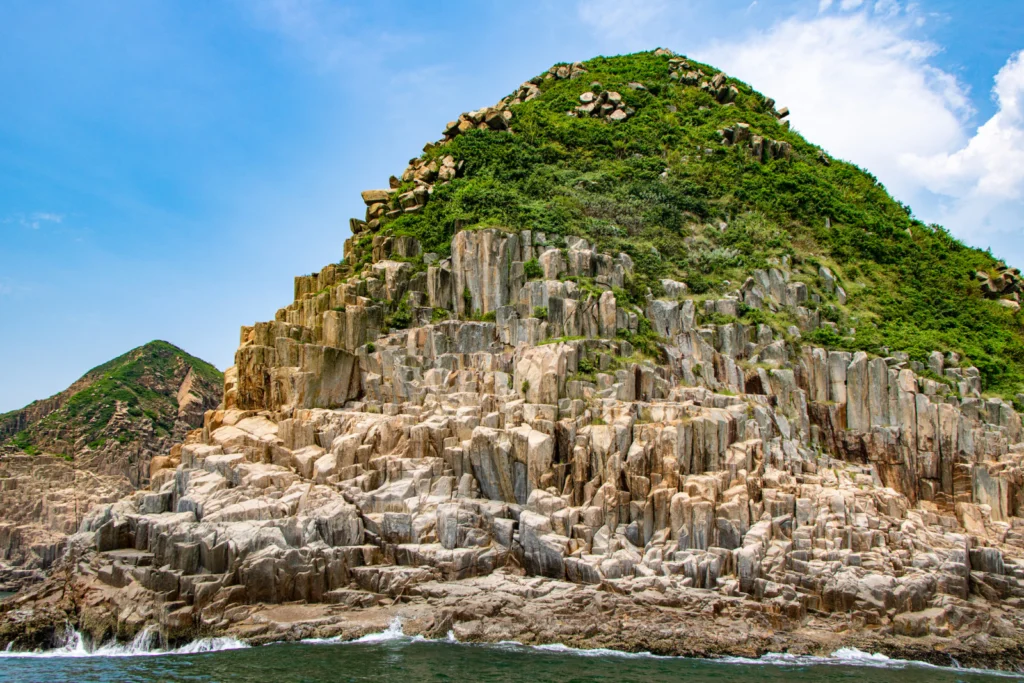
The picture shows the world’s rarest hexagonal rhyolitic volcanic rock columns on the northern island of the Ninepin Group in the easternmost waters of Hong Kong. These rocks columns are believed to form about 140 million years ago after a major volcanic eruption near Sai Kung. When the volcanic ash and lava slowly cooled down, joints and cracks started to develop on the surface and then extended ...[Read More]
Imaggeo On Monday: Glimpse of the Ranns of Kachchh, India
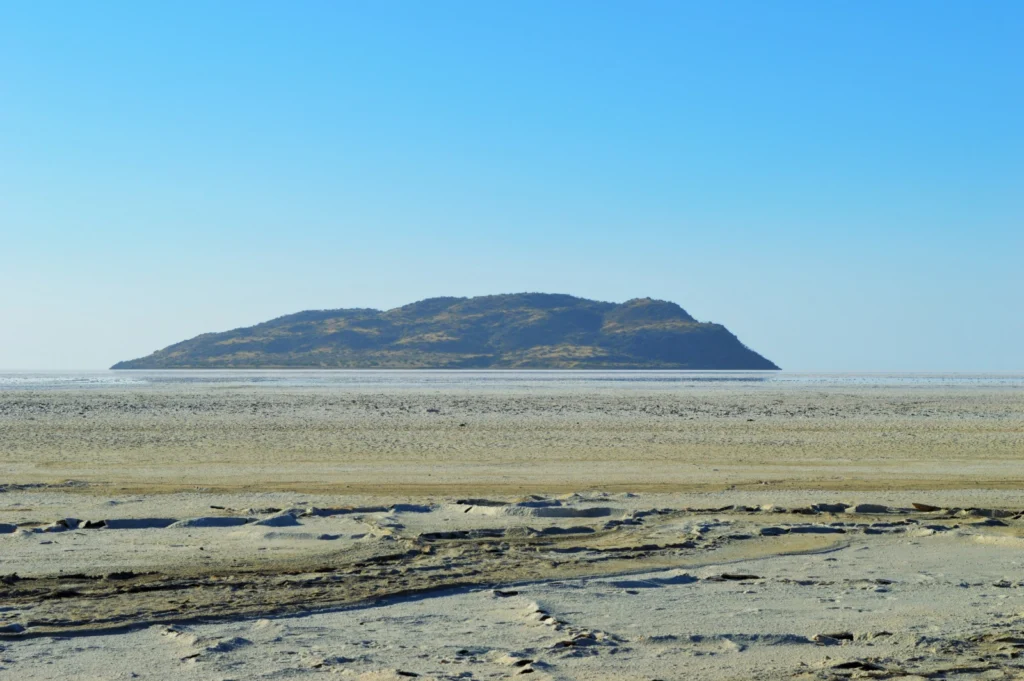
The Rann of Kachchh is a saline marshland located in the western part of India. This climatically arid, salt-covered mudflat was once home to one of the largest settlements of the Indus Valley Civilization in India. The UNESCO world heritage archaeological site of Dholavira is now located in the heart of the salt desert. Photo by Fulmati Ram, as described on imaggeo.egu.eu. Imaggeo is the E ...[Read More]
Imaggeo On Monday: The desert of the cauliflowers
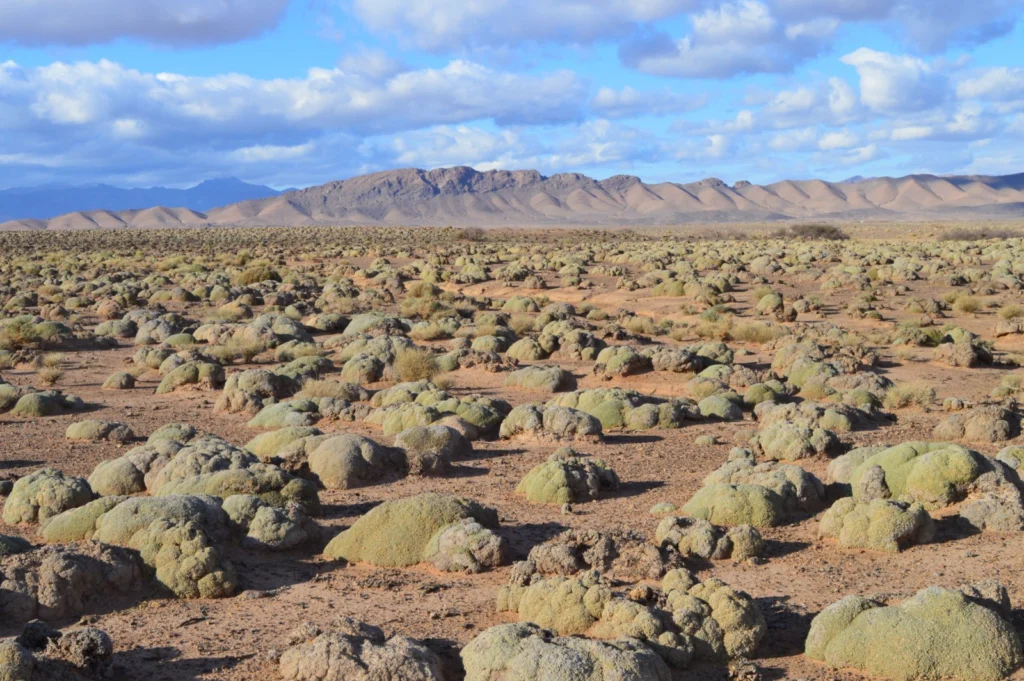
Bouâmama Cauliflowers (Fredolia aretioides) in the stony plateaus of the Eastern High Atlas near Ayt Wazag (Morocco). The compact, cushion-like habit, the tiny coriaceous leaves and the deep-reaching roots of this shrub allow it to thrive under arid climatic conditions. Photo by Luca Barale, as described on imaggeo.egu.eu. Imaggeo is the EGU’s online open access geosciences image repository ...[Read More]
Imaggeo On Monday: King penguin (Beagle Channel)
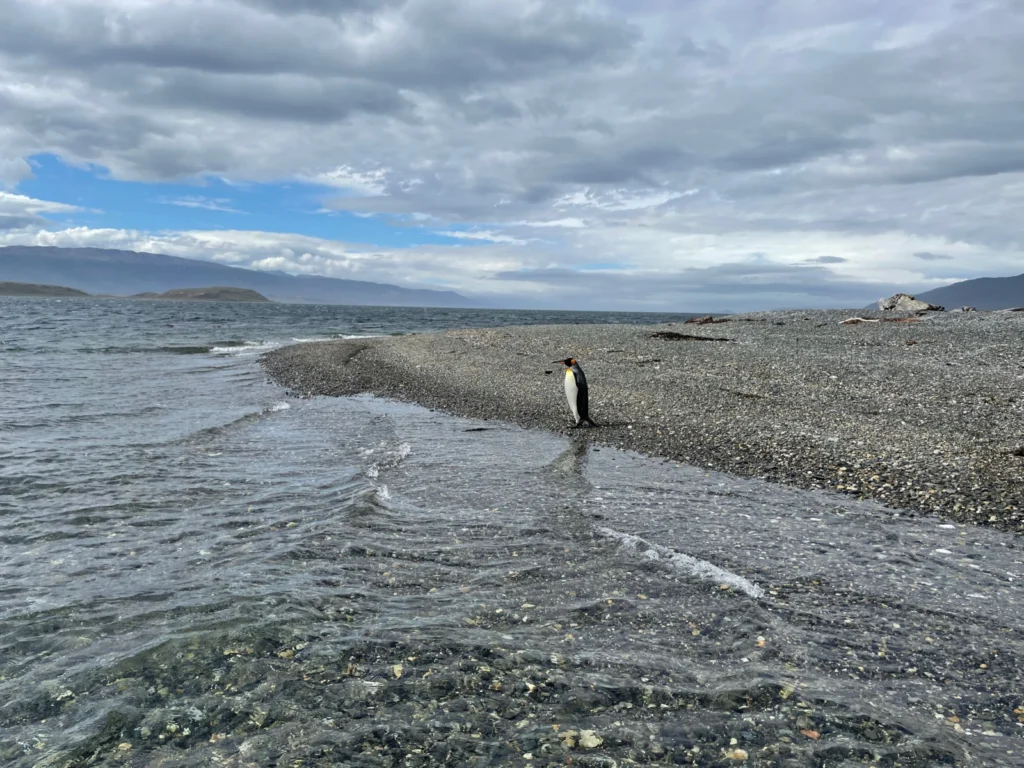
King penguin in the Beagle Channel, Tierra del Fuego. Photo by Tatjana Milojevic, shared on imaggeo.egu.eu. Imaggeo is the EGU’s online open access geosciences image repository. All geoscientists (and others) can submit their photographs and videos to this repository and, since it is open access, these images can be used for free by scientists for their presentations or publications, by edu ...[Read More]
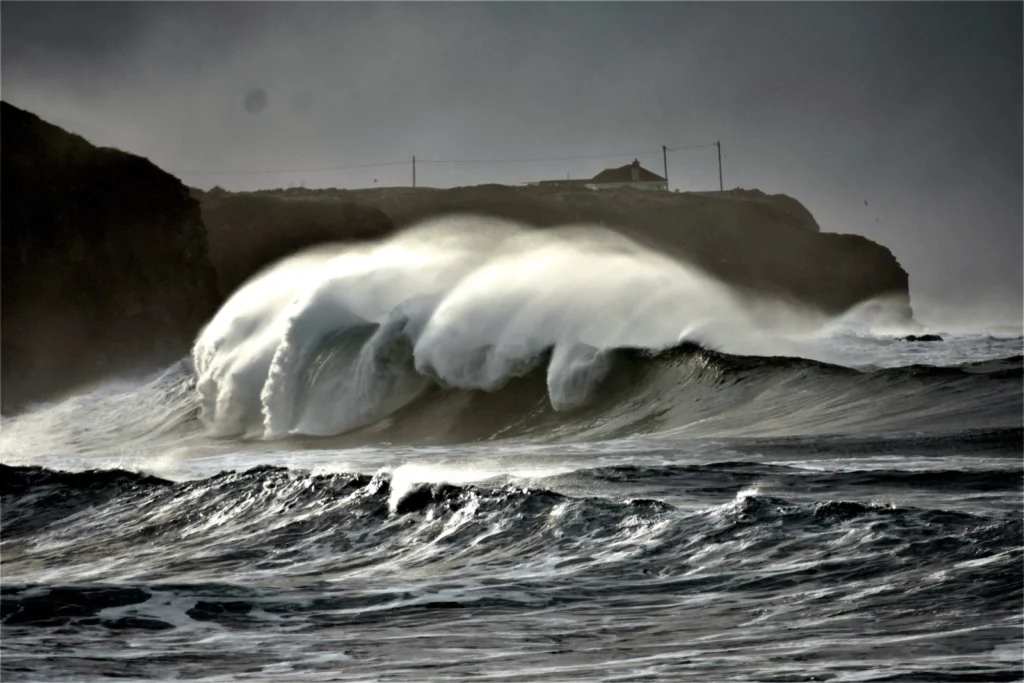
Imaggeo On Monday: Stormy waves in Ireland
Waves captured during a storm in Portrush, Northern Ireland. Photo by Melanie Biausque, shared on imaggeo.egu.eu. Editors note: please ensure to put your own safety first before attempting to photograph storm waves. Imaggeo is the EGU’s online open access geosciences image repository. All geoscientists (and others) can submit their photographs and videos to this repository and, since it is ...[Read More]
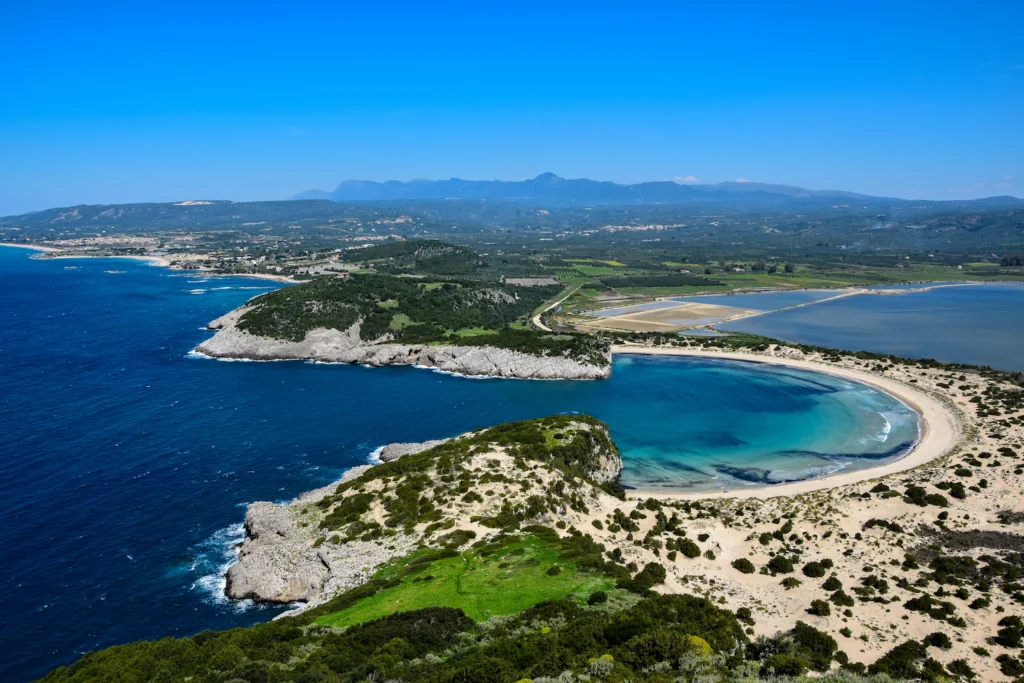
Imaggeo On Monday: The Ω shaped Voidokilia beach
Voidokilia beach is located on the Ionian coast of Messinia, in the southwestern part of the Peloponnese region, in Greece. While it is famous for its round shape reminiscent of the Greek letter Ω, it is considered one of the most beautiful beaches in the Mediterranean. It is separated by a strip of dunes from the lagoon of Gialova, which was created due to both tectonic activity and sea level ris ...[Read More]
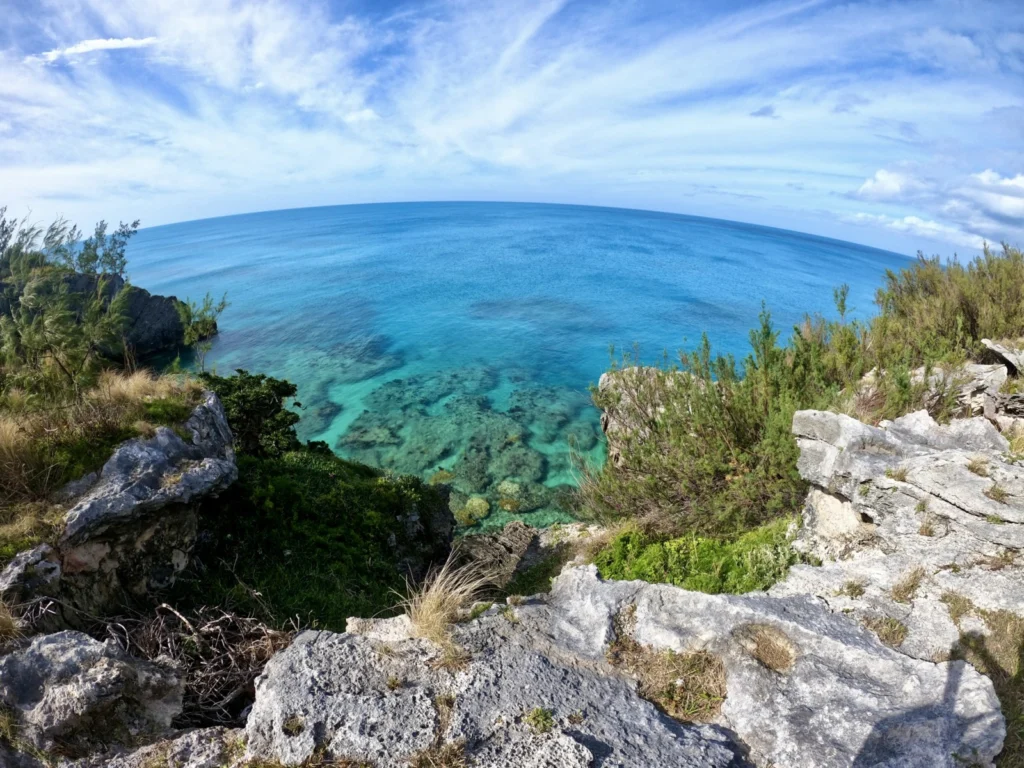
Imaggeo On Monday: Ocean Views from St Georges
North View from Railway Trail at St Georges island in Bermuda. Photo taken with a GoPro and a wide-angle lens 16-34mm, while walking on my way for groceries at St Georges from the Bermuda Institute of Ocean Sciences. Description by Josue G Millan, after the description on imaggeo.egu.eu. Imaggeo is the EGU’s online open access geosciences image repository. All geoscientists (and others) can ...[Read More]
EGU22 Photo Competition – voting opens MONDAY 23 MAY!
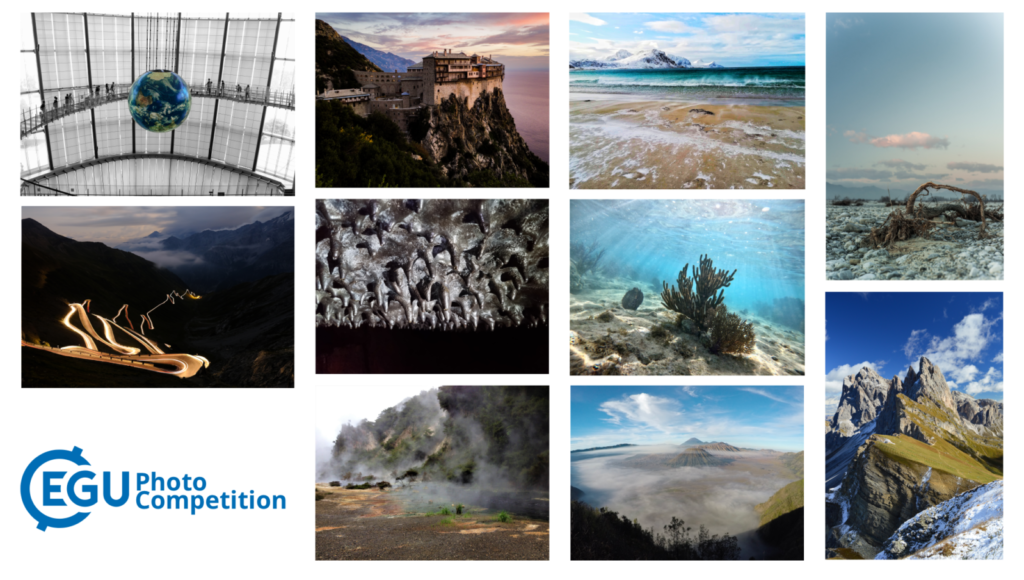
Now that our panel of judges has reduced the long list of hundreds of entries to just the top 10, it’s up to you to decide on which three photos will be our winners for 2022! The finalist photos are listed below and you can vote for them from Monday 23 May until Thursday, 26 May 2022 (voting closes at 18:00 CEST, 26 May). There are two ways that you can vote – the first is on-site in V ...[Read More]
EGU22 Photo Competition finalists – who will you vote for?
This year’s Photo Competition judging panel did a fantastic job of narrowing down the outstanding photo submissions to the EGU’s Photo Competition to just 10 finalists! The finalist photos are listed below and on the Imaggeo website where you can vote for them from Monday 23 May until Thursday, 26 May 2022 – voting closes at 18:00 CEST. The three photos with the most votes will be ann ...[Read More]
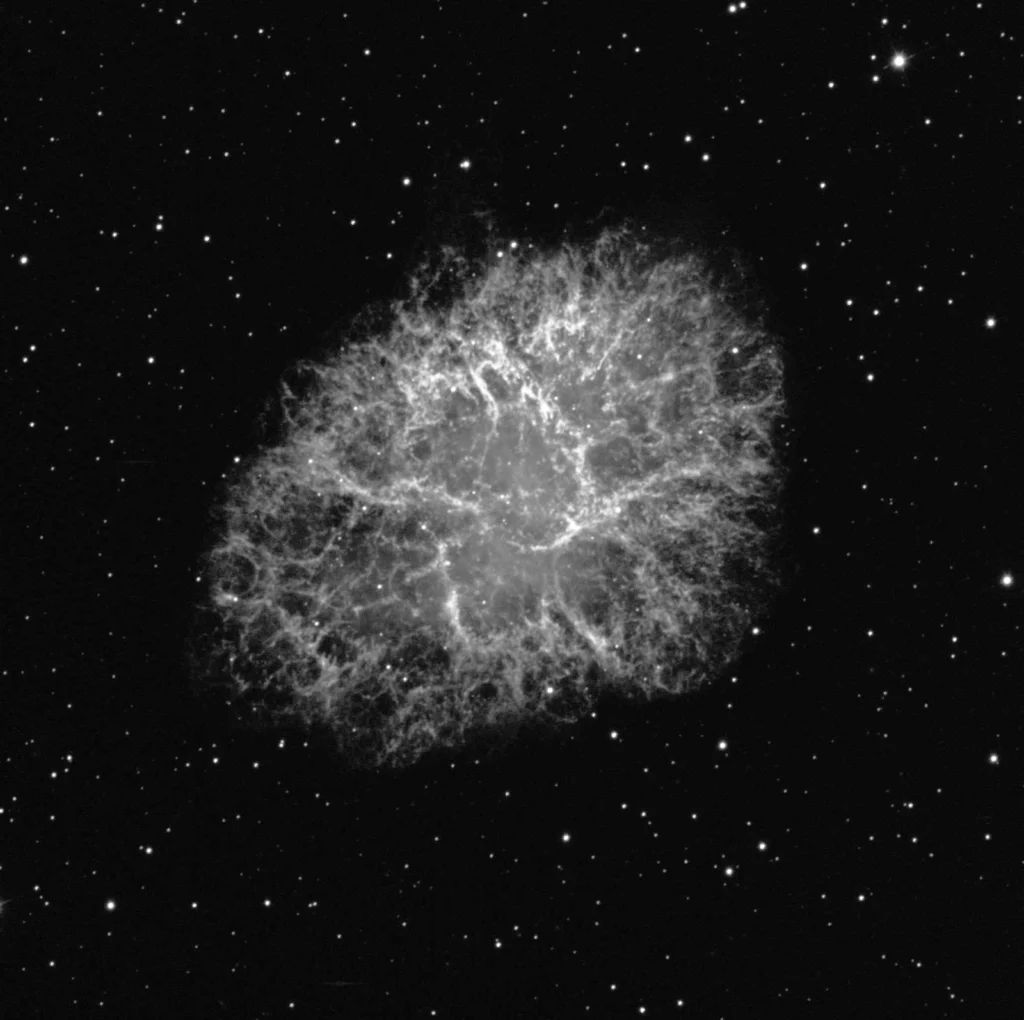
Imaggeo On Monday: the Crab Nebula
The Crab Nebula (catalogue designations M1, NGC 1952, Taurus A) is a supernova remnant and pulsar wind nebula in the constellation of Taurus. At the center of the nebula lies the Crab Pulsar, a neutron star 28–30 kilometers across with a spin rate of 30.2 times per second, which emits pulses of radiation from gamma rays to radio waves. This photo was taken with Liverpool Telescope (Roque de los Mu ...[Read More]