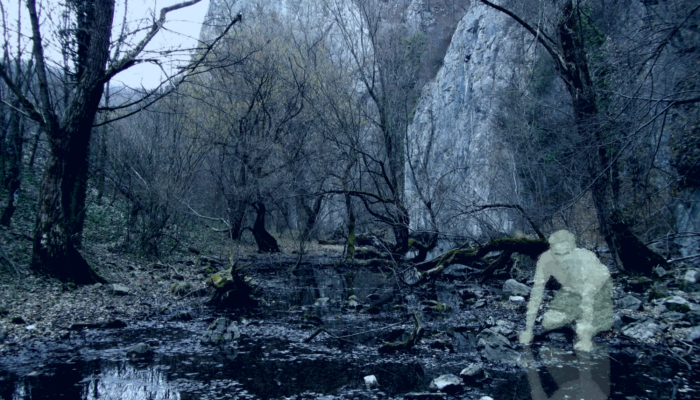
Swamps are spooky. This is the prevailing notion from the depiction of wetlands – the saturated lands of swamps, bogs, and fens – in the media. From the folktales of Will-o’-the-Wisps guiding travellers astray to the many, many swamp monsters of Scooby Doo, the sign is clear: a scrawled “stay away from here” thrust deep in the mud, writ by centuries of storytellers. As a reputation it’ ...[Read More]
International Archaeology Day: Challenging stereotypes about migration
Discoveries like excavations of prehistoric civilizations, shipwrecks with long-lost treasures, forgotten cities, and ancient tombs and temples, paint a vivid picture of archaeology and human history. Yet understanding how cultures evolved is often a more laborious process focused on prosaic finds; pottery shards, tools, implements, skeletal remains, art, inscriptions, pollen or soil samples, amon ...[Read More]
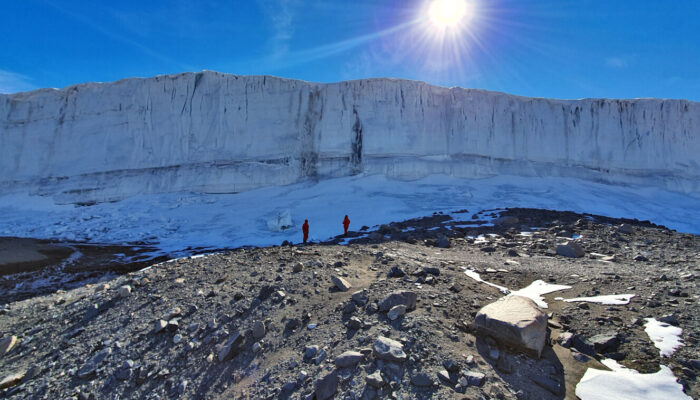
Researchers share insights from first-of-its-kind ice loss study of Antarctic Ice Sheet
Hi Ronja and Emily, thank you for agreeing to doing this interview. Could you tell us briefly about your background and how you came to research your field? Emily: I have an environmental science/physical geography background and I have been working with an ice sheet model during and after my PhD to understand how glaciers and ice streams in Greenland and Antarctica may respond to climatic changes ...[Read More]
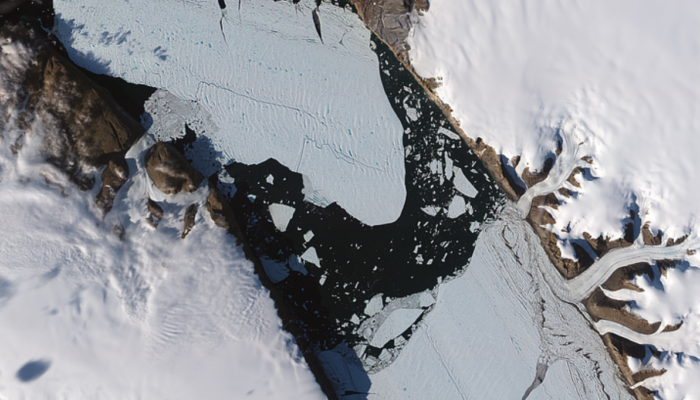
A chunk of ice the size of Amsterdam: how the calving of Greenland’s glaciers has changed since the 2010 Petermann Glacier event
Thirteen years ago, a roughly 251 km2 chunk of ice (or 97 miles2) broke off Greenland’s Petermann Glacier. This Amsterdam-sized piece of ice was the largest to calve in the Arctic since 1962. The massive iceberg traversed the Nares Strait, which lies between Canada’s Ellesmere Island and Greenland, and into the northern part of Baffin Bay—the northwestern-most arm of the Atlantic Ocean, before eve ...[Read More]