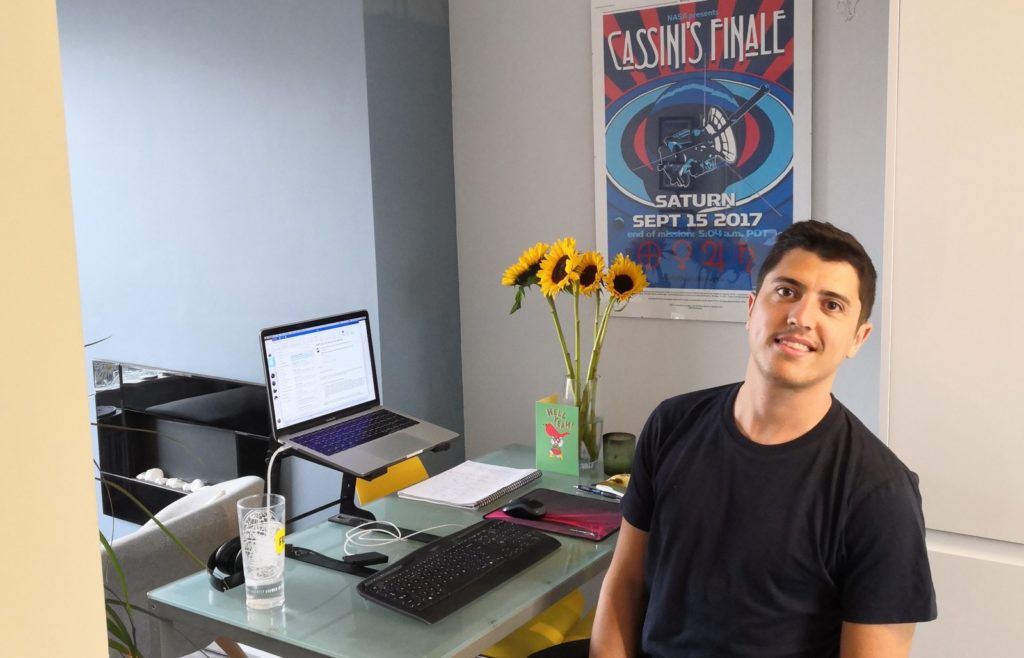
My name is Ned Staniland and I am a third year PhD student in space physics at Imperial College London. I study the magnetic field of Saturn using data from the Cassini-Huygens mission that was launched in 1997. In July 2020, I was lucky enough to be EGU’s first intern where I worked in their policy and communications team. Finding an Internship Since the beginning of my PhD, I have kept an eye ...[Read More]
3 ways geoscientists can support the Biodiversity Strategy for the EU’s Green Deal
The European Union Green Deal outlines an ambitious plan for turning climate and environmental challenges into opportunities to make the EU’s economy sustainable and make Europe the first climate-neutral continent. This plan covers a wide range of topics such as preventing biodiversity loss, achieving net-zero pollution and making the agricultural industry more sustainable. These topics include sp ...[Read More]
GeoPolicy: How to use webinars to share your science with a wider audience!
Since the explosive spread of COVID19, the way most academics work has changed and it can sometimes feel like we’re all living on conference calls, Skype and online events. While this may not suit everyone’s preferred working style, it’s difficult to deny that people are now more willing to engage online and it’s worth thinking about how we can take full advantage of this new method of working! Ha ...[Read More]
GeoPolicy: Getting involved with science for policy during #shareEGU20!
This year, EGU’s science-policy related sessions will be run a little bit differently! In case you haven’t already heard, EGU will be hosting EGU2020: Sharing Geoscience Online (#shareEGU20) from 4-8 May 2020 in place of the physical General Assembly. While this fully online event is in response to the COVID-19 crisis, it is also an opportunity to experiment with online networking and ...[Read More]
EGU statement of support for the European Research Council
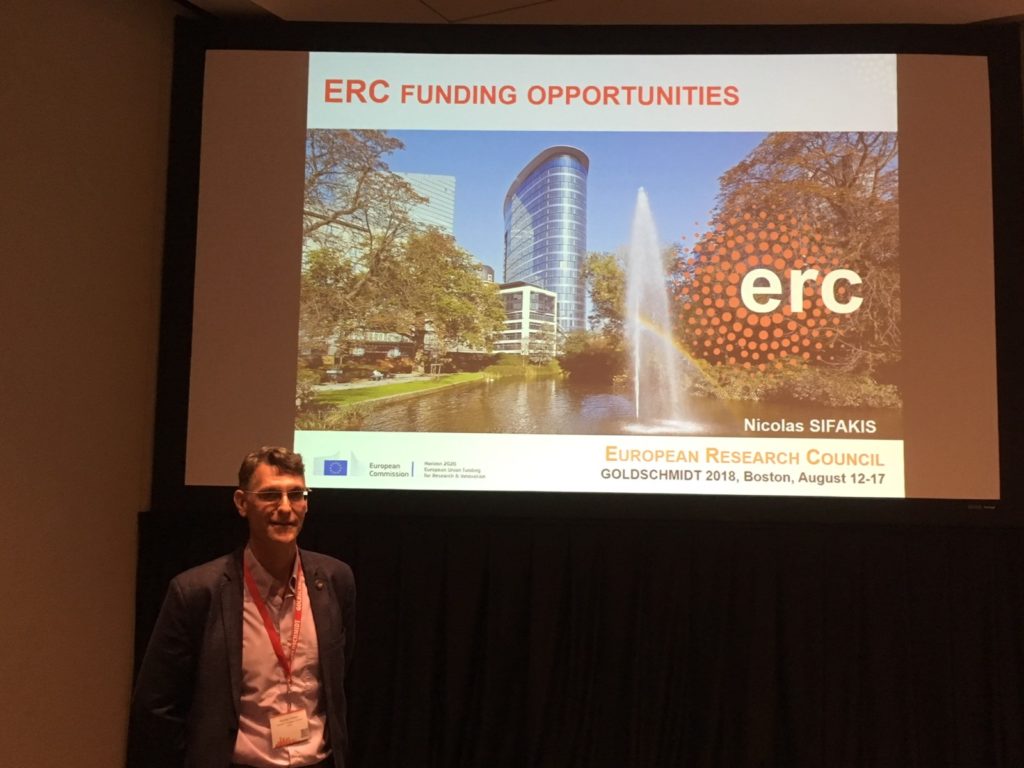
The European Research Council (ERC) is the sole European science funding agency that is designed and governed by scientists. As such, it has become one of the world’s leading and most respected funders of frontier research, with more than 70% of completed projects leading to discoveries or major advances. The ERC’s investigator-driven approach and allocation of grants based solely on scientific ex ...[Read More]
GeoPolicy: Interview with the former President of the European Research Council – Jean-Pierre Bourguignon
I recently had the honour of interviewing Professor Jean-Pierre Bourguignon, who completed his six-year term as the President of the European Research Council (ERC) at the end of 2019. As an award-winning mathematician, he has been a fellow of the Centre National de la Recherche Scientifique for most of his career. Bourguignon held a Professor position at École Polytechnique (1986-2012) and served ...[Read More]
GeoPolicy: How to become a Seconded National Expert for the European Commission
The European Seconded National Expert programme is a fantastic opportunity for scientists who are currently working in a national, regional or local public administration of an EU member state or an intergovernmental organisation to gain experience working within a European policy institution. In most cases, secondments are between six months and four years during which time the Seconded National ...[Read More]
GeoTalk: Joel Gill discusses the UN’s Sustainable Development Goals and the ‘Decade of Action’
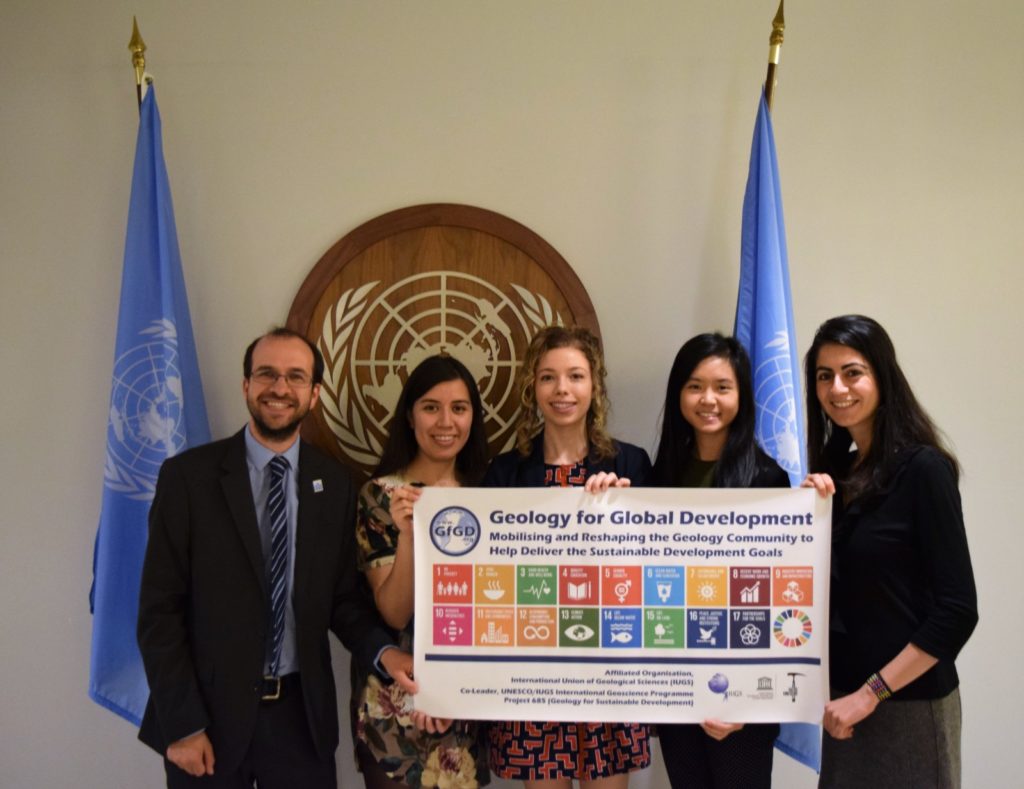
Geotalk is a regular feature highlighting early career researchers and their work. In this interview we speak with Joel Gill who a geoscientist, based in the UK, who works at the British Geological Survey, supporting their international development programmes, whilst also researching multi-hazards and disaster risk reduction. In addition he leads a not-for-profit organisation, Geology for Global D ...[Read More]
GeoPolicy: My experience with the EGU’s science-policy pairing scheme
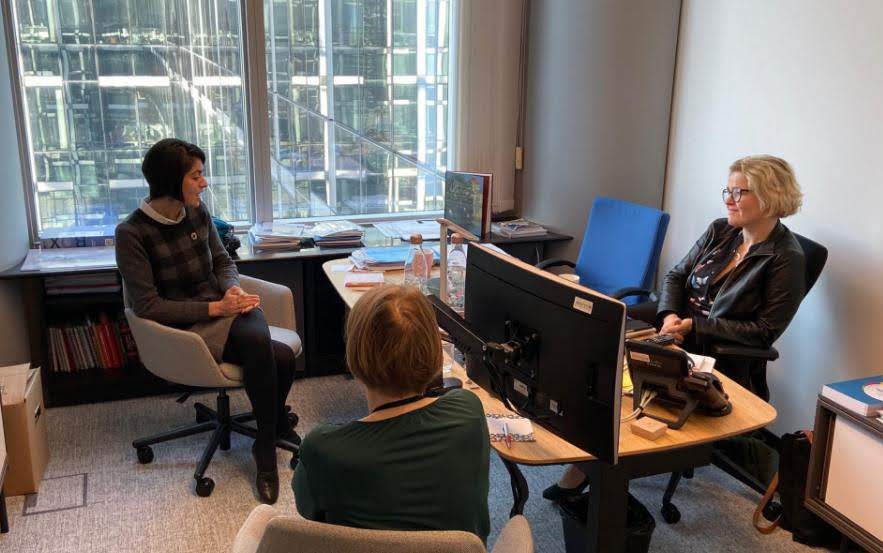
“Thanks for coming, but no time for celebratory drinks,” I told my colleagues. I arrived in Brussels right after defending my doctoral thesis to brief the Finnish Member of the European Parliament (MEP) Miapetra Kumpula-Natri and her team about the impact of sea-level rise and climate change on the coastal communities of the Baltic Sea. Climate science? Baltic Sea? EU Parliament? I was soon bombar ...[Read More]
GeoPolicy: Communicate Geoscience? Let’s do it!
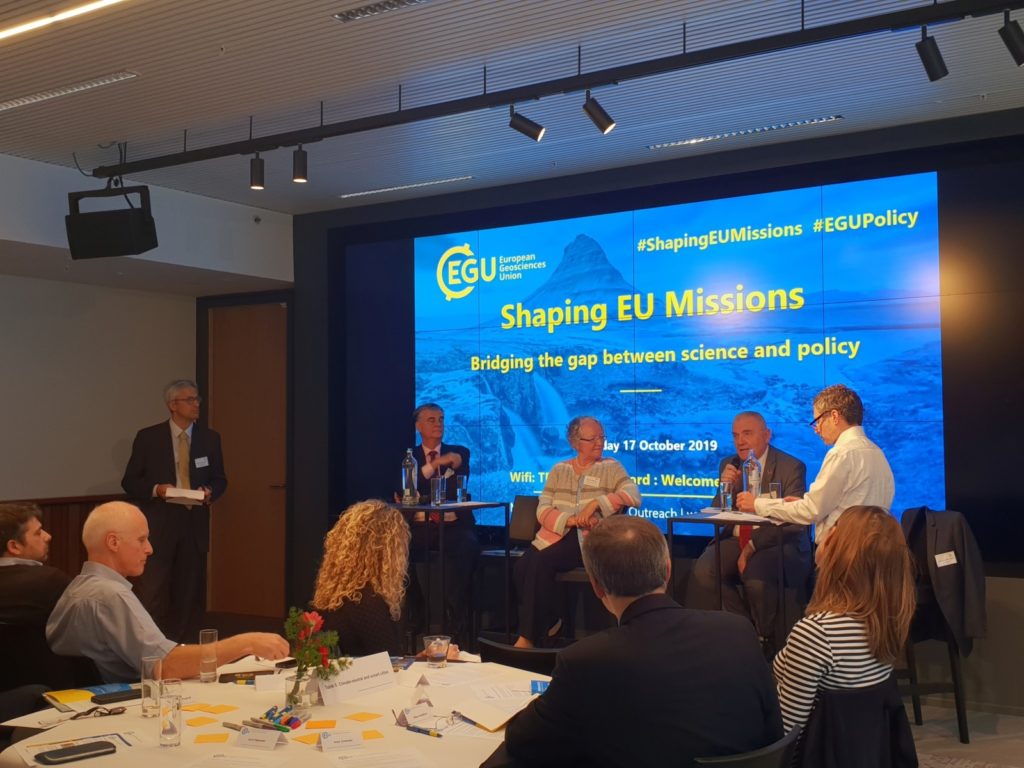
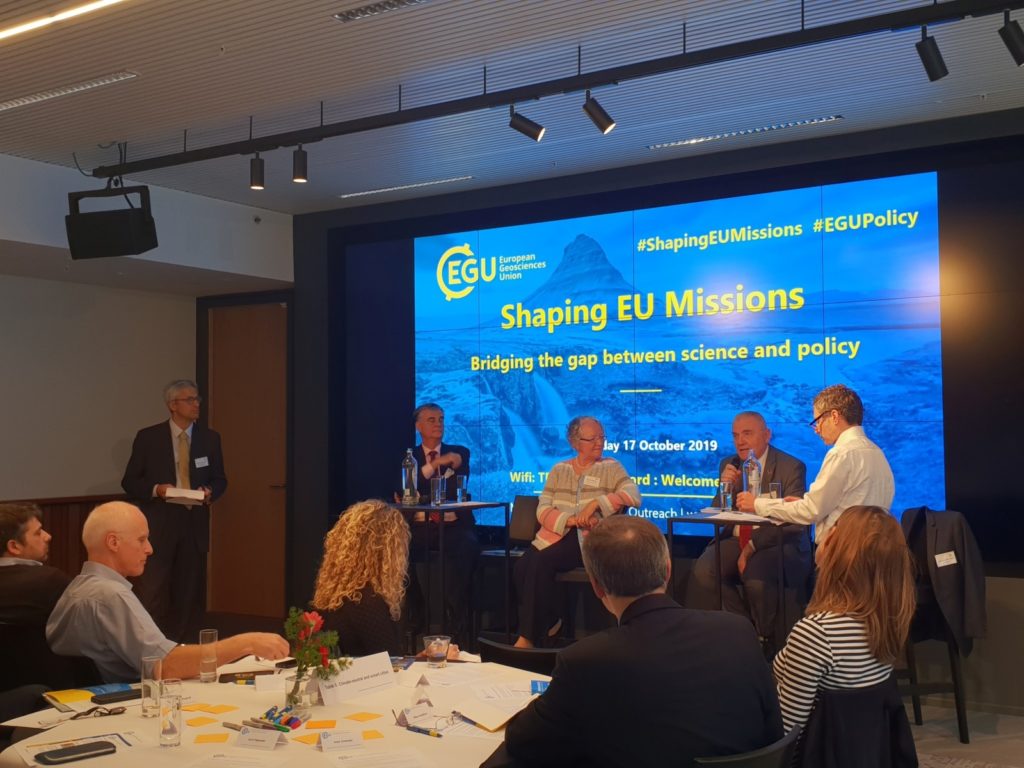
This month’s GeoPolicy Column was written by Alexander Roesner, a researcher at MARUM (the Center for Marine Environmental Sciences) and the winner of the EGU’s 2019 ECS Policy Competition, which provides the winner with funding to attend the EGU’s science-policy event, Shaping EU Missions in Brussels. Roesner outlines his motivation for applying for the competition and reflects on his experience. ...[Read More]